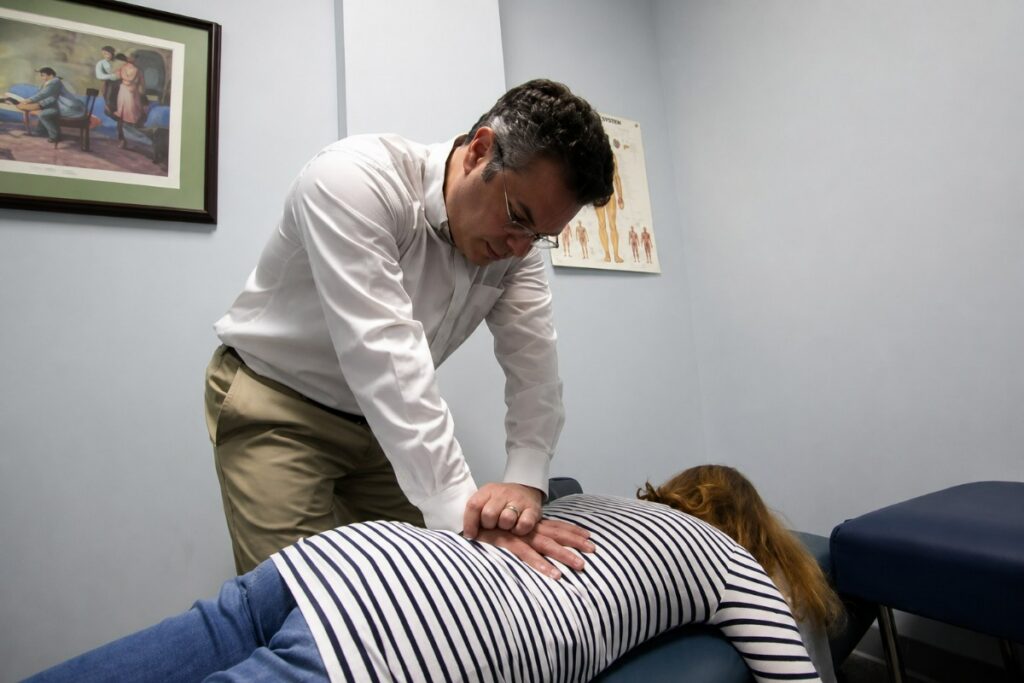

To truly elevate your sports performance, you need to recognize that adjustments are key. You might think your routine is solid, but minor tweaks in your training, nutrition, or mental approach can lead to significant gains. It's not just about pushing harder; it's about training smarter and adapting to what your body requires at any given moment. So, what specific changes should you consider to break through barriers and reach new heights in your performance? The answers may surprise you.
Importance of Performance Adjustments
When it comes to maximizing sports performance, making timely adjustments is essential. You need to recognize that what works for you today mightn't yield the same results tomorrow. In the ever-evolving world of sports, adaptability is key. Whether you're dealing with changes in your physical condition, competition levels, or even external factors like weather, your ability to adjust can give you a significant edge.
Think about your training routines. If you find that you're plateauing, it's your cue to tweak your regimen. This could mean increasing intensity, incorporating new exercises, or adjusting your rest periods. Every athlete's body responds differently, and staying in tune with your own needs will help you avoid stagnation.
Moreover, performance adjustments aren't only about physical changes. You also need to reflect on mental aspects. Are you feeling fatigued or unmotivated? It might be time to shift your focus or set new goals. A fresh perspective can re-energize your training and enhance your performance.
In competition, the ability to adapt on the fly can be the difference between victory and defeat. If your initial strategy isn't working, don't hesitate to change it up. Quick thinking and flexibility can turn a challenging situation into an opportunity.
Analyzing Your Current Training
A thorough analysis of your current training is vital for identifying strengths and weaknesses. Start by reviewing your training schedule and the types of workouts you've been doing. Are you focusing enough on both strength and endurance? Consider how often you're cross-training or incorporating flexibility exercises. This assessment will help you pinpoint areas needing improvement.
Next, evaluate your performance metrics. If you track your progress, analyze the data to see where you excel and where you struggle. Are there specific drills or exercises that consistently yield better results? Look for patterns that indicate your strengths and weaknesses. For instance, if your sprint times are improving but not your endurance, you might need to adjust your focus accordingly.
Don't forget to reflect on your recovery and nutrition. Adequate rest and proper fueling are essential components of successful training. Are you giving your body enough time to recover between sessions? Are you eating a balanced diet that supports your goals? These factors can greatly affect your performance and should be part of your analysis.
Lastly, seek feedback from coaches or training partners. They might observe things about your technique or effort level that you don't notice. By gathering insights from different sources, you'll gain a thorough view of your training landscape, setting the stage for making necessary adjustments to maximize your performance.
Tailoring Your Workout Routine
Tailoring your workout routine is essential for optimizing your performance and achieving your specific goals. To start, assess your current fitness level and determine what you want to accomplish. Whether you aim to build strength, improve endurance, or enhance agility, your routine should reflect those objectives.
Next, incorporate a mix of exercises that target all major muscle groups. Balance is key; include strength training, cardiovascular workouts, and flexibility exercises to guarantee a well-rounded approach. For strength training, focus on compound movements like squats and deadlifts, which engage multiple muscle groups and promote functional strength.
Don't forget to customize the intensity and volume of your workouts. Adjust the weights, sets, and repetitions based on your goals and fitness level. If you're building muscle, aim for heavier weights with fewer reps. For endurance, lighter weights with higher reps can be more effective.
Also, listen to your body. If you feel fatigued or notice signs of overtraining, don't hesitate to modify your routine. Incorporate rest days and active recovery sessions to allow your muscles to heal and grow.
Finally, keep track of your progress. Use a journal or an app to record your workouts, noting improvements and areas needing adjustment. Regularly review and tweak your routine to ensure it remains aligned with your evolving goals.
Nutrition for Optimal Performance
Optimizing your workout routine is just one part of enhancing your sports performance; nutrition plays a significant role, too. What you fuel your body with directly impacts your energy levels, recovery, and overall performance. To get the most out of your training, you need to focus on a balanced diet that supports your specific athletic goals.
Start by incorporating a variety of whole foods into your meals. Lean proteins like chicken, fish, and legumes help build and repair muscles, while complex carbohydrates such as whole grains, fruits, and vegetables provide the energy you need for those intense workouts. Healthy fats from sources like avocados, nuts, and olive oil are also essential, as they support hormone production and overall health.
Timing your meals is just as important as what you eat. Aim to consume a meal rich in carbohydrates and protein about two to three hours before your workout. This gives your body time to digest and utilize the nutrients effectively.
Post-workout, make sure to replenish your energy with a protein-rich snack or meal within 30 minutes to aid recovery.
Don't forget about micronutrients, too. Vitamins and minerals play critical roles in muscle contraction and recovery. Make sure you're getting plenty of fruits and vegetables to cover your bases.
Finally, listen to your body; if you notice fatigue or poor performance, consider revisiting your nutrition plan. With the right food choices, you can maximize your sports performance and achieve your athletic goals.
Hydration Strategies for Athletes
Staying properly hydrated is essential for athletes looking to maintain peak performance and enhance recovery. Your body relies on water for ideal function, and even mild dehydration can hinder your strength, speed, and endurance.
To guarantee you're fueling your body adequately, consider implementing these hydration strategies:
- Drink Before You Thirst: Don't wait until you're thirsty to hydrate. Make it a habit to sip water throughout the day, especially during training sessions. Aim for at least 17-20 ounces of water two hours before exercising.
- Use Electrolyte Drinks Wisely: During intense workouts or long-duration sports, plain water mightn't be enough. Choose electrolyte drinks to replenish lost minerals. Look for options with low sugar content to avoid energy crashes.
- Monitor Urine Color: A simple way to gauge your hydration status is by checking the color of your urine. Light yellow indicates good hydration, while darker shades suggest you need to drink more.
- Adjust for Conditions: Environmental factors like heat and humidity can increase your hydration needs. If you're training in these conditions, increase your fluid intake to compensate for sweat loss.
Mental Conditioning Techniques
Mental conditioning is a critical component of athletic performance that often gets overlooked. To truly excel in your sport, you need to develop a strong mental game alongside your physical skills. Here are some techniques you can use to boost your mental conditioning.
First, visualization is a powerful tool. Take time each day to picture yourself succeeding in your sport. Visualize every detail, from the environment to your movements. This practice can enhance your confidence and help you prepare mentally for competition.
Next, focus on setting clear, achievable goals. Break down your long-term aspirations into smaller, actionable steps. By tracking your progress, you'll stay motivated and feel a sense of accomplishment as you reach each milestone.
Another effective technique is positive self-talk. Challenge any negative thoughts that creep in during training or competition. Replace them with affirmations that reinforce your capabilities. Remind yourself of past successes and your hard work.
Mindfulness and meditation can also improve your concentration and reduce anxiety. Spend a few minutes each day practicing mindfulness techniques, like deep breathing or meditation, to stay present and focused during high-pressure situations.
Lastly, develop a pre-performance routine to help you get in the zone. This could involve specific warm-ups, mental cues, or even listening to music that pumps you up. A consistent routine can signal your brain that it's time to perform.
Recovery and Rest Optimization
Effective recovery and rest are essential for maximizing your sports performance. Without proper recovery, you risk injury, fatigue, and diminished performance.
To guarantee you're optimizing your recovery, consider incorporating these four strategies into your routine:
- Prioritize Sleep: Aim for 7-9 hours of quality sleep each night. Sleep helps your body repair itself, consolidates memories, and boosts your immune system.
- Stay Hydrated: Dehydration can hinder recovery. Make sure you're drinking enough water before, during, and after your workouts. Electrolyte-rich beverages can also help replenish lost minerals.
- Incorporate Active Recovery: Engage in low-intensity activities like walking, swimming, or yoga on your off days. Active recovery promotes blood flow, reducing soreness and speeding up the healing process.
- Use Recovery Techniques: Experiment with methods such as foam rolling, massage, or contrast baths. These techniques can help alleviate muscle tension and improve circulation, enhancing your overall recovery.
Equipment and Gear Modifications
After ensuring you've optimized your recovery and rest, it's time to focus on how equipment and gear modifications can elevate your performance. The right gear can make a significant difference in how you train and compete.
Start by evaluating your current equipment. Is it outdated or worn out? Upgrading to newer models can enhance comfort, support, and functionality. For example, investing in lightweight running shoes designed for your foot type can improve your speed and reduce the risk of injury.
Next, consider customizing your gear. Simple adjustments, like shoe insoles or grip tape on your racquet handle, can provide better support and control. If you're a cyclist, adjusting your bike's saddle height and handlebar position can lead to a more efficient ride, allowing you to maintain stamina over longer distances.
Don't overlook the importance of protective equipment. Whether you're playing contact sports or participating in endurance events, proper pads, helmets, or guards can prevent injuries and boost your confidence during performance. Make sure your gear fits well and is appropriate for your sport.
Lastly, analyze how your clothing impacts your performance. Moisture-wicking fabrics, for instance, can help regulate body temperature, keeping you cool and dry while you push through your limits.
Setting Realistic Goals
Setting realistic goals is essential for maximizing your sports performance and keeping you motivated throughout your training journey. When you set achievable goals, you create a clear path toward improvement and maintain your enthusiasm.
Here are four steps to help you set realistic goals:
- Assess Your Current Skill Level: Before setting goals, take an honest look at your current abilities. Knowing where you stand will help you set targets that are challenging yet attainable.
- Break Down Larger Goals: Instead of aiming for an overarching goal, break it into smaller, manageable milestones. For instance, if you want to run a marathon, start by aiming to complete a 5K first.
- Make Them Specific and Measurable: Vague goals can lead to frustration. Instead of saying, "I want to get better at basketball," specify, "I want to improve my free throw percentage by 10% over the next three months."
- Set a Timeline: Give yourself deadlines to achieve your goals. A timeline creates urgency and helps you stay focused. For example, aim to reach your first milestone within four weeks.
Tracking Progress and Making Changes
Achieving your goals is just the beginning; tracking your progress is essential to guarantee you're on the right path. When you set out to improve your sports performance, you need to keep a close eye on how you're doing. Regularly evaluating your workouts, techniques, and results will help you identify what's working and what isn't.
Start by keeping a detailed log of your training sessions. Record metrics such as distance, time, weights lifted, or any other relevant performance indicators. This data will provide you with a clear picture of your progress over time.
Don't forget to include how you feel during and after your workouts; your mental state can greatly affect your performance.
After a few weeks, review your log. Are you consistently hitting your targets, or are you falling short? If you notice stagnation or a decline in performance, it may be time to make changes. Adjust your training intensity, switch up your routines, or focus on specific skills that need improvement.
Engaging with coaches or fellow athletes can also provide valuable insights. They might spot things you miss or suggest new strategies.
Remember, flexibility is key. Sometimes, what worked initially may not yield the same results as you progress.
Ultimately, tracking your progress and making calculated changes will keep you on the path to achieving your goals. Stay proactive, and don't hesitate to adapt your approach as needed; your success depends on it!
Conclusion
To truly maximize your sports performance, embrace the power of adjustments. Regularly analyze your training, tailor your workouts, and prioritize nutrition and hydration. Don't underestimate the importance of recovery and the right gear. Set realistic goals and track your progress for continuous improvement. Remember, it's about finding what works best for you and making those necessary tweaks. Stay proactive in your approach, and you'll see significant gains in your performance and overall athletic success.