
As a local chiropractor, I want to emphasize that recovering from an injury involves much more than simply resting. It's crucial to gain a clear understanding of your specific injury and to prioritize a comprehensive recovery plan that includes balanced nutrition to support your healing process. I know it can be frustrating to be sidelined, but I assure you there are effective strategies to enhance your athletic performance while you recover.
Incorporating chiropractic care into your recovery can be a game-changer. Through targeted adjustments and physical therapy techniques, we can help reduce pain, improve mobility, and promote faster healing. Additionally, hydration plays a vital role in recovery, ensuring your body has the necessary resources to repair itself.
So how can you ensure you're making progress without putting yourself at risk for further injury? By working closely with a chiropractor, you can develop a personalized recovery plan that addresses your unique needs and helps you safely regain your strength and performance. Let's work together to get you back to doing what you love!
Understand Your Injury
Understanding Your Injury as Part of Your Recovery Journey
As your local chiropractor, I want to emphasize the importance of truly understanding your injury. It's not just about recognizing your symptoms; it's vital to comprehend the specific nature of your condition. Consider questions like, "What led to this injury?" and "Which part of my body is affected?" Gaining clarity on these points can significantly enhance your recovery plan.
Take some time to explore your injury further. Familiarize yourself with the anatomy involved and how injuries similar to yours generally heal. Understanding the biological processes that occur during healing can empower you to make informed decisions about your recovery. If you come across any unfamiliar terms or concepts, please feel free to ask me for clarification—I'm here to help!
Paying attention to the severity of your injury is also crucial. Is it a sprain, strain, or something more serious? Different injuries necessitate different treatment approaches. By recognizing the severity, you can set realistic expectations and timelines for your healing journey.
Listening to your body is equally important. Be mindful of any changes in pain levels or mobility, and keep track of how your injury responds to various activities or treatments. This information will be invaluable when we discuss your progress together.
Lastly, remember that understanding your injury is an ongoing process. As you continue to heal, remain open to learning and adapting your approach. The more you understand your injury, the better equipped you'll be to navigate your recovery and ultimately return to your desired activities even stronger.
I'm here to support you every step of the way, utilizing natural healing methods to help you regain your health and well-being.
Prioritize Rest and Recovery
As a chiropractor, I want to emphasize the vital role that rest and recovery play in your healing journey. Prioritizing these aspects can significantly influence how quickly you recover from an injury. When your body is injured, it needs time to heal, and pushing through discomfort can lead to prolonged setbacks. It's essential to listen to your body; it often knows best when it requires a break.
First and foremost, ensure that you're getting enough sleep. Sleep is crucial for healing, as it's during this time that your body does most of its restorative work. Aim for 7 to 9 hours of quality sleep each night. Establishing a calming bedtime routine and creating a dark, quiet sleep environment can enhance your recovery process.
In addition to proper sleep, I encourage you to incorporate active recovery days into your routine. These days involve engaging in low-impact activities such as walking, swimming, or gentle stretching. These movements help promote blood flow and support recovery without placing undue stress on your injury. Pay attention to your body's signals during these activities; if something doesn't feel right, it's important to adjust your level of exertion.
Managing stress is another crucial element of the recovery process. High levels of stress can impede healing, so I recommend incorporating relaxation techniques into your daily routine. Practices such as meditation, deep breathing, or yoga can help soothe your mind and improve your overall well-being, making it easier for your body to heal.
Lastly, don't hesitate to seek guidance from a healthcare professional like myself. I can provide personalized advice tailored to your specific injury, helping you create a comprehensive recovery plan that includes both rest and rehabilitation exercises.
Nutrition for Healing
As a local chiropractor, I want to emphasize the crucial role nutrition plays in your recovery from injury and overall health. The right foods can significantly influence your healing process. When your body is healing, it requires specific nutrients to repair tissues and reduce inflammation. Therefore, it's essential to focus on a balanced diet that includes proteins, healthy fats, and carbohydrates to facilitate your recovery.
Protein is vital for rebuilding tissues and muscles. I recommend incorporating lean sources such as chicken, fish, beans, and legumes into your meals. These foods provide not only protein but also essential amino acids that are necessary for repair.
Additionally, don't overlook the importance of healthy fats. Foods like avocados, nuts, and olive oil can help reduce inflammation and provide the energy your body needs during this demanding time.
Carbohydrates are also important, as they serve as fuel for your body and help replenish glycogen stores. Choosing whole grains, fruits, and vegetables ensures that you receive ample vitamins and minerals.
Including a variety of colorful fruits and vegetables in your diet will provide you with antioxidants, which combat oxidative stress and support your overall healing process.
Furthermore, consider incorporating specific nutrients known for their healing properties. For example, zinc, which can be found in foods like meat, shellfish, and seeds, plays a critical role in tissue repair.
Vitamin C, abundant in citrus fruits and bell peppers, supports collagen production and enhances recovery.
Hydration Importance
As a local chiropractor dedicated to your health and recovery, I want to emphasize the crucial role that hydration plays in your healing process and overall well-being. When you experience an injury, your body requires sufficient fluid intake to facilitate effective healing. Staying hydrated not only supports your recovery but also helps maintain your energy levels, regulate body temperature, and ensure that your vital organs function optimally.
Here are four essential reasons why prioritizing hydration is vital during your recovery:
- Promotes Nutrient Transport: Water is key in transporting vital nutrients to the area of your injury, which can expedite the healing process. Without adequate hydration, your body may struggle to deliver these essential nutrients efficiently, hindering your recovery.
- Reduces Inflammation: Staying well-hydrated can significantly decrease inflammation around your injury. This reduction in swelling not only leads to a more comfortable recovery experience but can also help you return to your daily activities more quickly.
- Enhances Joint Lubrication: Proper hydration is fundamental for maintaining healthy joints. When your joints are well-hydrated, they're less likely to become stiff, which is particularly important if you're reducing your physical activity during your recovery period.
- Improves Mental Clarity: Dehydration can often lead to feelings of fatigue and difficulties with concentration. By ensuring you stay hydrated, you can maintain your focus and motivation—both of which are crucial for sticking to your recovery plan.
To make sure you're consuming enough fluids, aim for at least eight 8-ounce glasses of water daily, and consider increasing this amount if you're active.
Keep a water bottle handy, and pay attention to your body's signals; thirst is a clear indication that it's time to hydrate. By prioritizing hydration, you can significantly enhance your recovery journey and overall health.
Physical Therapy Techniques
When it comes to recovering from an injury, understanding the principles of chiropractic care can be a game-changer for regaining strength and mobility. A well-designed chiropractic program not only aids in your healing process but also reduces the likelihood of re-injury. To get started, it's essential to consult with a licensed chiropractor who can evaluate your condition and develop a personalized treatment plan tailored to your unique needs.
One foundational aspect of chiropractic care is therapeutic exercise. These exercises are specifically chosen to strengthen the affected area and enhance your range of motion. Your chiropractor will guide you through targeted movements that focus on your muscles and joints, gradually increasing the intensity as you progress. Consistency in performing these exercises is key, as they lay the groundwork for your recovery.
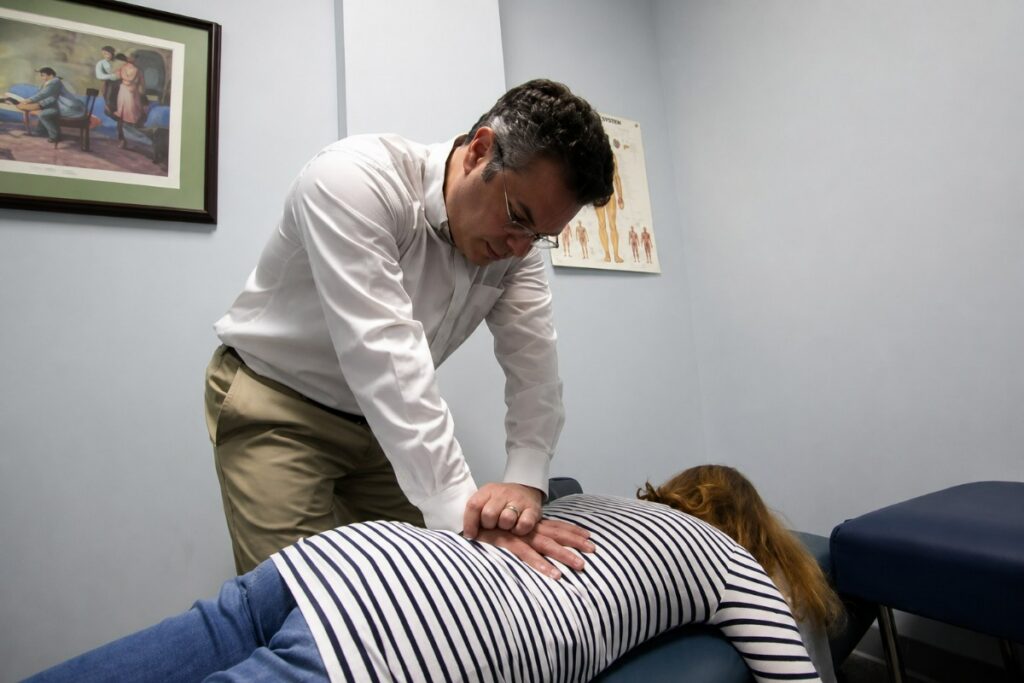
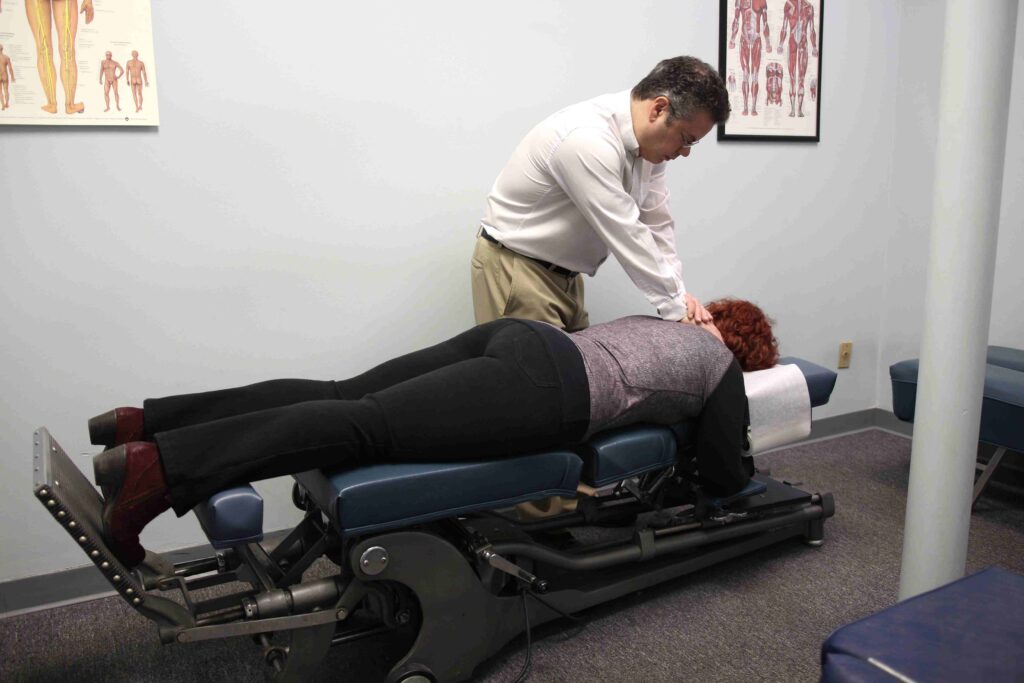
Another important technique is manual therapy, which is a hallmark of chiropractic practice. This hands-on approach involves your chiropractor using their expertise to adjust and manipulate your spine and joints. Techniques such as spinal adjustments and soft tissue work can help alleviate pain, improve circulation, and enhance flexibility. Many patients find that these methods not only relieve discomfort but also foster a more efficient healing process.
Additionally, we utilize various modalities such as ultrasound and electrical stimulation. These therapeutic treatments can help reduce inflammation and promote tissue healing, providing beneficial support throughout your recovery journey.
Lastly, education plays a vital role in chiropractic care. Your chiropractor will teach you about proper body mechanics, posture, and lifestyle modifications to ensure your safety and help prevent future injuries.
Mental Resilience Strategies
As a local chiropractor, I want to emphasize the importance of building mental resilience during your recovery process from injuries. Navigating through physical challenges can be daunting, and it's natural to experience moments of frustration, doubt, and fear.
However, cultivating a strong mindset can greatly enhance your healing journey. Here are some strategies to help you develop mental toughness as you recover:
1. Set Realistic Goals: It's essential to break your recovery journey into smaller, achievable milestones. Rather than solely focusing on returning to full activity, consider setting daily or weekly goals that you can celebrate.
This approach can help you stay motivated and recognize your progress along the way.
2. Practice Mindfulness: Incorporating mindfulness techniques such as meditation or deep breathing exercises can be incredibly beneficial.
These practices help ground you and reduce anxiety, allowing you to focus on the present moment instead of worrying about what lies ahead.
3. Visualize Success: Take time to visualize yourself overcoming challenges and returning to your desired level of activity.
Creating a mental image of your success can boost your motivation and serve as a reminder of your ultimate goal, reinforcing a positive mindset during your recovery.
4. Seek Support: Don't hesitate to reach out to your chiropractor, healthcare professionals, family, or friends.
Surrounding yourself with positive influences and those who understand what you're going through can provide much-needed encouragement and help lift your spirits.
Remember, your journey to recovery is just as much about mental healing as it's about physical healing.
Embracing these strategies can empower you to navigate this process with resilience and confidence.
Gradual Return to Activity
As you embark on your recovery journey, it's crucial to assess your physical readiness to ensure you're not overexerting yourself too soon.
A well-structured training plan can be an invaluable tool in gradually enhancing your activity level while reducing the likelihood of re-injury. By tuning into what your body is telling you and progressing at a manageable pace, you pave the way for a successful return to your daily activities.
Remember, incorporating chiropractic care into your recovery can also support your healing process and optimize your overall well-being.
It's all about nurturing your body back to health naturally!
Assessing Physical Readiness
As a local chiropractor, I want to help guide you through the important process of evaluating your physical readiness to return to activity after an injury.
It's crucial to listen to your body's signals to ensure that you're truly prepared to resume your routine, as this will help minimize the risk of re-injury.
Here are four key indicators I recommend you assess:
- Pain Levels: Pay attention to any lingering pain in the injured area. If you still feel discomfort, it may be a sign that you need more time to heal fully before jumping back into your regular activities.
- Range of Motion: Test how well you can move. You should aim for nearly full range of motion without any discomfort. If you notice stiffness or pain, it's best to hold off on returning to activity until your mobility improves.
- Strength: Evaluate the strength of your muscles around the affected area. If you're able to perform basic strength exercises without pain, that's a good indicator that you may be ready to gradually increase your activity level.
- Endurance: Consider your stamina. You should feel capable of engaging in physical activity for a duration that matches your pre-injury abilities. If you tire quickly, it's a sign to proceed with caution.
Throughout this process, it's vital to listen closely to your body.
If you experience any signs of discomfort or fatigue, take that as a signal to slow down and reassess.
By gradually reintroducing activity while monitoring these indicators, you can ensure a safer and more effective return to your athletic pursuits.
Structured Training Plan
As your local chiropractor, I want to emphasize how important a structured training plan is for your safe and effective return to activity after an injury.
It's essential to personalize this plan to fit your unique circumstances, taking into account the specifics of your injury and your current level of fitness.
Start by setting clear, achievable goals that focus on gradual progress. This approach not only helps you regain strength but also ensures that you do so safely.
Begin with low-impact exercises that enhance mobility and strength without putting you at risk for further injury. As you start to feel more confident and capable, you can gradually incorporate more challenging activities.
Always pay attention to your body's signals—if something doesn't feel right, it's vital to listen and not push through the pain. Recovery is a journey, and every step matters.
Don't forget to include rest days in your plan; these are crucial for recovery. Consistency in your efforts is key to achieving your goals.
Keeping track of your progress can also help maintain your motivation and allow you to adjust your plan as needed.
Lastly, I highly recommend discussing your training plan with a healthcare professional or a certified trainer. This way, you can ensure that you're following a safe and effective path to recovery.
Cross-Training Options
As a local chiropractor, I want to share how cross-training can significantly aid in your recovery process. It's a fantastic method to maintain your fitness levels while allowing your body the time it needs to heal from an injury.
By incorporating different activities, you can engage various muscle groups, which not only keeps your workouts interesting but also helps prevent overuse injuries that can occur from repetitive motions.
Let's delve into some effective cross-training activities that can complement your chiropractic care and enhance your healing journey. These activities not only promote overall fitness but also support the natural healing processes of your body.
Benefits of Cross-Training
As a local chiropractor, I often emphasize the importance of a holistic approach to recovery, especially when it comes to recovering from an injury. One effective method I recommend to my patients is cross-training. Not only does cross-training help maintain your fitness levels, but it also offers several benefits that can significantly enhance your healing journey.
Here are four key advantages of incorporating cross-training into your routine:
- Reduced Risk of Re-Injury: Engaging in a variety of physical activities helps prevent the overuse of specific muscles and joints. This is crucial in avoiding further injuries, allowing your body to heal effectively while still staying active.
- Improved Overall Fitness: Cross-training enables you to build different aspects of fitness, including strength, flexibility, and cardiovascular endurance. This well-rounded approach not only supports your recovery but also enhances your overall athletic performance once you're back to full activity.
- Mental Engagement: Changing up your workouts can be a great way to boost motivation and keep boredom at bay during your recovery process. Maintaining a positive mental state is just as important as the physical aspects of healing, and cross-training can provide that necessary mental stimulation.
- Enhanced Recovery: Opting for low-impact cross-training activities, such as swimming or cycling, can facilitate blood flow and aid muscle recovery without placing additional stress on your injured area. This gentle approach can significantly support your healing process.
Incorporating cross-training into your recovery plan can be a valuable tool. As your chiropractor, I'm here to guide you in selecting the right activities and ensuring a safe and effective recovery journey.
Effective Cross-Training Activities
As a local chiropractor, I want to emphasize the importance of incorporating cross-training activities into your recovery process. Finding the right exercises can significantly aid in healing while also improving your overall fitness.
It's crucial to give your injured areas the opportunity to heal, and one effective way to do this is by engaging in various low-impact activities. Consider starting with options like swimming or cycling. These exercises offer excellent cardiovascular benefits without placing excessive strain on your joints. They allow you to maintain your fitness levels while being gentle on your body.
Yoga and Pilates are also fantastic choices for recovery. They focus on enhancing flexibility, core strength, and balance, which are essential for regaining stability and control as you heal. If you're interested in something more dynamic, incorporating resistance training with light weights or resistance bands can help preserve muscle strength without overexerting your injury.
Additionally, don't overlook the benefits of functional movements. Simple activities such as walking or hiking can be very advantageous, as they not only keep you active but also promote healthy circulation throughout your body.
As you explore these cross-training options, it's vital to listen to your body. If something doesn't feel right, don't hesitate to modify the activity or select an alternative. Remember, the goal is to maintain a balanced routine that supports your recovery journey.
Ultimately, by diversifying your workouts, you're not just aiding your healing process, but also preparing yourself for a stronger return to your primary sport or activity.
Consistency is key in making progress, so I encourage you to commit to your cross-training plan. Together, we can work towards your optimal health and well-being!
Monitor Your Progress
Monitor Your Progress for Optimal Healing
As a local chiropractor, I want to emphasize the importance of regularly monitoring your progress during your recovery from an injury. Understanding your healing process is crucial, and by keeping track of your improvements, you can make informed adjustments to your rehabilitation plan. This proactive approach empowers you to take charge of your recovery journey naturally.
Here are four effective methods to help you monitor your progress:
- Keep a Recovery Journal: Documenting your daily experiences, including pain levels, mobility, and the exercises you engage in, can be incredibly beneficial. Over time, this journal will allow you to visualize your improvements and better understand how your body is responding to treatment.
- Set Specific Goals: It's essential to define both short-term and long-term goals for your recovery. Whether it's regaining a certain range of motion or successfully completing specific exercises, having clear targets provides you with motivation and a sense of direction.
- Use Visual Aids: Capturing photos or videos of your movements and exercises can be a powerful tool. By comparing these visuals over time, you may notice physical changes that aren't immediately apparent in daily life, reinforcing your commitment to healing.
- Consult Professionals: Regular check-ins with your chiropractor are vital. I can assess your progress and make necessary adjustments to your treatment plan. Together, we can ensure that you're on the most effective path to recovery, utilizing the principles of chiropractic care and natural healing.
Prevent Future Injuries
As a local chiropractor, I want to emphasize that monitoring your recovery progress is just the beginning; preventing future injuries is equally crucial for your long-term well-being.
To protect your body and boost your performance, it's vital to implement proactive strategies that will help minimize the risk of re-injury.
First, take a close look at your training routine. It's essential to incorporate a balanced mix of strength, flexibility, and endurance exercises. Overworking certain muscle groups can create imbalances, leading to injuries. By varying your workouts and allowing adequate rest, you can help your body recover properly.
Cross-training can also be beneficial, as it targets different muscle groups and reduces the chance of repetitive strain.
It's important to listen to your body. If you experience any pain or discomfort, please don't ignore it. Recognizing and addressing these signals early on can prevent more serious injuries in the future.
Understanding the difference between normal soreness and pain indicative of a potential injury is key to your recovery.
Additionally, focusing on proper form during all physical activities is critical. Whether you're lifting weights or running, using the correct technique helps to avoid injuries.
I encourage you to consider working with a coach or trainer who can help refine your movements and ensure you maintain the correct posture.
Lastly, never underestimate the importance of recovery in your routine. Incorporating rest days, prioritizing sleep, and maintaining good nutrition are essential for healing and overall well-being.
Simple practices like stretching and foam rolling can also promote recovery and enhance flexibility, helping you stay active and injury-free.
As your chiropractor, I'm here to support you in your journey toward better health and injury prevention.
Together, we can create a personalized plan that fits your lifestyle and keeps you moving safely and effectively.
Conclusion
Injuries can be challenging, but with the right approach, you can recover and even come back stronger. As a chiropractor, I want to emphasize the importance of understanding your injury and how chiropractic care can play a vital role in your recovery process. Prioritizing rest is essential, but it's equally important to fuel your body with nutritious foods that aid in healing.
Hydration is often overlooked, yet it is crucial for optimal recovery. Additionally, chiropractic adjustments can help restore proper alignment, relieve pain, and enhance your body's natural healing abilities. Physical therapy may also be recommended to strengthen your muscles and improve mobility.
As you gradually return to your activities, consider incorporating cross-training options to support your rehabilitation. Keeping a record of your progress can help identify any areas of concern, allowing us to work together to prevent future injuries. Stay motivated and remember that with the right care and support, you'll be back to peak performance in no time!