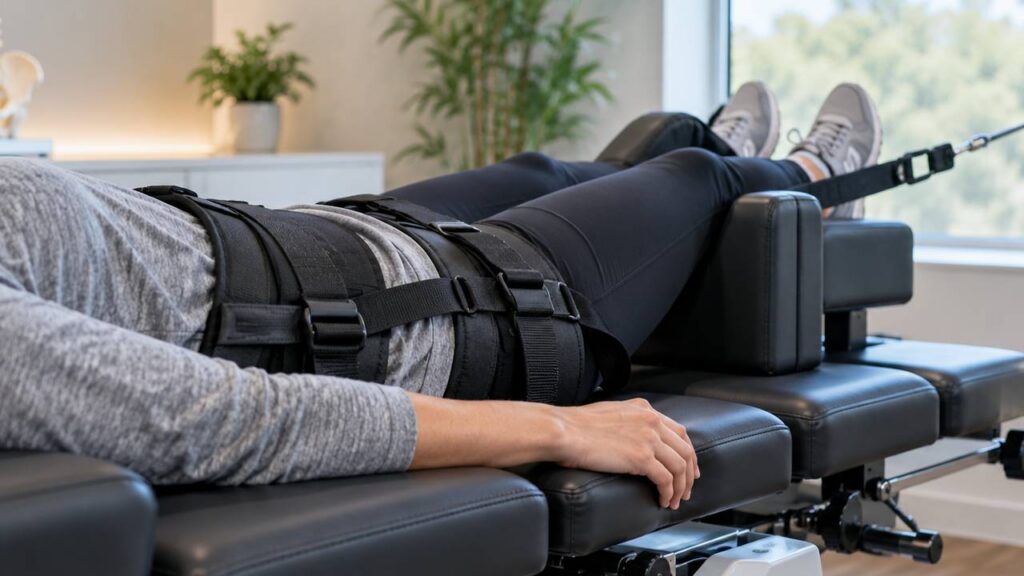

As a local chiropractor, I want to share with you an essential aspect of overcoming back pain: mastering your posture. Many people are unaware that poor posture can place unnecessary strain on your spine, leading to increased discomfort. By learning about proper alignment and making a few simple adjustments in your daily routine, you can significantly alleviate your pain and improve your overall health.
So, what are some specific techniques you can start using today? Let’s dive into some fundamental steps to help you transform your posture and promote lasting relief from back pain. With a little guidance and practice, you can take control of your well-being and experience the benefits of natural healing through chiropractic care.
Understanding the Impact of Poor Posture on Back Health
As your local chiropractor, I want to shed some light on how poor posture can significantly impact your back health, even if you mightn’t be aware of it. When you slouch, hunch, or lean forward, you’re inadvertently placing extra strain on your spine and surrounding muscles. This added pressure can lead to discomfort, stiffness, and even chronic pain over time.
When your posture is off—whether while sitting or standing—the natural curvature of your spine is disrupted. This misalignment forces your body to compensate in ways that create tension and fatigue in your back. You mightn’t feel the effects right away, but these habitual postural issues can lead to serious complications, such as herniated discs or muscle imbalances.
If you frequently experience back pain, it’s essential to consider the role your posture plays in your discomfort. Simple adjustments can make a world of difference. For instance, try to align your ears over your shoulders and keep your feet flat on the ground.
By focusing on maintaining good posture, you can’t only alleviate existing pain but also help prevent future issues.
As your chiropractor, I’m here to guide you on your journey to better back health through natural healing methods, which include posture correction techniques and spinal adjustments. Together, we can work towards enhancing your overall well-being.
The Anatomy of a Healthy Spine
As a local chiropractor, I want to take a moment to help you understand the importance of a healthy spine in relation to back pain relief.
The spine is a remarkable structure with essential curves that provide support for your body and safeguard your nervous system. When you have a clear grasp of how these components function together, it becomes easier to see why maintaining good posture is crucial for your overall well-being.
Spine Structure Overview
As a local chiropractor, I want to share with you the incredible role your spine plays in your overall health and well-being. Your spine is made up of 33 vertebrae that are stacked together to form a flexible column. This structure not only protects your spinal cord but also allows you to move with ease.
Between each vertebra, you’ll find intervertebral discs, which act as natural shock absorbers, providing cushioning for your spine during your everyday activities.
The spine is divided into five distinct regions: cervical, thoracic, lumbar, sacral, and coccygeal. Each of these regions has its own unique functions and characteristics that contribute to your overall mobility and comfort.
Surrounding your spine are ligaments and muscles that provide essential support and stability.
Maintaining a healthy spine is crucial for good posture, balance, and mobility. When your spine is properly aligned, it can significantly impact your overall health and comfort.
I encourage you to explore the importance of spinal health and how chiropractic care can help you achieve and maintain proper alignment. By understanding your spine’s structure and function, you can take proactive steps towards enhancing your well-being naturally.
Curvature Importance Explained
As your local chiropractor, I want to share with you just how crucial spinal curvature is for your overall health and well-being. Your spine has natural curves—cervical, thoracic, and lumbar—that play a vital role in providing structural support, balance, and flexibility.
These curves are designed to absorb shock and evenly distribute your body weight, which helps prevent discomfort and injury. When we slouch or have poor posture, we can disrupt these natural curves, leading to pain and potential long-term issues.
It’s important to be aware of your posture throughout the day. By maintaining proper alignment, you not only support your spine but also improve your mobility and keep your muscles functioning effectively.
I encourage you to incorporate exercises that strengthen your core and back into your routine. This will help you preserve those essential spinal curves and can lead to lasting relief from back pain.
Nerve Function and Health
As a local chiropractor, I want to take a moment to explain how nerve function is intricately connected to your overall health. Your spine is home to crucial nerves that serve as the communication link between your brain and the rest of your body. When the alignment of your spine is disrupted, it can lead to nerve compression, resulting in pain, numbness, or weakness in various areas.
One of the simplest ways to promote proper nerve function is by maintaining good posture. When you sit or stand with correct posture, you support ideal spinal alignment, which helps to keep your nerves healthy and free from interference. This not only helps alleviate discomfort but also enhances your mobility and overall well-being.
Being mindful of your posture throughout your daily activities can have a significant impact on your nerve health. By prioritizing proper alignment, you’re making an investment in a healthier spine and, consequently, a more vibrant life.
Common Posture Mistakes and Their Consequences
As a local chiropractor, I often see patients who may not be aware of how common posture mistakes, such as slouching and an improperly arranged workspace, can significantly impact their comfort and health.
When your spine isn’t aligned correctly and your feet are positioned poorly, it can lead to increased back pain and overall discomfort, affecting your daily life.
It’s essential to understand these posture errors and their potential consequences. By addressing these issues, we can work together to improve your posture and help you find relief and enhance your well-being through natural healing methods.
Slouching and Spine Alignment
As your local chiropractor, I want to take a moment to talk about the impact of slouching on your spine alignment. While it may seem comfortable to hunch over, this position can cause significant problems for your spine over time.
When you slouch, your shoulders round forward, and your lower back loses its natural curvature. This misalignment places undue pressure on your discs, muscles, and ligaments, which can lead to chronic pain and discomfort.
Many of you may experience tightness in your neck and shoulders, or even headaches, which can be traced back to poor posture. Over time, consistently slouching can lead to more serious issues, such as herniated discs or sciatica.
I encourage you to focus on sitting and standing tall, with your head aligned over your spine. Making a habit of maintaining good posture can significantly enhance your spinal health and reduce the likelihood of experiencing back pain.
Improper Desk Ergonomics
As a local chiropractor, I often see the negative effects of improper desk ergonomics on my patients. Many individuals don’t realize how crucial it’s to maintain good posture while working at a desk. Failing to do so can lead to a range of common posture mistakes that may exacerbate back pain and reduce overall productivity.
Here are three common errors I encourage you to avoid:
- Incorrect chair height: If your chair is too high or too low, it can cause unnecessary strain on your back and neck. It’s important to adjust your chair so that your feet are flat on the ground and your knees are at a right angle.
- Monitor position: Positioning your monitor too high or too low can force you to tilt your head, which leads to discomfort over time. Ideally, the top of your monitor should be at or just below eye level, allowing you to keep your neck in a neutral position.
- Poor keyboard placement: If your keyboard is placed too far away, you’ll find yourself reaching awkwardly, which can put stress on your shoulders and wrists. Your keyboard should be close enough to allow your elbows to remain at a comfortable angle, ideally around 90 degrees.
By being mindful of these common errors, you can help prevent pain and improve your comfort while working.
Foot Positioning Issues
As a local chiropractor, I want to share with you the importance of proper foot positioning and how it can significantly impact your posture and overall well-being. Many of my patients are unaware that when you sit or stand, your feet should be flat on the ground and positioned shoulder-width apart.
If you find yourself crossing your legs or letting your feet dangle, this could create an imbalance that puts strain on your back.
Poor foot positioning can lead to misalignment of your spine, which often results in tension and discomfort in your lower back and hips. It’s crucial to be mindful of how you position your feet, as this small adjustment can have a major effect on your posture.
Moreover, the type of footwear you choose plays a vital role in maintaining your body’s natural alignment. Wearing heels or unsupportive shoes can exacerbate these issues, further disrupting your body’s balance.
To improve your posture and reduce discomfort, I encourage you to focus on keeping your feet stable and supported.
Tips for Improving Your Sitting Posture
As a local chiropractor, I want to share some valuable insights on how improving your sitting posture can significantly alleviate back pain and enhance your overall comfort, especially for those of you who spend long hours at a desk.
By making a few simple adjustments to your workspace, you can create a more supportive environment for your spine. Here are three essential tips to help you improve your sitting posture:
- Adjust Your Chair Height: It’s crucial that your feet rest flat on the ground, with your knees positioned at or slightly below hip level. Proper chair height encourages alignment in your body and reduces unnecessary strain on your back.
- Support Your Lower Back: Maintaining the natural curve of your spine is vital for good posture. Consider using a lumbar roll or cushion. This small addition can work wonders in preventing slouching and promoting a healthier sitting position.
- Keep Your Screen at Eye Level: Positioning your computer monitor correctly is key to avoiding strain. The top of your screen should be at or just below eye level. This positioning helps prevent you from leaning forward or looking down, which can lead to neck and back discomfort over time.
By implementing these tips into your daily routine, you’ll likely notice a significant improvement in your comfort levels and a reduction in back pain.
Standing Tall: Techniques for Better Posture
As a local chiropractor, I want to emphasize how vital your standing posture is to your overall health and well-being. Many people don’t realize that how you hold your body can significantly impact everything from your spinal health to your general comfort throughout the day.
To achieve a tall and aligned posture, begin by ensuring your ears are directly over your shoulders and your shoulders are aligned over your hips. It’s important to distribute your weight evenly across both feet, with your toes pointing forward. Engaging your core muscles can provide the stability and support your body needs.
Make it a point to keep your chest open and your shoulders relaxed. Avoid that hunched posture that many of us fall into, especially after long hours of sitting. Visualize a string pulling you upward from the top of your head, which will help to elongate your spine. This small adjustment not only enhances your balance but also alleviates strain on your back.
To develop this awareness in your daily life, consider setting reminders like alarms or sticky notes that encourage you to check and correct your posture frequently.
With consistent practice, you can cultivate a strong, confident stance that supports your health and reduces discomfort. Remember, standing tall goes beyond aesthetics; it plays a crucial role in your body’s overall function and well-being.
If you have any questions or need personalized advice, feel free to reach out!
The Role of Ergonomics in Posture Correction
As a local chiropractor, I want to stress the importance of ergonomics in correcting your posture, which is vital for your overall health and wellness.
By creating a workspace that fosters proper alignment and minimizes strain on your body, you can significantly enhance your posture and comfort.
Here are three essential ergonomic changes you can implement:
- Chair Height: Ensure your chair is adjusted so that your feet rest flat on the floor or on a footrest, with your knees forming a 90-degree angle. This helps to support your lower back and maintain proper spinal alignment.
- Monitor Position: Your computer monitor should be at eye level and about an arm’s length away. This positioning is crucial to prevent unnecessary strain on your neck and shoulders, which can lead to discomfort and tension over time.
- Keyboard and Mouse: Keep your keyboard and mouse within easy reach, so your elbows remain close to your body and your wrists stay straight and relaxed. This can help alleviate strain on your arms and wrists, reducing the risk of repetitive strain injuries.
By implementing these ergonomic adjustments, you can maintain a neutral spine, which is essential for preventing back pain and other musculoskeletal issues.
Remember, prioritizing ergonomics in your daily routine lays the groundwork for lasting improvements in your posture and overall health.
If you have any questions or need further assistance, feel free to reach out to my office for guidance. Your well-being is our priority!
Strengthening Core Muscles for Better Support
As a local chiropractor, I want to emphasize the importance of strengthening your core muscles for better posture and to alleviate back pain. Many people think of their core as just their abdominal muscles, but it actually encompasses all the muscles surrounding your trunk that work to stabilize your spine. When these muscles are strong, they provide essential support, helping to maintain proper alignment and reduce strain on your back.
Incorporating exercises such as planks, bridges, and bird-dogs into your daily routine can be incredibly beneficial. These exercises engage multiple muscle groups and enhance your stability. Even dedicating just a few minutes each day can lead to significant improvements over time.
As your core becomes stronger, you may notice better posture and a decrease in discomfort. It’s also crucial to be mindful of your breathing during these exercises. Proper breathing techniques can enhance muscle engagement and help you stay focused.
Stretching and Flexibility Exercises to Enhance Posture
As a local chiropractor, I want to share with you some valuable insights on how incorporating stretching and flexibility exercises into your daily routine can significantly enhance your posture and alleviate back pain.
Many of my patients are surprised to learn that these simple exercises can help release tension, improve your range of motion, and encourage better body alignment.
Here are three effective stretches that I often recommend:
- Chest Opener: Begin by standing tall and interlacing your fingers behind your back. Gently lift your arms while opening your chest. This exercise is particularly beneficial for those who find themselves slouching throughout the day. Hold this position for 15-30 seconds to counteract that forward hunch.
- Cat-Cow Stretch: Position yourself on all fours, and gently alternate between arching your back up like a cat and dropping your belly down like a cow. This dynamic movement not only enhances spinal flexibility but also helps relieve built-up tension in your back, which is something I frequently address in my practice.
- Forward Bend: Stand with your feet hip-width apart and slowly fold forward, allowing your arms to hang down. This stretch is excellent for lengthening your hamstrings and decompressing your spine, both of which are crucial for maintaining good posture.
By integrating these stretches into your routine, you’ll be taking proactive steps towards improving your posture and overall spinal health.
Mindfulness and Body Awareness in Posture Improvement
As a chiropractor, I want to emphasize the importance of strengthening your mind-body connection to improve your posture.
Many people are unaware of how their body aligns throughout the day, but by practicing mindfulness techniques, you can enhance your awareness of this alignment.
I encourage you to incorporate daily awareness exercises into your routine; this won’t only help you develop better posture habits but also alleviate back pain.
Understanding how your body moves and feels is a crucial step toward natural healing and overall well-being.
Let’s work together to create a healthier posture that supports your spine and enhances your daily life.
Enhancing Mind-Body Connection
As a local chiropractor, I want to emphasize that while improving your posture can significantly reduce back pain, strengthening your mind-body connection is equally crucial in this journey.
By becoming more aware of your body and its alignment, you can create sustainable improvements. Here are three important areas to focus on:
- Breath Awareness: Start by paying attention to your breathing. Engaging in deep, mindful breaths not only keeps you grounded and relaxed but also makes it easier to maintain proper posture throughout your day.
- Body Scanning: Make it a habit to regularly check in with your body. Take a moment to notice any areas of tension or misalignment. When you identify discomfort, consciously adjust your posture to alleviate it, promoting better alignment and overall well-being.
- Mindfulness in Movement: It’s essential to be present during your daily activities. Whether you’re sitting, standing, or walking, focus on how your body feels and moves. This awareness can help reinforce positive posture habits, leading to long-term relief from back pain.
By enhancing your mind-body connection, you’re not only supporting your posture but also paving the way for lasting relief from discomfort.
Techniques for Mindfulness Practice
As a local chiropractor, I want to share some valuable mindfulness practices that can significantly enhance your posture and overall well-being.
One of the foundational techniques you can start with is deep breathing. Make it a habit to inhale deeply through your nose, allowing your belly to expand fully, and then exhale slowly. This simple breathing exercise not only calms your mind but also helps center your body, which is crucial for maintaining good posture.
Another effective practice is the body scan. I encourage you to close your eyes and take a moment to mentally check in with each part of your body. Pay special attention to any areas of tension or discomfort you may feel. This practice is vital as it helps you become aware of any poor posture habits that may be contributing to your discomfort.
Lastly, I recommend integrating mindful sitting and standing into your daily routine. Take time to notice how your body feels in various positions, ensuring that your spine is properly aligned.
Daily Body Awareness Exercises
As a local chiropractor, I often emphasize the importance of body awareness in achieving optimal posture and overall well-being. Many people are unaware of how their daily habits and body alignment can impact their health.
By incorporating simple body awareness exercises into your routine, you can develop a stronger connection with your body and promote better alignment, ultimately reducing discomfort and pain. Here are three effective exercises I recommend:
- Breath Awareness: Take a few minutes each day to focus on your breath. Pay attention to how your chest and abdomen rise and fall. This practice not only calms the mind but also helps you identify any areas of tension in your body that may need attention.
- Posture Check: Throughout your day, pause regularly to assess your posture. Are your shoulders relaxed, or are they hunched? Is your spine aligned, or are you leaning to one side? A quick check can help you make necessary adjustments and prevent strain.
- Movement Exploration: Engage in gentle movements that explore different ranges of motion. By noticing how each position feels in your body, you can become more aware of areas that may feel tight or restricted, allowing you to respond accordingly.
These simple yet effective practices can create a significant positive impact on your posture and overall comfort.
Creating a Posture-Friendly Environment at Home and Work
As a local chiropractor, I want to emphasize how creating a posture-friendly environment at home and work can significantly enhance your comfort and overall health.
It’s essential to prioritize ergonomics in your workspace. Begin by ensuring your chair is adjusted so that your feet rest flat on the floor and your knees are at hip level. Position your monitor at eye level to avoid unnecessary strain on your neck.
At home, consider investing in supportive furniture, such as a firm mattress and cushions that promote proper spinal alignment while sitting or sleeping.
Regularly taking breaks to stretch and change positions throughout the day is crucial, whether you’re working at your desk or relaxing on the couch.
To help you develop better posture habits, consider using reminders like sticky notes or mobile apps. Surround yourself with supportive tools, such as lumbar rolls or standing desks, which can aid in maintaining proper alignment.
These small adjustments can significantly contribute to a more supportive environment, ultimately helping you reduce back pain and promote overall well-being in the long run.
Conclusion
As your local chiropractor, I want to emphasize the importance of mastering your posture to alleviate back pain and improve your overall health. Many people overlook how crucial alignment is to our well-being. By being mindful of your posture, strengthening your core muscles, and incorporating regular stretching into your daily routine, you can significantly reduce discomfort.
Additionally, creating a posture-friendly environment at home and at work is vital. Simple adjustments can make a big difference in how your body feels. Remember, consistent practice is key—not only will it help you find relief from pain, but it will also prevent future issues, leading to a healthier spine and a more active lifestyle.
I encourage you to start implementing these practices today. Your back will certainly thank you for it, and I’m here to support you on your journey to better health through natural healing methods.