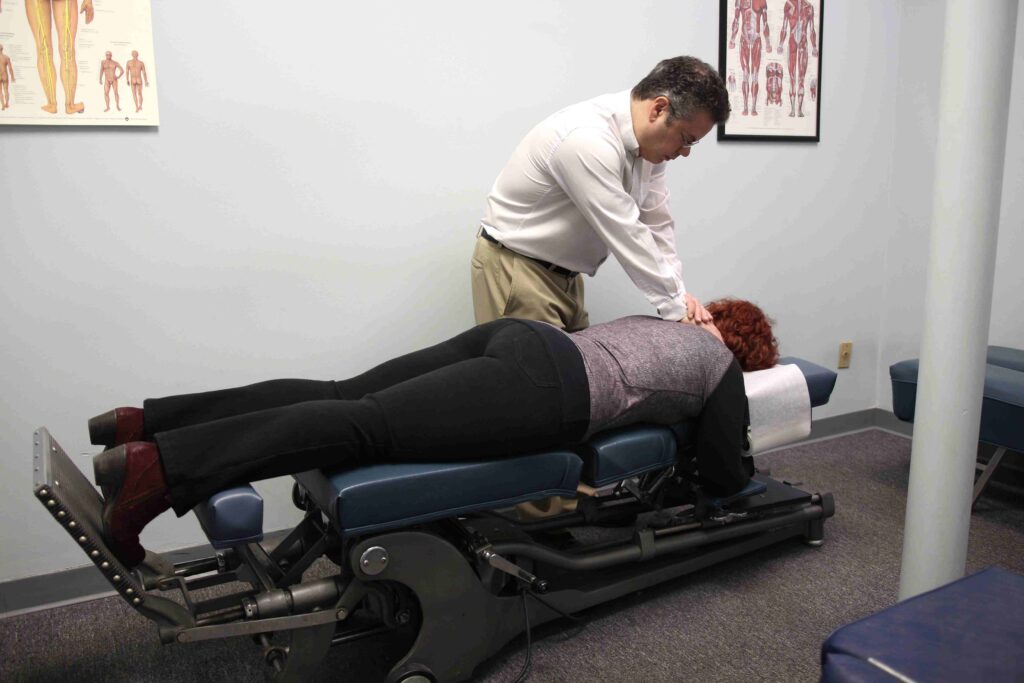

You might not realize it, but prioritizing preventative care can considerably shape your long-term health. By engaging in regular screenings and adopting healthier lifestyle choices, you're not just addressing immediate concerns; you're laying the groundwork for a more resilient future. These proactive steps can lead to cost savings and improved quality of life, but the benefits extend even further. Imagine how these choices could transform your daily routines and overall well-being. What might they mean for your future health trajectory?
Understanding Preventative Care
When it comes to your health, understanding preventative care is vital. Preventative care focuses on measures that help you avoid illnesses and complications before they arise. Instead of waiting for symptoms to show up, you actively engage in maintaining your well-being. This approach can include regular check-ups, vaccinations, screenings, and lifestyle modifications.
You mightn't realize it, but simple actions like getting your annual flu shot or having a cholesterol screening can greatly impact your long-term health. These preventative measures can help you catch potential issues early, allowing for more effective treatment and better outcomes. By prioritizing preventative care, you empower yourself to take charge of your health.
Additionally, understanding the importance of nutrition, physical activity, and stress management plays a vital role in preventative care. Eating a balanced diet, exercising regularly, and finding healthy ways to cope with stress can make a world of difference in your overall health.
These habits help you maintain a healthy weight, reduce the risk of chronic diseases, and enhance your quality of life.
Early Detection of Diseases
Regular screenings are essential for catching diseases early, often before you even notice symptoms.
By identifying asymptomatic conditions, you can take action sooner, improving your chances for effective treatment.
Prioritizing these check-ups can make a significant difference in your long-term health.
Importance of Regular Screenings
Early detection through routine screenings can be a game changer for your health. Regular screenings allow you to catch potential health issues before they become serious, giving you a better chance at successful treatment and recovery.
Whether it's a simple blood test, a mammogram, or a colonoscopy, these preventative measures can help identify problems early on, when they're often easier and less costly to treat.
You might think you're healthy and that screenings aren't necessary, but many conditions can develop without noticeable symptoms. By scheduling regular appointments, you take control of your health and empower yourself with knowledge.
It's not just about finding diseases; it's about understanding your body and maintaining your wellbeing.
Additionally, staying on top of your screenings can lead to a more targeted approach to your healthcare. When you have a clear understanding of your health status, you can work with your doctor to create a personalized plan that addresses your unique risks and needs.
Identifying Asymptomatic Conditions
Many diseases can develop silently, showing no symptoms until they reach advanced stages. This is why identifying asymptomatic conditions is essential for your long-term health. You might feel perfectly fine, but underlying issues could be lurking, waiting to escalate. Regular screenings and check-ups can catch these hidden problems early, allowing for prompt intervention.
For instance, conditions like high blood pressure, high cholesterol, and certain cancers often don't present noticeable symptoms until they're quite advanced. By participating in routine screenings, you empower yourself to take control of your health. It's not just about treating illness; it's about preventing it from becoming a significant concern.
Additionally, being proactive about your health saves you time and money in the long run. Catching a disease early can lead to less aggressive treatments, improved outcomes, and a better quality of life.
Cost Savings Over Time
When it comes to healthcare, investing in preventative care can lead to significant cost savings over time. By focusing on regular check-ups, screenings, and vaccinations, you're likely to catch health issues early, before they escalate into more serious and costly conditions. This proactive approach not only helps maintain your health but also reduces expensive treatments and hospitalizations down the line.
Consider this: a routine screening for high blood pressure or diabetes can provide early warnings that allow you to make lifestyle changes or start medications, preventing the need for more invasive treatments later. The costs associated with managing chronic diseases can add up quickly, often leading to multiple doctor visits, medications, and potentially surgery.
By prioritizing preventative care, you can avoid these expenses and keep your medical bills in check. Additionally, many insurance plans now cover preventative services at little to no cost to you, making it even more economical to take this route. You're not just saving money; you're also investing in your health and well-being. The peace of mind that comes from knowing you're taking steps to prevent illness can be invaluable.
Over time, the financial benefits of preventative care compound. By avoiding major health crises, you save on direct medical costs and gain the flexibility to allocate your resources toward other priorities, whether that's saving for retirement, enjoying family activities, or pursuing personal goals.
Embracing preventative care is a smart financial decision that pays off in more ways than one.
Improved Quality of Life
Investing in preventative care not only offers financial benefits but also greatly enhances your quality of life. When you prioritize regular check-ups, screenings, and vaccinations, you're actively reducing the risk of serious health issues down the line. This proactive approach allows you to feel more in control of your health, which can lead to increased peace of mind.
By staying on top of your health, you're more likely to catch potential problems early. This early detection means you can address issues before they escalate, helping you avoid debilitating conditions that might hinder your daily activities. You'll find that maintaining good health enables you to engage more fully in life, whether it's playing with your kids, pursuing hobbies, or simply enjoying time with friends.
Moreover, good health directly correlates with increased energy levels and improved mental well-being. When you feel physically well, you're more likely to have a positive outlook and a greater sense of happiness. Preventative care also encourages healthier lifestyle choices, such as regular exercise and balanced nutrition, which further boosts your overall quality of life.
Ultimately, investing in preventative care sets the foundation for a vibrant life filled with opportunities. You'll not only experience the immediate benefits of being healthier but also develop habits that foster long-term wellness.
Enhanced Longevity
When you prioritize preventative care, you greatly reduce your risk of chronic diseases, which can lead to a longer, healthier life.
Not only does this enhance your longevity, but it also improves your overall quality of life.
Reduced Chronic Disease Risk
In today's fast-paced world, prioritizing preventative care can markedly reduce your risk of chronic diseases, leading to a longer, healthier life. By focusing on regular check-ups, screenings, and vaccinations, you can catch potential health issues before they escalate into serious conditions like diabetes, heart disease, or cancer.
Staying proactive about your health means understanding your family history and lifestyle factors that might increase your risk. When you engage in preventative measures, such as maintaining a balanced diet, exercising regularly, and managing stress, you create a strong foundation for your health. These actions can markedly lower your chances of developing chronic diseases, ultimately enhancing your longevity.
Regular health assessments help identify risk factors early. For instance, monitoring blood pressure and cholesterol levels can guide you in making necessary lifestyle adjustments. Additionally, addressing issues like obesity or smoking can dramatically decrease your risk for various diseases.
Improved Quality of Life
By prioritizing preventative care, you not only reduce your risk of chronic diseases but also greatly enhance your overall quality of life.
When you take proactive steps toward your health, you empower yourself to live more fully and vibrantly.
Here are three key ways preventative care contributes to an improved quality of life:
- Increased Energy Levels: Regular check-ups and screenings help identify potential health issues early, allowing you to maintain higher energy levels and stay active in your daily life.
- Better Mental Health: Engaging in preventative care often includes mental health assessments and support. This can lead to improved emotional well-being, reducing stress and anxiety.
- Stronger Social Connections: When you feel healthy, you're more likely to engage in social activities. This fosters stronger relationships and a sense of community, further enhancing your overall happiness.
Reduction in Emergency Visits
One of the most significant advantages of preventative care is its ability to reduce emergency visits. When you prioritize regular check-ups, screenings, and vaccinations, you're catching potential health issues before they escalate into emergencies. This proactive approach not only keeps you healthier but also saves time, money, and stress associated with urgent care situations.
Think about it: when you stay on top of your health, you're less likely to face sudden illnesses or injuries that require immediate attention. Regular visits to your healthcare provider allow for early detection of chronic conditions like hypertension or diabetes. By managing these conditions effectively, you're less likely to need emergency interventions, which can be costly and disruptive.
Moreover, preventative care encourages healthier lifestyle choices. You're more likely to engage in regular exercise, maintain a balanced diet, and avoid harmful habits like smoking. These choices further contribute to your overall well-being, decreasing the likelihood of acute health crises.
Additionally, fewer emergency visits mean less strain on healthcare systems. Emergency rooms can become overcrowded, leading to longer wait times and decreased quality of care for everyone. By taking charge of your health through preventative measures, you're not only benefiting yourself but also helping to alleviate the burden on emergency services.
Strengthened Immune System
A strong immune system is essential for maintaining your overall health and well-being. When you invest in preventative care, you're not just taking steps to avoid illness; you're actively boosting your body's defenses against various pathogens.
With a strengthened immune system, you can enjoy a healthier life with fewer sick days and more energy.
Here are three key ways preventative care enhances your immune system:
- Regular Check-ups: Routine health screenings help catch potential issues early, allowing for timely interventions that keep your immune system strong. By identifying and addressing health concerns before they escalate, you reduce the burden on your immunity.
- Vaccinations: Staying up-to-date on vaccinations is a vital aspect of preventative care. Vaccines prepare your immune system to fight off specific diseases, mitigating the risk of severe infections that can drain your body's resources.
- Healthy Lifestyle Choices: Preventative care encourages you to adopt healthier habits, such as balanced nutrition, regular exercise, and adequate sleep.
These lifestyle choices not only support your immune system but also improve your overall physical and mental health.
Increased Productivity
Strong immunity not only protects your health but also plays a significant role in boosting productivity. When you prioritize preventative care, you're investing in your immune system, which helps you fend off illnesses that can interrupt your daily life. Fewer sick days mean you can focus more on your work and personal projects, leading to consistent performance and progress.
Imagine starting your day feeling energized and ready to tackle your tasks. With a robust immune system, you're less likely to experience fatigue or mental fog, allowing you to maintain high levels of concentration. This sharp focus translates into better decision-making and heightened creativity, which are essential for success in any field.
Moreover, when you're healthy, you're more likely to engage in activities that enhance your skills and knowledge, contributing to professional growth. Regular exercise and a balanced diet, which are fundamental aspects of preventative care, improve not just your physical health but also your mental clarity. This holistic approach keeps you agile and responsive in a fast-paced work environment.
Lastly, a healthy lifestyle fosters resilience. You'll find it easier to bounce back from setbacks, enabling you to stay motivated and persistent in achieving your goals.
In short, by investing in your immunity through preventative care, you're setting yourself up for sustained productivity, ensuring that you can perform at your best, day in and day out.
Greater Health Awareness
How can greater health awareness transform your life? It empowers you to make informed choices that can lead to a healthier, happier existence.
By understanding your body and the factors affecting your health, you can take control and prioritize your well-being. Here are a few key benefits of increasing your health awareness:
1. Proactive Decision Making: When you're aware of potential health risks, you're more likely to take preventive measures.
You'll recognize the importance of regular check-ups, screenings, and vaccinations, helping you catch health issues before they escalate.
2. Informed Lifestyle Choices: Increased awareness helps you understand the impact of your daily habits on your health.
You'll be more inclined to choose nutritious foods, engage in physical activity, and manage stress effectively, all of which contribute to long-term health.
3. Enhanced Communication with Healthcare Providers: Knowing your health history and understanding your body allows you to engage in more fruitful discussions with your doctors.
You'll ask relevant questions and advocate for your needs, ensuring you receive personalized care.
Building Healthy Habits
Building healthy habits starts with integrating them into your daily routine.
By setting achievable goals, you can create a realistic path to success.
Remember to track your progress regularly to stay motivated and make adjustments as needed.
Daily Routine Integration
Incorporating healthy habits into your daily routine can make a notable difference in your overall well-being.
By integrating simple practices into your day, you not only improve your physical health but also boost your mental clarity and emotional resilience.
Here are three ways to seamlessly weave healthy habits into your life:
- Morning Stretching: Start your day with a few minutes of stretching. This will increase blood flow, enhance flexibility, and prepare your body for the day ahead.
- Mindful Eating: Make a conscious effort to enjoy your meals without distractions. This will help you appreciate your food, recognize hunger cues, and prevent overeating.
- Evening Wind-Down: Allocate time each night to unwind. Whether it's reading a book, meditating, or practicing deep breathing, this routine can notably improve your sleep quality.
Setting Achievable Goals
Healthy habits are easier to maintain when you set achievable goals. Instead of overwhelming yourself with lofty aspirations, break down your objectives into smaller, manageable steps. Start by identifying one or two areas you want to improve, like drinking more water or exercising regularly.
Make these goals specific. Instead of saying, "I'll exercise more," aim for, "I'll walk for 30 minutes three times a week." This clarity helps keep you focused and motivated.
Next, verify your goals are realistic. Consider your current lifestyle and commitments. If you're just starting out, it might be more feasible to commit to two workouts a week rather than five.
Don't forget to celebrate your milestones, no matter how small. Each time you reach a goal, take a moment to appreciate your progress. This positive reinforcement will keep you motivated and reinforce your commitment to healthy habits.
Tracking Progress Regularly
Tracking your progress regularly is essential for maintaining and building healthy habits. When you actively monitor your advancements, you're more likely to stay motivated and make necessary adjustments.
Here are three effective ways to track your progress:
- Journaling: Write down your daily activities, meals, and feelings. This helps you identify patterns and areas needing improvement.
- Using Apps: There are plenty of health and fitness apps available that allow you to log workouts, track food intake, and even measure your mood. These digital tools can provide insights and reminders that keep you on track.
- Setting Checkpoints: Schedule regular intervals to assess your goals. Whether it's weekly, monthly, or quarterly, reflecting on your achievements helps you celebrate successes and readjust strategies when needed.
Conclusion
Incorporating preventative care into your routine can transform your health and well-being. By prioritizing regular screenings, vaccinations, and healthy lifestyle choices, you not only detect potential issues early but also save money in the long run. You'll likely enjoy a higher quality of life, increased longevity, and a stronger immune system. Embracing these habits fosters greater health awareness and boosts your productivity, empowering you to live your best life. Start today for a healthier tomorrow!