
If you're struggling with back pain, you might wonder how expert care can make a difference. Understanding the root causes is the first step, but knowing what treatment options are available can be just as essential. From chiropractic adjustments to physical therapy, these tailored approaches can considerably alleviate your discomfort. Yet, it's not just about immediate relief; the right expert care can set you on a path to long-term wellness. So, what specific techniques and therapies should you consider for effective relief?
Understanding Back Pain Causes
Back pain can stem from various causes, and understanding these can help you find relief. Often, it's the result of poor posture, especially if you spend long hours sitting at a desk or slouching while using your phone.
If you notice discomfort after a day of poor alignment, you might want to reevaluate your seating and standing habits.
Injuries from sports or accidents can also lead to back pain. Whether it's a sprain, strain, or a more severe injury like a herniated disc, these issues can cause significant discomfort.
If you've recently experienced an incident that left you sore, it's essential to pay attention to your body's signals.
Muscle imbalances due to repetitive movements can contribute to chronic back issues, too. If your work or hobbies require you to perform the same motions repeatedly, you may strain certain muscles while neglecting others.
This imbalance can lead to pain over time.
Additionally, conditions like arthritis or osteoporosis can play a role in back pain as well. These age-related issues can weaken your spine and make you more susceptible to discomfort.
Lastly, emotional stress can manifest physically, leading to muscle tension in your back. If you find yourself stressed or anxious often, it might help to explore relaxation techniques.
Importance of Seeking Expert Care
Seeking expert care is essential when dealing with persistent back pain. You might think that rest or over-the-counter pain medications are enough to resolve your discomfort, but ignoring the underlying issues can lead to more considerable problems down the line.
When you consult a professional, you're not just addressing the symptoms; you're tackling the root causes of your pain.
Here are some reasons why seeking expert care matters:
- Personalized Treatment Plans: Experts tailor their approach to your specific condition, ensuring you receive the most effective care.
- Preventing Further Injury: Without proper guidance, you risk worsening your injury or developing new issues.
- Access to Advanced Techniques: Professionals have access to specialized tools and methods that can greatly enhance your recovery.
- Emotional Support: Chronic pain can take a toll on your mental health. Experts can provide reassurance and coping strategies to help you through tough times.
Physical Therapy Techniques
When it comes to relieving back pain, physical therapy techniques can make a significant difference.
You'll find that manual therapy approaches, strengthening exercise programs, and posture correction techniques all play essential roles in your recovery.
Let's explore these methods and how they can help you regain strength and comfort.
Manual Therapy Approaches
Manual therapy techniques play an essential role in alleviating back pain by improving mobility and reducing muscle tension. These hands-on approaches include various methods that target the muscles, joints, and soft tissues of your back. By engaging in manual therapy, you can experience relief from discomfort while enhancing your overall physical function.
Consider the emotional benefits you might gain from these techniques:
- Regain Control: Feel empowered as you take steps to manage your pain.
- Boost Your Mood: Experience a lift in spirits as you find relief from chronic discomfort.
- Enhance Your Quality of Life: Enjoy activities you once avoided due to back pain.
- Strengthen Your Connection: Build a trusting relationship with your therapist, fostering a supportive environment for healing.
Manual therapy can include techniques like soft tissue mobilization, joint manipulation, and myofascial release. These approaches aim to relax tight muscles, mobilize stiff joints, and improve blood circulation.
Strengthening Exercise Programs
Strengthening exercise programs are essential for managing back pain and enhancing overall spinal health. When you incorporate these exercises into your routine, you build the muscles that support your spine, reduce strain on your back, and improve your posture.
Start with core-strengthening exercises, as a strong core stabilizes your spine and alleviates pressure on your back muscles. Focus on exercises like planks, bridges, and pelvic tilts. These movements engage your abdominal and lower back muscles.
As you progress, consider adding resistance training to further challenge your muscles. Incorporating exercises for your hips and legs can also provide additional support to your back.
Consistency is key. Aim for at least two to three sessions a week, and gradually increase the intensity as your strength improves. Always listen to your body—if an exercise causes pain, modify it or consult with a physical therapist. They can tailor a program specific to your needs.
Posture Correction Techniques
Improving your posture can greatly enhance the benefits of your strengthening exercise program and further alleviate back pain.
It's crucial to be mindful of your body alignment throughout the day. By incorporating posture correction techniques, you'll not only feel better physically but also boost your confidence and overall well-being.
Here are some techniques to help you correct your posture:
- Engage your core: Strengthening your abdominal muscles supports your spine and helps maintain an upright position.
- Adjust your workspace: Verify your chair, desk, and computer screen are at the right height to promote an ergonomic setup.
- Practice mindful standing: Distribute your weight evenly on both feet and avoid locking your knees for better balance.
- Stretch regularly: Incorporate stretches into your routine to alleviate tightness in muscles that may contribute to poor posture.
Benefits of Chiropractic Adjustments
Chiropractic adjustments can be a game-changer for your back pain.
They not only offer effective pain relief but also improve your mobility and flexibility.
Plus, these adjustments contribute to your overall wellness, helping you feel your best.
Pain Relief Mechanism
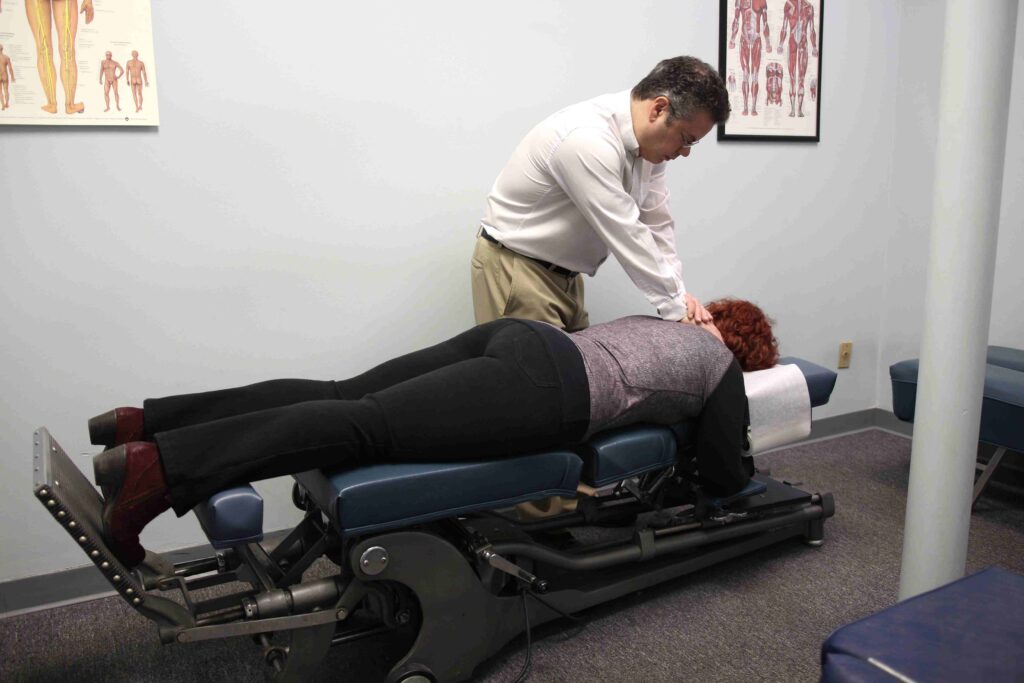
Many people find relief from back pain through chiropractic adjustments, which focus on restoring proper alignment and function to the spine. These adjustments help alleviate pressure on nerves, improve blood flow, and enhance overall spinal health.
When your spine's in alignment, you'll likely experience reduced pain and discomfort, allowing you to engage in daily activities more fully.
Consider the emotional benefits of these adjustments:
- Freedom from pain: Imagine waking up without that nagging discomfort.
- Improved mood: Less pain often leads to a brighter outlook on life.
- Enhanced energy: With reduced pain, you'll feel more energized and ready to tackle your day.
- Regaining control: Chiropractic care empowers you to take charge of your health.
Through these adjustments, you're not just addressing symptoms; you're working towards long-term wellness.
Your chiropractor tailors each session to your specific needs, ensuring you receive the best possible care. This personalized approach means you're on a path to not only relieve back pain but to enhance your overall quality of life.
Improved Mobility and Flexibility
When your spine aligns properly, you can experience a remarkable increase in mobility and flexibility. Chiropractic adjustments target misalignments, which often restrict your movement. By restoring proper alignment, you'll find it easier to perform daily tasks and enjoy physical activities without discomfort.
Improved mobility means you can bend, twist, and reach with greater ease. This newfound range of motion can enhance your performance in sports or even during simple chores around the house. You'll notice that activities you once found challenging become more manageable and enjoyable.
Flexibility is equally important. As your spine aligns, the surrounding muscles and ligaments can function effectively, reducing stiffness and tension. You might notice you can stretch further and hold positions longer without pain. This improvement not only boosts physical performance but also aids in preventing future injuries.
Regular chiropractic care can help maintain this enhanced mobility and flexibility over time. By addressing underlying issues and keeping your spine in alignment, you'll promote a more active lifestyle.
Ultimately, embracing chiropractic adjustments can lead to a more dynamic and fulfilling life, allowing you to move freely and confidently.
Enhanced Overall Wellness
Revealing the benefits of chiropractic adjustments goes beyond just pain relief; it can greatly enhance your overall wellness. When you choose chiropractic care, you're investing in your long-term health. Regular adjustments can lead to remarkable improvements in various aspects of your life.
You may experience:
- Improved Sleep Quality: Say goodbye to restless nights and wake up feeling refreshed.
- Increased Energy Levels: Feel more vibrant and ready to tackle your day.
- Enhanced Immune Function: Strengthen your body's defenses, helping you fend off illness.
- Better Stress Management: Find a sense of calm and balance in your daily life.
Chiropractic adjustments help align your spine, allowing your nervous system to function efficiently. This can lead to better communication between your body and brain, resulting in improved physical and mental health.
You'll not only notice fewer aches and pains but also a heightened sense of well-being. Incorporating regular chiropractic care into your routine can empower you to live your best life, free from the limitations of pain and discomfort.
Embrace this holistic approach and reveal your full potential today!
Alternative Therapies for Relief
Exploring alternative therapies can open up new avenues for relieving back pain. These approaches often emphasize holistic healing and can complement traditional treatments.
One popular option is acupuncture, where trained practitioners insert thin needles into specific points on your body. This method can help alleviate pain by promoting circulation and releasing endorphins.
Chiropractic care is another effective alternative. Chiropractors manipulate the spine to restore proper alignment, which can relieve pressure on nerves and reduce discomfort. Many people report considerable improvements in mobility and pain levels after just a few sessions.
You might also consider physical therapy, focusing on tailored exercises to strengthen your back and improve flexibility. A skilled therapist can help you develop a personalized regimen that addresses your unique needs and conditions.
Massage therapy is another powerful tool. Whether through deep tissue techniques or gentle relaxation methods, massage can reduce muscle tension and promote relaxation, which may notably alleviate your back pain.
Yoga and Pilates are excellent for enhancing core strength and flexibility, both of which support your spine. Regular practice can also help you develop better posture, reducing the likelihood of future pain.
Lastly, mindfulness and meditation can help manage stress, which often exacerbates pain. By learning to focus and relax, you can create a mental environment that supports your body's healing processes.
Embracing these alternative therapies can lead to a holistic approach to your back pain relief journey.
Medications and Pain Management
While alternative therapies can provide significant relief from back pain, medications play an essential role in managing discomfort and improving your quality of life. Understanding your options allows you to tackle pain effectively and regain control over your daily activities.
Pain relievers, muscle relaxants, and anti-inflammatory medications can help you find relief, but it's important to consult with your healthcare provider to determine the best course of action.
You might feel overwhelmed by the variety of medications available, but knowing what to expect can ease your concerns. Here's a quick overview of some common types of medications and their benefits:
- Over-the-counter pain relievers: These can provide immediate relief and help you manage pain during daily tasks.
- Prescription medications: If your pain is severe, your doctor may prescribe stronger medications tailored to your needs.
- Muscle relaxants: These help ease muscle spasms, allowing you to move more freely and comfortably.
- Topical treatments: Creams and patches can be applied directly to the skin, targeting pain without systemic side effects.
Lifestyle Changes for Prevention
Making a few lifestyle changes can greatly reduce your risk of developing back pain and help maintain a healthy spine. Start by incorporating regular exercise into your routine. Focus on activities that strengthen your core, as a strong core supports your spine.
Consider low-impact exercises like swimming, walking, or yoga, which can improve flexibility and reduce tension in your back.
Pay attention to your posture throughout the day. Whether you're sitting at your desk or lifting objects, maintaining proper alignment is essential. Keep your feet flat on the ground, your back straight, and avoid slumping.
When lifting, bend your knees and keep the object close to your body to prevent strain on your back.
Evaluate your sleeping habits as well. Invest in a supportive mattress and pillows that keep your spine aligned while you sleep. Try to sleep on your side or back, as these positions are less likely to cause discomfort compared to sleeping on your stomach.
Finally, maintain a healthy weight. Excess weight can put additional strain on your spine, leading to pain over time. Focus on a balanced diet rich in nutrients and stay hydrated to support overall health.
Creating a Personalized Care Plan
Creating a personalized care plan for back pain involves evaluating your unique needs and circumstances to develop effective strategies for relief and prevention. You'll want to take into account your lifestyle, medical history, and daily activities to tailor a plan that works specifically for you.
Start by consulting with a healthcare professional who understands your condition and can guide you in creating a thorough approach.
Your care plan should include a mix of treatments, exercises, and lifestyle modifications. Here are some crucial components to keep in mind:
- Physical Therapy: Working with a physical therapist can help you strengthen your back and improve flexibility.
- Pain Management Techniques: Explore options such as acupuncture, massage therapy, or chiropractic care to alleviate pain.
- Exercise Regimen: Incorporate low-impact activities like swimming or walking to maintain mobility without straining your back.
- Nutrition: Focus on a balanced diet that supports overall health and reduces inflammation.
As you implement your personalized care plan, keep track of your progress and adjust as necessary.
It's important to stay committed and patient, as healing takes time. Remember, you're not alone on this journey; support from friends, family, or support groups can make a significant difference.
Embrace the process, knowing that each small step brings you closer to relief and a healthier, pain-free life. Your back deserves the care and attention only you can provide.
Conclusion
In summary, addressing back pain with expert care is essential for effective relief and long-term wellness. By understanding the causes and seeking personalized treatment, you can benefit from techniques like chiropractic adjustments, physical therapy, and alternative therapies. Don't forget the importance of lifestyle changes and a tailored care plan to prevent future issues. Take charge of your health today, and don't let back pain hold you back from living your best life.