As a local chiropractor, I want to emphasize the importance of a holistic approach when it comes to recovering from sports injuries naturally. First and foremost, prioritizing rest is crucial—it’s essential to listen to your body and allow it the time it needs to heal. However, rest is only the beginning of the recovery journey.
Nutrition is another key component that cannot be overlooked. The right nutrients are vital for healing, and I encourage my patients to focus on a balanced diet rich in vitamins and minerals that support tissue repair. Staying well-hydrated is equally important, as it helps your body function optimally during the recovery process.
In addition to nutrition and hydration, gentle exercises are beneficial for restoring mobility without putting unnecessary strain on your body. As a chiropractor, I can guide you through specific movements and stretches tailored to your injury, ensuring that you regain strength and flexibility safely.
If you’re interested in learning more about how these elements contribute to a comprehensive recovery, I’m here to help you understand the process and support your healing journey. Let’s work together to get you back to your favorite activities!
Understanding the Importance of Rest and Recovery
As a local chiropractor, I want to emphasize the vital importance of rest and recovery when dealing with a sports injury. It may be tempting to jump back into your regular activities, but skipping the essential recovery phase can lead to extended healing times and even more serious complications. Your body requires adequate time to repair damaged tissues, reduce inflammation, and regain strength. Ignoring these signals can increase your risk of re-injury or developing chronic issues.
Listening to your body is crucial. It’s important to recognize its needs during this healing process. Taking a break doesn’t necessarily mean complete inactivity; gentle movements or low-impact exercises can help maintain your mobility without putting too much strain on your body.
Additionally, never underestimate the power of sleep—it’s during this restorative period that your body is actively working to heal itself.
I recommend creating a comprehensive recovery plan that includes scheduled rest days along with light activities. This balanced approach will keep you motivated while ensuring your body receives the care it deserves.
The Role of Nutrition in Healing
As a local chiropractor, I want to emphasize the crucial role nutrition plays in your recovery from sports injuries. Many people aren’t aware that what you eat and drink can significantly impact your healing process. By focusing on essential nutrients and ensuring you stay well-hydrated, you can enhance the effectiveness of your recovery.
In chiropractic care, we often address the structural and functional aspects of your body, but we also recognize that nutrition is a key component of holistic healing. Proper nutrition provides your body with the necessary building blocks to repair tissues, reduce inflammation, and support overall wellness.
Let’s take a closer look at how certain foods can aid your recovery journey. Incorporating a balanced diet rich in vitamins, minerals, and protein can help speed up the healing process.
Additionally, staying hydrated is vital, as it helps maintain joint lubrication and supports circulation, which are both important for recovery.
By combining chiropractic adjustments with a focus on nutrition, you can optimize your healing and get back to your active lifestyle more efficiently.
Essential Nutrients for Recovery
As a local chiropractor, I want to emphasize how crucial proper nutrition is while you’re healing from a sports injury. The right nutrients can significantly enhance your recovery process. One of the key players in this is protein, which is vital for repairing tissues. I encourage you to include sources like lean meats, fish, beans, and nuts in your meals.
Moreover, vitamins C and E are vital for your body’s collagen formation and for reducing inflammation. To ensure you’re getting these important vitamins, make it a habit to consume a variety of fruits and vegetables.
Omega-3 fatty acids, which you can find in fish and flaxseeds, are also beneficial as they help to fight inflammation.
Let’s not overlook essential minerals like zinc and magnesium, which are important for muscle function and overall recovery. By focusing on these nutrients, you’re giving your body the necessary support to heal effectively and efficiently.
Hydration and Healing Process
As your local chiropractor, I want to emphasize the importance of staying well-hydrated during your recovery from a sports injury. Water is crucial for nearly every function in your body, and proper hydration plays a key role in your healing process. It helps transport essential nutrients, eliminate waste, and maintain healthy cells, all of which are vital for recovering from an injury.
When you’re dehydrated, your body can struggle to repair tissues, leading to increased pain and inflammation, which can hinder your progress. I encourage you to drink plenty of water throughout the day, particularly before, during, and after any physical activity.
Additionally, consider incorporating hydrating foods, such as fruits and vegetables, into your diet to further support your hydration levels.
Don’t forget about electrolytes, like sodium and potassium, especially if you’ve been sweating a lot. These minerals help balance fluid levels in your body and are important for optimal recovery.
Staying Hydrated: Why It Matters
As a local chiropractor, I want to emphasize the critical role hydration plays in your body’s recovery process, especially when it comes to healing from sports injuries.
When you maintain proper hydration, your cells operate at their best, which significantly supports the healing process. Water is essential for transporting nutrients throughout your body, eliminating waste, and keeping your joints lubricated—all of which are crucial for recovery.
If you overlook your hydration needs, you may face increased inflammation and slower healing times. Dehydration can lead to muscle cramps and fatigue, which can impede your recovery efforts.
It’s important to make it a routine to drink water consistently throughout the day, particularly before, during, and after any physical activity.
Be attentive to your body’s cues; feeling thirsty is a clear sign that you need to replenish your fluids.
While sports drinks can be helpful during intense workouts, plain water is typically sufficient for everyday hydration.
A simple way to gauge your hydration status is by aiming for clear urine, which indicates that you’re well-hydrated.
Gentle Stretching and Strengthening Exercises
As your local chiropractor, I want to emphasize the importance of gentle stretching and strengthening exercises in your recovery journey after an injury.
These exercises are crucial for restoring your mobility and enhancing your overall well-being. By concentrating on specific muscle activation, you can safely regain strength while minimizing the risk of further injury.
It’s important to approach recovery with a gradual progression strategy. This means slowly increasing the intensity and complexity of your exercises as your body adapts, ensuring a safe and effective healing process.
Importance of Mobility
As a local chiropractor, I want to emphasize the critical role mobility plays in your recovery from a sports injury. During rehabilitation, it’s essential to engage in gentle stretching and strengthening exercises. These activities not only help maintain flexibility in your joints but also keep your muscles strong, which minimizes stiffness and reduces the risk of further injuries.
Incorporating simple movements—such as arm circles or leg lifts—can significantly enhance blood circulation, promoting healing in the affected areas. It’s crucial to listen to your body throughout this process; pushing yourself too hard can be counterproductive. Adjusting the intensity of your exercises based on how you feel is vital for your recovery.
As you gradually work to increase your range of motion, you’ll also build confidence in your ability to return to your sport. Remember, consistency is essential. By prioritizing mobility in your recovery plan, you’re establishing a foundation for a smoother healing process and a stronger comeback to your athletic pursuits.
Stay committed to your rehabilitation, and you’ll witness the progress you’re aiming for. If you have any questions about how chiropractic care can assist in your recovery, don’t hesitate to reach out. Your journey to optimal health and performance starts here!
Targeted Muscle Activation
As a local chiropractor, I want to share some valuable insights on how to effectively recover from sports injuries through targeted muscle activation. It’s essential to approach the healing process with gentle stretching and strengthening exercises tailored to your specific needs.
First, identify the area of your injury and focus on the surrounding muscles to enhance healing. Incorporating gentle stretches can significantly improve flexibility and alleviate tension.
For example, if you’ve experienced a hamstring injury, light stretches such as standing or seated forward bends can be beneficial. These movements help maintain mobility while your body heals.
Once you feel ready, it’s important to integrate strengthening exercises to bolster muscle stability. Simple actions like leg raises or wall sits can effectively rebuild strength without putting too much strain on your injured area.
Always listen to your body during this process; if you encounter pain, it’s crucial to ease off and allow yourself time to recover.
By gradually introducing these targeted exercises, you can restore function and reduce the likelihood of future injuries. This holistic approach won’t only help you heal but also support a smoother transition back to your favorite activities.
Gradual Progression Techniques
As you embark on your recovery journey, it’s crucial to understand the importance of gradual progression techniques in safely regaining your strength and flexibility.
I encourage you to start with gentle stretching exercises that can enhance your range of motion. Focus on the area that’s been injured, holding each stretch for about 15-30 seconds, and repeat this process 2-3 times to ensure you’re getting the most benefit.
Once you feel more comfortable with your stretching routine, it’s time to integrate some light strengthening exercises. Utilizing resistance bands or simply your body weight can be effective for performing basic movements like leg lifts or wall pushes.
Aim for 2-3 sets of 10-15 repetitions, and remember to gradually increase the intensity as you become stronger.
Listening to your body is paramount; if you experience any pain, be sure to ease off. Consistency in your efforts will be a key factor in your recovery.
By progressing slowly and mindfully, you can enhance your healing process and significantly reduce the risk of re-injury, allowing you to return to your favorite activities with confidence and safety.
If you have any questions or concerns along the way, don’t hesitate to reach out for guidance.
Alternative Therapies for Injury Recovery
As a local chiropractor, I want to share some valuable insights about alternative therapies that can significantly aid your recovery from sports injuries. Many patients are unaware of how these natural approaches can enhance traditional treatments and promote faster healing.
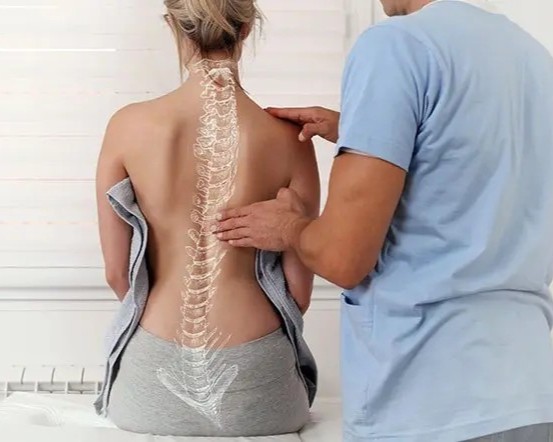
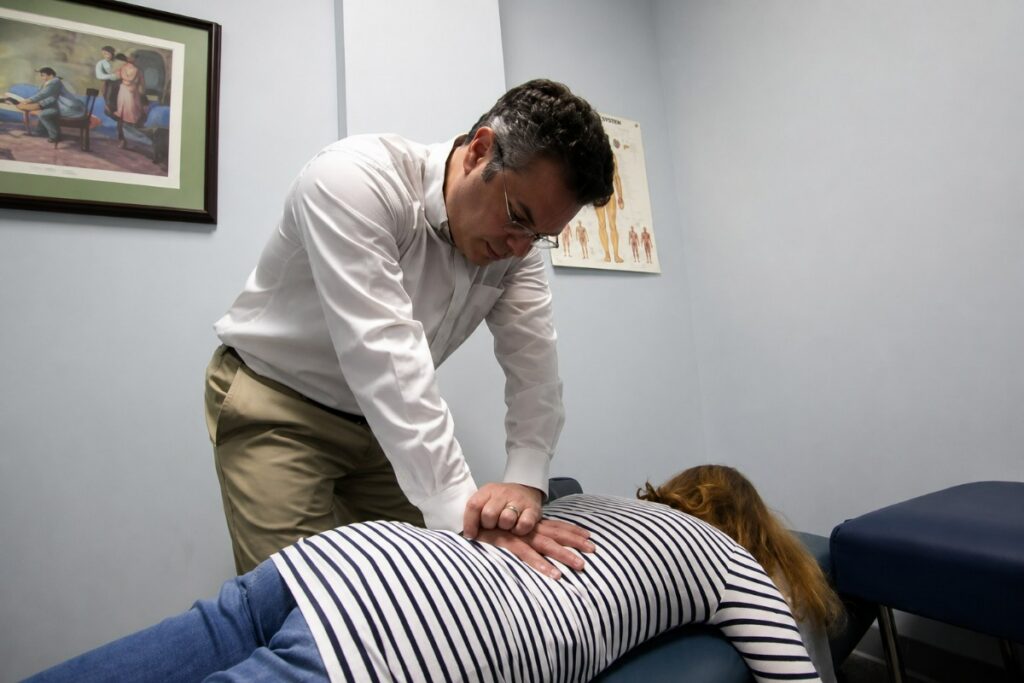
Chiropractic care focuses on aligning your body properly, which is crucial for optimal function and reducing discomfort. By realigning your spine and joints, we can help alleviate pain and improve your overall mobility, allowing you to get back to your favorite activities more quickly.
In addition to chiropractic adjustments, I often recommend complementary therapies like acupuncture, which is effective in reducing pain and inflammation. This can be particularly beneficial for those dealing with sports injuries.
Physical therapy techniques, such as ultrasound or electrical stimulation, may also be part of your recovery plan to stimulate healing in injured tissues.
Herbal remedies, like arnica or turmeric, are natural options that can assist in minimizing pain and swelling. Furthermore, massage therapy can play a vital role in enhancing circulation and promoting relaxation, both of which are essential for a successful recovery.
Integrating these alternative therapies into your healing routine can offer a holistic approach to your recovery. My goal is to help you return to your sport not just healed, but stronger and more resilient than before.
The Benefits of Mindfulness and Stress Reduction
As a local chiropractor, I want to share how mindfulness and stress reduction techniques can significantly enhance your recovery from sports injuries. These practices promote not only your mental well-being but also your physical healing.
When you focus on the present moment through mindfulness, you can effectively reduce anxiety and negative thoughts surrounding your injury. This change in mindset can play a crucial role in accelerating your recovery process.
Incorporating stress-reduction methods, such as meditation or deep-breathing exercises, can help lower cortisol levels in your body. Lower cortisol levels can facilitate more effective healing, as high stress can impede your recovery.
By calming your mind, you create a nurturing environment for your body to heal. Furthermore, being attuned to your body’s signals is essential in finding the right balance between rest and activity, which can help prevent further injuries.
By integrating mindfulness into your daily routine, you’ll not only enhance your mental state but also support your overall physical recovery. Embracing these techniques can foster a more resilient mindset, empowering you to bounce back stronger than ever.
As your chiropractor, I encourage you to explore these natural healing methods to aid in your recovery journey.
Utilizing Heat and Cold Therapy
As a local chiropractor dedicated to helping you understand natural healing techniques, I want to share the benefits of using heat and cold therapy for managing pain and promoting healing, especially following sports injuries.
Cold therapy, such as ice packs, is particularly effective immediately after an injury. It works by reducing inflammation and numbing sharp pain. I recommend applying ice for 15-20 minutes every few hours during the first 48 hours post-injury. Just remember to use a cloth barrier to protect your skin from frostbite.
Once the initial swelling has subsided, heat therapy becomes an excellent option. Applying a heating pad or a warm towel for 15-20 minutes can help relax tight muscles and improve blood circulation, which supports the healing process.
I suggest using heat before engaging in any physical activities to help loosen your muscles and prepare your body for movement.
Incorporating both heat and cold therapy into your recovery routine can significantly enhance your healing experience and help you get back to your active lifestyle more quickly.
If you have any questions or need personalized guidance, feel free to reach out during your next visit!
Listening to Your Body: Signs of Progress and Setbacks
As a local chiropractor dedicated to your health and recovery, I want to emphasize the importance of listening to your body as you navigate the healing process from a sports injury.
It’s essential to pay close attention to how you feel during and after physical activities. If you notice a decrease in pain or an increase in your flexibility, these are positive signs that you’re making progress. On the flip side, if you experience heightened pain, swelling, or stiffness, it could indicate that you’re pushing your body too hard or too soon.
Moreover, consider your energy levels. Feeling fatigued can be a clear signal that your body requires more time to heal. Remember, rest is just as vital as any rehabilitation exercises you might be doing. Don’t hesitate to take breaks when you feel it’s necessary.
I also recommend keeping a journal to document your recovery journey; this can be a valuable tool in recognizing patterns in your healing progress.
Ultimately, trusting your instincts and honoring your body’s signals will foster a more effective and sustainable recovery. As your chiropractor, I’m here to support you through this process and help you understand the natural healing methods that can benefit you.
Conclusion
As a local chiropractor, I want to share some valuable natural recovery methods that can significantly aid your healing process from sports injuries. First and foremost, it’s essential to prioritize rest to give your body the opportunity to recover fully. Alongside rest, nourishing your body with wholesome, nutrient-rich foods and maintaining proper hydration will support your healing journey.
Gentle exercises can play an important role in your recovery, helping to restore movement and flexibility without putting undue stress on your injury. Additionally, I encourage you to explore alternative therapies, such as chiropractic adjustments, which can help realign your body and alleviate pain.
Mindfulness techniques can also be beneficial. They can help reduce stress and cultivate a positive mindset, which are crucial components of the healing process. Remember to always listen to your body—it’s vital to acknowledge its signals and celebrate the small victories as you progress toward a full recovery. Embracing these natural methods can help you heal more effectively and may even prevent future injuries.