
If you're dealing with back pain in Charlotte, you're not alone, and there are several strategies to help you find relief. From local chiropractic services that tailor treatments to your needs, to community classes that focus on flexibility and strength, options abound. You might also consider how your workspace setup could be contributing to discomfort. But before you make any changes, it's important to understand the root of your pain and how different approaches can work together. What if the solution lies in a combination of techniques you haven't yet explored?
Understand Your Back Pain
Back pain can feel like a heavy weight dragging you down, but understanding its causes is the first step toward relief. You might experience back pain for various reasons, and pinpointing the specific cause is essential for effective treatment. Common culprits include poor posture, muscle strain, injuries, or even underlying medical conditions like arthritis or herniated discs.
Pay attention to your daily habits. If you sit for long hours without proper support, your spine mightn't be aligned correctly, leading to discomfort. Similarly, if you lift heavy objects without using your legs, you could put unnecessary strain on your back. Identifying these habits can help you make changes that reduce your pain.
Consider your physical activities, too. If you're not used to exercising, jumping into high-intensity workouts might lead to muscle strain. On the flip side, a sedentary lifestyle can weaken your muscles, making you more susceptible to pain. It's important to find a balance that works for you.
Also, don't overlook emotional factors. Stress and anxiety can manifest as physical tension in your back. Recognizing the connection between your mental state and physical pain can empower you to seek holistic solutions.
Finally, if your back pain persists or worsens, consulting a healthcare professional is vital. They can provide insights into your condition and recommend the right course of action.
Understanding your back pain is the foundation for finding relief and reclaiming your life.
Stretching and Strengthening Exercises
When it comes to easing back pain, incorporating stretching and strengthening exercises into your routine can make a big difference.
You'll want to focus on essential stretching techniques that enhance flexibility, along with core strengthening workouts that support your spine.
Essential Stretching Techniques
Incorporating essential stretching techniques into your routine can greatly ease back pain and improve overall flexibility.
Start with simple stretches, like the cat-cow stretch. Get on all fours, arch your back up like a cat, and then drop your belly while lifting your head and tailbone. This helps to increase mobility in your spine.
Next, try the child's pose. Kneel on the floor, sit back on your heels, and stretch your arms forward on the ground. Hold this position for 30 seconds to release tension in your lower back.
Another effective stretch is the standing forward bend. Stand tall, then hinge at your hips and reach for your toes. Allow your head to hang heavy to decompress the spine and stretch the hamstrings.
Finally, don't forget the seated spinal twist. Sit with your legs extended, bend one knee, and place that foot outside your opposite thigh. Twist your torso towards the bent knee, holding for a few breaths.
Incorporate these stretches into your daily routine, and you'll likely find relief from back pain while enhancing your flexibility.
Core Strengthening Workouts
Core strengthening workouts are essential for relieving back pain and enhancing overall stability. A strong core supports your spine, reduces strain on your back, and improves posture. Incorporating specific exercises into your routine can make a significant difference.
Start with planks. Hold a plank position for 20-30 seconds, focusing on keeping your body in a straight line. Gradually increase the duration as your strength improves.
Next, try bridges. Lie on your back with knees bent and feet flat on the floor. Lift your hips toward the ceiling while squeezing your glutes. Hold for a few seconds before lowering back down.
Don't forget about dead bugs. Lie on your back with arms extended toward the ceiling and legs lifted at a 90-degree angle. Slowly lower one arm and the opposite leg toward the floor, then return to the starting position and switch sides.
Finally, consider incorporating yoga or Pilates, which focus on core stability and flexibility.
Aim to perform these exercises two to three times a week. Consistency is key, so stick with it, and you'll likely notice improvements in your back pain and overall strength.
Ergonomic Workspace Setup
Creating an ergonomic workspace can considerably reduce back pain and enhance productivity. To start, make certain your chair supports your lower back. Adjust the height so your feet rest flat on the floor, and your knees sit at or slightly below hip level. If your chair doesn't provide adequate lumbar support, consider using a cushion or lumbar roll.
Next, position your desk at the right height. When seated, your elbows should be at a 90-degree angle, close to your body, and your wrists should remain straight while typing. If you have a keyboard tray, use it to maintain this alignment.
Your monitor's top should be at or slightly below eye level. This prevents you from straining your neck. Place it about an arm's length away to reduce eye strain. If you're using a laptop, consider a stand to raise the screen and a separate keyboard for better ergonomics.
Don't forget about your mouse. Keep it close to your keyboard to minimize reaching. Additionally, take regular breaks to stretch and move around. This not only helps relieve tension but also keeps your blood circulating.
Lastly, declutter your workspace. A clean environment helps you maintain focus and reduces stress, which can indirectly affect your back pain.
Physical Therapy Options
When it comes to easing back pain, physical therapy offers several effective options.
You can explore manual therapy techniques, exercise rehabilitation programs, and posture correction strategies tailored to your needs.
These approaches can help strengthen your back and improve your overall mobility.
Manual Therapy Techniques
Manual therapy techniques are often effective options for alleviating back pain. These hands-on treatments involve skilled manipulation and mobilization of your muscles and joints to reduce pain, improve mobility, and enhance overall function.
When you visit a physical therapist, they'll assess your condition and tailor their approach to your specific needs.
One common technique is joint mobilization, which involves gentle oscillatory movements to increase joint range of motion and reduce stiffness. You might also benefit from soft tissue techniques, like myofascial release or deep tissue massage, which relieve tension in the muscles and fascia surrounding your spine.
Another effective method is spinal manipulation, where the therapist applies controlled force to the spine to restore proper alignment and alleviate discomfort. This technique can be particularly beneficial for those with chronic pain or specific conditions like herniated discs.
Incorporating these manual therapy techniques into your treatment plan can provide immediate relief and set the groundwork for long-term recovery.
Be sure to communicate openly with your therapist about your pain levels and any concerns you have to guarantee the best possible outcome.
Exercise Rehabilitation Programs
After exploring manual therapy techniques, it's important to contemplate how exercise rehabilitation programs can further enhance your recovery from back pain.
These programs focus on strengthening your core, improving flexibility, and restoring functional movement patterns, all of which are essential for long-term relief.
When you participate in an exercise rehabilitation program, a physical therapist will tailor a regimen specifically for your needs.
You'll engage in exercises that target the muscles supporting your spine, helping to stabilize your back and reduce pain. Activities like stretching, resistance training, and aerobic conditioning can increase your overall fitness, making daily activities easier and more enjoyable.
Moreover, consistency is key. By committing to a routine, you'll not only alleviate pain but also prevent future issues.
Your therapist will teach you proper techniques to avoid further strain, ensuring you stay safe while improving your strength and mobility.
Posture Correction Strategies
Maintaining proper posture is essential for alleviating back pain and preventing future discomfort. One effective strategy is to become more aware of your posture throughout the day. When sitting, make certain your feet are flat on the floor, your back is straight, and your shoulders are relaxed. Ergonomic chairs can help support your spine, reducing strain.
Incorporating posture exercises into your routine can also be beneficial. Strengthening your core muscles provides better support for your spine. Consider incorporating exercises like planks, bridges, and pelvic tilts to build strength and stability.
Stretching your hip flexors and hamstrings can counteract tightness that contributes to poor posture. If you're struggling with persistent issues, consulting a physical therapist can be invaluable. They can assess your posture, identify weaknesses, and create a personalized plan tailored to your needs.
Manual therapy and guided exercises may improve your alignment and relieve tension. Lastly, remember to take regular breaks if you're sitting for long periods. Stand, stretch, and move around to keep your muscles engaged.
Local Chiropractic Services
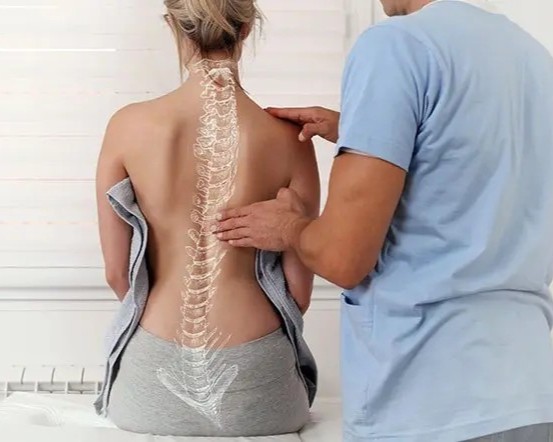
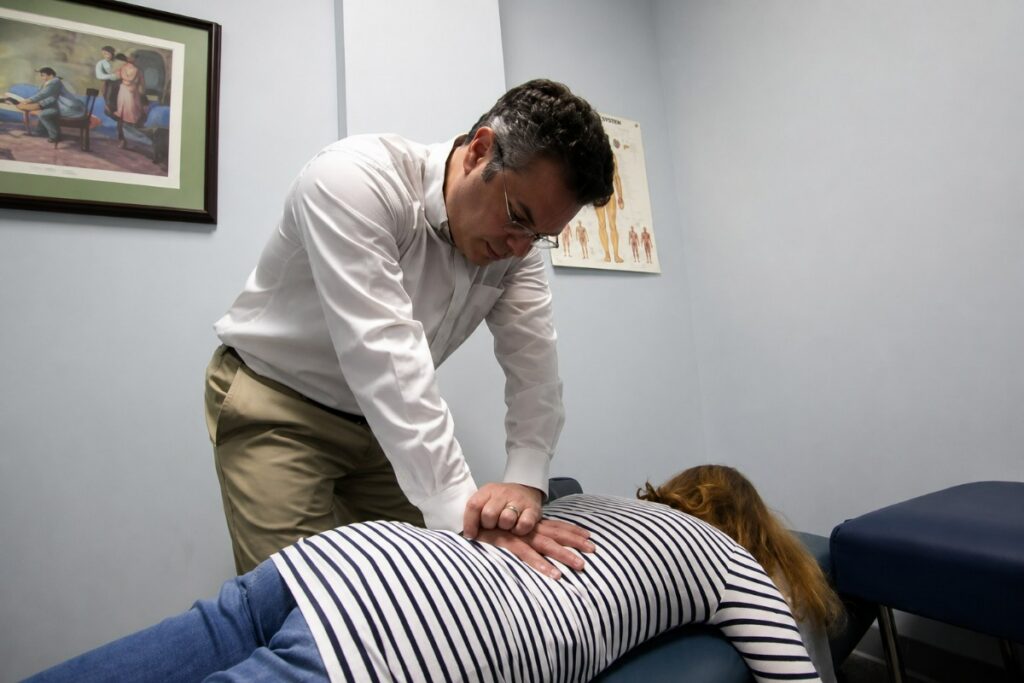
Exploring local chiropractic services can be a game changer for your back pain relief journey. Chiropractors specialize in diagnosing and treating musculoskeletal issues, particularly those related to the spine. They utilize hands-on techniques to adjust the spine and improve alignment, which can greatly alleviate your pain.
When you visit a chiropractor, they'll first assess your condition through a detailed examination. This may include discussing your medical history, physical tests, and sometimes imaging studies. After understanding the root cause of your back pain, they'll develop a personalized treatment plan tailored to your specific needs.
This plan might involve spinal adjustments, therapeutic exercises, and lifestyle recommendations. Regular chiropractic adjustments can help restore proper function to your spine and improve your overall mobility. Many patients notice immediate relief after their first session, while others benefit from a series of treatments over time.
It's crucial to communicate openly with your chiropractor about your symptoms and progress to guarantee the best results. In addition to adjustments, some chiropractors may incorporate other therapies such as massage, ultrasound, or electrical stimulation to enhance your recovery.
These complementary treatments can further support your back pain management efforts. Don't hesitate to reach out to local chiropractors and schedule an appointment. By taking this proactive step, you're investing in your health and setting the stage for a pain-free life.
With their expertise, you could find the relief you've been searching for right in your own community.
Alternative Treatments Available
Many people often seek alternative treatments to manage back pain when conventional methods fall short. If you're looking for effective ways to relieve your discomfort, several options might suit your needs.
Acupuncture is one popular alternative therapy. By inserting thin needles into specific points on your body, this ancient practice aims to balance your energy flow, potentially reducing pain and inflammation. Many individuals report significant relief after just a few sessions.
Another option is massage therapy. Therapeutic massage can help relax tense muscles and improve circulation, which may alleviate your back pain. Whether you choose Swedish, deep tissue, or trigger point therapy, finding a qualified massage therapist can make a difference in your recovery.
Yoga and Pilates also provide excellent alternatives. Both practices focus on stretching, strengthening, and proper body alignment. Regular participation can enhance your flexibility and core strength, leading to reduced pain over time.
Plus, both can promote relaxation and mindfulness, which are beneficial for managing stress-related pain.
Herbal remedies and supplements may offer additional support. Curcumin, found in turmeric, is known for its anti-inflammatory properties, while omega-3 fatty acids can help reduce inflammation as well.
Always consult with a healthcare professional before starting any new supplement regimen.
Lastly, consider exploring mindfulness and meditation techniques. These practices can help you manage pain by fostering a greater awareness of your body and teaching you to respond to discomfort in a more balanced way.
Embracing these alternative treatments may help you find the relief you've been seeking.
Pain Management Techniques
When dealing with back pain, effective pain management techniques can make a significant difference in your daily life. By implementing the right strategies, you can reduce discomfort and improve your overall well-being.
Here are four essential pain management techniques you can try:
- Physical Therapy: A licensed physical therapist can create a personalized exercise program tailored to your specific needs. These exercises strengthen your back muscles and improve flexibility, which can alleviate pain over time.
- Heat and Cold Therapy: Applying heat helps to relax tense muscles, while cold therapy reduces inflammation. Alternate between the two for best relief. You might use a heating pad or an ice pack, depending on what feels best for you.
- Over-the-Counter Medications: Non-prescription pain relievers like ibuprofen or acetaminophen can help manage your pain effectively. Always follow the recommended dosage and consult your doctor if you have any concerns.
- Mindfulness and Relaxation Techniques: Practices like meditation, deep breathing, or yoga can help you manage the emotional aspects of pain. By reducing stress and promoting relaxation, you may find your back pain becomes more manageable.
Lifestyle Changes for Prevention
Making certain lifestyle changes can play an essential role in preventing back pain before it starts. One of the most effective steps you can take is to maintain a healthy weight. Extra pounds put added stress on your spine, so focusing on a balanced diet and regular exercise can help you stay within a healthy range.
Aim for activities that strengthen your core muscles, as they support your back.
Incorporating good posture into your daily routine is vital too. Whether you're sitting at a desk or lifting heavy objects, always be mindful of your posture. Keep your back straight, shoulders back, and feet flat on the ground when sitting.
When lifting, bend at your knees rather than your waist to avoid straining your back.
Don't underestimate the power of stretching. Taking a few minutes each day to stretch your back and legs can enhance flexibility and reduce tension.
Consider yoga or Pilates, as these practices not only improve flexibility but also promote mindfulness, further reducing stress, which can contribute to pain.
Lastly, make certain you're getting enough sleep. A good mattress and the right sleeping position can make a significant difference in how your back feels.
Aim for 7-9 hours of quality sleep each night, and try sleeping on your side with a pillow between your knees to keep your spine aligned.
Community Resources and Support
Finding support within your community can greatly enhance your efforts to manage and alleviate back pain. Connecting with local resources not only provides you with practical tools but also helps you feel less isolated in your journey.
Here are four community resources to contemplate:
- Local Support Groups: Joining a support group can connect you with others facing similar challenges. Sharing experiences and tips can provide emotional and practical benefits.
- Physical Therapy Clinics: Many clinics in Charlotte offer specialized programs for back pain. A qualified therapist can create a personalized exercise plan tailored to your needs.
- Community Centers: Check out classes or workshops at local community centers. Many offer yoga, Pilates, or stretching classes aimed at improving flexibility and strength, which can help reduce back pain.
- Health Fairs and Workshops: Keep an eye out for health fairs in your area. These events often feature workshops on back health, pain management strategies, and holistic approaches to wellness.
Conclusion
To effectively alleviate back pain in Charlotte, you can take proactive steps by exploring various treatment options and making lifestyle adjustments. Incorporate stretching and strengthening exercises into your routine, set up an ergonomic workspace, and consider local chiropractic services for personalized care. Don't forget about alternative treatments and community resources that can provide additional support. By prioritizing your back health and staying informed, you can greatly reduce discomfort and enhance your overall well-being.