
If you're dealing with back pain in Charlotte, you might be surprised by the range of holistic options available to you. From acupuncture and chiropractic care to mindfulness practices and nutritional support, these approaches focus on treating the whole person rather than just the symptoms. You can integrate some of these strategies into your daily routine to potentially enhance your well-being. But the question remains: which combination of these holistic methods could work best for you? Exploring the specifics could reveal a path to relief you hadn't considered.
Understanding Holistic Health
Holistic health focuses on treating the whole person, not just the symptoms of a condition. This approach considers your physical, emotional, and spiritual well-being, recognizing that they're all interconnected. When you experience back pain, it's crucial to understand that it mightn't just stem from a physical issue. Stress, poor posture, and emotional factors can exacerbate your discomfort, and a holistic perspective helps address these underlying causes.
You'll find that holistic health encourages you to take an active role in your healing process. Instead of solely relying on conventional treatments, you can explore various therapies that align with your lifestyle. For instance, nutritional changes can impact your overall health, providing your body with the vital nutrients it needs to function effectively and recover from pain.
Incorporating mindfulness practices, like meditation or yoga, can reduce stress and improve your mental state, making it easier to cope with discomfort. Additionally, holistic health emphasizes the importance of lifestyle changes, such as regular exercise and adequate sleep, to support your body's natural healing abilities.
Acupuncture for Back Pain
Acupuncture offers a unique approach to managing back pain, aligning well with the holistic health principles you've already considered. This ancient practice, rooted in Traditional Chinese Medicine, involves inserting fine needles into specific points on your body. By stimulating these points, acupuncture aims to enhance energy flow, or "qi," which can alleviate pain and promote healing.
When you seek acupuncture for your back pain, you'll likely notice a reduction in muscle tension and inflammation. Many patients report feeling relaxed during and after treatment, which can help you cope with chronic discomfort.
Acupuncture also encourages the release of endorphins, your body's natural painkillers, providing further relief.
In Charlotte, skilled practitioners can personalize your treatment plan based on your specific symptoms and health history. This tailored approach guarantees that you receive the most effective care possible.
Sessions typically last between 30 to 60 minutes, and you might experience results in just a few visits. Regular treatments can also help maintain your progress, making it easier to manage back pain long-term.
It's worth noting that acupuncture is generally safe when performed by trained professionals. However, it's important to consult with your healthcare provider before starting any new treatment, especially if you have pre-existing conditions.
Embracing acupuncture as part of your holistic back pain relief strategy could open doors to improved well-being and a more active lifestyle.
Chiropractic Care Benefits
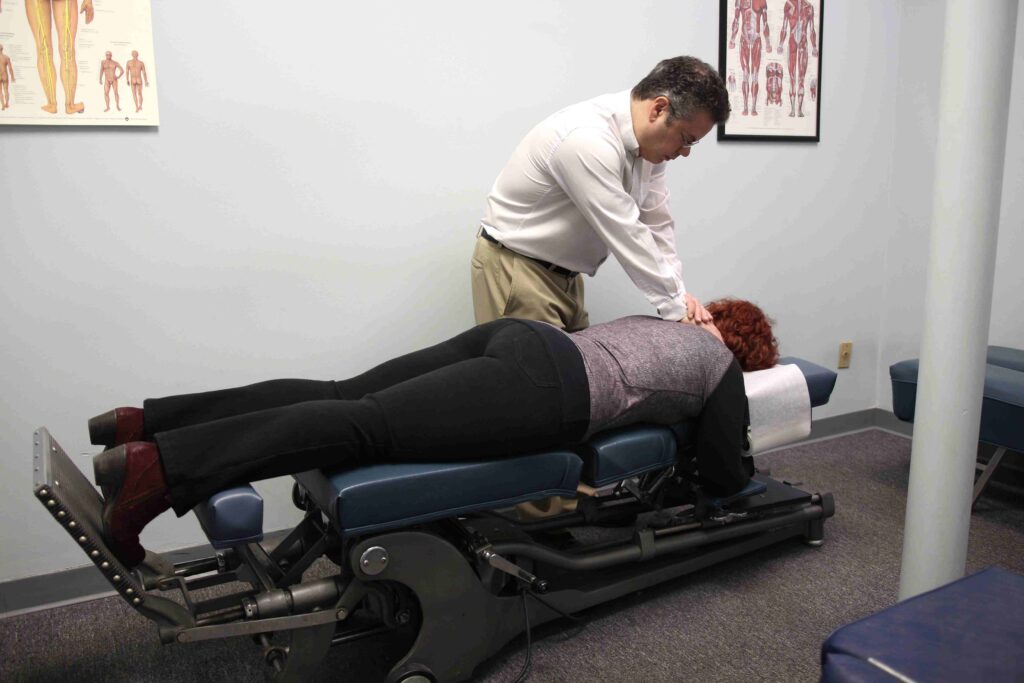
When it comes to effective back pain relief, chiropractic care stands out as a popular option. You might be wondering how it can help alleviate your discomfort. Chiropractic adjustments focus on realigning the spine and improving overall function, which can lead to reduced pain and enhanced mobility. By targeting the root causes of your back pain, chiropractors can help you avoid relying solely on medications.
One major benefit of chiropractic care is its emphasis on holistic healing. Rather than just masking symptoms, chiropractors work to restore balance in your body. This approach can lead to long-lasting results and a better quality of life. You'll likely notice improvements not just in your back, but in your overall well-being.
Another advantage is the personalized treatment plans chiropractors provide. They take the time to understand your specific condition and tailor their techniques to suit your needs. This individualized care guarantees you're getting the finest possible approach for your situation.
Additionally, chiropractic care can enhance your body's natural healing abilities. By promoting proper alignment and reducing inflammation, your body can function more efficiently. This means you may find yourself recovering faster from injuries and experiencing fewer episodes of pain.
Lastly, chiropractic care often encourages lifestyle changes and preventative measures. Your chiropractor might suggest exercises or stretches to strengthen your back, helping you maintain peak health.
With these benefits, it's clear that chiropractic care is a valuable option for those seeking relief from back pain.
The Role of Yoga
Yoga can be a powerful tool in managing back pain, offering both physical and mental benefits.
By incorporating specific poses into your routine, you can enhance flexibility and strengthen your core.
Let's explore some effective yoga practices that can provide you with relief.
Benefits of Yoga
Many people find that incorporating yoga into their routine can considerably alleviate back pain. This ancient practice promotes flexibility, strength, and balance, all of which are essential for a healthy spine. By engaging in yoga, you learn to stretch and strengthen your back muscles, helping to support your spine and reduce tension.
Additionally, yoga emphasizes mindful breathing and relaxation techniques, which can help you manage pain more effectively. When you focus on your breath, you create a calming environment that reduces stress, ultimately leading to a decrease in muscle tension.
Practicing yoga regularly also encourages better posture. By cultivating awareness of your body and how you hold yourself, you can make conscious adjustments that prevent strain on your back.
Moreover, yoga fosters a sense of community and support, which can be incredibly beneficial. Connecting with others who share similar experiences can provide motivation and encouragement on your healing journey.
Incorporating yoga into your life isn't just about physical benefits; it's a holistic approach that nurtures your mind and body, making it a powerful tool for back pain relief.
Recommended Poses for Relief
Incorporating specific yoga poses into your routine can enhance the benefits you've already experienced. These poses not only alleviate back pain but also promote flexibility and strength.
Start with the Cat-Cow pose, which gently stretches your spine and improves mobility. Shift into Downward-Facing Dog to elongate your back and hamstrings, providing relief from tightness.
Next, try Child's Pose. This restorative position allows your back to relax while gently stretching your spine. Hold it for a few deep breaths.
The Cobra pose is another excellent choice, as it strengthens your back muscles and opens up your chest. Be sure to maintain a gentle arch in your lower back to avoid strain.
Finally, finish with the Supine Spinal Twist. This pose helps release tension in your lower back and hips.
Remember to perform each pose mindfully, focusing on your breath and body alignment. Consistency is key, so aim to practice these poses several times a week.
You'll likely notice a significant reduction in pain and an overall improvement in your well-being. Embrace these poses, and let yoga guide you toward lasting relief.
Mindfulness and Meditation
While back pain can often feel overwhelming, practicing mindfulness and meditation offers a powerful way to manage both the physical and emotional aspects of your discomfort.
These practices help you become more aware of your body and its sensations, allowing you to approach your pain with a calmer mindset. By focusing on the present moment, you can reduce anxiety and stress, which can exacerbate your pain.
Here are three effective mindfulness and meditation techniques to try:
- Body Scan Meditation: Lie down comfortably and systematically focus on each part of your body, starting from your toes and moving up to the crown of your head. Acknowledge any tension or discomfort you feel without judgment, allowing yourself to relax into the sensations.
- Breath Awareness: Sit or lie down in a comfortable position. Close your eyes and take deep, slow breaths. Concentrate on the rhythm of your breath, noticing how it feels as it enters and leaves your body. This practice can help anchor you in the present moment and alleviate stress.
- Guided Imagery: Visualize a peaceful scene, such as a serene beach or a tranquil forest. Imagine the sounds, smells, and feelings associated with that place. This technique can distract you from pain while promoting relaxation and calmness.
Incorporating mindfulness and meditation into your daily routine can help create a more balanced approach to managing back pain, enhancing your overall well-being.
Massage Therapy Techniques
When you're dealing with back pain, exploring different massage therapy techniques can be incredibly beneficial.
Each technique offers unique advantages that can help alleviate discomfort and promote relaxation.
Let's look at the various types of massage and how they can specifically target your back pain.
Types of Massage Techniques
Massage therapy offers a variety of techniques to help you unwind and alleviate back pain. Each method has its unique approach, targeting different areas of discomfort and promoting relaxation.
Here are three popular massage techniques you might consider:
- Swedish Massage: This technique uses long, flowing strokes to increase circulation and ease muscle tension. It's perfect for those new to massage as it provides a gentle yet effective experience.
- Deep Tissue Massage: If you're dealing with chronic pain or tension, deep tissue massage focuses on the deeper layers of muscle and connective tissue. It employs more intense pressure to release tightness and knots, providing relief where you need it most.
- Trigger Point Therapy: This technique targets specific points of tension, known as trigger points, often found in the back. By applying pressure to these areas, it can help release pain and improve mobility.
Benefits for Back Pain
Experiencing back pain can be debilitating, but massage therapy offers several compelling benefits that can help you find relief.
First, it promotes relaxation, which can greatly reduce muscle tension. When your muscles are relaxed, it alleviates the pressure on your spine, leading to a decrease in pain levels.
Second, massage therapy improves circulation. Better blood flow means that oxygen and nutrients reach the affected areas more efficiently, speeding up the healing process. This increased circulation also helps flush out toxins that may contribute to inflammation and discomfort.
Additionally, massage therapy stimulates the release of endorphins, your body's natural painkillers. These endorphins not only help reduce the perception of pain but also enhance your overall mood, making it easier to cope with discomfort.
Finally, regular massage can improve your posture by promoting better alignment of the spine. Good posture helps prevent further strain on your back, reducing the likelihood of recurring pain.
Incorporating massage therapy into your back pain management plan can lead to lasting relief and an enhanced quality of life.
Don't underestimate the power of touch when it comes to healing your back.
Herbal Remedies and Supplements
Herbal remedies and supplements can offer a natural approach to alleviating back pain. Many people turn to these options for relief, as they can help reduce inflammation, improve circulation, and promote overall well-being.
Here are three effective herbal remedies you might consider:
- Turmeric: This golden spice contains curcumin, known for its anti-inflammatory properties. You can add it to your meals or take it in supplement form to help ease pain and swelling.
- Devil's Claw: Often used in traditional medicine, Devil's Claw may help relieve pain and improve mobility. It's available in capsules or teas, making it easy to incorporate into your daily routine.
- Willow Bark: Used for centuries as a natural pain reliever, willow bark contains salicin, which is similar to aspirin. You can find it in tea or supplement form, and it may help alleviate discomfort effectively.
When considering herbal remedies, it's important to consult with a healthcare professional, especially if you're taking other medications. Some herbs can interact with prescriptions or other supplements, so getting personalized advice is vital.
Additionally, remember that while herbal remedies can be beneficial, they often work best as part of a thorough approach to back pain relief. Incorporating these remedies along with other holistic practices can lead to a more balanced and effective strategy for managing your back pain.
Nutritional Approaches
When it comes to managing back pain, your diet plays a vital role.
Incorporating anti-inflammatory foods, staying properly hydrated, and ensuring a balanced nutrient intake can make a significant difference in your comfort levels.
Let's explore how these nutritional approaches can help you find relief.
Anti-inflammatory Foods
Incorporating a variety of anti-inflammatory foods into your diet can greatly impact your back pain relief journey.
These foods not only help reduce inflammation but can also promote overall wellness. By making mindful choices, you can support your body's healing process.
Here are three powerful anti-inflammatory foods to include in your meals:
- Fatty Fish: Rich in omega-3 fatty acids, fish like salmon, mackerel, and sardines can provide significant relief from inflammation. Aim for at least two servings a week.
- Leafy Greens: Vegetables such as spinach, kale, and collard greens are packed with antioxidants and vitamins. They can help fight inflammation and are easy to incorporate into salads, smoothies, or stir-fries.
- Berries: Blueberries, strawberries, and blackberries are loaded with antioxidants, which help combat inflammation. Snack on them fresh or add them to your breakfast for a tasty boost.
Hydration Importance
Staying hydrated plays a key role in managing back pain and supporting overall health. When your body is well-hydrated, your spinal discs, which act as cushions between the vertebrae, stay plump and functional. Dehydration can lead to reduced disc height and increased pressure on your spine, ultimately exacerbating pain.
You mightn't realize it, but water also helps flush out toxins that can contribute to inflammation and discomfort. Drinking enough fluids can improve circulation, delivering essential nutrients to your muscles and tissues, which aids in recovery and reduces stiffness.
Aim for at least eight 8-ounce glasses of water daily, adjusting based on your activity level and climate. If you're active or live in a hot area, increase your intake to guarantee you're replacing lost fluids.
Consider incorporating hydrating foods like fruits and vegetables into your diet, too. Foods like watermelon, cucumbers, and oranges can help keep your hydration levels in check while providing additional vitamins and minerals.
Balanced Nutrient Intake
To effectively manage back pain, a balanced nutrient intake is crucial, as it provides your body with the essential vitamins and minerals needed for ideal function.
A well-rounded diet not only supports muscle health but also aids in reducing inflammation, which can exacerbate pain.
Here are three key nutrients you should focus on:
- Omega-3 Fatty Acids: Found in fatty fish like salmon and seeds like flaxseed, these help reduce inflammation and promote overall joint health.
- Calcium and Vitamin D: Essential for bone strength, calcium can be found in dairy products, leafy greens, and fortified foods, while vitamin D can be synthesized from sunlight or consumed through fortified foods and fatty fish.
- Magnesium: This mineral supports muscle relaxation and can be found in nuts, seeds, and whole grains. It may help prevent muscle spasms that contribute to back pain.
Incorporating these nutrients into your diet can be a simple yet effective way to support your back health.
Don't underestimate the power of nutrition in your holistic approach to pain relief!
Physical Therapy Alternatives
When dealing with back pain, exploring alternatives to traditional physical therapy can open up new avenues for relief. Many people find success with techniques that offer a holistic approach to healing.
For instance, chiropractic care focuses on spinal alignment, which can alleviate pressure on nerves and reduce pain. Regular adjustments may help restore mobility and enhance overall well-being.
Another option is acupuncture, a practice rooted in ancient Chinese medicine. By inserting thin needles at specific points, acupuncture aims to release blocked energy, promote circulation, and stimulate the body's natural healing processes. Many patients report reduced pain and improved function after just a few sessions.
Yoga is another powerful alternative. The gentle stretching and strengthening exercises can enhance flexibility, strengthen core muscles, and promote relaxation. Incorporating mindful breathing techniques can also help you manage stress, which often exacerbates back pain.
Pilates is yet another option worth considering. This low-impact exercise focuses on core strength, improving posture, and enhancing body awareness, which can help you prevent future injuries.
If you're looking for something less physical, consider massage therapy. Techniques like deep tissue or trigger point therapy can release tension in tight muscles, providing immediate relief and promoting relaxation.
Finding Local Practitioners
Finding the right local practitioners for holistic back pain relief can greatly impact your healing journey. You deserve a supportive team that understands your needs and can guide you towards effective treatments. Here are some steps to help you find the right practitioners in Charlotte:
- Research Options: Start by searching online for local holistic practitioners specializing in back pain relief. Look for chiropractors, acupuncturists, and massage therapists who offer a holistic approach. Websites, social media pages, and community forums can provide valuable insights.
- Check Credentials: Once you've identified potential practitioners, check their credentials and experience. Confirm they've the necessary licenses and certifications. Look for reviews or testimonials from past patients to gauge their effectiveness and approach.
- Schedule Consultations: Don't hesitate to set up consultations with a few practitioners. This is your chance to discuss your pain, ask about their treatment philosophies, and determine if you feel comfortable with them.
Trust your instincts—finding someone who listens and respects your concerns is vital.
Conclusion
Incorporating holistic approaches to back pain relief can truly transform your experience in Charlotte. By exploring options like acupuncture, chiropractic care, and yoga, you're setting yourself up for a more balanced and pain-free life. Don't forget the power of mindfulness and proper nutrition in your journey. With so many local practitioners available, you can easily find the support you need. Embrace these diverse strategies, and take charge of your back health today!