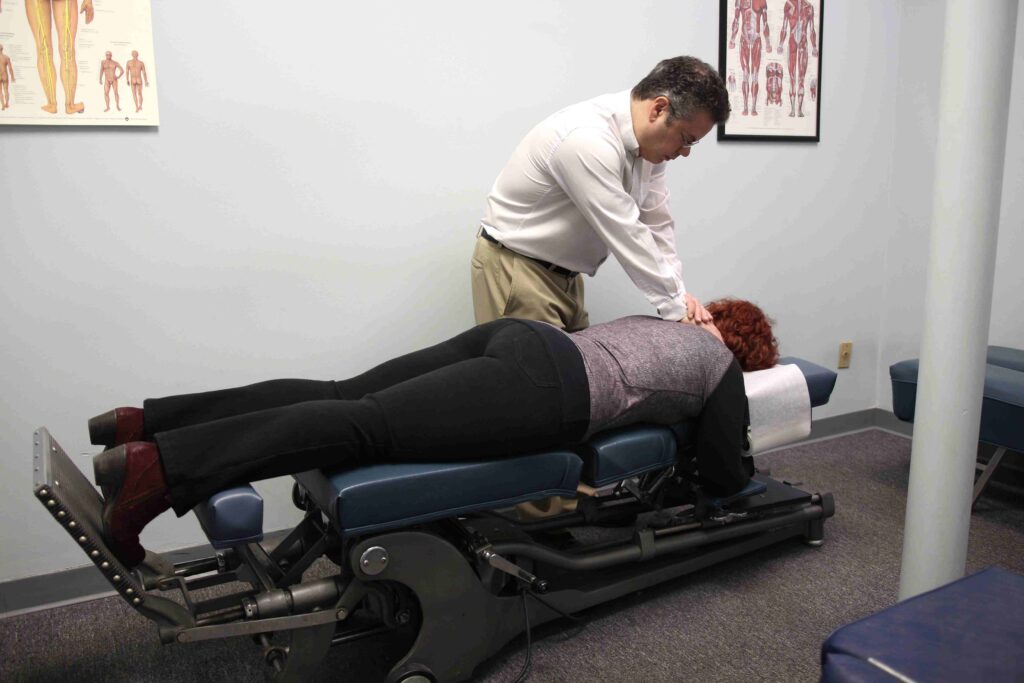

As a local chiropractor, I want to share with you that alleviating pain naturally involves more than simply addressing the symptoms. Our holistic approach focuses on treating the whole person—body, mind, and spirit. Techniques such as chiropractic adjustments, acupuncture, and mindfulness practices work together to enhance your overall well-being. So, what specific strategies can you integrate into your daily life for effective pain management? By exploring these methods, you may find a new perspective on healing that can lead to lasting relief and improved health.
Understanding Holistic Healing
As a chiropractor, I want to take a moment to explain the principles of holistic healing, which can greatly enhance your overall health and well-being.
Unlike conventional medicine that often targets only physical symptoms, holistic healing encourages us to look at the entire person—body, mind, and spirit. This means considering how your emotional and mental states can significantly impact your physical health.
When you come to see me, we won’t just focus on alleviating your pain; instead, we’ll explore the underlying causes of your discomfort. This includes examining your lifestyle choices and emotional health, which can all play a crucial role in your overall wellness.
You may find that integrating practices such as mindfulness, meditation, or yoga into your routine can be incredibly beneficial. These activities not only support your mental well-being but also complement the physical adjustments we make in the office.
Additionally, nutrition is key; by choosing whole, natural foods, you can boost your energy levels and build resilience against pain.
Together, we can work towards a more comprehensive approach to your health that goes beyond just treating symptoms, aiming instead for lasting wellness.
The Role of Acupuncture in Pain Management
As a local chiropractor, I want to share how acupuncture can be an effective addition to your pain management strategies.
Understanding how acupuncture works and the types of pain it can address will empower you to make better decisions about your health.
It’s essential to consider not only its safety and effectiveness but also how it complements chiropractic care and other natural healing methods.
Together, we can explore this holistic approach to enhance your well-being and alleviate pain.
Mechanism of Action
As a local chiropractor, I want to help you understand how acupuncture can be a valuable part of your pain management journey.
Acupuncture works by targeting specific points on your body, which can trigger the release of endorphins and other neurotransmitters that are known to alleviate pain. This process can help your body relax, reducing the stress and tension that often contribute to discomfort.
In addition to pain relief, acupuncture can enhance blood circulation. This increased blood flow brings essential oxygen and nutrients to areas that may be suffering, while also aiding in the removal of toxins.
Furthermore, acupuncture interacts with your nervous system, helping to restore a balanced flow of energy throughout your body.
By tapping into these natural mechanisms, acupuncture presents a holistic approach to managing pain. It empowers you to take charge of your health and well-being, complementing the chiropractic care I provide to help you achieve optimal results.
I’m here to guide you through this journey and explore how these natural healing methods can work together for your benefit.
Types of Pain Treated
As a local chiropractor, I want to share with you the benefits of acupuncture as a complementary approach to managing various types of pain. Acupuncture is a versatile option that can effectively address both acute and chronic pain conditions.
Whether you’re struggling with headaches, back pain, or joint discomfort, incorporating acupuncture into your pain management strategy may be beneficial. Many patients experience relief from muscle tension and sports-related injuries through the precise placement of needles in acupuncture.
It’s particularly useful for conditions like arthritis and fibromyalgia, as it helps reduce inflammation and enhance mobility. You may also find that it alleviates nerve pain, such as sciatica or carpal tunnel syndrome.
What makes acupuncture appealing is its focus on the body’s energy flow. By restoring balance, it offers a natural way to alleviate pain without solely relying on medications.
At our clinic, we believe in the power of holistic healing methods, and acupuncture is an excellent addition to chiropractic care for those seeking to improve their overall well-being. If you have any questions about how acupuncture can work alongside your chiropractic treatments, feel free to reach out!
Safety and Efficacy
As a local chiropractor, I want to take a moment to educate you about the benefits of acupuncture, especially for those of you who may not be familiar with chiropractic care and natural healing methods. Understanding the safety and efficacy of acupuncture is important for making informed decisions about your health.
- Minimal Side Effects: Acupuncture, when administered by a qualified practitioner, is generally considered safe. Most patients report only mild side effects, such as slight soreness or bruising at the treatment site, which usually subsides quickly.
- Evidence-Based Benefits: There’s a growing body of research that supports the effectiveness of acupuncture in alleviating various conditions, including chronic back pain, migraines, and arthritis. These studies highlight how acupuncture can’t only provide pain relief but also improve overall wellness.
- Complementary Therapy: Incorporating acupuncture into your treatment plan can enhance the benefits of chiropractic care and other pain management strategies. By addressing different aspects of pain and discomfort, acupuncture can play a crucial role in a holistic approach to your health.
I encourage you to consider acupuncture as part of your journey toward natural healing and wellness.
If you have any questions or want to learn more about how it can complement chiropractic care, feel free to reach out!
Exploring Herbal Remedies for Pain Relief
As a chiropractor dedicated to your overall wellness, I want to share how herbal remedies can complement our approach to pain relief. Many patients are surprised to learn that nature offers various options that can help ease discomfort.
For example, turmeric is a powerful herb containing curcumin, known for its anti-inflammatory properties, making it beneficial for those suffering from joint pain. Similarly, ginger is widely recognized for its ability to alleviate muscle soreness and discomfort.
If you frequently experience headaches, peppermint oil may be an effective solution. Its cooling effect can provide a refreshing relief from tension headaches. Additionally, willow bark has a long-standing history as a natural alternative to aspirin, providing pain relief without the potential side effects associated with pharmaceuticals.
Before you explore these herbal options, I encourage you to consult with me or another healthcare professional. It’s essential to ensure that these remedies are suitable for your individual health needs.
The Benefits of Mindfulness and Meditation
As a local chiropractor, I want to share with you the incredible benefits of mindfulness and meditation in managing pain and reducing stress.
These practices can be powerful allies in your healing journey. By incorporating mindfulness into your daily routine, you can train your mind to focus and cultivate a sense of calm, which is essential for coping with discomfort.
This not only enhances your ability to manage pain but also promotes your overall well-being.
Stress Reduction Techniques
As a local chiropractor, I want to share how integrating mindfulness and meditation into your daily routine can significantly enhance your overall well-being, particularly when it comes to managing stress.
These practices not only complement the chiropractic care I provide but also empower you to take charge of your health naturally. Here are some key benefits of incorporating mindfulness and meditation into your life:
- Increased awareness: Mindfulness encourages you to focus on the present moment, which can help alleviate anxiety about what’s to come. This heightened awareness can enhance your body’s natural healing processes.
- Emotional regulation: Engaging in regular meditation can improve your ability to respond to daily challenges in a calm manner, rather than reacting impulsively. This emotional balance is essential for maintaining spinal health and overall wellness.
- Improved relaxation: Both mindfulness and meditation promote relaxation, which can lower cortisol levels—often referred to as the stress hormone. Reduced tension in your body supports the adjustments I make during your chiropractic sessions, enhancing your overall treatment experience.
Enhanced Pain Management
As a local chiropractor, I want to share with you that effective pain management extends beyond traditional methods like medication and physical therapy.
One powerful approach we often incorporate into our practice is mindfulness and meditation. These techniques can significantly enhance your healing journey.
By directing your focus and calming your mind, you can gain a stronger sense of control over your pain. Mindfulness allows you to recognize your discomfort without judgment, enabling you to respond thoughtfully rather than react impulsively.
This practice can alleviate stress and anxiety, both of which can intensify your pain.
Meditation, on the other hand, encourages relaxation and can stimulate the release of endorphins—your body’s natural pain relievers.
By integrating these practices into your daily routine, you can foster greater overall well-being and build emotional resilience.
If you’re dealing with chronic pain, I encourage you to explore mindfulness and meditation as complementary tools in your healing process.
They could become essential parts of your journey toward relief and improved quality of life.
Nutrition’s Impact on Pain and Inflammation
As a local chiropractor, I want to share with you how nutrition can significantly impact your pain and inflammation levels. Your diet plays a vital role in how your body responds to various health conditions, and making the right food choices can help alleviate discomfort and promote overall wellness.
Here are some important dietary components to consider for managing pain and inflammation:
- Omega-3 fatty acids: Incorporating foods rich in omega-3s, such as fish, flaxseeds, and walnuts, can help lower inflammation in your body. These healthy fats are known for their anti-inflammatory properties, which can support your chiropractic treatment.
- Antioxidant-rich foods: Eating a variety of fruits and vegetables, especially berries, spinach, and kale, can combat oxidative stress. These foods are packed with antioxidants that may help reduce pain and support your body’s healing processes.
- Whole grains: Choosing whole grains like brown rice and quinoa can assist in maintaining a healthy weight. This is particularly important because excess weight can put additional strain on your joints, contributing to pain and discomfort.
By focusing on these dietary components, you can enhance your overall health and complement the benefits of chiropractic care.
Physical Therapies: Yoga and Chiropractic Care
As a local chiropractor, I want to share how incorporating physical therapies like yoga and chiropractic care can significantly enhance your journey toward wellness and pain relief.
Many of my patients have found that yoga is a fantastic complement to chiropractic treatment, as it promotes not only flexibility and strength but also mindfulness. Engaging in yoga allows you to connect with your body, reduce tension, and alleviate stress through various postures and breathing techniques.
Chiropractic care, on the other hand, is centered on ensuring proper spinal alignment and optimizing nervous system function. Regular adjustments can effectively relieve pain, improve mobility, and support your body’s natural healing processes.
During our sessions, I’ll work closely with you to identify and address any underlying issues that may be contributing to your discomfort.
By integrating both yoga and chiropractic treatments into your routine, you can adopt a holistic approach to pain relief. This not only brings physical benefits but also fosters a greater sense of overall well-being.
Aromatherapy and Essential Oils for Comfort
As a local chiropractor dedicated to your overall well-being, I want to introduce you to the comforting benefits of aromatherapy and essential oils. These natural remedies can significantly enhance your comfort and support your healing journey.
Aromatherapy utilizes essential oils to promote relaxation and alleviate discomfort, making it a valuable addition to your holistic approach to pain relief. When you inhale these exquisite oils, you activate your limbic system, which is deeply intertwined with emotions and the perception of pain.
Let me share three essential oils that can be particularly beneficial for your comfort:
- Lavender: Renowned for its calming effects, lavender oil can help reduce anxiety and improve your sleep quality, crucial for recovery and pain management.
- Peppermint: This refreshing oil is excellent for alleviating headaches and muscle tension, providing a revitalizing effect that can enhance your overall sense of well-being.
- Eucalyptus: With its anti-inflammatory properties, eucalyptus oil supports respiratory function and can help ease aches, making it a great ally for those dealing with discomfort.
Incorporating these soothing scents into your daily routine—whether through a diffuser, topical application, or a relaxing bath—can create a peaceful environment that empowers you to manage discomfort naturally.
As your chiropractor, I encourage you to explore these natural remedies alongside your chiropractic care to optimize your healing and comfort.
The Importance of Lifestyle Changes in Pain Management
As a local chiropractor, I want to emphasize that while pain management often centers around immediate relief, making lifestyle changes is crucial for your long-term comfort and overall well-being.
One of the most effective ways to support your body in healing is through regular exercise. Engaging in activities that you enjoy—be it walking, swimming, or yoga—not only strengthens your body but also helps reduce pain over time. Staying active will keep you motivated and enhance your recovery.
Nutrition plays a significant role in how you feel as well. A balanced diet that includes anti-inflammatory foods such as fruits, vegetables, whole grains, and healthy fats can greatly influence your pain levels. Additionally, don’t forget about hydration; drinking enough water is essential since dehydration can exacerbate discomfort.
Managing stress is another key element in pain management. Incorporating mindfulness practices or meditation can help you cope with pain more effectively.
Quality sleep is also vital; establishing a consistent sleep routine can promote healing and restore your body’s natural balance.
Lastly, I can’t stress enough the importance of social connections. Surrounding yourself with supportive friends and community groups can uplift your spirits and provide the encouragement you need on your journey to managing pain naturally.
As your chiropractor, I’m here to guide you through these lifestyle changes and support your path to wellness.
Conclusion
As a local chiropractor, I want to share with you the benefits of incorporating holistic approaches into your pain management strategy. Embracing techniques such as chiropractic adjustments, acupuncture, mindfulness, and proper nutrition can not only help alleviate your pain but also enhance your overall well-being. It’s important to understand that we’re not just focusing on the pain; we’re nurturing your entire body, mind, and spirit.
Making lifestyle changes is vital in your journey toward relief. Simple adjustments in your daily routine can have a profound impact on how you feel. I encourage you to explore these natural methods, as they can lead you to a more balanced and resilient approach to managing pain that aligns with your individual needs. Together, we can work towards a healthier, pain-free life.