
When it comes to whiplash recovery treatments, you might have noticed how approaches have changed over the years. In the past, rest and immobilization were the standard methods, but these often did more harm than good. As our understanding of whiplash injuries has improved, so have the recovery techniques.
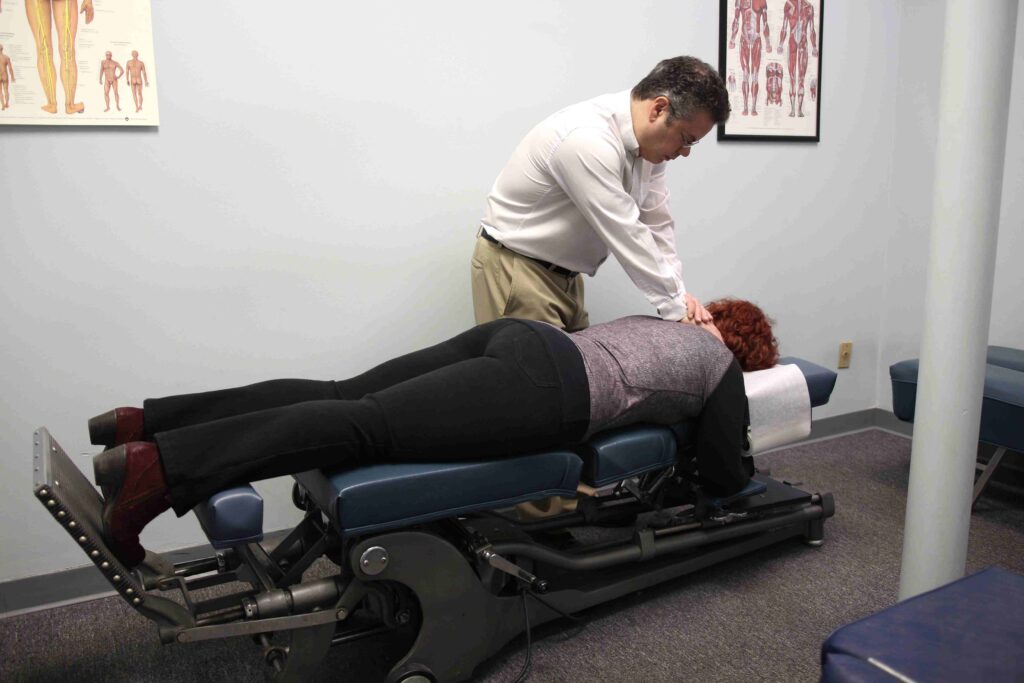
So, what led to this shift, and how do current practices differ from those early days? The answers are quite enlightening! Today, chiropractic care is recognized as one of the most effective ways to manage whiplash and promote natural healing. Instead of simply resting the neck, chiropractors focus on restoring mobility and aligning the spine through gentle adjustments. This approach helps relieve pain, reduce inflammation, and encourage the body’s natural healing process.
Here are some key takeaways on how chiropractic care can help with whiplash recovery:
- Gentle Adjustments: Chiropractors use specific techniques to realign the spine and neck, which can alleviate pressure on nerves and reduce pain.
- Customized Treatment Plans: Every injury is unique, and chiropractors tailor their treatment plans to fit each patient’s specific needs, ensuring a more effective recovery.
- Holistic Approach: Chiropractic care looks at the whole body, not just the injury. This means that other factors affecting your health are also considered, leading to overall wellness.
- Exercises and Rehabilitation: Chiropractors often recommend exercises to strengthen the neck and improve flexibility, helping prevent future injuries.
- Education and Prevention: A good chiropractor will educate you on proper posture, ergonomics, and lifestyle changes to support your recovery and maintain a healthy spine.
Choosing chiropractic care not only helps relieve pain but also promotes a healthier lifestyle. If you’re dealing with whiplash or any neck pain, consider visiting a chiropractor to explore how they can assist you on your journey to recovery and optimal health!
Key Takeaways
- In the past, treatments for whiplash primarily revolved around resting and managing symptoms instead of tackling the root causes of the injury. This often meant patients were stuck in a cycle of pain without understanding how to heal effectively.
- Many people were advised to use neck braces for prolonged periods, which, while intended to provide support, frequently resulted in weaker neck muscles and more stiffness. This approach didn’t promote healing and can even complicate recovery.
- Fortunately, chiropractic care has emerged as a powerful option for treating whiplash. This natural approach focuses on restoring spinal alignment and improving mobility through gentle adjustments and targeted exercises. By addressing the spine’s health, we can help alleviate pain and promote healing from within.
- Today, we see exciting advancements in treatment, including technology like virtual reality therapy and wearable monitors that can enhance patient engagement. These tools help us tailor treatment plans to fit individual needs and make recovery more interactive and effective.
- Best practices now highlight the importance of active rehabilitation, holistic approaches, and educating patients about their bodies. By understanding how to care for themselves, patients can support their long-term recovery and overall wellness.
Takeaway Tips:
- Stay active: Gentle exercises and stretches can help maintain mobility and strengthen neck muscles.
- Focus on posture: Pay attention to your posture while sitting and standing to reduce strain on your neck.
- Consider Chiropractic: Regular chiropractic care can help maintain spinal health and prevent future injuries.
- Listen to your body: If you’re feeling pain or discomfort, don’t ignore it. Early intervention can lead to quicker recovery.
- Stay informed: Educating yourself about your condition empowers you to make better health choices.
Remember, chiropractic care is a natural, effective way to achieve optimal health and wellness, especially when recovering from whiplash.
Early Understanding of Whiplash Injuries
When you think about whiplash injuries, it’s important to understand how they can occur during sudden movements, like in a car accident. Your head can snap forward and then backward quickly, straining the neck muscles and ligaments. This rapid motion often results in pain, stiffness, and discomfort in the neck area. Many people might initially brush off whiplash as a minor issue, but recognizing the mechanics behind it is crucial for appreciating its seriousness.
In the early days of research, healthcare providers focused mainly on the symptoms without delving into the underlying causes. They discovered that if whiplash isn’t treated properly, it could lead to long-term effects. As awareness of whiplash grew, so did the emphasis on early diagnosis and effective management. Understanding how this injury can affect your daily life is essential for ensuring a proper recovery and avoiding chronic issues.
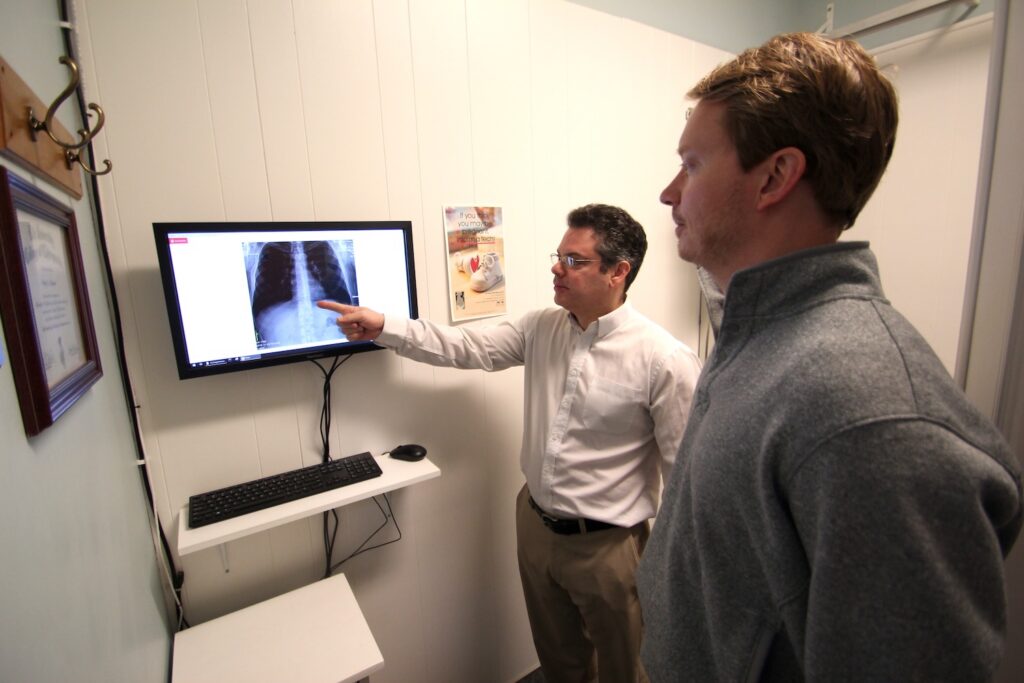
As a chiropractor, I want to emphasize that chiropractic care is a natural and effective approach to dealing with whiplash injuries. By focusing on spinal alignment and overall wellness, chiropractic adjustments can help relieve pain and restore function in the neck.
Here are some helpful tips to consider if you or someone you know is dealing with a whiplash injury:
- Seek Chiropractic Care: Regular chiropractic adjustments can help alleviate pain, improve mobility, and promote healing in the neck and spine.
- Stay Active: Gentle movements and stretches can keep your neck flexible. Always consult with your chiropractor for specific exercises that are safe for your condition.
- Apply Heat or Cold: Using a heating pad or ice pack can help reduce inflammation and soothe discomfort in the affected area.
- Maintain Good Posture: Keeping your head aligned with your spine can help reduce strain on your neck. Be mindful of your posture whether sitting, standing, or working.
- Practice Relaxation Techniques: Stress can tense up your muscles, making recovery more difficult. Techniques such as deep breathing, meditation, or gentle yoga can help promote relaxation.
Taking whiplash seriously and seeking the right care can significantly impact your healing journey. Embrace the benefits of chiropractic care to support your path to optimal health and wellness.
Initial Treatment Approaches: Rest and Immobilization
When you first experience whiplash, it’s crucial to prioritize rest to allow your body to heal naturally.
While it may be tempting to immobilize your neck with a brace, it’s important to use this support wisely. Wearing a neck brace for too long can actually hinder your recovery by weakening your muscles. Instead, consider wearing it only when necessary and for short periods to provide gentle support.
In addition to rest, chiropractic care is an excellent option for promoting healing and restoring mobility after a whiplash injury. A chiropractor can guide you through gentle adjustments and therapies designed to alleviate pain, improve function, and enhance overall wellness.
These methods are all-natural and focus on your body’s ability to heal itself.
To support your recovery at home, try incorporating some gentle neck stretches and mobility exercises as advised by your chiropractor. Staying hydrated and maintaining good posture can also play a significant role in your healing process.
Remember, listening to your body is key—if something doesn’t feel right, consult your chiropractor for personalized advice.
Historical Rest Recommendations
Historically, the approach to treating whiplash often revolved around rest and immobilization. Many people may remember being told to take it easy and avoid movement, based on the belief that complete rest would help prevent further injury. While this method aimed to reduce pain, it frequently resulted in stiffness and a longer recovery process.
Thankfully, our understanding of whiplash has evolved significantly over the years. Today, chiropractic care emphasizes the importance of gentle movement and gradually reintroducing daily activities to promote healing. Instead of recommending long periods of bed rest, we now advocate for short breaks combined with exercises to maintain flexibility and strength.
As a chiropractor, I encourage you to embrace active recovery strategies. Gentle stretches and mobility exercises can help alleviate discomfort and improve your range of motion. Always listen to your body; if something feels too intense, ease back. Remember, the goal is to support your healing process naturally.
If you’re experiencing whiplash or neck pain, consider incorporating chiropractic adjustments into your wellness routine. They can help realign your spine, reduce tension, and restore function to your body. By prioritizing natural healing through chiropractic care, you can achieve optimal health and get back to your daily activities with greater ease.
Role of Neck Braces
As we move away from traditional treatment methods, understanding the role of neck braces in managing whiplash is important for your healing journey. Neck braces, also known as cervical collars, can provide much-needed support and stabilization for your neck after an injury. Wearing a brace can help limit movement, which may reduce pain and prevent further injury, giving you a sense of security that allows your muscles to relax.
However, it’s crucial to use neck braces wisely. While they can be helpful in the short term, relying on them too much may weaken your neck muscles. Instead, think of neck braces as a temporary aid that should work alongside other healing methods, especially chiropractic care. Chiropractic adjustments can help restore proper alignment and function to your spine, which is essential for long-term recovery.
As you consider your recovery options, I encourage you to integrate a neck brace into your initial care plan carefully. While it can provide immobilization during the early stages, be sure to prioritize active rehabilitation, such as gentle exercises and chiropractic adjustments, as you progress.
This balanced approach not only supports your healing but also promotes overall wellness and helps you regain strength in your neck.
Duration of Immobilization
When you’re navigating the early stages of whiplash recovery, it’s crucial to understand how long to immobilize your neck for optimal healing. Generally, you’ll want to limit immobilization to just the first few days after your injury. Keeping your neck immobilized for too long can lead to stiffness and weakened muscles, which can slow your recovery.
Here are some helpful tips to keep in mind:
- Initial Rest: After your injury, give your neck a break for about 24 to 48 hours. This rest is important for allowing any inflammation to settle.
- Gentle Movement: After the initial rest period, start incorporating gentle neck movements. This will help promote flexibility and prevent stiffness. Think of simple movements like slowly tilting your head side to side or gently rotating your neck.
- Chiropractic Care: Consulting a chiropractor can provide you with personalized strategies for your recovery. They can assess your condition and guide you on the best practices for immobilization and movement based on your specific needs.
Remember, the goal is to restore your neck’s function while supporting your body’s natural healing process.
Prioritizing chiropractic care not only helps alleviate pain but also encourages a holistic approach to your overall wellness. Take care of your neck, and you’ll be on the path to recovery in no time!
The Rise of Physical Therapy in Whiplash Recovery
With the increasing prevalence of whiplash injuries, many individuals are seeking effective pathways for recovery, and chiropractic care stands out as a leading choice. Chiropractors provide personalized treatment plans that focus on restoring spinal alignment and function, which is essential for overall health and well-being.
Through gentle adjustments and targeted therapies, chiropractic care helps alleviate pain and improve mobility, allowing you to return to your daily activities with ease.
In addition to spinal adjustments, chiropractic care often includes various techniques such as soft tissue therapy and rehabilitative exercises designed to enhance healing and flexibility. You’ll also learn valuable tips on maintaining good posture and ergonomics in your daily life, which can significantly reduce the risk of future injuries.
The supportive environment offered by chiropractic clinics encourages you to stay motivated and engaged in your recovery journey. As you progress, your chiropractor will continually assess your condition and adapt your treatment plan to ensure that it remains effective and aligned with your wellness goals.
This personalized approach not only helps relieve pain but also empowers you to take an active role in your healing process.
Ultimately, chiropractic care has become a fundamental aspect of overcoming the challenges associated with whiplash recovery. By choosing this natural and holistic approach, you can achieve optimal health and wellness without the need for medications or invasive procedures.
Advancements in Chiropractic Care
Chiropractic care has seen remarkable advancements in recent years, making it an even more effective option for managing whiplash injuries and promoting overall wellness. If you’re looking for a natural and holistic way to achieve optimal health, chiropractic care is your best choice.
Here are some exciting advancements in chiropractic care that can greatly benefit you:
- Personalized Adjustment Techniques: Chiropractors now utilize a variety of adjustment methods tailored to your unique needs. This personalized approach ensures that you receive the most effective care possible, helping to alleviate pain and restore function.
- Soft Tissue Therapy: A greater emphasis on soft tissue techniques, such as myofascial release, can significantly reduce pain and tension in the muscles surrounding your spine. This gentle approach not only helps with immediate relief but also supports long-term healing.
- Rehabilitation Exercises: By incorporating specific exercises into your treatment plan, chiropractors can help you improve your strength and flexibility, which are essential for a quicker recovery. These exercises are designed to empower you to take charge of your healing process.
Chiropractic care is more than just a treatment for pain; it’s a pathway to natural wellness. By staying informed about the latest practices, chiropractors are well-equipped to guide you on your journey to recovery and optimal health.
Takeaway Tips:
- Always communicate openly with your chiropractor about your pain and symptoms for tailored care.
- Incorporate gentle stretching into your daily routine to enhance flexibility and support your spine.
- Stay active with low-impact exercises like walking or swimming to promote overall health.
Incorporating Technology in Treatment Methods
As you explore recovery options for whiplash, it’s important to consider how chiropractic care can be your best ally in achieving pain relief and overall wellness. Chiropractic treatment focuses on natural healing by adjusting the spine and improving the function of the nervous system, which can be incredibly effective for alleviating pain associated with whiplash.
While some may find technology intriguing, like virtual reality therapy or wearable pain monitors, it’s essential to remember that the foundation of recovery should be rooted in natural methods. Chiropractic care not only addresses your pain directly but also enhances your body’s ability to heal itself.
As you seek ways to manage your discomfort, here are a few general tips to keep in mind:
- Stay Active: Gentle movements and stretching can help maintain flexibility and prevent stiffness. Our chiropractic team can guide you on appropriate exercises that won’t exacerbate your pain.
- Apply Heat or Cold: Depending on your symptoms, using heat can help relax tense muscles, while cold packs can reduce inflammation. Both methods can complement your chiropractic adjustments.
- Focus on Posture: Maintaining good posture, especially during daily activities, can alleviate strain on your neck and spine. Consider ergonomic adjustments at your workspace to support your recovery.
- Stay Hydrated: Proper hydration supports overall health and can help with muscle recovery. Drinking enough water is essential for maintaining healthy spinal discs.
- Regular Chiropractic Visits: Consistent adjustments can help ensure that your spine remains aligned, reducing pain and promoting healing.
Virtual Reality Therapy
While traditional therapies have been important for whiplash recovery, I want to introduce you to an exciting new approach: virtual reality therapy. This innovative method offers immersive experiences that can complement your healing process. By engaging with virtual environments, you can enhance both your physical and emotional well-being alongside your chiropractic care.
Here are some benefits you might experience with virtual reality therapy, especially when paired with chiropractic adjustments:
- Enhanced Engagement: The interactive nature of virtual reality can keep you motivated during recovery sessions, making your commitment to healing even stronger.
- Reduced Pain Perception: Immersing yourself in a virtual world can distract you from pain, helping you cope more effectively. This can be especially helpful while you’re undergoing chiropractic treatments.
- Customized Experiences: Virtual reality therapy can be tailored to your specific needs, allowing for focused rehabilitation that aligns with your chiropractic care plan.
Remember, while virtual reality therapy is a great tool, chiropractic care remains the cornerstone of pain relief and natural wellness. Regular adjustments can help realign your spine, relieve tension, and promote overall health.
Here are some general tips to support your recovery:
- Stay Active: Incorporate gentle stretches and exercises recommended by your chiropractor to keep your body moving.
- Practice Good Posture: Be mindful of your posture, especially when sitting or using electronic devices, to reduce strain on your neck and spine.
- Hydrate: Drinking plenty of water can help keep your muscles hydrated and support the healing process.
- Listen to Your Body: Pay attention to how you feel during your recovery. If something doesn’t feel right, don’t hesitate to reach out to your chiropractor.
Wearable Pain Monitors
Innovative technologies are changing the way we approach pain management, and wearable pain monitors are leading this charge. These devices can help you keep track of your pain levels in real-time, which can significantly enhance your conversations with your chiropractor. Imagine wearing a comfortable monitor that provides instant feedback on your pain, helping you identify triggers and patterns.
Here’s how these monitors can complement your chiropractic care:
| Feature | Benefits | Examples |
|---|---|---|
| Real-time tracking | Gain immediate insights into your pain levels, which can help your chiropractor tailor your treatment plan | Smart wristbands |
| Data analysis | Use tracked information to create personalized treatment plans that focus on natural healing and wellness | Mobile apps |
| User-friendly | Easy to incorporate into your daily routine, making it simple to monitor your health | Wearable patches |
While these technologies can be quite helpful, it’s essential to remember that they work best alongside regular chiropractic care. Chiropractors can interpret the data from these devices to make targeted adjustments and recommendations that promote healing and wellness.
Here are some general tips for managing pain and enhancing your wellness:
- Stay Active: Regular movement and exercise can help improve your spinal health and reduce pain. Simple activities like walking, stretching, or yoga can be beneficial.
- Maintain Good Posture: Be mindful of your posture, especially if you sit for long periods. Good posture can alleviate strain on your spine and reduce discomfort.
- Stay Hydrated: Drinking enough water is crucial for overall health and can help support spinal health by keeping your discs hydrated.
- Prioritize Sleep: Quality sleep is essential for healing. Create a comfortable sleep environment to help your body recover.
- Regular Chiropractic Visits: Consistent adjustments and check-ups with your chiropractor can help keep your spine aligned and functioning optimally, leading to better overall health and pain management.
Current Best Practices and Future Directions
When it comes to recovering from whiplash, understanding the latest best practices is essential for achieving optimal health and wellness. As a chiropractor, I want to emphasize that natural healing methods, particularly chiropractic care, play a vital role in your recovery journey. Here are some key approaches you can consider:
- Active rehabilitation: Engaging in customized exercises can significantly improve your neck’s mobility and strengthen the muscles supporting your spine. This not only aids in recovery but also helps prevent future injuries.
- Chiropractic adjustments: Regular chiropractic care can help alleviate pain and restore proper alignment to your spine. Gentle adjustments can enhance your body’s ability to heal itself, making this a cornerstone of effective whiplash recovery.
- Holistic pain management: Instead of relying on medications, consider natural alternatives like massage therapy, stretching, and acupuncture. These methods work in harmony with your body to address pain and promote relaxation without side effects.
- Telehealth services: If you’re unable to visit a chiropractor in person, many practitioners offer virtual consultations. This allows you to receive expert guidance on your recovery plan from the comfort of your home.
Looking to the future, exciting developments in chiropractic care, such as innovative techniques and personalized recovery plans driven by your specific needs, are on the horizon.
Staying informed about these advancements can empower you to make the best choices for your health.
Conclusion
In conclusion, the journey of whiplash recovery has evolved significantly, and it’s crucial to understand these changes to achieve optimal health. In the past, treatments often emphasized rest and immobilization, which could actually slow down recovery. Today, we know that active rehabilitation, physical therapy, and especially chiropractic care are vital for healing and restoring function.
Chiropractic care focuses on the spine and nervous system, helping to alleviate pain and improve mobility naturally. By assessing and adjusting the spine, we can promote better alignment and support your body’s innate healing abilities. This approach not only aids in recovery from whiplash but also empowers you to maintain a healthy lifestyle and prevent future injuries.
As you navigate your recovery, consider incorporating some simple tips: practice good posture, engage in gentle stretching exercises, and stay hydrated to support your body’s healing process. Remember, embracing these modern practices, especially chiropractic care, can lead to more effective recovery and long-lasting wellness. Your path to a pain-free life starts with informed choices and a commitment to natural healing.