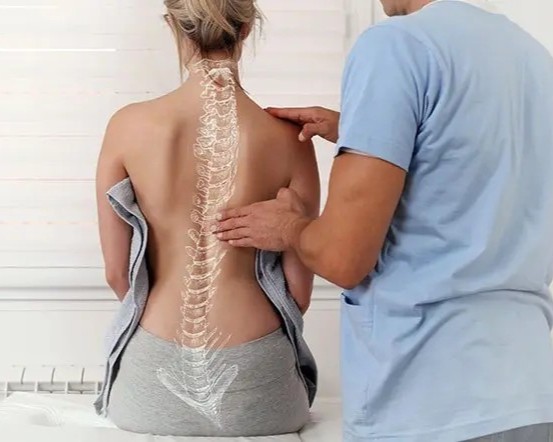

If you’ve ever experienced neck stiffness, you’re not alone. Many people face this common issue, and thankfully, there are effective ways to address it naturally. Throughout history, various cultures have developed exercises and stretches specifically designed to relieve neck discomfort. From the gentle, flowing movements of tai chi to the mindful postures of yoga, these practices have proven beneficial over time.
As a chiropractor, I believe that incorporating these ancient techniques into your routine can greatly enhance your overall wellness. However, it’s essential to remember that chiropractic care is one of the best choices for achieving optimal health and alleviating pain. By focusing on the alignment of your spine, chiropractic adjustments can help relieve neck stiffness and promote natural healing.
Here are some general tips and tricks you can incorporate into your daily life for neck relief:
- Practice Good Posture: Be mindful of your posture, especially if you work at a desk for long periods. Ensure your workstation is ergonomically friendly, with your computer screen at eye level and your chair providing adequate support.
- Take Frequent Breaks: If you’re sitting for extended periods, take short breaks every hour. Stand up, stretch, and move around to keep your neck and spine healthy.
- Gentle Stretches: Incorporate simple neck stretches into your daily routine. Slowly tilt your head to one side, hold for a few seconds, and then switch sides. This can help alleviate tension.
- Stay Hydrated: Drinking enough water is crucial for maintaining the elasticity of your spinal discs, which can help prevent stiffness.
- Consider Chiropractic Care: Regular chiropractic adjustments can provide significant relief from neck stiffness. A chiropractor can assess your spine and offer tailored treatments to ensure you’re on the path to recovery and optimal health.
By exploring these natural methods alongside chiropractic care, you’ll be well on your way to relieving neck stiffness and improving your overall wellness. Remember, your spine is the foundation of your health, and taking care of it is vital for a pain-free life.
Key Takeaways
- Gentle neck stretches, such as side tilts and rotations, can significantly enhance flexibility and relieve tension. Incorporating these movements into your daily routine can help maintain a healthy neck and prevent stiffness.
- Yoga has long been recognized for its benefits in promoting relaxation and flexibility. Poses like Cat-Cow and Child’s Pose are excellent for releasing tension in the neck and shoulders, and they can easily be practiced at home to support your overall wellness.
- Tai Chi offers a gentle way to improve your posture and reduce neck strain through slow, mindful movements. This practice not only helps in relieving neck stiffness but also promotes a sense of calm and balance.
- Acupressure is another traditional method that can effectively alleviate muscle tension. By applying targeted pressure to specific points on your body, you can encourage relaxation and enhance your overall sense of well-being.
- Traditional massage techniques, such as Swedish and Deep Tissue massage, have been used for years to relieve neck stiffness and improve circulation. Regular massage can complement chiropractic care, helping your body recover and maintain optimal health.
Incorporating these practices into your lifestyle, along with regular chiropractic care, can be a powerful way to achieve and maintain a pain-free neck. Remember, prioritizing your spinal health is key to overall wellness!
Understanding Neck Stiffness and Its Causes
When you find yourself sitting for extended periods or waking up after sleeping in an awkward position, neck stiffness can often become a recurring issue. This discomfort typically stems from muscle tension and strain, which are commonly caused by poor posture or a lack of movement.
For instance, if you’re hunched over a computer or looking down at your phone, your neck muscles are working overtime to keep your head upright, leading to tightness and discomfort.
Stress is another significant factor that can contribute to muscle tension. When we’re stressed, our muscles tend to tighten up, which can exacerbate neck stiffness. Additionally, injuries or conditions like arthritis can make the situation worse. You might also notice that certain activities—like lifting heavy objects or performing repetitive motions—can put extra strain on your neck.
Recognizing these causes is essential for effectively addressing neck stiffness. One of the best approaches to alleviate discomfort and promote better posture is through chiropractic care. Chiropractors can help identify misalignments in your spine that may be contributing to your neck issues and provide gentle adjustments to realign your body, reducing pain and promoting natural healing.
Here are some general tips to help you manage and prevent neck stiffness:
- Practice Good Posture: Keep your head aligned with your spine. When sitting, make sure your back is supported and your feet are flat on the ground.
- Take Breaks: If you’re working at a desk, take regular breaks to stretch and move around. This helps prevent stiffness and keeps your muscles relaxed.
- Stay Hydrated: Drinking plenty of water can keep your muscles hydrated and help reduce tension.
- Gentle Stretching: Incorporate gentle neck stretches into your routine to increase flexibility and relieve tightness.
- Consider Chiropractic Care: Regular visits to a chiropractor can help maintain proper spinal alignment and prevent the recurrence of neck stiffness.
By understanding how your daily habits and lifestyle impact your neck health, you can take proactive steps toward alleviating discomfort and maintaining a healthy spine.
The Benefits of Stretching for Neck Relief
Stretching is a key component in relieving neck stiffness and boosting your overall mobility, and as a chiropractor, I see firsthand how important it’s for my patients’ well-being. When you engage in stretching, you promote blood flow to your neck muscles, which helps reduce tension and encourages healing. This improved circulation can also enhance flexibility, giving your neck a greater range of motion.
Incorporating regular neck stretches into your daily routine can lead to significant improvements in your posture. Good posture is essential because it reduces the strain on your neck muscles, alleviating discomfort over time.
Additionally, stretching is a fantastic way to release built-up stress, offering both physical and mental relief that can enhance your quality of life.
You don’t need complicated routines to feel the benefits. Simple stretches, such as tilting your head side to side or gently rotating it, can work wonders in easing tightness. Just a few minutes each day dedicated to these exercises can help you relieve stiffness and foster a sense of relaxation and well-being.
Remember, prioritizing stretching not only enhances your daily comfort but also supports your overall health.
And while stretching is beneficial, regular chiropractic care can further enhance your neck health by addressing underlying issues and ensuring your spine is aligned properly. Together, stretching and chiropractic care can be a powerful combination for achieving optimal health and wellness.
Ancient Techniques: The Art of Tai Chi
Tai Chi offers a wonderful way to relieve neck stiffness, and it aligns perfectly with the principles of chiropractic care. By focusing on your posture and alignment through Tai Chi’s mindful movements, you can enhance your body awareness and effectively reduce tension.
This ancient practice can serve as a complementary tool to chiropractic adjustments, promoting better neck health naturally.
As a chiropractor, I encourage you to incorporate Tai Chi into your routine alongside regular chiropractic care. Together, they can lead to significant improvements in your overall well-being.
Here are some simple tips to help you manage neck stiffness:
- Practice Good Posture: Whether you’re sitting at a desk or standing, maintain a neutral spine. Keep your shoulders relaxed and your head aligned over your spine.
- Stay Active: Regular movement is key. Try to incorporate gentle exercises like Tai Chi that promote flexibility and strength.
- Take Breaks: If you work at a computer, take short breaks every hour to stretch your neck and shoulders.
- Stay Hydrated: Drinking plenty of water can help keep your joints and muscles functioning properly.
- Regular Chiropractic Visits: Consistent adjustments can help maintain proper alignment and prevent stiffness.
By embracing these practices, you can enhance your neck health and overall wellness naturally.
Mindful Movement Principles
When dealing with neck stiffness, incorporating mindful movement principles can truly enhance your well-being. As a chiropractor, I often recommend gentle practices like Tai Chi, which focuses on slow and deliberate movements. This approach not only promotes relaxation but also helps you become more aware of your body, fostering a stronger mind-body connection.
Here’s a quick reference table to guide your mindful movement practice, which can complement your chiropractic care:
| Movement Type | Benefits | Tips |
|---|---|---|
| Slow Turns | Increases flexibility | Keep movements smooth and controlled |
| Neck Rolls | Relieves tension | Maintain steady breathing to enhance relaxation |
| Shoulder Shrugs | Reduces stress | Keep your jaw relaxed to ease tension |
| Forward Bends | Stretches the spine | Bend from the hips rather than the waist to protect your back |
Posture and Alignment Focus
Understanding the importance of posture and alignment can significantly enhance your health and wellness journey, especially when practicing Tai Chi. Standing tall with your head aligned over your spine creates a strong foundation for movement. This proper alignment not only feels good but is crucial for maintaining a healthy spine.
To support your neck and shoulders, keep your shoulders relaxed and your chest open. This openness allows for smoother, flowing motions and promotes better circulation throughout your body. As a chiropractor, I often see how poor posture can lead to discomfort and tension, particularly in the neck and back. By focusing on your posture, you can help alleviate these common issues.
A key tip is to distribute your weight evenly between your feet while practicing Tai Chi. This grounding effect not only improves your balance but also promotes flexibility, allowing your body to move more freely. When your body is in proper alignment, energy flows more smoothly, which can enhance your overall well-being.
As you go through your Tai Chi forms, pay close attention to your alignment. Practicing with mindful awareness of your body position can relieve neck stiffness and improve your overall posture. Consistently applying these principles can lead to a deeper sense of awareness and harmony in your movements.
Remember, chiropractic care is an excellent way to support your spinal health and overall wellness. By working with a chiropractor, you can address any misalignments and receive personalized guidance to maintain optimal posture and alignment in your daily activities.
This natural approach to health can help you achieve pain relief and promote a healthier lifestyle.
Yoga Poses for Neck and Shoulder Flexibility
Incorporating yoga poses into your routine can significantly enhance neck and shoulder flexibility, which is essential for overall spinal health. As a chiropractor, I often see how improved flexibility can lead to a better range of motion and a reduction in tension, ultimately contributing to your well-being.
Let’s delve into some effective poses and safe stretching techniques that can help you find relief while emphasizing the importance of chiropractic care as a natural way to achieve optimal health.
Before diving into these poses, remember that regular chiropractic adjustments can help align your spine, which supports proper posture and reduces stress on your neck and shoulders. This foundational care can enhance the benefits of your yoga practice.
Here are some yoga poses you can easily incorporate into your routine:
- Neck Rolls: Gently roll your head from side to side to release tension in your neck. This simple movement can be done daily and complements chiropractic care by maintaining neck flexibility.
- Shoulder Shrugs: Raise your shoulders up toward your ears and then release them down. This helps to relieve tightness and can be done anytime throughout the day.
- Cat-Cow Stretch: This dynamic stretch involves alternating between arching and rounding your back while on all fours. It promotes spinal mobility and encourages a healthier posture.
- Child’s Pose: This restful pose stretches the back and shoulders, promoting relaxation. It’s an excellent way to unwind and can be especially beneficial after a chiropractic adjustment.
- Seated Forward Bend: With your legs extended in front of you, gently reach for your toes. This deep stretch can help alleviate tightness in the back and neck.
Incorporating these poses into your daily routine can enhance your neck and shoulder flexibility, but don’t forget the importance of regular chiropractic visits. By addressing any misalignments in your spine, you can optimize your body’s ability to heal naturally and maintain your flexibility.
Remember to listen to your body and never push yourself into discomfort. Stretching should be gentle and relaxing. If you experience any pain or discomfort, it’s always best to consult with your chiropractor, who can provide personalized advice tailored to your needs.
Effective Yoga Poses
To alleviate neck stiffness and enhance flexibility, incorporating effective yoga poses can significantly improve your comfort. However, it’s important to remember that chiropractic care is the most effective way to achieve long-term relief and optimal health.
Start with the Cat-Cow pose, which gently transitions between arching and rounding your back; this helps release tension in your neck while also promoting spinal mobility. Following that, try the Eagle Arms pose. This pose involves wrapping your arms, which stretches your shoulders and upper back—areas that often contribute to neck discomfort.
The Child’s Pose is another wonderful option, providing relaxation and allowing your neck to gently lengthen as you rest. Alongside these poses, the Seated Forward Bend can help stretch your spine and hamstrings, easing tension in your neck.
Lastly, the Bridge Pose not only strengthens your back but also opens your chest, helping with alignment.
While practicing these poses can provide immediate relief, remember that regular chiropractic adjustments are key to maintaining a flexible and pain-free neck. Chiropractic care addresses the root causes of discomfort and supports your body’s natural healing processes.
Incorporating these yoga poses into your routine, along with regular chiropractic visits, can lead to a healthier, pain-free lifestyle.
As you explore these poses, keep these tips in mind: listen to your body, don’t push into pain, and stay consistent with both your yoga practice and chiropractic care for the best results.
Benefits of Flexibility
Flexibility is a vital aspect of maintaining your overall health, particularly when it comes to your neck and shoulders. Improved flexibility not only enhances your range of motion, making daily activities more manageable, but it also helps reduce the risk of injuries. Incorporating chiropractic care into your routine can significantly support your flexibility goals and overall wellness.
When you visit a chiropractor, they can help identify areas of tightness and misalignment, which can contribute to discomfort in your neck and shoulders. Techniques such as gentle adjustments and stretches can relieve tension and promote better posture and alignment.
Simple exercises like the Cat-Cow stretch and Shoulder Rolls, which your chiropractor may recommend, can further aid in releasing tightness and allowing your muscles to function optimally.
As your neck and shoulder flexibility improves through chiropractic care, you may notice a decrease in stiffness, leading to a more relaxed and comfortable state. This increased mobility can also enhance circulation, which is essential for your overall health.
Remember, embracing flexibility is a crucial step towards a healthier, pain-free life. Consider regular chiropractic visits as a natural way to support your journey to better health, and don’t hesitate to ask your chiropractor for additional tips and tricks to incorporate flexibility into your daily routine.
Your path to wellness can be achieved without surgeries or medications, focusing instead on the natural healing power of chiropractic care.
Safe Stretching Techniques
While you might already recognize the significance of flexibility, it’s crucial to practice safe stretching techniques for effectively alleviating neck and shoulder stiffness. As a local chiropractor, I recommend starting with gentle yoga poses like the Cat-Cow stretch. This pose encourages spinal movement, helping to release tension in your neck and shoulders.
Another excellent option is the Child’s Pose, which provides a deep stretch to the shoulders and neck.
When performing these stretches, focus on your breath; inhale deeply and exhale slowly. It’s important to avoid pushing yourself into a position that causes pain. Aim to hold each stretch for at least 15-30 seconds, allowing your muscles to relax and soften.
Always listen to your body—if something doesn’t feel right, ease off the stretch.
Incorporating these safe stretching techniques into your routine can significantly enhance your flexibility and promote relaxation. This not only contributes to better neck and shoulder health but also supports your overall well-being.
The Use of Acupressure for Muscle Relaxation
Acupressure can be a beneficial technique for relieving muscle tension and promoting relaxation, and it can work beautifully alongside chiropractic care. By applying pressure to specific points on your body, you can encourage better circulation and help release tightness, particularly in areas like your neck and shoulders.
To get started, identify key acupressure points such as the base of your skull or the space between your shoulder blades. Using your fingers or thumbs, apply firm, steady pressure for 30 seconds to a minute. You may notice a slight tenderness, which indicates you’re targeting the right area. As you apply pressure, take deep breaths to enhance your relaxation.
This simple practice can’t only ease stiffness but also help reduce headaches and stress. Incorporating acupressure into your daily routine can complement the benefits of chiropractic adjustments, creating a more holistic approach to muscle relaxation and overall wellness.
Remember, consistency is essential; practicing these techniques regularly can lead to the best results. As you explore natural healing methods, don’t forget that regular chiropractic care is the cornerstone of achieving optimal health.
Traditional Massage Techniques to Alleviate Stiffness
If you’re experiencing neck stiffness, you might be surprised to learn that traditional massage techniques can offer some relief. However, while these methods can enhance circulation and relax tight muscles, chiropractic care is often the most effective approach for achieving optimal health and relieving discomfort.
Here are some traditional massage techniques to consider, but keep in mind that a visit to your chiropractor can provide a more comprehensive solution:
| Technique | Benefits | How to Perform |
|---|---|---|
| Swedish Massage | Helps to relax tension and promote better blood flow | Use long, gliding strokes with gentle pressure. |
| Deep Tissue Massage | Targets deeper muscle layers to alleviate pain | Apply slow, firm pressure to specific areas. |
| Trigger Point Therapy | Focuses on painful knots to relieve discomfort | Apply direct pressure on tender spots until you feel a release. |
While these techniques can be beneficial, incorporating chiropractic care into your wellness routine is essential for addressing the root causes of neck stiffness. Chiropractors are trained to align your spine correctly, which can improve your overall mobility and reduce discomfort more effectively than massage alone.
In addition to seeking chiropractic care, here are some general tips to help you manage neck stiffness at home:
- Stay Hydrated: Drinking plenty of water helps keep your muscles hydrated and may reduce tension.
- Good Posture: Maintain an ergonomic setup at your workstation to avoid straining your neck.
- Gentle Stretching: Regularly perform simple neck stretches to enhance flexibility and relieve tightness.
- Heat Therapy: Applying a warm compress can help relax stiff muscles.
Modern Adaptations: Ergonomic Practices for Daily Life
As a local chiropractor, I want to share some valuable insights on how integrating ergonomic practices into your daily life can significantly reduce neck stiffness and enhance your overall comfort.
One of the first steps is to adjust your workspace. Ensure your computer screen is at eye level to prevent unnecessary strain on your neck. It’s also essential to use a chair that provides proper lumbar support, allowing your feet to rest flat on the floor and your knees to be at a right angle.
When it comes to using your smartphone, hold it at eye level instead of bending your neck down. This simple adjustment can make a big difference in how your neck feels.
Remember to take regular breaks to stretch and move around—this helps alleviate the tension that can build up from sitting for long periods. If you’re making phone calls, consider using a headset to avoid craning your neck, which can lead to discomfort over time.
Throughout your day, be conscious of your posture. Keeping your shoulders relaxed and your chin slightly tucked can help maintain a healthy spine alignment. These small changes can create a more ergonomic environment, significantly reducing the risk of developing neck stiffness and discomfort.
Chiropractic care is an excellent approach for achieving optimal health. Regular adjustments can help maintain spinal alignment and promote natural healing, providing relief from pain and enhancing your overall well-being.
Simple Daily Routines to Prevent Future Stiffness
How can you establish simple daily routines to keep neck stiffness at bay while promoting overall spinal health? As a chiropractor, I recommend incorporating regular stretches into your daily activities. Set aside a minute every hour to gently tilt your head side to side and roll your shoulders. This practice not only helps release tension but also enhances flexibility, which is crucial for maintaining a healthy spine.
Creating an ergonomic workspace is another essential step. Ensure your chair and computer screen are adjusted so that your neck stays in a neutral position. A well-aligned workspace can significantly reduce strain on your neck and support your overall posture.
Remember to take breaks, too; standing up and moving around every 30 minutes can make a noticeable difference in how you feel.
When using your phone, be mindful of your posture. Holding your device at eye level can help prevent unnecessary neck strain.
Additionally, don’t underestimate the importance of hydration and a balanced diet. Proper nutrition not only supports muscle health but also contributes to optimal spinal function, helping to prevent stiffness.
By integrating these simple habits into your daily routine, you can protect your neck from future discomfort and enjoy greater ease in your everyday activities.
Conclusion
Incorporating historical neck stiffness relief exercises and stretches into your daily routine can significantly enhance your neck health. As a chiropractor, I believe in the power of natural healing methods, and blending ancient practices like tai chi and yoga with modern ergonomic strategies can foster better flexibility and relaxation in your neck and shoulders.
Consistency is crucial! Dedicate a few moments each day to these mindful movements. Not only will you alleviate stiffness, but you’ll also promote overall wellness. Here are some simple exercises and tips to get you started:
- Gentle Neck Rolls: Slowly roll your head in a circular motion, both clockwise and counter-clockwise. This helps to increase mobility and reduce tension.
- Shoulder Shrugs: Raise your shoulders towards your ears and then release them down. Repeat this several times to relieve tightness in the upper back and neck.
- Chin Tucks: Sit or stand tall, gently tuck your chin towards your chest, and hold for a few seconds. This exercise strengthens the muscles that support your neck.
- Stretching: While sitting or standing, tilt your head to one side, bringing your ear closer to your shoulder. Hold for a few seconds and switch sides to stretch the neck muscles.
- Proper Ergonomics: Ensure your workstation is set up to promote good posture. Your computer screen should be at eye level, and your chair should support your lower back.
Remember, these exercises can complement your chiropractic care, which is designed to address the root cause of pain and promote long-term wellness. By prioritizing your neck health through regular movement and proper alignment, you can achieve a pain-free lifestyle. Start today, and experience the positive changes in your neck and shoulders!