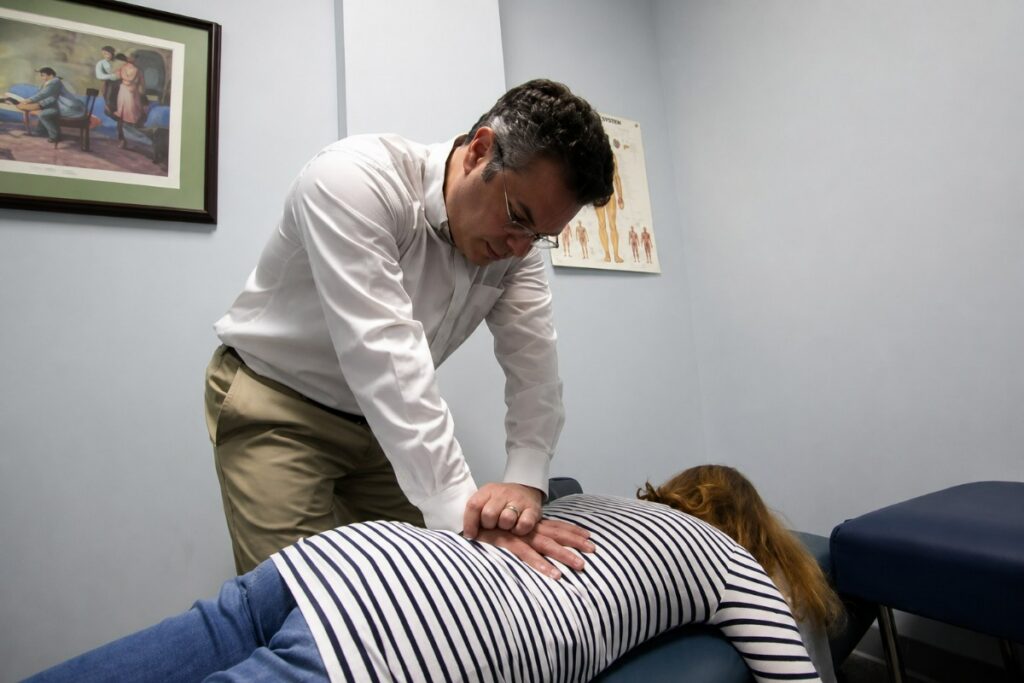

When it comes to boosting your mobility and flexibility, understanding the right techniques can make all the difference. You might think that simply stretching or doing yoga is enough, but there's a more thorough approach that involves integrating various practices and lifestyle changes. By focusing on effective stretching techniques, incorporating regular exercise, and even making dietary adjustments, you can greatly enhance your overall movement quality. Curious about how these elements come together to create a more flexible you? Let's explore the steps that can lead to tangible improvements in your mobility.
Importance of Mobility and Flexibility
When you focus on boosting your mobility and flexibility, you open up a world of benefits that enhance your daily life. Improved mobility allows you to move more freely and effortlessly, making everyday tasks like bending down to tie your shoes or reaching for something on a high shelf much easier.
You'll notice that simple activities become less of a chore, helping you maintain an active lifestyle. Flexibility plays an essential role in injury prevention. When your muscles and joints can move through their full range of motion, you reduce the risk of strains and sprains. This is especially important as you age, when stiffness can lead to falls or other injuries.
Prioritizing flexibility can keep you agile and fit, allowing you to enjoy physical activities without fear. Moreover, when you're more mobile, you often experience better posture and alignment. Good posture not only enhances your appearance but also minimizes strain on your body, reducing discomfort in your back and neck.
Enhanced mobility also contributes to better circulation and can boost your overall energy levels, making it easier to tackle your day. Lastly, improved mobility and flexibility can elevate your mental well-being. Engaging in physical activities releases endorphins, which can lift your mood and reduce stress.
Effective Stretching Techniques
Effective stretching techniques are essential for enhancing your mobility and flexibility. By incorporating the right methods into your routine, you can improve your range of motion and prevent injuries. Here are a few effective techniques you can use.
First, start with dynamic stretching. This involves moving parts of your body through their full range of motion, which helps warm up your muscles. Examples include leg swings, arm circles, and torso twists. Aim for 5-10 minutes of dynamic stretches before any workout to prepare your body.
Next, practice static stretching after your workouts. This technique involves holding a stretch for a specific period, usually 15-60 seconds. Focus on major muscle groups, such as hamstrings, quadriceps, and shoulders. Always breathe deeply during these stretches to enhance relaxation and effectiveness.
You might also want to try proprioceptive neuromuscular facilitation (PNF) stretching. This advanced technique involves both stretching and contracting your targeted muscle group. Start by stretching a muscle, then contract it for a few seconds, and finally stretch it again. This method can markedly improve flexibility but should be approached with caution to avoid overstretching.
Lastly, listen to your body. If you feel pain when stretching, ease off. Consistency is key, so aim to stretch at least three times a week.
With these effective techniques in your toolkit, you'll be well on your way to boosting your mobility and flexibility.
Incorporating Yoga Practices
Incorporating yoga practices into your routine can greatly enhance your mobility and flexibility. By engaging in yoga, you'll not only improve your physical capabilities but also cultivate a deeper mind-body connection. The various postures, or asanas, help stretch and strengthen your muscles while promoting balance and stability.
Start with foundational poses like Downward Facing Dog, Cat-Cow, and Child's Pose. These positions are excellent for warming up your body and gently increasing your range of motion. As you progress, you can move to more challenging poses such as Warrior II and Triangle Pose, which will further engage your muscles and joints.
Don't underestimate the power of breathwork in yoga. Practicing pranayama can enhance your flexibility by encouraging relaxation and reducing tension in your muscles. Inhale deeply as you enter a pose, and exhale fully as you deepen into it. This connection between breath and movement is vital in cultivating a flexible body and mind.
Aim for consistency in your practice. Even short, daily sessions can yield significant improvements over time. Consider trying different styles of yoga, like Hatha or Vinyasa, to find what resonates with you. Each style offers unique benefits that can help you achieve your mobility goals.
Lastly, listen to your body. It's important to honor your limits and avoid pushing yourself too hard. With patience and dedication, incorporating yoga into your routine will certainly boost your overall mobility and flexibility.
Engaging in Regular Exercise
Yoga is just one piece of the puzzle when it comes to boosting mobility and flexibility. Engaging in regular exercise is vital for enhancing your overall physical capabilities. It strengthens muscles, improves joint function, and increases your range of motion. You don't need to be a gym rat; even moderate activities like walking, swimming, or cycling can make a significant difference.
Aim for at least 150 minutes of moderate aerobic activity each week. This could be broken down into manageable sessions—just 30 minutes a day, five times a week.
Don't forget to incorporate strength training exercises twice a week. Strengthening your muscles supports your joints, which is essential for maintaining mobility as you age.
As you exercise, focus on dynamic stretches that warm up your body and prepare it for movement. Dynamic stretching can help improve flexibility and mobility while decreasing the risk of injury. Think leg swings, arm circles, and torso twists. These activities get your blood flowing and your muscles ready to work.
Don't overlook the importance of rest and recovery. Allow your body time to recuperate between workouts to prevent burnout and injury. Listening to your body is key; if something feels off, don't hesitate to modify your routine.
Lifestyle Changes for Improvement
How can simple lifestyle changes enhance your mobility and flexibility? Incorporating small adjustments into your daily routine can lead to significant improvements in how you move.
Start with your posture. Maintaining a neutral spine while sitting or standing can reduce stiffness and discomfort, making it easier for you to move freely.
Next, consider your daily habits. If you spend long hours sitting, stand up and stretch every hour. Simple stretches can prevent tight muscles and improve circulation.
When you're at home, try doing activities like cooking or cleaning while standing instead of sitting. This not only keeps you active but also helps you integrate movement into your day.
Nutrition plays an essential role too. A balanced diet rich in anti-inflammatory foods can help reduce joint pain and stiffness. Incorporate fruits, vegetables, nuts, and whole grains into your meals to nourish your body and support mobility.
Lastly, prioritize hydration. Staying well-hydrated lubricates your joints and keeps your muscles functioning effectively. Aim for at least eight glasses of water a day, and adjust based on your activity level.
Incorporating these lifestyle changes doesn't have to be overwhelming. Start small, and gradually integrate them into your routine.
You'll likely notice improved mobility and flexibility, making daily tasks feel easier and more enjoyable. Remember, consistency is key, and every little change contributes to your overall well-being.
Conclusion
To truly boost your mobility and flexibility, remember to combine dynamic and static stretches, embrace yoga, and stay active with regular exercise. Prioritize a balanced diet and hydration to support your joints. By listening to your body and making gradual adjustments, you'll enhance your overall movement and well-being. Start incorporating these genuine strategies today, and you'll notice significant improvements in how you feel and move, paving the way for a healthier, more active lifestyle.