If you're dealing with back pain in Charlotte, you know it can disrupt daily life and impact your overall well-being. You might be surprised to learn that finding balance often requires a combination of medical treatments, alternative therapies, and lifestyle adjustments. While physical therapy and chiropractic care are popular options, there are also lesser-known strategies that can make a significant difference. Understanding these approaches can provide you with the relief you seek, but how do you know which path to take? Let's explore the various methods available to find what works best for you.
Understanding Back Pain Causes
Back pain can stem from a variety of causes, making it essential to understand what might be behind your discomfort. One of the most common culprits is muscle strain, which can occur from lifting heavy objects, sudden movements, or poor posture.
If you've been sitting for long hours without proper back support, you may find yourself dealing with nagging pain.
Another factor could be your daily activities. Whether it's sports, exercise, or even household chores, repetitive motions can lead to overuse injuries.
If you regularly engage in activities that put stress on your back, you might want to reconsider your routine to prevent further strain.
Additionally, underlying medical conditions can contribute to back pain. Conditions like arthritis, herniated discs, or spinal stenosis often manifest as discomfort in the back.
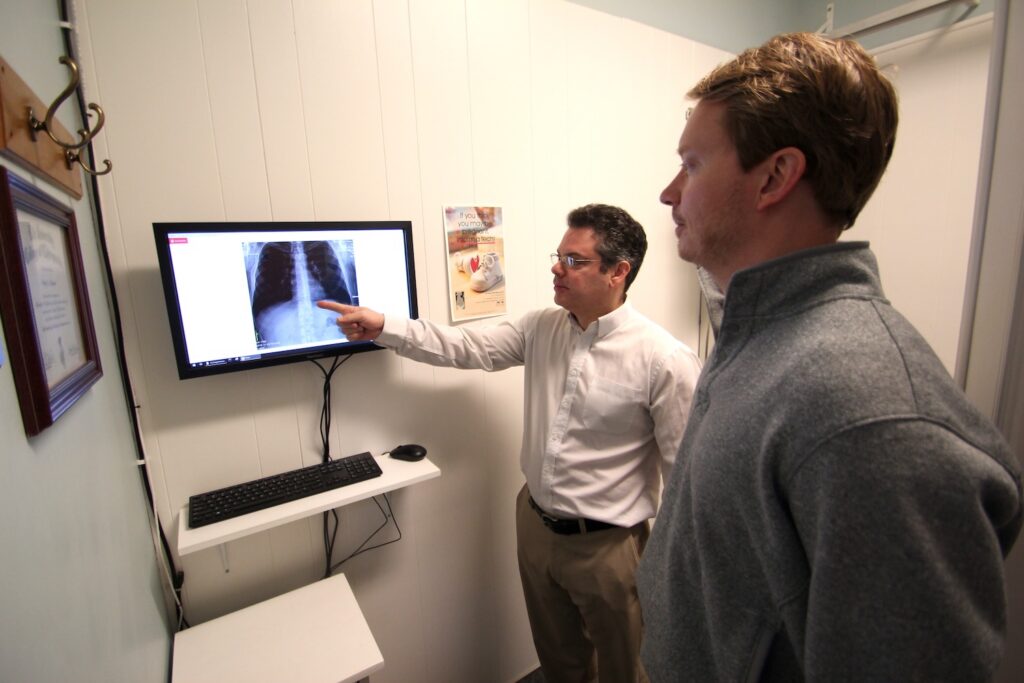
If you've noticed persistent pain that doesn't seem to improve, it's vital to take note of any accompanying symptoms, such as numbness or weakness.
Emotional stress can also play a significant role in back pain. When you're stressed, your body tenses up, which can lead to muscle tightness and pain.
Being aware of how your mental state affects your body may help you manage discomfort more effectively.
Ultimately, understanding the various causes of back pain empowers you to make informed choices about your health.
Whether it's adjusting your posture, re-evaluating your activities, or managing stress, being proactive about these factors can help alleviate your discomfort.
Medical Treatments Available
When dealing with persistent back pain, exploring medical treatments can be essential for finding relief. You've got several options, each tailored to address the specific nature of your discomfort.
First, over-the-counter pain relievers, like ibuprofen or acetaminophen, can be effective for mild to moderate pain. They work by reducing inflammation and alleviating discomfort, making daily activities more manageable.
If your pain is more severe, your doctor might prescribe stronger medications, such as muscle relaxants or prescription painkillers. These can provide significant relief but should be used cautiously due to potential side effects and the risk of dependency.
Physical therapy is another valuable treatment option. A physical therapist can guide you through exercises designed to strengthen your back muscles, improve flexibility, and enhance your posture. This approach often helps to prevent future flare-ups.
In some cases, your doctor may recommend injections, such as corticosteroids or nerve blocks. These can deliver targeted relief to inflamed areas, helping you regain mobility and comfort.
Lastly, if conservative treatments haven't worked, surgical options might be on the table. Procedures like discectomy or spinal fusion can address structural issues in the spine, but they typically come after other treatments have been exhausted.
Ultimately, the best medical treatment for your back pain will depend on its underlying cause and your overall health. Consulting a healthcare professional will help you determine the most appropriate path forward.
Alternative Therapies
For many people struggling with back pain, alternative therapies offer a holistic approach to healing and relief. You might find that methods like acupuncture, chiropractic care, and massage therapy can provide significant benefits.
Acupuncture involves inserting fine needles into specific points on your body, which can help alleviate pain and promote healing by stimulating your nervous system.
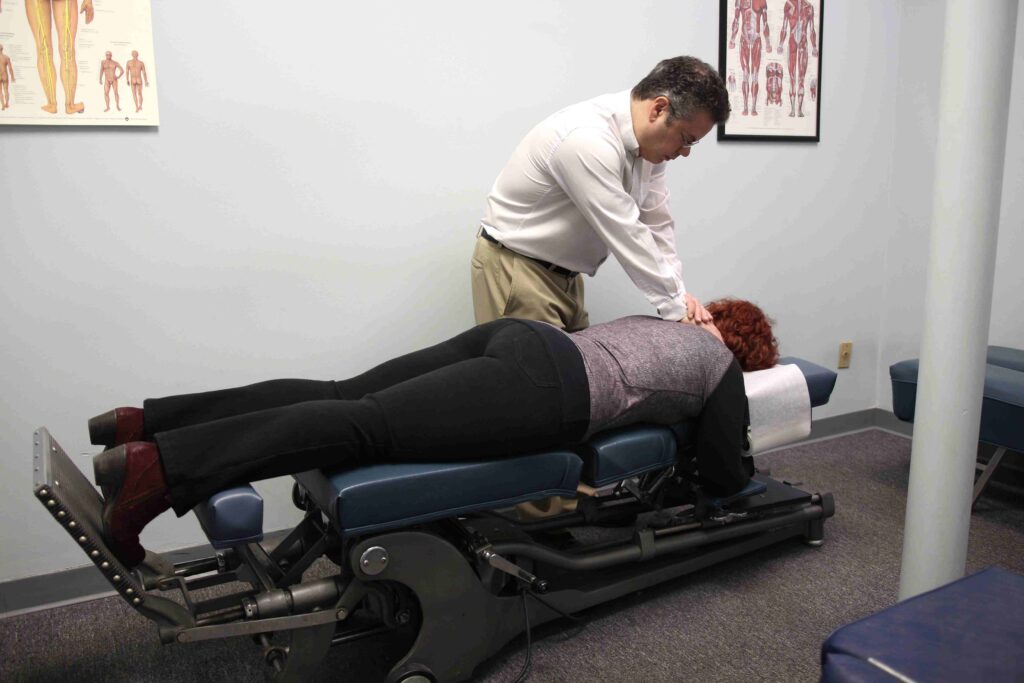
Chiropractic care focuses on spinal manipulation to improve alignment and function. Many individuals report reduced pain and increased mobility after just a few sessions. If you're considering this option, it's vital to choose a licensed chiropractor who understands your specific needs.
Massage therapy is another effective alternative. By targeting tense muscles, it can enhance relaxation and blood flow, which may help ease your back pain. You can explore different types of massage, such as deep tissue or Swedish, to find what works best for you.
Other therapies like yoga and Pilates can also contribute to back pain relief. These practices improve strength, flexibility, and posture, which can prevent future discomfort. In Charlotte, you can easily find studios that cater to beginners and provide classes specifically designed for those with back pain.
You might also explore herbal remedies and supplements, but always consult with a healthcare professional before starting any new treatment.
Remember that everyone's experience with back pain is unique, so it's important to find a combination of therapies that resonate with you for the best results.
Lifestyle Changes for Relief
Making lifestyle changes can greatly impact your back pain relief journey. One of the most effective steps you can take is to incorporate regular exercise into your routine. Aim for low-impact activities like walking, swimming, or yoga, which can strengthen your muscles and improve flexibility without putting too much strain on your back.
Also, pay attention to your posture. Poor posture can lead to muscle imbalances and increased discomfort. When sitting or standing, keep your shoulders back and your spine straight. Investing in ergonomic furniture can also make a significant difference.
Your diet plays a significant role too. Eating a balanced diet rich in anti-inflammatory foods like fruits, vegetables, and whole grains can help reduce inflammation in your body. Staying hydrated is equally important, as dehydration can lead to muscle cramps and discomfort.
Don't underestimate the power of sleep! Make sure you're getting enough restful sleep each night, as this is essential for recovery. Try to maintain a consistent sleep schedule and create a relaxing bedtime routine.
Lastly, managing stress is imperative. Chronic stress can lead to muscle tension, exacerbating your back pain. Consider practicing mindfulness, meditation, or deep-breathing exercises to help reduce stress levels and promote relaxation.
Local Support Groups and Resources
Finding local support groups and resources can be a game-changer in your journey toward managing back pain. Connecting with others who understand what you're going through can provide emotional support and practical advice. In Charlotte, you'll find a variety of resources designed to help you cope with back pain effectively.
Start by checking out organizations like the American Chronic Pain Association or local chapters of the National Pain Foundation. These groups often host meetings where you can share experiences and gain insights from others facing similar challenges. You might also find workshops or seminars that focus on pain management techniques, mindfulness, and stress reduction.
Additionally, local community centers often offer classes tailored for those dealing with chronic pain. Yoga, Pilates, or tai chi can be especially beneficial, as they promote flexibility and strength while being gentle on your back. Engaging in these activities with others can create a sense of camaraderie and motivation.
Don't forget about online resources as well. Many local support groups have Facebook pages or forums where you can connect with members from the comfort of your home. These platforms can provide you with a wealth of information on managing your pain, as well as resources for healthcare providers in the area.
Conclusion
In Charlotte, finding balance in managing your back pain is entirely possible with the right combination of treatments and support. By exploring medical options, embracing alternative therapies, and making lifestyle changes, you can take significant steps toward relief. Don't hesitate to reach out to local resources and support groups—they're there to help you on your journey. Remember, you're not alone in this, and with determination and the right strategies, you can improve your well-being and enjoy life more fully.