When you face a sports injury, understanding your treatment options can greatly impact your recovery and future performance. You might start with traditional methods like rest and ice, but as you explore further, you'll find a range of innovative therapies designed to accelerate healing. Each option has its own benefits, and knowing when to seek professional advice can make all the difference in avoiding long-term setbacks. What you choose today could set the stage for your next big comeback—so let's consider the choices available to you.
Common Sports Injuries
When you engage in sports, you increase your risk of encountering common injuries that can sideline you for weeks or even months. Sprains and strains are among the most frequent injuries athletes face. A sprain occurs when ligaments—the tissues connecting your bones—stretch or tear, often affecting your ankles or knees.
Strains, on the other hand, involve muscles or tendons and typically happen in your hamstrings or back. You may feel pain, swelling, or even limited mobility in the affected area.
Another common injury is tendonitis, which results from overuse. You might experience this condition in your elbow (tennis elbow) or shoulder (rotator cuff tendonitis). The inflammation and pain can become chronic if not addressed promptly, so it's essential to pay attention to early signs.
Fractures, though less frequent, can occur, especially in high-impact sports. A stress fracture, a small crack in the bone, often develops gradually from repetitive stress. You might notice persistent pain that worsens with activity.
Lastly, concussions are a significant concern, particularly in contact sports. If you experience headaches, confusion, or dizziness after a blow to the head, it's important to seek immediate medical attention.
Understanding these common injuries can help you recognize symptoms and take preventative measures. Staying aware of your body and knowing when to rest can lead to a healthier, more enjoyable sports experience.
Traditional Treatment Methods
When you're dealing with a sports injury, traditional treatment methods like rest and recovery can make a big difference.
Incorporating physical therapy approaches helps you regain strength and mobility effectively.
Let's explore how these techniques can aid in your healing process.
Rest and Recovery Techniques
Although you might be enthusiastic to jump back into your sport after an injury, prioritizing rest and recovery is vital for long-term healing. Ignoring your body's signals can lead to further injury and prolonged downtime.
Here are four effective rest and recovery techniques you should consider:
- Ice Therapy: Applying ice to the injured area can reduce swelling and numb pain. Aim for 15-20 minutes every couple of hours during the first 48 hours post-injury.
- Compression: Use elastic bandages or compression wraps to support the injured area and minimize swelling. Just make sure it's not too tight, as that can restrict blood flow.
- Elevation: Keeping the injured limb elevated above heart level helps reduce swelling. Use pillows to prop it up while resting or sleeping.
- Rest: This is the most important part. Give your body time to heal by avoiding any activities that stress the injured area.
Listen to your body, and gradually reintroduce movement as you feel better.
#
Physical Therapy Approaches
A variety of physical therapy approaches can greatly aid in your recovery from sports injuries. These methods focus on restoring movement, improving strength, and reducing pain. Your therapist will likely start with an assessment to identify specific issues, tailoring a program just for you.
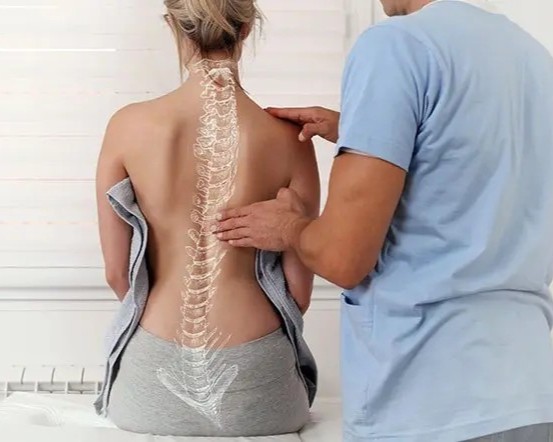
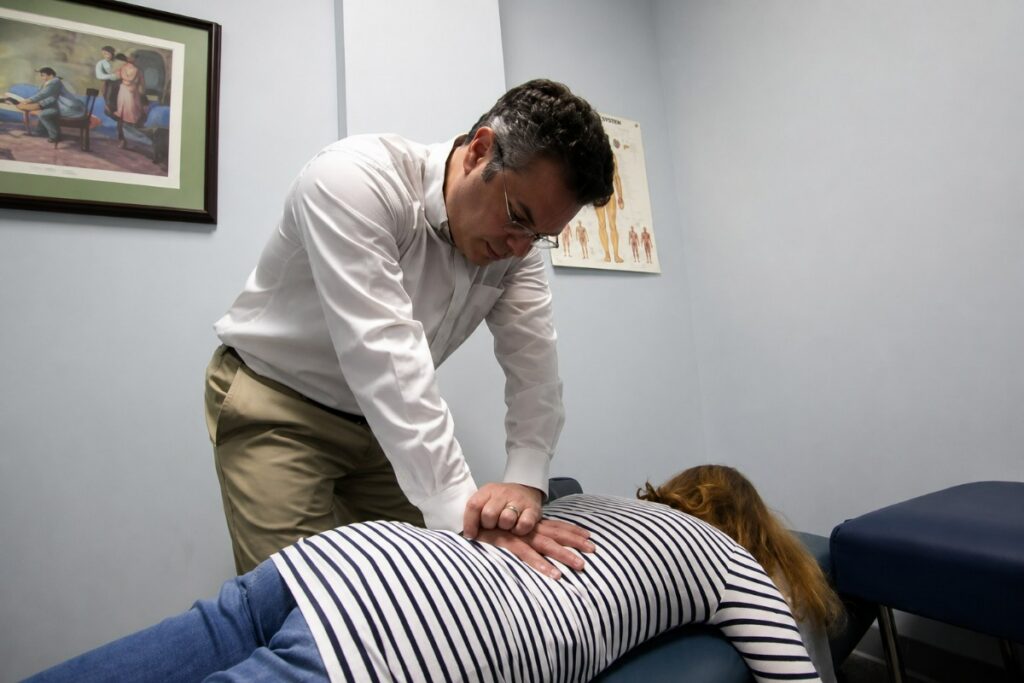
One common technique is manual therapy, which involves hands-on manipulation to relieve muscle tightness and improve joint mobility.
You'll also benefit from therapeutic exercises that build strength and flexibility. These exercises are vital for regaining function and preventing future injuries.
Modalities like ultrasound or electrical stimulation might be used to manage pain and promote healing. These treatments can enhance blood flow and accelerate recovery, helping you get back to your sport faster.
Don't forget the importance of education. Your therapist will teach you about proper body mechanics and techniques to avoid re-injury. Incorporating these lessons into your daily routine is key to long-term success.
Finally, commitment to your rehabilitation program is essential. With consistent effort and guidance from your physical therapist, you can return to peak performance and enjoy your favorite activities once again.
## Physical Therapy Approaches
How can physical therapy help you recover from a sports injury? It plays a vital role in your recovery journey by promoting healing, restoring function, and minimizing pain.
A skilled physical therapist will assess your injury and create a tailored plan to get you back to your sport as quickly and safely as possible. Here are some effective physical therapy approaches you can expect:
- Manual Therapy: This hands-on technique involves manipulating muscles and joints to reduce pain and improve mobility. Your therapist may use techniques like massage or joint mobilization to enhance recovery.
- Exercise Rehabilitation: You'll likely engage in specific exercises designed to strengthen the affected area and improve flexibility. These exercises will gradually increase in intensity, helping you regain strength and function.
- Modalities: Physical therapists often use various modalities, such as heat, ice, ultrasound, or electrical stimulation, to alleviate pain and reduce inflammation. These techniques can complement your exercise regimen.
- Education and Prevention: Your therapist will provide valuable insights on proper techniques, body mechanics, and injury prevention strategies. Understanding how to avoid future injuries is just as important as recovering from the current one.
Innovative Treatment Techniques
While physical therapy lays a strong foundation for recovery, innovative treatment techniques are pushing the boundaries of sports injury rehabilitation. You'll find that advancements in technology and methodology are continually reshaping how injuries are treated, leading to quicker and more effective recoveries.
One of the most exciting developments is the use of regenerative medicine, which harnesses your body's natural healing processes. Techniques like platelet-rich plasma (PRP) therapy involve drawing your blood, concentrating its healing components, and injecting them back into the injured area. This method can considerably accelerate recovery times and improve outcomes.
Another notable technique is the use of stem cell therapy. By utilizing stem cells to repair damaged tissues, you can potentially regain function faster than with traditional methods. This approach is especially promising for chronic injuries that haven't responded to conventional treatments.
You might also explore the benefits of cryotherapy and hyperbaric oxygen therapy. Cryotherapy helps reduce inflammation and pain by exposing your body to extreme cold, while hyperbaric oxygen therapy enhances recovery by delivering oxygen at higher pressures, promoting healing in injured tissues.
Finally, consider the role of wearable technology in monitoring your recovery. Devices that track your movement and biomechanics can provide real-time feedback, helping you adjust your training and rehabilitation efforts effectively.
Preventive Measures for Athletes
To stay at the top of your game and minimize the risk of injuries, incorporating preventive measures into your training routine is essential. By being proactive about your health, you can enhance your performance and enjoy your sport without the setbacks of injuries.
Here are four key preventive measures to reflect on:
1. Warm-Up and Cool Down: Always start your training with a proper warm-up. Dynamic stretches and light cardiovascular exercises prepare your muscles for action.
After your session, cool down with static stretches to promote flexibility and recovery.
2. Strength Training: Incorporate strength training into your regimen. Building muscle strength helps support your joints and reduces the risk of strains and sprains.
Focus on exercises that target the specific muscles used in your sport.
3. Stay Hydrated: Dehydration can lead to fatigue, muscle cramps, and decreased performance.
Make it a habit to drink water before, during, and after your workouts to maintain ideal hydration levels.
4. Listen to Your Body: Pay attention to any signs of discomfort or pain.
Rest is just as important as training. If you feel fatigued or notice any unusual sensations, take a break to allow your body to recover.
When to Seek Professional Help
Knowing when to seek professional help for a sports injury can make all the difference in your recovery. If you've sustained an injury, start by evaluating the severity of your symptoms. If you experience severe pain, swelling, or an inability to move the affected area, it's time to consult a healthcare professional. These signs often indicate a more serious condition that may require immediate attention.
You should also seek help if your injury doesn't improve within a few days of rest and self-care. If you notice persistent or worsening symptoms, like bruising, instability, or difficulty bearing weight, don't hesitate to reach out to a doctor or physical therapist. Ignoring ongoing pain can lead to long-term complications and prolonged recovery times.
Another critical factor is the type of injury. For instance, if you suspect a fracture, ligament tear, or dislocation, professional evaluation is crucial. These injuries can greatly impact your mobility and overall athletic performance if not treated properly.
Finally, consider your own experience and knowledge. If you're unsure about the severity of your injury or how to manage it, it's always better to err on the side of caution. Seeking professional help not only provides a proper diagnosis but also gives you a tailored recovery plan.
Conclusion
Injuries can sideline you, but knowing your treatment options can speed up your recovery. Whether you're using traditional methods, engaging in physical therapy, or exploring innovative techniques, each approach plays a role in getting you back to peak performance. Don't forget the importance of preventive measures to minimize future injuries. If you're ever in doubt about your condition, seeking professional help is key to ensuring a safe and effective recovery. Stay proactive and take charge of your healing journey!