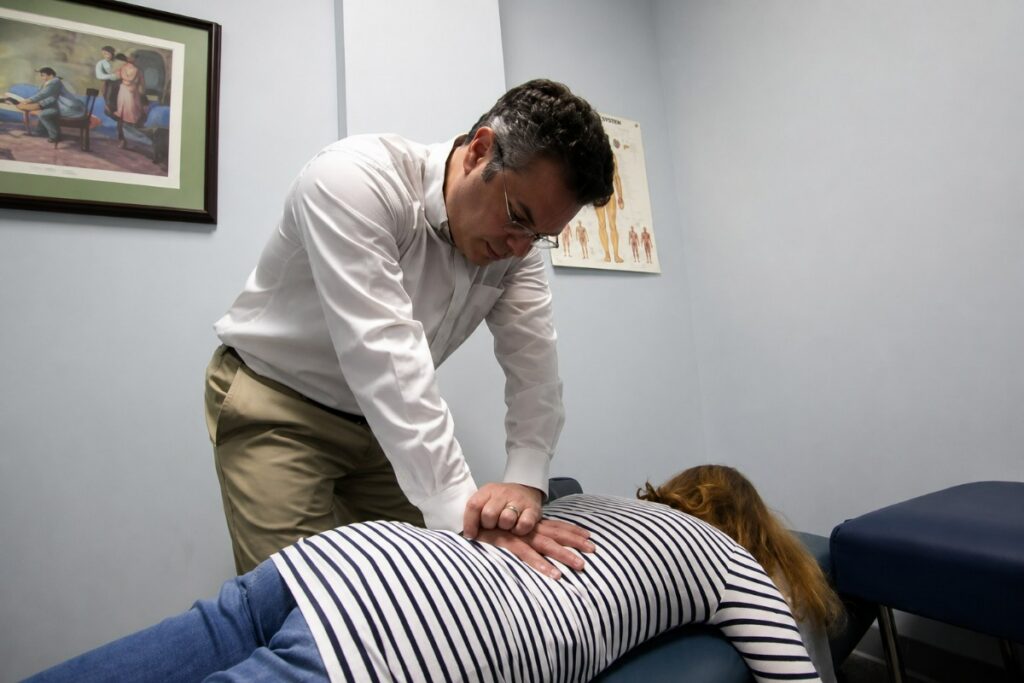

As a local chiropractor, I want to emphasize the importance of expert techniques for recovering from sports injuries that go beyond just resting. It's crucial to adopt a holistic approach to healing, which includes not only pain management and rehabilitation exercises but also proper nutrition.
Incorporating methods like ice therapy can significantly reduce inflammation and discomfort. Additionally, engaging in tailored strength training can help rebuild the affected area safely and effectively.
Now, let's talk about the role of specific foods and supplements in your recovery. Many patients may not realize that certain nutrients can accelerate tissue repair and enhance your body's healing process. By understanding how proper nutrition works in tandem with chiropractic care, we can transform your recovery experience and help you return to your sport even stronger. Embracing natural healing methods can make a significant difference in your overall wellness and athletic performance.
Understanding Sports Injuries
As a local chiropractor, I want to emphasize the importance of understanding sports injuries for anyone who's active, whether you're a seasoned athlete or just enjoy recreational activities. Our bodies are remarkably resilient, but they face constant challenges when we step onto the field or court. That's why it's crucial to recognize the types of injuries that can occur and how we can take proactive steps to prevent them.
Common injuries include sprains, strains, fractures, and tendonitis. Each of these injuries varies in severity and requires specific care. For instance, sprains occur when ligaments are stretched or torn, often affecting areas like the ankles or knees. Strains, on the other hand, involve muscles or tendons and often result from overuse or improper technique.
Fractures, which are breaks in the bone, can occur suddenly during high-impact activities, while tendonitis develops more gradually due to repetitive motions, leading to inflammation and pain.
Understanding how these injuries happen is essential for prevention. Factors such as inadequate warm-ups, poor conditioning, and even improper footwear can significantly increase your risk of injury. It's also important to pay attention to warning signs like persistent pain, swelling, or instability in the affected area. Ignoring these symptoms can lead to more serious issues later on.
Injuries can affect anyone, no matter their skill level. That's why staying informed is your best defense. As part of a holistic approach to your health, I advocate for injury prevention techniques that include proper stretching, strength training, and listening to your body during physical activity.
By being proactive and educated, you can minimize your risk of injury and truly enjoy your sport.
Remember, understanding sports injuries isn't just about how to recover; it's about ensuring you can keep playing at your best. As a chiropractor, I'm here to guide you through natural healing and recovery, helping you maintain optimal performance and well-being in your chosen activities.
Let's work together to keep you active and injury-free!
Importance of Rest and Recovery
As a local Chiropractor, I want to emphasize how crucial rest and recovery are in the healing process, especially if you've experienced a sports injury.
It's important to understand that when you take the time to rest, your body has the opportunity to repair itself effectively. In addition to proper rest, incorporating active recovery techniques can be beneficial. These methods keep you gently engaged without putting too much strain on your body.
Moreover, I can't stress enough the importance of quality sleep. It plays a significant role in your overall recovery journey.
Prioritizing rest, recovery, and restorative sleep is essential to help your body heal naturally and efficiently. By understanding these concepts, you can enhance your recovery and get back to your activities with renewed strength and vitality.
Benefits of Adequate Rest
As a local chiropractor, I want to emphasize the crucial role that adequate rest plays in your overall health and well-being, especially for those engaged in physical activities. Just like any athlete, your body benefits immensely from a proper balance between activity and recovery. When you take the time to rest, your body can effectively repair and rebuild tissues, replenish energy stores, and strengthen muscles. This not only helps prevent injuries but also enhances your performance in everyday activities.
One of the most important aspects of recovery is getting enough sleep. Quality sleep is vital because it regulates hormones that are essential for muscle growth and repair. If you frequently cut back on rest, you might find yourself experiencing fatigue, reduced focus, and slower reaction times, all of which can impede your progress and increase your risk of injury.
Rest is also critical for your nervous system. It allows your body to recover and ensures that you maintain proper coordination and balance during your daily activities. It's during these rest periods that your body adapts to the physical stress you've placed on it, leading to improved strength and endurance when you return to your daily routines.
By prioritizing adequate rest, you create a sustainable approach to your health and wellness. Listening to your body and giving it the recovery it needs is essential for long-term success, whether you're an athlete or simply looking to enhance your quality of life.
Don't underestimate the significance of rest—it's a vital ally in your journey towards better health and peak performance. If you have questions about how chiropractic care can support your recovery and overall wellness, feel free to reach out.
Active Recovery Techniques
As a local chiropractor, I want to share with you the benefits of incorporating active recovery techniques into your routine, especially if you're navigating the recovery process after an injury.
These methods not only enhance your overall healing but also play a crucial role in maintaining blood circulation, reducing muscle soreness, and promoting flexibility. Rather than remaining completely inactive, I encourage you to engage in light activities that keep you moving without putting too much strain on your body.
Here are some effective active recovery techniques you can incorporate into your regimen:
- Gentle stretching: This practice is essential for improving flexibility and relieving tension in your muscles, helping you feel more comfortable as you heal.
- Walking: A simple activity that can significantly stimulate circulation, walking allows you to stay active without putting undue stress on your body.
- Swimming: This low-impact exercise is perfect for soothing your joints while providing a comprehensive workout for your entire body.
- Yoga: Not only does yoga enhance your mobility, but it also promotes mindfulness, allowing you to connect with your body and its needs during recovery.
- Foam rolling: This technique helps ease muscle tightness and enhances blood flow, facilitating a faster healing process.
Incorporating these techniques into your routine can help you recover more effectively and return to your regular activities with greater ease.
If you have any questions about how to get started or how these methods can complement your treatment plan, feel free to reach out!
Sleep's Role in Healing
As a chiropractor dedicated to your holistic health, I want to emphasize the crucial role that sleep plays in your recovery journey. Many people underestimate how vital quality rest is for healing. During sleep, your body is actively engaged in repairing itself, and this process is essential after any physical stress, such as an injury or a vigorous workout.
One key aspect I want to highlight is that growth hormone, which is essential for muscle recovery and tissue repair, reaches its peak during deep sleep. If you're not getting enough of this restorative sleep, you could be slowing down your healing process significantly.
Moreover, quality sleep can help alleviate inflammation and pain, which are often experienced after sports injuries or physical strain. A well-rested body means a stronger immune system, better equipped to fend off infections that could hinder your recovery.
Additionally, adequate sleep improves your mental clarity and mood—both of which are vital in maintaining motivation and a positive outlook during your rehabilitation.
To enhance your sleep quality, I recommend establishing a calming bedtime routine. Aim to go to bed and rise at the same time each day, and be mindful of limiting screen time before you sleep. Create a peaceful sleep environment—keep your bedroom dark, cool, and quiet.
Rehabilitation Exercises
As a local chiropractor, I want to emphasize the crucial role rehabilitation exercises play in your recovery journey after an injury.
These exercises are designed to strengthen your muscles safely, enhance flexibility, and help you gradually return to your daily activities. By incorporating these movements into your routine, you can significantly improve your healing process.
It's important to approach rehabilitation exercises with care and consideration. Each exercise should be tailored to your specific needs and abilities to ensure a successful recovery.
Remember, chiropractic care focuses on natural healing methods, and these rehabilitation exercises are an integral part of that approach.
Let's work together to create a personalized plan that supports your health and helps you get back on your feet.
Strengthening Muscles Safely
As a local chiropractor, I want to emphasize the importance of safely strengthening your muscles, especially if you're recovering from a sports injury. Our goal is to help you rebuild strength through controlled, gradual exercises, ensuring that you minimize the risk of further injury.
It's crucial to start with low-impact activities and to pay attention to how your body responds during this process.
Here are some effective methods I recommend to safely strengthen your muscles:
- Resistance bands: These are fantastic tools for creating tension and building muscle without the need for heavy weights, making them gentle on your joints.
- Bodyweight exercises: Incorporate movements like squats, lunges, and push-ups. These exercises engage multiple muscle groups and can be adjusted according to your fitness level.
- Lightweight dumbbells: Begin with light weights to maintain proper form, and gradually increase the weight as your strength improves. This progressive approach helps prevent strain.
- Stability balls: Utilizing stability balls can enhance your core strength and balance, contributing to overall stability in your movements.
- Aquatic workouts: Exercising in water offers resistance while significantly reducing strain on your joints, making it an excellent option for gentle strengthening.
I always recommend consulting with a physical therapist or a qualified trainer who can tailor your exercise routine to your specific needs.
They can guide you in selecting the right exercises and monitoring your progress. By focusing on safe strengthening techniques, you'll not only aid your recovery but also prepare yourself to return to your favorite activities in a healthy and sustainable way!
Flexibility and Mobility Drills
As a local chiropractor, I want to emphasize the importance of incorporating flexibility and mobility drills into your recovery routine, especially if you're healing from an injury.
These exercises are vital for maintaining and enhancing the range of motion in your joints, which is crucial during the healing process. Not only do they help reduce muscle tightness, but they also promote better circulation, ultimately speeding up your recovery.
Begin with gentle stretches that are specifically designed for the area of your injury. It's important to focus on slow, controlled movements. For example, if you're recovering from a knee injury, seated or standing hamstring stretches can be very beneficial.
Aim to hold each stretch for 15 to 30 seconds and remember to breathe deeply to help relax your muscles.
In addition to static stretches, I recommend incorporating dynamic movements into your routine. Simple exercises like leg swings or arm circles can enhance your mobility while keeping your muscles warm.
Always pay attention to your body's signals—if you experience any pain, it's essential to stop and modify your approach.
Consistency is key when it comes to these drills. Ideally, you should practice them daily to achieve the best results.
By enhancing your flexibility and mobility, you're not only facilitating a smoother recovery but also improving your overall function, which is crucial for returning to your favorite activities.
As your chiropractor, I'm here to support you on this journey to natural healing and wellness.
Gradual Return to Activity
As you embark on your journey to recovery, it's important to understand the significance of a gradual return to activity. This approach is vital for rebuilding strength and stability after an injury. Jumping back into your regular routine too quickly can lead to setbacks, so it's crucial to take your time.
Begin with low-impact exercises that will help maintain your range of motion and enhance your endurance.
Here are some effective rehabilitation exercises that I often recommend to my patients:
- Walking: Start with short, gentle walks and gradually increase the distance as you begin to feel more comfortable. Walking is a natural way to get your body moving again.
- Stationary Cycling: Utilizing a stationary bike can promote leg movement while minimizing strain on your joints, making it a safe choice during recovery.
- Resistance Bands: Incorporating resistance bands is an excellent way to strengthen the muscles surrounding your injury while reducing the risk of re-injury.
- Balance Exercises: Practicing balance exercises, like standing on one leg or using a balance board, can significantly improve your stability and coordination, both of which are crucial for preventing future injuries.
- Water Aerobics: Engaging in exercises in the water takes advantage of buoyancy, allowing you to work out without placing too much pressure on your body, which can be very beneficial during recovery.
Always remember to listen to your body and modify your activities according to how you feel.
Consistency and patience are essential components of a successful return to your sport or daily activities. As a chiropractor, I encourage you to explore these natural healing methods and stay informed about your body's needs as you recover.
Nutrition for Healing
As a local chiropractor dedicated to your overall health and well-being, I want to emphasize the vital role nutrition plays in recovering from sports injuries. Your body requires the right nutrients to effectively repair tissues, reduce inflammation, and rebuild strength. It all starts with a balanced diet that prioritizes whole, nutrient-dense foods.
Lean proteins are fundamental for muscle repair, so consider incorporating options such as chicken, fish, and legumes into your meals. Aim for at least 20-30 grams of protein at each meal to support your healing process.
Carbohydrates are equally important, as they provide the energy necessary for recovery and keep you active during rehabilitation. Opt for complex carbohydrates like whole grains, fruits, and vegetables. These choices will fuel your recovery while maintaining stable blood sugar levels.
Additionally, healthy fats—found in foods like avocados, nuts, and olive oil—are crucial for reducing inflammation.
Let's not overlook the significance of vitamins and minerals in your recovery journey. Ensure you're getting enough vitamin C, which can be found in citrus fruits and berries, as it plays a key role in collagen formation, necessary for tissue repair. Zinc, present in meats and nuts, is another vital nutrient that supports immune function and tissue healing.
Staying hydrated is essential, too. Water transports nutrients to your cells and helps eliminate toxins from your body. Aim for at least eight glasses of water a day, adjusting based on your activity level and the climate you're in.
Lastly, I encourage you to consider consulting with a nutritionist who specializes in sports recovery. They can create a tailored plan that meets your unique needs.
Pain Management Strategies
As a local chiropractor, I want to share some effective pain management strategies that can assist you in your recovery from a sports injury.
These techniques not only alleviate discomfort but also foster the healing process in a natural way. Here are some methods you can integrate into your recovery plan:
- Ice Therapy: Applying ice packs to your injury can numb the area and significantly reduce inflammation. Imagine the soothing cold enveloping your injury, offering immediate relief and helping manage swelling.
- Compression: Utilizing an elastic bandage can provide support to the affected area and help minimize swelling. Picture that firm compression gently hugging your muscles, delivering stability and comfort as you heal.
- Elevation: Keeping your injured limb elevated is crucial in decreasing blood flow to the area, which can help reduce swelling. Visualize propping your leg up on a pillow—this simple action gives it the rest and support it needs for optimal recovery.
- Over-the-Counter Pain Relievers: While I advocate for natural healing, medications like ibuprofen or acetaminophen can be beneficial for easing pain and inflammation in the short term. Think of these as temporary allies in your journey toward comfort.
- Physical Therapy: Participating in guided exercises with a qualified professional can enhance your recovery by strengthening the affected area and managing pain. Envision yourself working through personalized movements designed to restore your functionality and promote healing.
As your chiropractor, I encourage you to consider these natural pain management strategies as part of your holistic approach to recovery.
Together, we can work towards restoring your health and well-being.
Preventing Future Injuries
As your local chiropractor, I want to emphasize the importance of taking proactive steps to prevent sports injuries and promote overall well-being through natural healing.
It's essential to enhance your strength and flexibility to keep injuries at bay. One effective way to do this is by incorporating a comprehensive strength training program tailored to your specific sport. Focusing on exercises that engage the muscles you use most can't only build your strength but also stabilize your joints, significantly reducing your risk of injury.
Flexibility is another critical component that should never be overlooked. Regular stretching can improve your range of motion, helping to prevent muscle strains. I recommend dynamic stretches before your activities to warm up your muscles and static stretches afterward to aid in recovery.
Additionally, practices like yoga or Pilates are wonderful for enhancing both strength and flexibility, contributing to your overall physical health.
It's crucial to heed your body's signals. If you experience any pain or discomfort, it's important not to ignore it. Rest and consider seeking professional advice if necessary. Many overuse injuries arise from the habit of pushing through pain, so listening to your body is vital.
Also, ensure that you're wearing the right footwear that provides the necessary support and cushioning for your specific sport.
Lastly, I encourage you to think about cross-training. Engaging in a variety of physical activities can help you develop different muscle groups and minimize the strain on any one area. This balanced approach not only lowers your risk of injury but also enhances your overall athletic performance.
By integrating these proactive measures and maintaining a well-rounded fitness routine, you'll be better equipped to prevent future injuries and fully enjoy your sporting activities.
Conclusion
Injuries can be quite disheartening, but as your local chiropractor, I want to share how a natural healing approach can help you recover even stronger. The first step is to prioritize rest, allowing your body the time it needs to heal. Alongside this, following a structured rehabilitation program tailored to your specific injury can make a significant difference in your recovery journey.
Nutrition plays a vital role in healing, so it's important to fuel your body with the right foods. Incorporating anti-inflammatory foods can aid in reducing pain and swelling, while proper hydration supports overall recovery. Additionally, utilizing pain management techniques, such as spinal adjustments and soft tissue therapies, can promote healing and enhance your mobility.
I also encourage you to focus on preventative measures, which can help you avoid future injuries. Regular chiropractic care can improve your body's alignment, flexibility, and strength, making you less susceptible to injuries. By embracing these natural healing strategies, you'll not only recover effectively but also enhance your overall well-being. Together, we can work towards getting you back in the game and enjoying an active lifestyle!