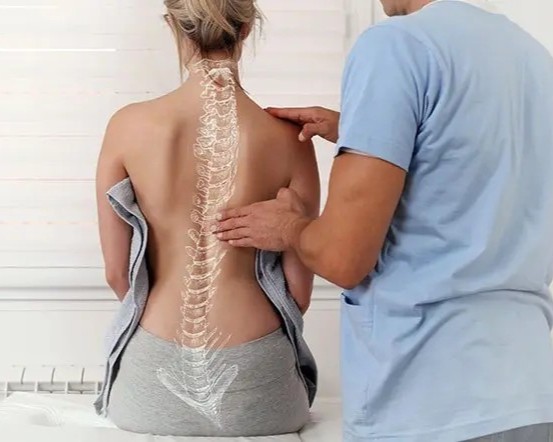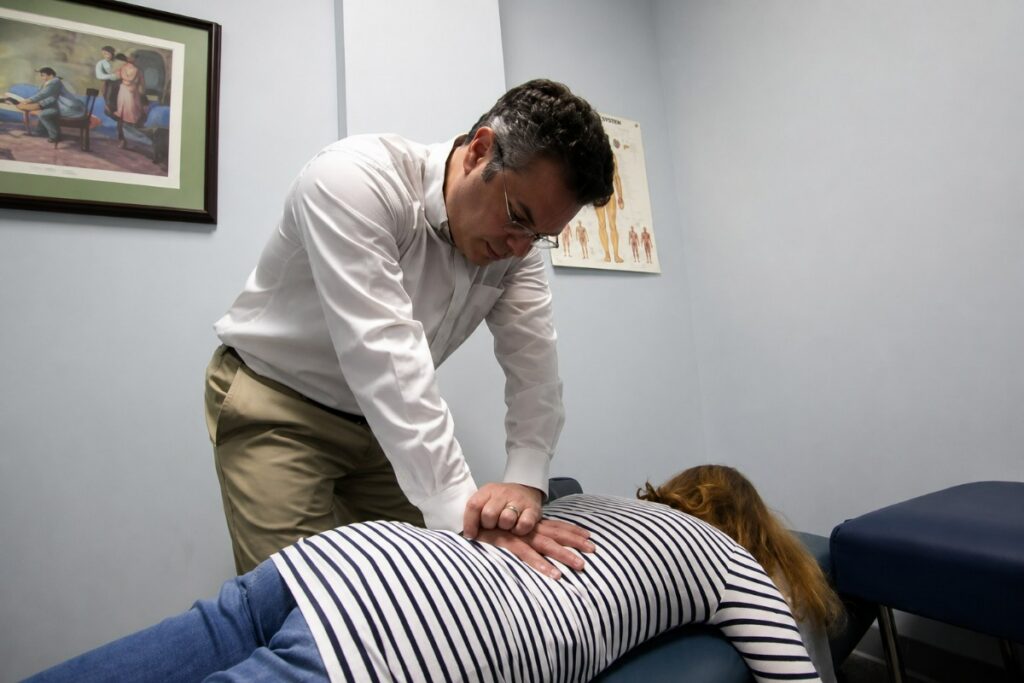

As a local chiropractor, I often see patients who struggle with back pain, a common concern that can significantly impact your daily activities. It’s essential to understand that addressing this issue goes beyond temporary relief; it involves a commitment to strengthening your body through specific exercises. By focusing on movements that strengthen your core, enhance flexibility, and improve posture, you can take proactive steps towards long-term spinal health.
Incorporating a balanced routine of essential exercises is not just about feeling better in the moment; it’s about laying the groundwork for a healthier back in the future. Through these exercises, you can greatly reduce your risk of discomfort and improve your overall well-being. Let’s dive into the key exercises that can truly make a difference in your journey to a pain-free life. Remember, I’m here to guide you on this path to natural healing!
Understanding Back Pain: Causes and Prevention
As a chiropractor, I want to help you understand the common causes of back pain and how you can prevent it naturally. Many individuals experience discomfort due to factors like poor posture, muscle strain, and a sedentary lifestyle.
If you find yourself sitting for prolonged periods or improperly lifting heavy objects, you may be putting unnecessary strain on your back. Additionally, stress can lead to muscle tension, which often exacerbates pain issues.
Being mindful of these contributing factors is crucial for your overall well-being. If you notice your posture beginning to falter while working, consider adjusting your chair or taking regular breaks to stretch and move.
Engaging in consistent physical activity is also important; it keeps your muscles active and helps prevent stiffness.
Listening to your body is key. If you experience discomfort, don’t hesitate to reach out for help. Chiropractic care offers natural healing options that can support your body’s ability to heal and function optimally.
Together, we can work on strategies to prevent back pain and enhance your quality of life.
The Importance of Core Strength for Back Health
As a local chiropractor, I want to emphasize the critical role that core strength plays in maintaining a healthy back. Many people may not realize that a strong core is essential for supporting your spine and preventing injuries. When your core muscles are well-developed, they help stabilize your pelvis and lower back, which significantly reduces strain on your spine during everyday activities.
Here are some key reasons why focusing on core strength is vital for your overall health:
- Improved Posture: A strong core can help you maintain better posture, which in turn alleviates stress on your back.
- Enhanced Balance: Strengthening your core lowers the risk of falls and injuries by improving your balance.
- Proper Lifting Techniques: A strong core supports safe lifting practices, protecting your spine from potential injuries.
- Reduced Muscle Imbalances: Focusing on core strength can help decrease the likelihood of muscle imbalances that often lead to discomfort and pain.
- Boosted Athletic Performance: A strong core enhances your overall athletic performance, making physical activities feel easier and more enjoyable.
By incorporating core-strengthening exercises into your routine, you can make a significant positive impact on your back health.
Prioritizing your core is a proactive step towards supporting your spine and enjoying a more active, pain-free life. If you have any questions about how to strengthen your core or how chiropractic care can complement your efforts, feel free to reach out.
Together, we can work towards achieving your health goals!
Stretching Exercises for Flexibility
As a local chiropractor dedicated to your overall health and wellness, I want to emphasize the importance of flexibility in maintaining a healthy back and preventing pain.
Many people may not realize that incorporating specific stretching techniques into your daily routine can significantly enhance your range of motion and alleviate tension in your body.
Let’s take a closer look at some effective stretches that I often recommend to my patients.
These stretches not only improve flexibility but also support your back health, allowing you to move with ease and comfort.
By integrating these exercises into your lifestyle, you can take proactive steps toward a pain-free future.
Importance of Flexibility
As a local Chiropractor, I want to emphasize the critical role that flexibility plays in maintaining a healthy back and preventing pain. Many people are unaware of how important it’s for your muscles and joints to move freely. When you have good flexibility, you’re less likely to strain your back or injure yourself.
Here are some key benefits of improving your flexibility that I often share with my patients:
- Enhanced Range of Motion: Increased flexibility allows you to move more freely and comfortably throughout your daily activities, whether it’s bending to tie your shoes or reaching for items on a shelf.
- Reduced Muscle Tension: Stretching can help to relax tight muscles, which often contribute to discomfort and pain in the back. By loosening these muscles, you can alleviate some of the pressure on your spine.
- Improved Posture: When your muscles are flexible, they help support proper alignment of your spine. This alignment is crucial in reducing the strain on your back and maintaining good posture.
- Better Circulation: Stretching enhances blood flow to your muscles, which nourishes them and aids in recovery after any physical activity. This is particularly important for healing and maintaining muscle health.
- Stress Relief: The act of stretching not only benefits your physical body but can also help relax your mind. Reducing stress is vital, as it often contributes to tension and pain in the back.
Incorporating flexibility exercises into your daily routine can have a profound impact on your overall back health.
As your Chiropractor, I encourage you to explore these exercises, as they can greatly enhance your well-being and quality of life.
Key Stretching Techniques
As a local chiropractor dedicated to promoting your overall well-being, I want to share some effective key stretching techniques that can greatly enhance your back health.
One of the first exercises I recommend is the cat-cow stretch. This movement is fantastic for improving spinal flexibility. To perform it, get on your hands and knees, and gently alternate between arching and rounding your back while taking deep breaths.
Another excellent stretch is the seated forward bend. Sit with your legs extended in front of you and reach for your toes. This will help stretch your hamstrings and lower back, providing relief and enhancing flexibility.
I also encourage you to try the child’s pose. This pose allows your spine to relax while stretching your hips, which can be very soothing after a long day.
Lastly, don’t overlook the standing quadriceps stretch. While standing, grab one foot and pull it toward your glutes to stretch the front of your thighs.
Incorporating these stretches into your daily routine can significantly reduce tension, increase flexibility, and help prevent back pain.
Strengthening Exercises for a Resilient Back
As your local chiropractor, I want to emphasize the importance of building a resilient back through targeted strengthening exercises.
Focusing on core stability and overall flexibility is crucial for maintaining a healthy spine. Incorporating resistance training into your routine can significantly enhance the muscle support around your back, which helps in preventing future pain and discomfort.
Let’s delve into how these elements work together. A strong core acts as a natural brace for your spine, reducing strain on your back during daily activities.
Additionally, maintaining flexibility allows for better range of motion and can alleviate tension in the surrounding muscles. By combining these practices, you can foster a healthier, more resilient back that supports your overall well-being.
Core Stability Exercises
As a local chiropractor, I want to emphasize the crucial role that core stability plays in alleviating back pain and promoting overall wellness. Many individuals may not realize that a strong core can enhance your resilience and support your spine, ultimately reducing strain on your back and improving your posture.
Here are five core stability exercises that I recommend incorporating into your daily routine:
- Planks: This exercise involves holding your body in a straight line while engaging your core muscles. It’s excellent for building endurance in your core.
- Bird-Dogs: While on your hands and knees, extend one arm and the opposite leg. This movement encourages balance and strengthens your core while also engaging your back muscles.
- Dead Bugs: Lying on your back, extend your opposite arm and leg while keeping your core engaged. This exercise promotes coordination and stability in your core.
- Side Planks: Balance on one side of your body, keeping a straight line from head to toe. Side planks specifically target your oblique muscles, which are essential for spinal stability.
- Bridges: Lying on your back with your knees bent, lift your hips towards the ceiling. This exercise not only strengthens your glutes but also supports your lower back.
Incorporating these exercises into your routine can significantly contribute to building a resilient back and enhancing your overall health.
Flexibility and Mobility Work
As a local chiropractor, I want to emphasize the importance of flexibility and mobility work in maintaining a healthy back and preventing pain. Many people may not realize that incorporating stretches and mobility exercises into your daily routine can significantly improve your range of motion and reduce stiffness.
Dynamic stretches, such as hip circles and torso twists, are particularly effective for enhancing spinal flexibility. Additionally, gentle yoga poses like the cat-cow stretch and child’s pose not only promote relaxation but also help alleviate tension in your back muscles.
I also recommend considering foam rolling as part of your self-care routine. This technique helps release tightness in the fascia and muscles, which can contribute to discomfort and pain.
By prioritizing flexibility and mobility, you’re not just improving your performance; you’re also building a resilient back that’s less prone to injury.
Resistance Training Benefits
As a local chiropractor, I want to share with you the incredible benefits of incorporating resistance training into your wellness routine, particularly for your back health.
Many of my patients aren’t fully aware of how strengthening exercises can enhance their overall well-being, so let me explain how resistance training can support your spine and back muscles.
Here are some key advantages you may experience:
- Improved muscle strength: By focusing on strengthening your back muscles, you provide better support to your spine, which is essential for maintaining a healthy posture.
- Enhanced stability: A stronger back not only supports your spine but also contributes to improved balance and stability during your daily activities, making you less prone to falls.
- Injury prevention: Engaging in regular resistance training prepares your muscles to handle everyday stress, significantly reducing the risk of strains and injuries.
- Better posture: Strengthening your back muscles can help align your spine correctly, alleviating discomfort and promoting a healthier posture.
- Increased functional capacity: With a stronger back, you’ll find it easier to perform daily tasks and enjoy physical activities without experiencing pain.
I encourage you to start incorporating these targeted exercises into your routine.
As your chiropractor, I’m here to support you on your journey to better health and well-being!
The Role of Posture in Back Pain Prevention
As a local chiropractor, I want to emphasize the importance of maintaining good posture for preventing back pain. Proper posture is crucial because it helps to evenly distribute your body weight, reducing unnecessary strain on your spine. When you align your body correctly—whether you’re sitting or standing—your muscles and ligaments can work more efficiently, which minimizes the risk of injury.
I encourage you to develop the habit of keeping your shoulders back and relaxed, ensuring your ears are aligned over your shoulders. This simple adjustment can make a significant difference in how your body feels throughout the day.
If you spend a lot of time at a desk, it’s vital to ensure that your chair provides adequate support for your lower back, and that your feet are flat on the floor. When standing, try to distribute your weight evenly on both feet.
I also recommend checking in with your body regularly; if you notice any slouching or tension, take a moment to adjust your position. These small changes can lead to substantial improvements in your overall comfort and well-being.
Incorporating Movement Into Your Daily Routine
As a local chiropractor, I want to emphasize the importance of incorporating movement into your daily routine for the health of your back.
Many people may not realize how simple adjustments, like daily stretching techniques and an ergonomic workspace setup, can significantly contribute to your overall well-being.
By staying active and mindful of your posture, you can reduce discomfort and improve your spinal health.
Let’s delve into how these small changes can lead to a healthier, pain-free life.
Daily Stretching Techniques
As a local chiropractor, I often emphasize the importance of incorporating daily stretching techniques into your routine, even if you’re not familiar with chiropractic care or natural healing practices.
Stretching is a simple yet effective way to enhance your overall well-being and prevent common issues like back pain. Here are some easy ways to integrate stretching into your everyday life:
- Morning stretches: Begin your day by gently rolling your neck and shrugging your shoulders. This helps to release tension accumulated overnight.
- Desk stretches: If you spend long hours at a desk, make it a point to take breaks. Stretch your arms overhead and gently twist your torso to keep your spine healthy and mobile.
- Standing stretches: Whenever you’re waiting—be it for your coffee or an appointment—utilize that time for calf stretches or hip flexor stretches to promote circulation and flexibility.
- Post-meal stretches: After eating, try seated forward bends. This can help alleviate any tension in your back and improve digestion.
- Evening relaxation: As you prepare for bed, practice a few gentle back stretches. This can help ease the day’s stress and promote a more restful sleep.
By incorporating these simple stretching techniques into your daily routine, you can support your chiropractic care and enhance your overall health.
Ergonomic Workspace Setup
As a local chiropractor, I want to emphasize the importance of creating an ergonomic workspace to help alleviate back pain and enhance productivity, especially for those of you who spend long hours at a desk.
It’s crucial to start with your chair; it should be adjusted to provide proper support for your lower back while ensuring your feet remain flat on the floor.
Next, pay attention to your monitor’s position; it should be at eye level to prevent unnecessary strain on your neck. Your keyboard should be positioned so that your elbows can stay at a comfortable 90-degree angle, promoting better posture.
Incorporating movement into your daily routine is vital. I recommend scheduling short breaks every hour to stand, stretch, or take a brief walk. This not only helps to relieve tension but also encourages healthy circulation.
If you’re open to it, consider using a standing desk or an exercise ball for a change of pace during your sitting periods.
By making these simple adjustments, you can significantly improve your posture, reduce discomfort, and enhance your overall well-being while you work.
Best Practices for Lifting and Carrying
As a local chiropractor, I want to help you understand how important proper techniques are when lifting and carrying heavy objects. Many people overlook this, leading to unnecessary back pain and discomfort.
By following these best practices, you can protect your back and lift safely, promoting natural healing and overall well-being:
- Plan your lift: Before you start, take a moment to assess the weight of the object and the distance you need to move it. This preparation can prevent injury.
- Stand close: Position yourself as close to the object as possible. This minimizes strain on your back and makes the lift easier.
- Bend your knees: When it’s time to lift, squat down and use your legs to do the heavy work. Keep your back straight to avoid putting too much pressure on it.
- Keep your back straight: It’s crucial to maintain a neutral spine throughout the entire lift. Avoid twisting your body, as this can lead to injury.
- Use your body: Instead of twisting your torso, shift your weight and pivot with your feet. This method not only protects your back but also allows for a smoother lift.
By incorporating these techniques into your daily routine, you can reduce the risk of back pain and support your body’s natural healing processes.
If you have any concerns or questions about your back health, don’t hesitate to reach out to me!
Yoga and Pilates for Back Strength and Flexibility
As a local chiropractor, I want to share the significant benefits of incorporating yoga and Pilates into your routine, especially when it comes to enhancing your back strength and flexibility.
While proper lifting techniques are crucial for preventing injury, these complementary practices can take your spinal health to the next level.
Both yoga and Pilates focus on core stability, which is vital for maintaining a healthy back. By engaging in these disciplines, you can strengthen the muscles that support your spine and improve your overall posture.
Yoga is particularly beneficial as it promotes deep stretching and relaxation, which can help alleviate tension in your back muscles. Poses such as Downward Dog and Cat-Cow not only enhance flexibility but also increase your range of motion, allowing your body to move more freely and comfortably.
Pilates complements this by emphasizing controlled movements that build core strength, directly impacting the health of your back. Exercises like the Spine Stretch and the Saw specifically target back muscles while encouraging proper alignment throughout your body.
Incorporating these practices into your lifestyle can support your chiropractic care and contribute to your overall well-being.
It’s all about finding the right balance and nurturing your body from the inside out.
Using Foam Rollers for Muscle Recovery
As a local chiropractor dedicated to helping you achieve optimal health, I want to introduce you to the benefits of foam rollers for muscle recovery. Many of my patients aren’t familiar with this effective tool, but it can truly be a game-changer, especially after a workout or a long day of physical activity.
Foam rollers aid in releasing muscle tightness, improving circulation, and speeding up recovery, making them a valuable addition to your self-care routine. Here’s how you can benefit from incorporating foam rolling into your practice:
- Increase flexibility: Foam rolling helps stretch out tight muscles and enhances your range of motion, which is essential for maintaining overall mobility.
- Reduce soreness: Using a foam roller can alleviate post-workout soreness and stiffness, allowing you to recover more quickly and comfortably.
- Enhance blood flow: Rolling improves circulation, promoting faster healing and nutrient delivery to your muscles.
- Target specific areas: You can focus on trouble spots such as your back, hips, and thighs, addressing any tension or discomfort you may have.
- Improve overall performance: Keeping your muscles in optimal shape through foam rolling can lead to better performance during your workouts and daily activities.
Integrating foam rolling into your recovery routine can lead to reduced pain and enhanced mobility.
I encourage you to roll slowly and breathe deeply, allowing your muscles to relax and release tension effectively. You’ll likely notice a significant difference in how your body feels, and it can complement the chiropractic care you receive.
If you have any questions about how to incorporate foam rolling into your routine, feel free to ask during your next visit!
Creating a Balanced Exercise Routine for Back Health
As a local chiropractor, I want to emphasize the importance of incorporating foam rolling into your recovery routine to enhance your overall well-being. However, foam rolling is just one component of a comprehensive strategy for maintaining back health.
To create a balanced exercise regimen, we should focus on three crucial elements: strength, flexibility, and stability.
First, it’s essential to include core-strengthening exercises in your routine. Exercises like planks and bridges are excellent choices as they support your spine and improve your posture. A strong core is vital for maintaining the integrity of your back.
Next, don’t overlook the importance of stretching. Incorporate stretching routines that target the hamstrings, hip flexors, and lower back. These stretches will help increase your flexibility and alleviate tension in your muscles, which can contribute to discomfort.
Aerobic activities are also beneficial. Engaging in activities like walking, swimming, or cycling can enhance blood flow to your muscles and promote healing, which is particularly important for recovery and overall back health.
Lastly, stability exercises shouldn’t be neglected. Using balance boards or practicing single-leg stands can significantly improve your coordination, which is vital for preventing injuries.
I recommend aiming for a mix of these exercises at least three times a week. By adopting this balanced approach, you can help prevent back pain and improve your overall functional fitness.
Conclusion
As your local chiropractor, I want to emphasize the importance of incorporating essential exercises into your daily routine to significantly lower your risk of developing back pain. Focusing on core strength, flexibility, and maintaining proper posture is crucial for a healthy spine. Activities such as yoga and Pilates not only enhance your flexibility but also contribute to overall muscle balance. Additionally, using techniques like foam rolling can aid in muscle recovery, alleviating tension and discomfort.
It’s important to remember that a well-rounded exercise regimen tailored to your individual needs is vital for back health. By staying proactive and integrating these practices into your lifestyle, you’ll experience improved mobility and comfort in your everyday activities. Together, we can work towards a healthier, pain-free back!