
You know that maintaining joint flexibility is essential for overall mobility, but have you considered how a thorough approach can truly enhance your movement? By integrating effective stretching techniques, targeted strength training, and mindful practices into your routine, you can support your joints in ways you might not have thought possible. Plus, paying attention to nutrition and seeking professional insight can further optimize your joint health. So, what steps can you take today to start this journey towards improved flexibility and movement? The answers might surprise you.
Understanding Joint Flexibility
Joint flexibility refers to the range of motion available at a joint, and it plays an important role in your overall movement and physical performance. When your joints are flexible, you can move more freely and efficiently, reducing the risk of injury during physical activities.
Flexibility isn't just about how far you can stretch; it's about how easily you can perform everyday movements, from reaching for an object on a shelf to squatting down to tie your shoes.
You might've noticed that certain factors impact your joint flexibility. Genetics plays a role, but so do age, activity level, and the types of exercises you engage in. For instance, if you spend long hours sitting, your hip joints may become tight, limiting your range of motion.
On the other hand, regular stretching and mobility exercises can help maintain or even improve your flexibility.
Understanding the different types of flexibility is vital too. Dynamic flexibility involves movement, such as leg swings or arm circles, while static flexibility refers to holding a stretch in a fixed position. Each type serves its purpose and contributes to your overall joint health.
To enhance your joint flexibility, focus on incorporating a variety of stretches and mobility exercises into your routine. Pay attention to how your body feels and adjust your approach as needed.
Importance of Warm-Up Exercises
Warming up before any physical activity is essential for preparing your body, both mentally and physically. It sets the stage for a successful workout or sports performance by gradually increasing your heart rate and blood flow to your muscles. This process helps you avoid injuries that can occur when your body is suddenly pushed into high-intensity movements.
When you warm up, you're also mentally preparing yourself for the task ahead. You'll focus your mind on the activities you're about to engage in, which can enhance your performance. This mental readiness can be just as important as the physical preparation, allowing you to approach your activity with confidence.
An effective warm-up routine typically includes light aerobic exercises, such as jogging or skipping, to get your heart pumping and your body temperature up. These exercises should last about 5 to 10 minutes, followed by movement-specific activities that mimic the actions you'll perform during your workout. For instance, if you're playing basketball, include dribbling and shooting drills in your warm-up.
Don't underestimate the importance of warming up; taking this time can make a significant difference in how well you perform and how you feel during and after your activity. You'll be more agile, your joints will move more freely, and you'll reduce the risk of strains or sprains.
Stretching Techniques for Flexibility
After warming up, incorporating stretching techniques can further enhance your flexibility and overall movement quality. Stretching helps to lengthen your muscles and improve your range of motion, making everyday activities easier and more enjoyable.
Start with static stretching, where you hold a position for a set time. For example, to stretch your hamstrings, sit on the floor with your legs straight in front of you. Reach for your toes and hold that position for 15-30 seconds. This technique helps to relax your muscles and promotes flexibility.
Dynamic stretching is another effective method, involving controlled movements that gently take you through your full range of motion. Try leg swings or arm circles as part of your routine. These movements warm up your muscles and prepare them for more intense activities.
Incorporating PNF (Proprioceptive Neuromuscular Facilitation) stretching can also be beneficial. This technique involves stretching a muscle, then contracting it against resistance before relaxing and stretching again. It's often done with a partner but can also be performed solo using a strap or wall for support.
Remember to breathe deeply and consistently throughout your stretching routine. This not only helps to relax your body but can also increase your flexibility over time.
Always listen to your body; if something feels painful, ease back. By consistently practicing these stretching techniques, you'll notice significant improvements in your flexibility and overall movement quality.
Strengthening Muscles Around Joints
Building strong muscles around your joints is essential for enhancing stability and preventing injuries. When your muscles are strong, they provide support and cushioning for your joints, allowing you to move more freely and safely.
Here are four effective strategies to strengthen those vital muscle groups:
- Resistance Training: Incorporate resistance exercises into your routine, such as weightlifting or resistance bands. Focus on compound movements like squats, lunges, and deadlifts that engage multiple joints and muscles simultaneously.
- Core Strengthening: A strong core stabilizes your entire body, including your joints. Add exercises like planks, bridges, and bicycle crunches to your regimen to improve core strength and support your joints more effectively.
- Balance Exercises: Training your balance not only helps prevent falls but also strengthens the muscles around your joints. Try exercises like single-leg stands or using balance boards to challenge your stability.
- Functional Movements: Engage in activities that mimic everyday movements. Exercises like step-ups, push-ups, and kettlebell swings can help build strength in a functional way, ensuring your muscles are prepared for daily activities.
Incorporating Low-Impact Activities
In addition to strengthening muscles around your joints, incorporating low-impact activities can markedly enhance joint health and overall mobility. These activities offer a gentle approach to exercise, reducing strain while still delivering significant benefits. You don't need to push yourself to extremes; instead, focus on movements that encourage flexibility and stability.
Walking is one of the simplest and most effective low-impact activities. You can easily do it anywhere, and it helps maintain joint function while promoting circulation. Aim for a brisk pace to get your heart rate up, but listen to your body and take breaks as needed.
Swimming is another fantastic option. The buoyancy of water reduces pressure on your joints, allowing you to move freely without discomfort. Whether you prefer laps or water aerobics, the resistance provided by water can also help build strength.
Cycling, whether on a stationary bike or outdoors, is another great way to engage your joints without high impact. It strengthens the muscles around your knees and hips while enhancing your cardiovascular fitness.
Yoga and Pilates are excellent for improving flexibility and balance. These practices focus on controlled movements and stretching, which can help alleviate stiffness and improve your overall range of motion.
Incorporating these low-impact activities into your routine can make a world of difference. Not only will you enhance your joint health, but you'll also boost your overall well-being and quality of life.
Nutrition for Joint Health
Maintaining a well-balanced diet is essential for supporting joint health and reducing inflammation. What you eat can have a significant impact on your joints, so it's important to focus on nutrient-rich foods that promote overall wellness.
Here are four key components to take into account in your nutrition for joint health:
- Omega-3 Fatty Acids: Foods like salmon, walnuts, and flaxseeds are rich in omega-3s, which help reduce inflammation and keep your joints lubricated. Incorporating these into your meals can contribute to improved joint function.
- Antioxidant-Rich Fruits and Vegetables: Colorful fruits and vegetables, such as berries, spinach, and carrots, contain antioxidants that combat oxidative stress in your body. These nutrients can help protect your joints from damage and inflammation.
- Whole Grains: Opting for whole grains like quinoa, brown rice, and oats provides fiber and essential nutrients that may help reduce inflammation. They're a healthier choice compared to refined grains.
- Lean Proteins: Including lean proteins like chicken, turkey, and legumes can support muscle health, which is vital for joint stability. Adequate protein also helps repair tissues and maintain overall strength.
Mindfulness and Body Awareness
Understanding how your body feels can greatly enhance your joint health journey. By practicing mindfulness and cultivating body awareness, you can connect with your physical self in a meaningful way. This connection allows you to recognize tension or discomfort in your joints, which is essential for addressing any issues before they escalate.
Start by tuning into your body during daily activities. Pay attention to how your joints feel as you move. Are you experiencing stiffness or pain in certain areas? Acknowledge these sensations without judgment. By simply noticing them, you can begin to understand your body's needs better.
Consider setting aside time for mindfulness exercises, such as deep breathing or gentle stretching, to increase your awareness. Meditation is another valuable tool. Focus on your breath and visualize your joints as you inhale and exhale. This practice can help you release tension and improve your overall flexibility.
Additionally, engaging in mindful movement practices like yoga or tai chi allows you to explore your body's capabilities while enhancing your joint health.
Regular Maintenance and Care
Taking care of your joints is essential for long-term mobility and comfort. Regular maintenance and care can make a significant difference in how your joints function and feel. Here are some effective strategies to keep your joints healthy:
- Stay Active: Incorporate low-impact exercises like swimming, cycling, or yoga into your routine. These activities strengthen muscles around your joints while minimizing stress on them.
- Maintain a Healthy Weight: Extra weight puts additional strain on your joints, particularly in the knees and hips. Eating a balanced diet and staying active helps you maintain a healthy weight, reducing joint stress.
- Warm-Up and Cool Down: Before and after physical activities, always take time to warm up and cool down. Stretching increases blood flow and flexibility, preventing injuries and stiffness.
- Listen to Your Body: Pay attention to any discomfort or pain during activities. If something doesn't feel right, give your joints a break. Ignoring signals can lead to more significant issues down the line.
Seeking Professional Guidance
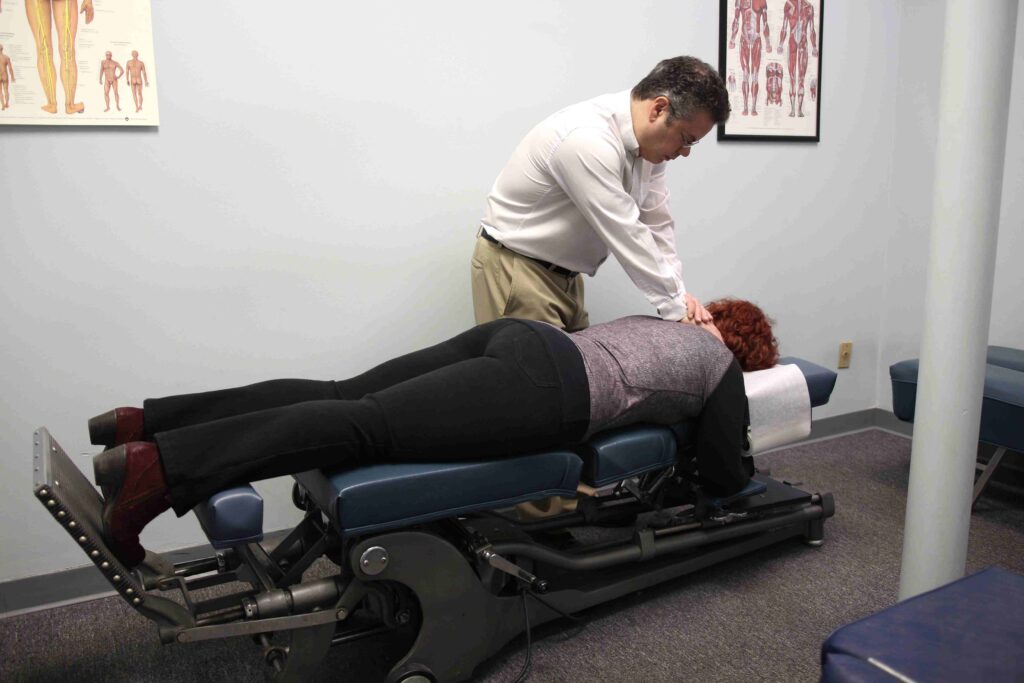
Many people benefit from seeking professional guidance when it comes to joint care. Whether you're dealing with stiffness, pain, or just want to enhance your overall mobility, professionals like physical therapists and chiropractors can provide tailored advice that addresses your specific needs.
They'll assess your condition and create a personalized plan to improve your joint flexibility and movement. Visiting a professional can help you identify any underlying issues that might be contributing to your discomfort.
They'll teach you effective exercises and stretches that can strengthen the muscles around your joints, improving stability and functionality. You won't just be guessing what works; instead, you'll receive expert insights based on your unique situation.
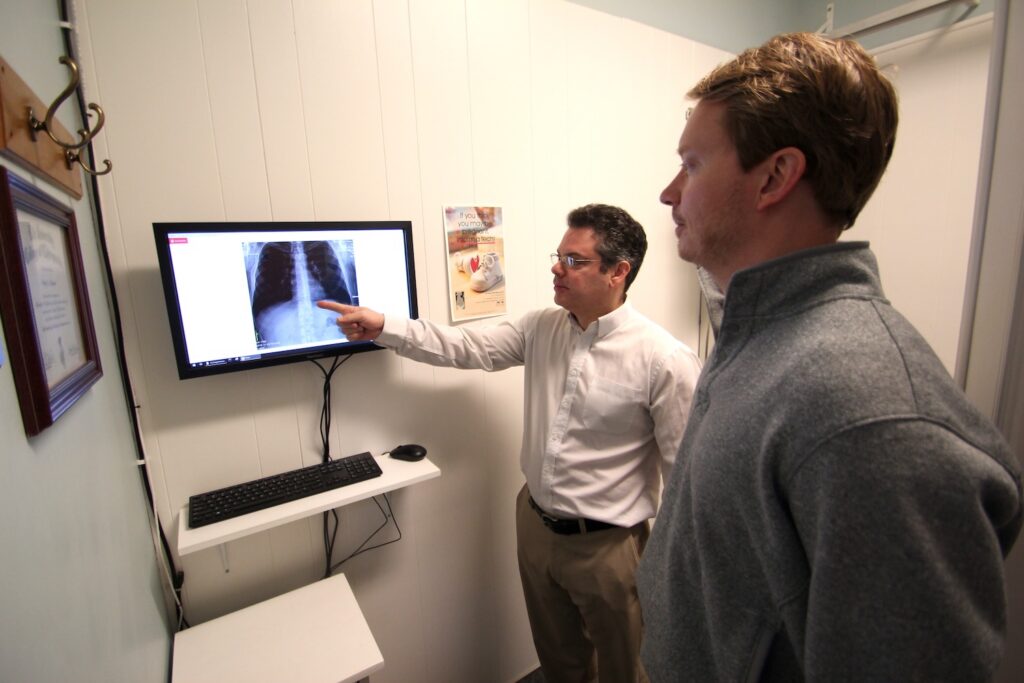
In addition to physical therapy, consider consulting an orthopedic specialist if you're experiencing persistent pain. They can offer diagnostic imaging and other tests to pinpoint any structural problems.
With their guidance, you'll gain a clearer understanding of your condition and the best course of action. Don't hesitate to ask questions during your consultations. Understanding your treatment plan is essential for your success.
Whether it's about the rationale behind specific exercises or how often you should perform them, being informed empowers you to take charge of your joint care.
In the journey to enhance your joint flexibility and movement, professional guidance can be invaluable. By working with experts, you're taking a proactive step toward achieving better joint health, ensuring you can stay active and enjoy life to the fullest.
Conclusion
Incorporating consistent care into your routine can greatly enhance your joint flexibility and movement. By engaging in warm-ups, effective stretching, and strengthening exercises, you'll lay the foundation for better mobility. Don't forget the power of nutrition and mindfulness in supporting your joints. Regular maintenance and listening to your body are key to preventing injuries. If you're unsure about your approach, seeking professional guidance can help you stay on track. Embrace these practices for a more active, comfortable lifestyle!