
If you're dealing with arthritis pain, you know how it can affect your daily life. You might be searching for effective ways to manage this discomfort, and there are numerous strategies that can help you find relief. From dietary changes to exercise and alternative treatments, understanding the various options available can empower you to take control of your situation. But which methods are truly effective, and how can you tailor them to fit your lifestyle? Let's explore some practical approaches that could make a significant difference for you.
Understanding Arthritis Pain
Arthritis pain affects millions of people, and understanding its nature can help you manage it better. This pain often stems from inflammation in your joints, leading to stiffness, swelling, and discomfort.
It's vital to recognize that the pain can vary considerably among individuals, influenced by factors like the type of arthritis, your activity level, and even the weather.
When you experience arthritis pain, it can feel sharp or dull, constant or intermittent. Identifying the specific sensations can help you communicate better with your healthcare provider, allowing them to recommend more effective treatments.
You might also notice that certain movements exacerbate your pain, while others provide relief. Listening to your body is key to managing your symptoms.
Moreover, understanding the different types of arthritis, like osteoarthritis and rheumatoid arthritis, can shed light on your pain. Osteoarthritis, for instance, typically results from wear and tear on the joints, while rheumatoid arthritis is an autoimmune condition that causes inflammation.
This distinction can guide you in seeking tailored treatments.
It's also essential to acknowledge that arthritis pain can have psychological effects, leading to feelings of frustration or helplessness. This emotional aspect shouldn't be overlooked, as it can impact your overall quality of life.
Lifestyle Modifications
Making lifestyle modifications can markedly improve your arthritis pain.
By focusing on balanced diet choices and incorporating regular physical activity into your routine, you can enhance your overall well-being.
Small changes can lead to meaningful relief and a better quality of life.
Balanced Diet Choices
When it comes to managing arthritis pain, what you eat can make a significant difference. A balanced diet packed with anti-inflammatory foods can help reduce discomfort and improve your overall health.
You should focus on incorporating plenty of fruits and vegetables, which are rich in antioxidants and can help combat inflammation. Leafy greens, berries, and cruciferous vegetables like broccoli are excellent choices.
Don't forget about whole grains. Foods like brown rice and quinoa provide essential nutrients while keeping your energy levels stable.
Healthy fats are equally important; consider adding sources like olive oil, avocados, and fatty fish, such as salmon, which are high in omega-3 fatty acids known for their anti-inflammatory properties.
Also, try to limit processed foods, sugar, and refined carbohydrates, as these can exacerbate inflammation and worsen your symptoms.
Staying hydrated is essential too, so drink plenty of water throughout the day.
Regular Physical Activity
Engaging in regular physical activity can be a game-changer in managing arthritis pain. It helps keep your joints flexible and strengthens the muscles surrounding them, providing better support. You don't have to run marathons; low-impact exercises like walking, swimming, or cycling can make a big difference.
Aim for at least 150 minutes of moderate exercise each week, breaking it down into manageable sessions.
Incorporating strength training twice a week can also help improve your overall stability and reduce pain. Always listen to your body—if something hurts, modify your routine or consult your doctor.
Stretching is another essential component. It can enhance flexibility and reduce stiffness, making your daily activities easier and more enjoyable. Consider activities like yoga or tai chi, which promote relaxation and mindfulness along with physical benefits.
Consistency is key. Building a routine not only helps with pain management but also boosts your mood and overall well-being. Remember to warm up before and cool down after your workouts to prevent injury.
Physical Therapy Options
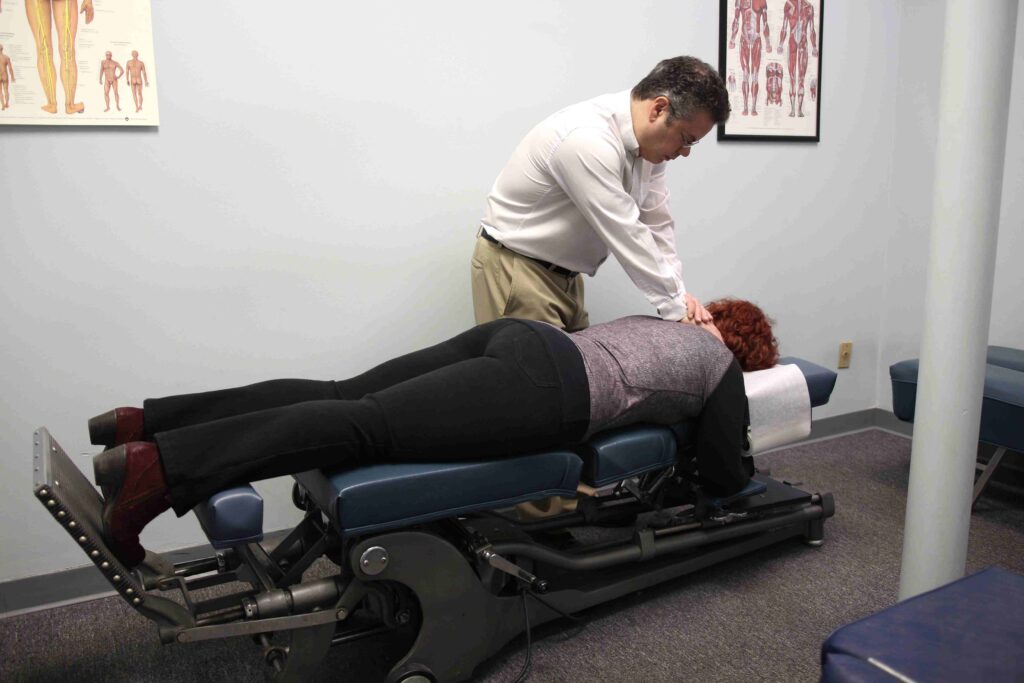
Physical therapy options can play an essential role in managing arthritis pain and improving mobility. By working with a qualified physical therapist, you can develop a personalized treatment plan that targets your specific needs. This approach not only helps alleviate pain but can also empower you to regain control over your daily activities.
Here are four effective physical therapy options you might consider:
- Therapeutic Exercises: Engaging in targeted exercises can strengthen your muscles and improve joint flexibility. Your therapist will guide you through movements that are safe and effective, ensuring you don't overexert yourself.
- Manual Therapy: This hands-on technique involves the therapist using their hands to manipulate your joints and soft tissues. It can reduce stiffness and enhance your range of motion, making everyday tasks feel easier.
- Heat and Cold Therapy: Applying heat or cold packs can effectively manage pain and inflammation. Your therapist can instruct you on when to use each method for maximum benefit, providing relief when you need it most.
- Education and Self-Management: A key component of physical therapy is learning about your condition. By understanding arthritis better, you can implement strategies to cope with flare-ups and prevent further injury.
Incorporating these physical therapy options into your routine can considerably enhance your quality of life.
Don't hesitate to take that first step towards relief and regain your independence!
Medication Management
When managing arthritis pain, understanding the different types of medications available is essential.
You'll want to pay attention to proper dosages and how to administer them effectively.
Additionally, keeping an eye on any side effects can help you adjust your treatment and maximize relief.
Types of Arthritis Medications
Understanding the various types of arthritis medications is vital for managing your pain effectively. Medications can greatly improve your quality of life, but knowing which ones to use is essential.
Here are four main categories of arthritis medications you should consider:
- Nonsteroidal Anti-Inflammatory Drugs (NSAIDs): These help reduce pain and inflammation. You might find relief with over-the-counter options like ibuprofen or naproxen.
- Corticosteroids: These powerful anti-inflammatory drugs can quickly relieve pain and swelling. Your doctor may prescribe them for short-term use to manage flare-ups.
- Disease-Modifying Antirheumatic Drugs (DMARDs): If you have rheumatoid arthritis, DMARDs can slow disease progression and prevent joint damage. They require a prescription and regular monitoring.
- Biologics: A newer class of DMARDs, biologics target specific components of the immune system. They're often used when traditional DMARDs aren't effective.
Each type of medication comes with its own set of benefits and potential side effects.
Discussing your options with your healthcare provider can help you find the best approach to manage your arthritis pain.
Dosage and Administration Tips
Maneuvering the world of arthritis medication requires careful attention to dosage and administration. Start by following your healthcare provider's instructions precisely. They'll prescribe the right medication and dosage tailored to your needs, so don't adjust it without consulting them first.
Take your medication at the same time each day to establish a routine. This consistency helps maintain stable levels of the drug in your system, maximizing its effectiveness. If you're using a topical treatment, verify the area is clean and dry before application to enhance absorption.
When dealing with oral medications, swallow them whole unless otherwise directed. Some medications may require food to prevent stomach upset, while others might work better on an empty stomach. Always drink a full glass of water with your pills to aid in swallowing and digestion.
Keep a record of your medication schedule. A chart or app can help you track doses and remind you when it's time to take them. If you miss a dose, take it as soon as you remember, unless it's almost time for your next one. In that case, skip the missed dose and resume your regular schedule.
Monitoring Side Effects Effectively
As you begin your treatment for arthritis, keeping a close eye on side effects is essential for effective medication management.
It's vital to monitor how your body reacts to the medications, as this can impact your overall experience. Here are four key areas to focus on:
- Physical Symptoms: Pay attention to any unexpected aches, fatigue, or digestive issues. These could signal that your medication isn't sitting well with you.
- Mental Health: Be aware of mood changes or increased anxiety. Some arthritis medications can affect your mental well-being, so it's important to address these feelings promptly.
- Allergic Reactions: Look for signs like rashes, swelling, or difficulty breathing. If you notice these, contact your healthcare provider immediately.
- Drug Interactions: Keep track of all medications you're taking. Some might interact poorly with your arthritis meds, leading to increased side effects or reduced effectiveness.
Dietary Changes
Diet plays an essential role in managing arthritis pain, and making thoughtful dietary changes can greatly improve your overall well-being. One of the most effective strategies is to incorporate anti-inflammatory foods into your meals. Focus on fruits and vegetables, especially those rich in antioxidants like berries, spinach, and kale. These foods help combat inflammation and can ease your joint pain.
You should also consider adding omega-3 fatty acids to your diet. Fatty fish such as salmon, mackerel, and sardines are excellent sources. If you prefer plant-based options, chia seeds, flaxseeds, and walnuts can provide similar benefits. These healthy fats can help reduce stiffness and swelling in your joints.
Cutting back on processed foods, sugar, and saturated fats is equally important. These can trigger inflammation and worsen your arthritis symptoms. Instead, aim for whole grains like quinoa, brown rice, and whole-wheat bread, which can provide vital nutrients without the inflammatory effects of refined grains.
Don't forget to stay hydrated! Drinking enough water is essential for maintaining joint lubrication and overall health. Herbal teas can also be a great addition, as they often contain anti-inflammatory properties.
Lastly, consider keeping a food diary to track what you eat and how it affects your arthritis symptoms. This can help you identify patterns and make more informed dietary choices.
Alternative Treatments
When it comes to managing arthritis pain, exploring alternative treatments can offer new avenues for relief. Many people find that these options complement traditional therapies and improve their overall well-being.
Here are four alternative treatments you might consider:
- Acupuncture: This ancient practice involves inserting thin needles into specific points on your body. Many report reduced pain and improved mobility after sessions.
- Massage Therapy: Therapeutic massage can help alleviate tension in your muscles and joints. Regular sessions might increase blood flow and promote relaxation, making daily activities more manageable.
- Herbal Supplements: Some herbs, like turmeric and ginger, have anti-inflammatory properties that may help reduce pain. Always discuss with your doctor before adding any supplements to your routine.
- Mindfulness and Meditation: Practicing mindfulness or meditation can help you manage the emotional aspects of pain. Techniques like deep breathing or guided imagery can create a sense of calm that allows you to cope better.
While these alternative treatments may not work for everyone, they can offer a sense of control over your arthritis pain.
Remember to consult with your healthcare provider before starting any new treatment to guarantee it's safe and appropriate for you.
Exercise Recommendations
Finding the right exercise routine can make a significant difference in managing arthritis pain. Regular physical activity helps improve your joint function, reduce stiffness, and enhance your overall well-being.
Start with low-impact exercises that are gentle on your joints, such as walking, swimming, or cycling. These activities can help you stay active without putting unnecessary strain on your body.
Stretching is another vital component. Incorporating flexibility exercises into your routine increases your range of motion and helps alleviate pain. Try simple stretches targeting the areas affected by arthritis, holding each stretch for 15 to 30 seconds.
Don't forget to include strength training; it can help support your joints by building the muscles around them. Use resistance bands or light weights, and aim for two to three sessions a week.
Listen to your body. If you experience increased pain or discomfort during any activity, it's important to modify or skip that exercise. Start slowly, gradually increasing the intensity and duration of your workouts as your body adapts. Aim for at least 150 minutes of moderate aerobic activity each week, broken down into manageable segments.
Lastly, consider joining a group class designed for people with arthritis. This can provide motivation and support while ensuring you're exercising safely.
Stress Reduction Techniques
Many people overlook the impact of stress on arthritis pain, but managing stress can play an essential role in alleviating discomfort.
Stress can heighten your perception of pain and trigger inflammation, making it even more important to incorporate stress reduction techniques into your routine. Here are four effective methods you can try:
- Mindfulness Meditation: Taking just a few moments each day to practice mindfulness can help you focus on the present, reducing anxiety and physical tension. You might find that being in the moment helps dissipate your pain.
- Deep Breathing Exercises: Engaging in deep breathing can lower your heart rate and calm your mind. Try inhaling deeply for a count of four, holding for four, and exhaling for another four. This simple practice can make a significant difference in how you feel.
- Gentle Yoga: Incorporating gentle yoga into your routine can help improve flexibility and reduce stress. The combination of movement and breath can enhance your sense of well-being while easing your arthritis symptoms.
- Journaling: Writing down your thoughts and feelings can serve as a powerful outlet for stress. By reflecting on your day, you can identify triggers and find ways to manage them better.
Support and Resources
A strong support system can make a significant difference in managing arthritis pain. Surrounding yourself with understanding friends and family can provide emotional relief and practical help. Don't hesitate to share your challenges and needs with them; most people want to help, but they mightn't know how.
Joining a support group can also be incredibly beneficial. These groups connect you with others who face similar struggles, allowing you to share experiences and coping strategies. Look for local or online groups dedicated to arthritis support. You'll find a community that truly understands what you're going through.
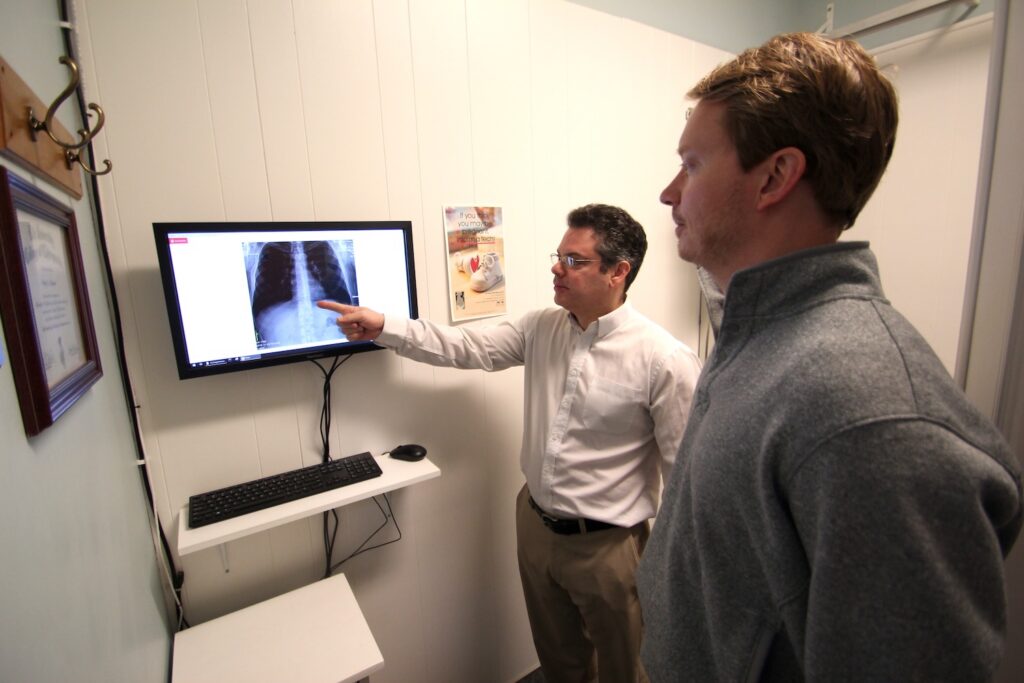
Additionally, consider seeking guidance from healthcare professionals. Your doctor, physical therapist, or a pain management specialist can offer tailored advice and resources. They can help you navigate treatment options, recommend exercises, and provide education about managing arthritis effectively.
Utilizing resources from reputable organizations, like the Arthritis Foundation, can also be invaluable. They offer educational materials, information about local support groups, and tools to help you manage your condition.
Lastly, don't overlook the importance of mental health support. A therapist or counselor can help you cope with the emotional toll arthritis can take. They can provide strategies to deal with stress, anxiety, and depression that might accompany chronic pain.
Conclusion
Incorporating these effective strategies can considerably alleviate your arthritis pain and improve your quality of life. By making lifestyle modifications, exploring physical therapy, managing medications, and embracing dietary changes, you're taking proactive steps toward better joint health. Don't forget the importance of alternative treatments, regular exercise, and stress reduction techniques. Remember, seeking support and resources can also make a difference. You've got the tools to manage your pain and enhance your overall well-being!