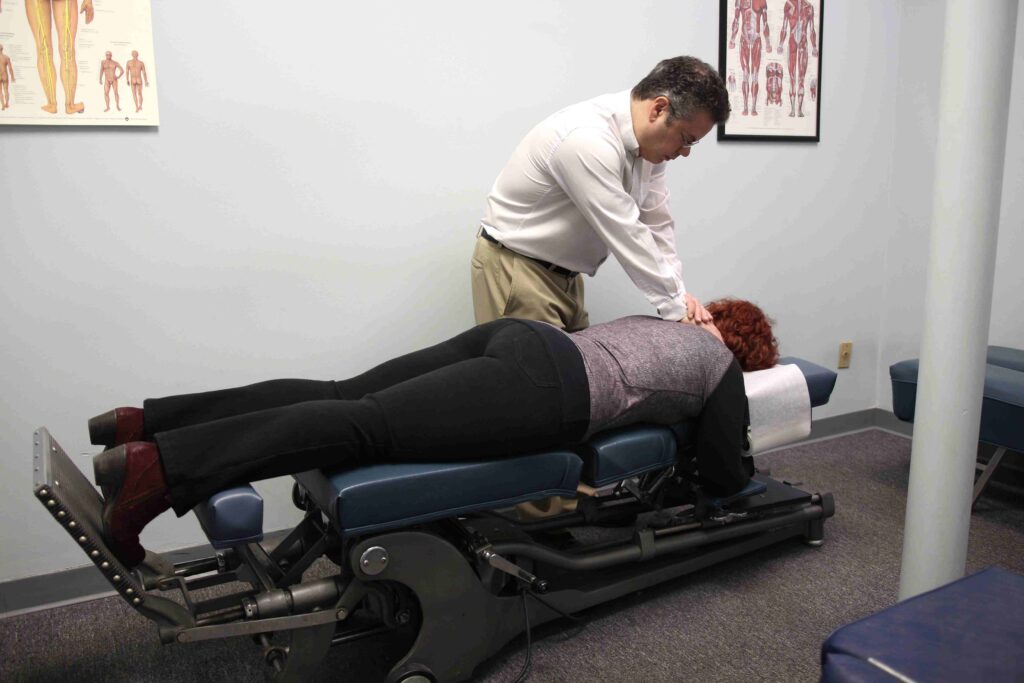

As a local chiropractor, I want to emphasize how crucial neurological health is for your overall well-being. Many people may not realize that simple lifestyle changes can significantly boost your cognitive function and emotional balance. By making some dietary adjustments, committing to regular physical activity, and incorporating mindfulness practices, you can establish a strong foundation for a healthier brain.
But what specific techniques can you integrate into your daily routine to harness these benefits? You might be surprised to learn that they go beyond the basics of diet and exercise. For instance, chiropractic care plays a vital role in supporting your nervous system, which is essential for optimal brain function. Regular adjustments can help improve spinal alignment, reduce nerve interference, and enhance communication between your brain and body.
Additionally, consider exploring natural supplements that support brain health, such as omega-3 fatty acids or antioxidants. Engaging in activities that challenge your mind, like puzzles or learning a new skill, can also contribute to improved cognitive function. By combining these strategies with chiropractic care, you can take a holistic approach to your neurological health and overall well-being. Let's work together to create a personalized plan that fits your lifestyle and goals!
Importance of Neurological Health
As a local chiropractor, I want to emphasize just how crucial your brain's health is to your overall well-being. Your neurological health impacts everything from your ability to think clearly to how you feel emotionally. When your nervous system is functioning optimally, you're likely to notice improvements in focus, memory, and problem-solving skills. These cognitive enhancements are vital for succeeding at work, managing daily responsibilities, and maintaining healthy relationships.
But it's not just about cognitive abilities—your emotional health is closely tied to your neurological well-being. A well-functioning brain helps regulate your mood, equips you to handle stress, and reduces feelings of anxiety and depression. When your nervous system is in balance, you become more resilient, allowing you to tackle life's challenges with greater ease and find fulfillment in your daily activities.
It's important to understand that maintaining good neurological health goes beyond simply preventing illnesses like Alzheimer's or Parkinson's. It's about thriving in your everyday life. A healthy brain empowers you to pursue hobbies, nurture relationships, and participate in social activities, all of which foster a sense of purpose and joy.
Moreover, your neurological health is intricately linked to your physical health. Your brain governs your body's movements, sensations, and coordination. If your nervous system is compromised, it can lead to various physical challenges that diminish your quality of life.
As a chiropractor, I encourage you to prioritize your brain health as an investment in yourself. By recognizing its importance, you can take proactive steps toward enhancing your neurological well-being.
Dietary Adjustments for Brain Health
As a local chiropractor, I want to emphasize the importance of a well-balanced diet in supporting not just your overall health, but particularly your brain health and cognitive function. Many of my patients are surprised to learn how diet can influence their well-being, including aspects like focus, memory, and mental clarity.
To enhance your brain health, it's beneficial to incorporate specific nutrient-rich foods into your meals. For instance, omega-3 fatty acids are crucial for maintaining the structure and function of brain cells. You can find these healthy fats in fatty fish like salmon, as well as in walnuts. I recommend aiming to include these foods in your diet a couple of times a week for optimal benefits.
Additionally, foods rich in antioxidants—such as berries, dark chocolate, and leafy greens—are fantastic for combating oxidative stress, which can contribute to cognitive decline. These foods help protect your brain cells from damage and may even enhance memory and overall brain performance.
Don't overlook the importance of nuts and seeds too; they're packed with healthy fats, vitamins, and minerals that are beneficial for brain health.
It's also essential to focus on your intake of whole grains. Foods like oatmeal, brown rice, and quinoa provide glucose, the brain's primary energy source. Maintaining stable blood sugar levels can greatly improve your focus and concentration throughout the day.
Hydration is another key factor. Dehydration can negatively impact cognitive function, so make sure to drink plenty of water consistently.
I also recommend limiting processed foods and sugars, as these can lead to inflammation, which may adversely affect your brain health.
Lastly, while moderate alcohol consumption may have some potential benefits, it's important to approach it with caution. Excessive drinking can be harmful to your brain.
Physical Exercise and Brain Function
As a local chiropractor, I want to share an important aspect of health that often gets overlooked: the connection between physical exercise and brain function. Many people think chiropractic care is solely about relieving back pain, but it's much more than that. Regular physical activity is crucial not just for your body, but for your brain health as well.
When you engage in movement, your heart pumps more blood, delivering vital oxygen and nutrients to your brain cells. This process can significantly enhance your cognitive functions. You might be surprised to learn that even simple exercises like walking or dancing can have a profound impact on your mental capabilities.
Scientific research has shown that physical activity triggers the release of a protein called brain-derived neurotrophic factor (BDNF), which plays a key role in the growth of new neurons and the strengthening of existing neural connections. By incorporating exercise into your daily routine, you're creating a nurturing environment for both learning and memory. Regular workouts can enhance your focus, sharpen your problem-solving skills, and boost your overall mental clarity.
In addition to cognitive benefits, exercise is a powerful tool for managing stress and anxiety, which can hinder your ability to think clearly. When you engage in physical activity, your body releases endorphins—those wonderful "feel-good" hormones that improve your mood. A relaxed and clear mind is much better equipped to handle challenges and think creatively.
To enjoy these benefits, I recommend aiming for at least 150 minutes of moderate aerobic activity each week. If that sounds daunting, don't worry! You can break it down into shorter sessions throughout your day. Whether it's a brisk walk, a bike ride, or a yoga class, choose activities that you find enjoyable.
By doing so, you'll not only enhance your physical health but also support your brain's function, ultimately leading to better overall neurological well-being.
As your chiropractor, I'm here to guide you in understanding how natural healing and a holistic approach to exercise can work hand-in-hand to optimize your health. Let's work together to achieve the best version of you!
Mindfulness and Meditation Practices
As a local chiropractor, I want to share how mindfulness and meditation can significantly enhance your neurological health. Integrating these practices into your daily routine can improve your focus and help alleviate stress, which is essential for overall well-being.
Let's take a closer look at some effective techniques and the benefits they can offer for your brain and body.
By practicing mindfulness, you become more aware of your thoughts and feelings, which can lead to better decision-making and reduced anxiety.
Meditation, on the other hand, allows you to quiet the mind and promote relaxation, helping to lower cortisol levels and improve your body's response to stress.
Incorporating these practices alongside your chiropractic care can create a holistic approach to your health, supporting not just your spine but your entire nervous system.
Together, we can work towards achieving optimal wellness through a combination of natural healing techniques.
Benefits of Mindfulness
As a local chiropractor, I want to share with you the incredible benefits of incorporating mindfulness and meditation into your daily routine, particularly for your neurological health. These practices are essential for reducing stress, which is crucial for maintaining a healthy brain and, in turn, supporting your overall well-being.
When you focus on the present moment through mindfulness, you cultivate greater awareness, which can help improve your emotional regulation. This heightened state of awareness can enhance your cognitive functions, like memory and attention, allowing you to navigate daily challenges more effectively.
One of the remarkable aspects of mindfulness is its ability to promote neuroplasticity—the brain's remarkable capacity to reorganize itself by forming new neural connections. This can lead to improved problem-solving abilities and a boost in creativity. Additionally, many of my patients find that mindfulness practices help alleviate symptoms of anxiety and depression, resulting in a more balanced emotional state.
Another significant benefit of engaging in mindfulness is improved sleep quality. Quality sleep is vital for brain health since it allows essential restorative processes to take place. As a chiropractor, I understand how interconnected your mental and physical health are, and good sleep is a key component of that.
The great news is that incorporating mindfulness into your life doesn't have to be a daunting task. Even short sessions can provide substantial benefits. By prioritizing mindfulness, you aren't only enhancing your mental well-being but also investing in your neurological health for the long term.
I encourage you to explore these practices as part of your journey toward natural healing and overall wellness.
Meditation Techniques Overview
As a chiropractor dedicated to your overall well-being, I want to introduce you to the powerful benefits of incorporating mindfulness and meditation into your daily routine. These practices can play a significant role in enhancing your neurological health and supporting your body's natural healing process.
Here are four meditation techniques that I recommend, especially for those new to chiropractic care and holistic wellness:
- Focused Attention Meditation: This technique involves directing your concentration towards a single point, such as your breath or a mantra. It can greatly enhance your focus and mental clarity, which is essential for maintaining a healthy mind-body connection.
- Body Scan Meditation: By progressively relaxing each muscle group, this practice encourages you to tune into your body. It can help alleviate tension and increase your awareness of physical sensations, which is important for understanding how your body responds to stress and alignment.
- Loving-Kindness Meditation: In this practice, you send out positive thoughts and wishes to yourself and others. By fostering compassion and emotional well-being, you can create a more supportive mental environment, which complements the physical adjustments you receive in chiropractic care.
- Transcendental Meditation: This method involves the use of a specific mantra to help you enter a deep state of relaxation. This can lower stress levels, which is crucial for optimal brain function and overall health, as stress can often contribute to musculoskeletal issues.
Each of these meditation techniques offers unique advantages, making it easier for you to find one that fits your lifestyle.
By committing to regular practice, you not only enhance your neurological health but also build resilience against stress and anxiety, which can support the effectiveness of your chiropractic care.
I encourage you to explore these techniques and witness the positive impact they can have on your holistic health journey. Why not give them a try today?
Cognitive Training Techniques
At our chiropractic practice, we believe that unlocking your cognitive potential is just as important as taking care of your physical health. Effective cognitive training techniques can enhance your mental agility and memory, and we encourage you to explore various methods to support your brain health.
One impactful approach is engaging in brain games. Activities like puzzles, crosswords, and chess not only challenge your problem-solving skills but also improve your processing speed. Incorporating these games into your daily routine can help sharpen your focus, complementing the adjustments and care you receive from chiropractic treatment.
Learning a new skill or language is another powerful technique. When you challenge your brain to adapt to new information, you create new neural pathways that can improve memory and cognitive flexibility. Whether it's picking up a musical instrument or studying a foreign language, these activities can provide significant cognitive benefits over time, enhancing your overall well-being.
Don't underestimate the importance of social interaction in cognitive training. Engaging in meaningful conversations and discussions stimulates your brain and encourages critical thinking. Joining a book club or participating in group activities that require collaboration can't only enhance your cognitive skills but also improve your emotional health.
Lastly, we recommend incorporating mindfulness exercises into your routine. Techniques like focused attention or mindful breathing can significantly improve your concentration and mental clarity. By training your mind to be present, you can enhance your ability to process information and make decisions, which aligns perfectly with the holistic approach of chiropractic care.
Incorporating these cognitive training techniques can work synergistically with your chiropractic treatment, fostering both mental and physical health for a balanced lifestyle.
Sleep's Role in Neurological Health
As a local chiropractor dedicated to your overall wellness, I want to emphasize the crucial role that sleep plays in maintaining optimal neurological health.
It's not just about feeling rested; sleep significantly influences various aspects of our brain function, including memory consolidation and emotional stability. When you enjoy a good night's sleep, your brain effectively processes information, enabling you to recall memories and learn new skills. Conversely, inadequate sleep can lead to cognitive decline and emotional challenges.
Here are some important tips to help you enhance your neurological health through better sleep:
- Aim for 7-9 hours: Most adults need between seven to nine hours of quality sleep each night. Finding your ideal amount will help you wake up feeling refreshed and ready to tackle the day.
- Establish a routine: Try to go to bed and wake up at the same time every day, even on weekends. This consistency can help regulate your body's internal clock, making it easier to fall asleep and wake up.
- Create a sleep-friendly environment: Make sure your bedroom is dark, quiet, and cool. Consider using earplugs or an eye mask to block out distractions and create a more soothing atmosphere for sleep.
- Limit screen time: It's advisable to avoid screens for at least an hour before bedtime, as the blue light emitted from devices can disrupt your body's natural sleep-wake cycle.
As your chiropractor, I'm here to support your journey to better health, which includes addressing your sleep habits.
Social Connections and Mental Well-being
As a local chiropractor, I want to emphasize the importance of building strong social connections for your overall mental well-being. Engaging with friends, family, and your community can have a profound impact not only on your emotional health but also on your physical health, which is crucial when considering natural healing practices.
When you maintain these relationships, you create a robust support system that can help you navigate life's stresses and challenges. Social interactions stimulate brain activity and can lead to the release of neurotransmitters like oxytocin and serotonin, which improve mood and foster feelings of happiness. This is particularly important because when you feel connected to others, you may experience reduced feelings of loneliness and depression—factors that can negatively affect your overall health.
Sharing experiences and emotions with others also nurtures empathy and understanding, which can deepen your social bonds. To strengthen these connections, consider exploring local clubs, volunteering opportunities, or community events. These activities not only allow you to meet new people but also help you build relationships grounded in shared interests, which can enhance your sense of belonging and support.
While you engage in these social activities, remember that quality matters more than quantity. It's beneficial to focus on nurturing deeper relationships with a few close friends instead of spreading yourself too thin with numerous acquaintances. This approach creates a more supportive environment where both your mental and physical health can thrive.
Incorporating these practices into your daily life can lead to significant improvements in your mental well-being. So, take the time to invest in your social connections, and you'll likely find that your overall health improves along with them.
As you prioritize both your social engagements and your chiropractic care, you'll be on a path toward holistic wellness.
Conclusion
As a local chiropractor, I want to emphasize the importance of taking care of your neurological health for your overall well-being. Many people may not realize that simple lifestyle changes can significantly enhance brain function. By incorporating dietary adjustments, staying physically active, and practicing mindfulness, you can give your brain the support it needs to thrive.
Don't overlook the value of quality sleep and strong social connections; these are vital for maintaining mental clarity and emotional balance. At our practice, we believe in a holistic approach to health, which includes not only spinal adjustments but also lifestyle modifications that promote neurological well-being. By embracing these techniques, you're not just supporting your brain health; you're enriching your life in countless ways. Let's work together to unlock your full potential through natural healing!