
If you're dealing with back pain, you might be searching for solutions that don't involve invasive procedures or heavy medications. Exploring non-invasive options can provide you with effective relief while also addressing the root causes of your discomfort. From physical therapy techniques to mindfulness practices, there's a range of strategies that can help you reclaim your mobility and comfort. But which methods are truly the most effective for your specific situation? Understanding the nuances of these approaches could make all the difference in your journey to recovery.
Understanding Back Pain
Back pain can sneak up on you, often appearing when you least expect it. It can stem from various causes, including muscle strain, injuries, or even poor posture. Understanding the root of your discomfort is vital for effective management. You might feel a dull ache or a sharp, stabbing pain, and identifying how and when it occurs can help pinpoint the issue.
You should consider your daily habits. Are you sitting for long periods? Maybe your workspace isn't ergonomic, leading to tension in your back. Lifting heavy objects improperly can also contribute to back pain, so pay attention to how you move throughout the day.
If you're active, overexertion during workouts could result in injuries that manifest as back pain.
Another factor is stress. You may not realize it, but emotional tension can lead to physical symptoms, including tightness in your back muscles. It's important to be aware of your stress levels and find ways to manage them effectively.
In addition, age plays a significant role. As you get older, your spine undergoes natural changes, which may increase your susceptibility to back pain. Conditions such as arthritis or degenerative disc disease can also become more prevalent, affecting your mobility and comfort.
Recognizing these potential causes is the first step toward addressing your back pain. By understanding the underlying issues, you can take proactive measures to alleviate your discomfort and improve your overall quality of life.
Benefits of Non-Invasive Treatments
Relief from back pain often leads individuals to explore non-invasive treatments, which offer numerous benefits without the risks associated with surgery or invasive procedures. One of the primary advantages is the reduced risk of complications. Non-invasive methods minimize the likelihood of infection, scarring, and other side effects that can arise from surgical interventions.
You'll also find that non-invasive treatments often require less recovery time. Instead of spending weeks or months healing from surgery, you can typically return to your normal activities much sooner. This allows you to maintain a more active lifestyle, which is essential for overall well-being and can further aid in pain relief.
Cost is another significant factor. Non-invasive treatments generally come with lower financial burdens compared to surgery. Many insurance plans cover these options, making them more accessible to a broader audience. You'll likely find that treatments like chiropractic care, acupuncture, or massage therapy aren't only effective but also budget-friendly.
Moreover, non-invasive treatments often involve a more holistic approach. They can address underlying issues related to your back pain, such as muscle imbalances or poor posture, rather than just masking symptoms. This all-encompassing strategy can lead to long-term relief and improved quality of life.
Lastly, you'll appreciate the variety of options available. From physical therapy to lifestyle modifications, you can tailor your approach to fit your needs and preferences. This personalization empowers you to take control of your recovery journey.
Physical Therapy Techniques
Utilizing a variety of physical therapy techniques can greatly enhance your recovery from back pain. These methods focus on improving strength, flexibility, and overall function, helping you return to your daily activities with less discomfort. A skilled physical therapist will assess your condition and tailor a program that fits your specific needs.
Here are some common techniques you might encounter during your sessions:
- Manual Therapy: This hands-on approach involves the therapist using their hands to manipulate and mobilize your muscles and joints, reducing pain and improving circulation.
- Therapeutic Exercises: Your therapist will guide you through exercises designed to strengthen your back and abdominal muscles, promoting better posture and stability.
- Modalities: Techniques like heat, ice, ultrasound, or electrical stimulation can help alleviate pain and reduce inflammation, enhancing your overall recovery.
Incorporating these techniques into your routine can help you manage and even prevent future back issues.
Remember, consistency is key; staying committed to your therapy plan will yield the best results. You may also find that working closely with your therapist allows for adjustments as you progress, ensuring that you're always challenged but not overwhelmed.
Ultimately, physical therapy offers a supportive, personalized approach to back pain relief, empowering you to take control of your health and well-being.
Don't hesitate to reach out to a professional who can guide you through this journey towards recovery.
Chiropractic Care Options
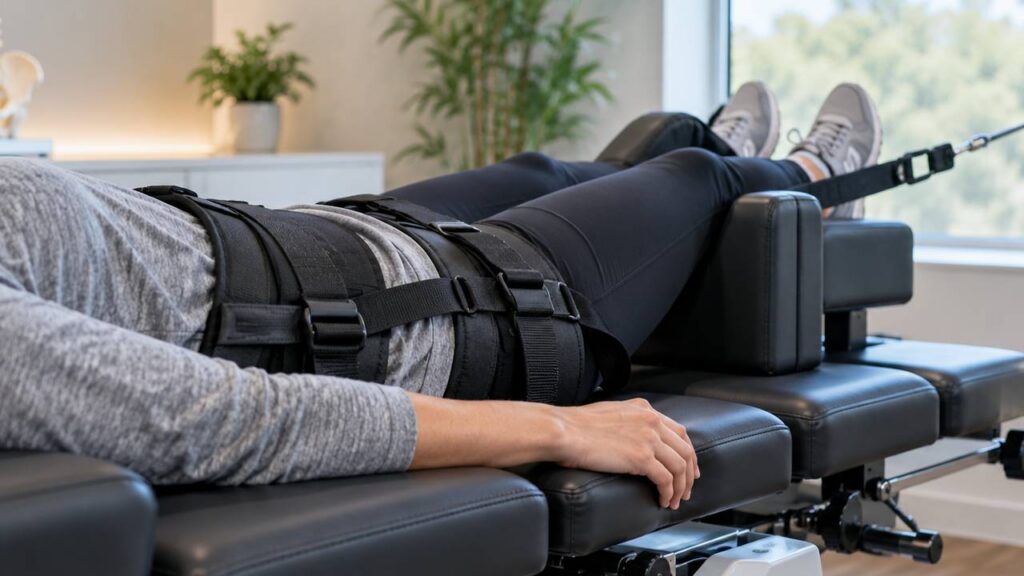
When it comes to relieving back pain, chiropractic care offers effective manual adjustments that can realign your spine and improve mobility.
You'll also find a range of therapeutic techniques designed to alleviate pain and enhance overall well-being.
Exploring these options can help you discover the best path to relief.
Manual Adjustments Benefits
Chiropractic manual adjustments offer a valuable approach to alleviating back pain by targeting misalignments in the spine.
These adjustments can help restore proper alignment, improving your overall function and reducing discomfort. You might experience several benefits from this non-invasive treatment.
- Pain Relief: Many people report significant pain reduction after just a few sessions. Adjustments can relieve pressure on nerves and tissues, leading to immediate comfort.
- Improved Mobility: Regular adjustments can help increase your range of motion. This means you can move more freely without the constraints of pain or stiffness.
- Enhanced Posture: Manual adjustments can promote better posture by realigning your spine. Improved posture not only alleviates back pain but also reduces strain on other areas of your body.
Therapeutic Techniques Overview
Exploring various therapeutic techniques can open up new avenues for relieving your back pain. Chiropractic care offers a range of options that focus on realigning your spine and enhancing your body's natural healing processes.
One of the most effective methods is spinal manipulation, where a chiropractor applies controlled force to your joints, alleviating pressure and improving mobility.
In addition to spinal adjustments, chiropractic care includes soft tissue therapies, like massage and myofascial release, which target tight muscles and connective tissues. These techniques can help reduce tension and promote relaxation, making it easier for your body to heal.
Another beneficial approach is therapeutic exercises. Your chiropractor may design a tailored exercise program to strengthen your core, improve flexibility, and support your spine. This proactive strategy empowers you to take charge of your recovery and prevent future pain.
Lastly, don't overlook the importance of lifestyle modifications. Your chiropractor might suggest changes in posture, ergonomics, and daily habits to support your overall spinal health.
Acupuncture for Pain Relief
Acupuncture offers a holistic approach to alleviating back pain that many find surprisingly effective. This ancient practice involves inserting thin needles into specific points on your body to promote healing and balance. If you're struggling with chronic or acute back pain, acupuncture might provide the relief you need without resorting to medication or invasive procedures.
You might be wondering how acupuncture works. The treatment is believed to stimulate your body's natural painkillers while increasing blood flow to the affected area. Many people report not only reduced pain but also improved overall well-being after sessions.
Here are a few key benefits you might experience:
- Pain Reduction: Many patients notice significant decreases in pain levels after just a few sessions.
- Relaxation: Acupuncture can help you unwind and reduce stress, which may contribute to your back pain.
- Improved Functionality: Regular treatments can enhance mobility and flexibility, allowing you to engage in daily activities more comfortably.
Before starting acupuncture, it's important to consult with a qualified practitioner. They'll assess your specific condition and tailor the treatment plan to your needs.
While some may feel apprehensive about needles, most find the experience to be surprisingly relaxing. If you're open to exploring alternative therapies, acupuncture could be a valuable addition to your back pain relief toolkit.
Don't hesitate to give it a try—you might just discover a new path to comfort and healing.
Yoga and Stretching Exercises
If you're looking for effective ways to manage back pain, yoga and stretching exercises can be game-changers.
These practices not only improve flexibility but also strengthen the muscles that support your spine.
Let's explore the benefits of yoga, some essential stretching techniques, and recommended poses that can bring you relief.
Benefits of Yoga
Yoga offers numerous benefits for alleviating back pain, making it an excellent choice for those seeking relief. By incorporating yoga into your routine, you can experience improved flexibility, strength, and overall well-being. Here are some key advantages:
- Enhanced Flexibility: Regular yoga practice helps stretch tight muscles, which can reduce tension in the back and improve your range of motion.
- Strengthened Core: Many yoga poses target your core muscles, providing support for your spine and reducing the risk of injury.
- Stress Relief: Yoga encourages relaxation and mindfulness, helping to alleviate stress that may contribute to back pain.
As you engage in various poses, you'll learn to listen to your body and adjust accordingly, promoting a deeper connection to your physical self.
This awareness can prevent future injuries and aid in recovery. Plus, the focus on breathwork in yoga can help you manage pain more effectively.
Essential Stretching Techniques
Incorporating essential stretching techniques into your routine can greatly enhance your back pain relief efforts. Stretching helps improve flexibility, reduces muscle tension, and increases blood flow to your back muscles, all of which are vital for alleviating discomfort.
Start with gentle stretches that target the muscles surrounding your spine. Focus on movements that engage both your upper and lower back. For instance, try cat-cow stretches to promote spinal mobility. When you arch and round your back, you'll feel a soothing release of tension.
Additionally, don't overlook the importance of stretching your hamstrings and hip flexors. Tightness in these areas can contribute to back pain. Incorporate forward bends and lunges to open up these muscle groups. Hold each stretch for at least 15-30 seconds, breathing deeply to enhance relaxation.
Make it a habit to stretch daily, especially after prolonged sitting or physical activity. Listen to your body; if a stretch feels too intense, ease back and adjust.
Recommended Poses for Relief
To effectively relieve back pain, consider incorporating specific yoga poses and stretching exercises into your routine. These movements can help improve flexibility, strengthen your core, and reduce tension in your back muscles.
Here are three recommended poses that you can easily integrate into your daily practice:
- Child's Pose: This gentle stretch helps elongate your spine and relax your back muscles. Kneel on the floor, sit back on your heels, and stretch your arms forward while lowering your chest to the ground.
- Cat-Cow Stretch: This dynamic movement increases spinal flexibility. Start on all fours, arch your back upwards while tucking your chin (Cat), and then lower your belly while lifting your head and tailbone (Cow).
- Downward-Facing Dog: This pose stretches the spine, hamstrings, and calves. From all fours, lift your hips up and back, forming an inverted "V" shape. Keep your heels pressing towards the floor.
Regularly practicing these poses can greatly enhance your back's health and overall well-being.
Listen to your body, and only do what feels comfortable.
Mindfulness and Meditation Practices
Mindfulness and meditation practices offer powerful tools for managing back pain. By focusing your attention and cultivating a sense of awareness, you can alter your perception of pain and reduce stress, which often exacerbates discomfort. Engaging in these practices allows you to connect with your body, helping you identify tension and release it.
Start with simple breathing exercises. Find a quiet space, sit comfortably, and take deep, intentional breaths. As you inhale, visualize filling your body with calmness; as you exhale, imagine releasing tension and pain. This practice not only calms your mind but also promotes relaxation in your muscles, which can alleviate back pain.
Incorporate mindfulness into your daily activities. Whether you're walking, eating, or even doing household chores, focus completely on the task at hand. Pay attention to your posture and how your body feels in each moment. This awareness can help you catch bad habits that contribute to pain.
You can also explore guided meditation apps or online resources specifically targeted at pain relief. These sessions often include visualization techniques that can help you manage discomfort more effectively.
Hot and Cold Therapy
Hot and cold therapy can be incredibly effective for relieving back pain and promoting healing. This method utilizes the contrasting effects of heat and cold to address discomfort in your back, providing immediate relief and aiding your recovery process.
When you're dealing with back pain, knowing when to apply heat or cold is key. Here's a quick guide to help you decide:
- Cold therapy: Use ice packs or cold compresses for the first 48 hours after an injury. This helps reduce inflammation and numbs the area, easing sharp pain.
- Heat therapy: After the initial inflammation subsides, applying heat can help relax muscles and improve circulation. You can use heating pads, warm towels, or take a warm bath.
- Alternating therapies: For chronic pain, alternating between hot and cold treatments can maximize benefits. Start with cold to reduce swelling, then switch to heat for muscle relaxation.
To use this therapy effectively, apply heat or cold for about 15-20 minutes at a time. Always make sure to protect your skin with a cloth or towel to avoid burns or frostbite.
Listen to your body and adjust the temperature as needed.
Ergonomics and Posture Correction
For many people who spend long hours sitting at a desk, poor ergonomics and posture can lead to considerable back pain.
It's crucial to create a workspace that supports your body and promotes good posture. Start by adjusting your chair to guarantee your feet rest flat on the floor, and your knees are at a 90-degree angle. If your chair doesn't provide adequate support, consider adding a lumbar roll or cushion to maintain the natural curve of your lower back.
Next, position your computer monitor at eye level. This way, you won't have to strain your neck to see the screen. Ideally, your monitor should be about an arm's length away, and you should be looking slightly downward. If you use a laptop, consider investing in a separate keyboard and mouse to help maintain proper positioning.
Don't forget about your arms and wrists. Keep your elbows close to your body, forming a 90-degree angle while typing. A wrist rest can help keep your wrists straight, reducing strain.
Remember to take regular breaks—stand up, stretch, or walk around every 30 to 60 minutes. This simple habit can greatly reduce tension in your back.
Lifestyle Changes for Prevention
To prevent back pain, it's crucial to create an ergonomic workstation and stick to a regular exercise routine.
Adjusting your desk and chair can make a huge difference in your comfort and posture throughout the day.
Plus, incorporating movement into your daily life will help keep your back strong and flexible.
Ergonomic Workstation Setup
Creating an ergonomic workstation setup is essential for preventing back pain and enhancing your overall comfort while working. When you spend long hours at your desk, the right arrangement can make all the difference.
Here are some key elements to evaluate for your setup:
- Chair Height: Adjust your chair so your feet rest flat on the floor, with your knees at a 90-degree angle. This promotes good posture and reduces strain on your lower back.
- Monitor Position: Position your monitor at eye level, about an arm's length away. This helps prevent neck strain and encourages an upright posture.
- Keyboard and Mouse Placement: Keep your keyboard and mouse close enough to avoid reaching. Your wrists should remain straight, and your elbows should be at about a 90-degree angle.
Regular Exercise Routine
Incorporating a regular exercise routine into your lifestyle is one of the most effective ways to prevent back pain. By focusing on strengthening your core, improving flexibility, and enhancing overall fitness, you can greatly reduce your risk of discomfort.
Aim for at least 150 minutes of moderate aerobic activity each week, along with strength training exercises twice a week. Include activities like walking, swimming, or cycling to get your heart rate up. These exercises aid in maintaining a healthy weight, which reduces strain on your back.
Strength training should target your core muscles—think planks, bridges, and abdominal exercises. Strong core muscles provide vital support for your spine.
Don't forget to stretch! Incorporate flexibility exercises into your routine to keep your muscles supple and prevent stiffness. Yoga and Pilates are excellent options for improving flexibility while also promoting relaxation.
Lastly, listen to your body. If you experience pain during an exercise, stop and consult a professional. Staying active is key, but it's essential to find a balance that works for you.
Conclusion
Incorporating these effective non-invasive solutions into your routine can markedly alleviate back pain and improve your overall well-being. By embracing physical therapy, chiropractic care, and mindfulness practices, you're not just treating symptoms; you're addressing the root causes of discomfort. Remember to prioritize ergonomics and make lifestyle changes that support a healthier back. With dedication and the right strategies, you can enjoy a pain-free life and enhance your quality of living. Take charge of your back health today!