
If you're struggling with back pain, it's essential to understand that a one-size-fits-all approach rarely works. You might find that personalized plans tailored to your unique lifestyle and health history can greatly impact your comfort and mobility. By considering factors like your daily activities and medical background, these plans can address the root causes of your pain more effectively. Curious about the specific techniques and adjustments that could make a difference for you? There's more to explore in crafting a plan that truly suits your needs.
Understanding Your Back Pain
Back pain affects nearly 80% of adults at some point in their lives, making it a common yet complex issue. You might experience pain in various forms—sharp, dull, or throbbing—and it can occur in different areas of your back, including the lower, middle, or upper regions. Understanding your back pain is essential to finding effective relief.
First, consider the possible causes. Your back pain could stem from muscle strains, ligament sprains, or even herniated discs. Poor posture or prolonged sitting can contribute to discomfort, especially if you've been working long hours at a desk.
It's important to think about any recent activities that might've triggered your pain, such as lifting heavy objects or engaging in strenuous exercise.
Next, pay attention to how your pain affects your daily life. Does it limit your movement or interfere with your sleep? Understanding the impact on your lifestyle can help you communicate your symptoms to a healthcare professional.
You should also note when your pain occurs—does it worsen with certain activities or improve with rest?
Finally, remember that back pain isn't always a straightforward issue. It might be linked to stress, anxiety, or even underlying medical conditions.
Taking the time to recognize these factors can lead to better insights about your situation. By understanding the nature and triggers of your back pain, you're already taking the first step toward a more effective management plan.
Importance of Personalized Plans
Finding effective relief from back pain often requires a tailored approach. Each person's experience with back pain is unique, influenced by factors like lifestyle, medical history, and specific physical conditions. This is why personalized plans are vital. They address your individual needs and circumstances, rather than applying a one-size-fits-all solution that mightn't work for you.
When you engage in a personalized plan, you're more likely to identify the root cause of your pain. A tailored approach allows you to reflect on your daily activities, work environment, and even emotional well-being, all of which can contribute to back pain. By understanding these elements, you can develop strategies that target the areas needing the most attention.
Moreover, personalized plans often include a mix of techniques, from physical therapy to lifestyle adjustments, ensuring that you're not just treating the symptoms but also working toward long-term relief. You'll find that a customized plan helps you stay motivated, as it incorporates your preferences and goals, making it easier to stick with it.
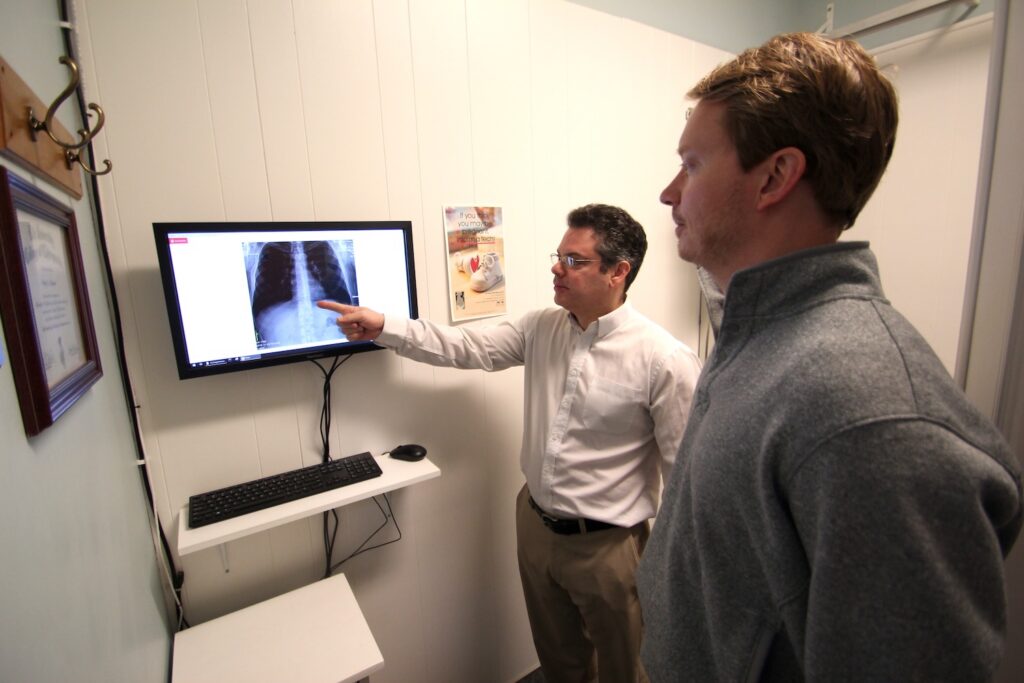
In addition, by working closely with healthcare professionals, you can continuously reassess your progress and make necessary adjustments. This ongoing feedback loop is essential for optimizing your recovery process.
Ultimately, a personalized plan empowers you to take control of your back pain, leading to more effective relief and a better quality of life.
Effective Exercises for Relief
Many people discover that effective exercises can greatly alleviate back pain and improve overall mobility. Incorporating specific movements into your routine can strengthen your back, enhance flexibility, and promote better posture.
Start with gentle stretches to warm up your muscles. A simple cat-cow stretch can help loosen your spine. Get on your hands and knees, arch your back while inhaling, and then round it while exhaling. Repeat this for several breaths.
Next, try some strengthening exercises. The bird-dog is a fantastic option. While on your hands and knees, extend one arm forward and the opposite leg back, keeping your core engaged. Hold for a few seconds, then switch sides. This not only strengthens your back but also improves stability.
Additionally, consider incorporating bridges into your routine. Lie on your back with your knees bent and feet flat on the floor. Lift your hips towards the ceiling, squeezing your glutes at the top, then lower back down. This exercise targets your lower back and glutes, providing essential support for your spine.
Finally, don't underestimate the power of walking. A daily walk can keep your muscles active and promote circulation, which is critical for healing. Aim for 20-30 minutes, adjusting the pace according to your comfort level.
Remember to listen to your body—if any exercise causes pain, stop immediately. By consistently engaging in these exercises, you can pave the way towards a healthier, pain-free back.
Ergonomic Adjustments to Consider
Improving your workspace ergonomics can greatly impact your back health, especially after incorporating effective exercises into your routine. By making a few simple adjustments, you can create a more supportive environment that reduces strain on your back.
Here are three key ergonomic adjustments to take into account:
- Chair Height and Support: Your chair should allow your feet to rest flat on the ground while keeping your knees at a 90-degree angle. Make sure your chair has lumbar support to maintain the natural curve of your lower back.
- Monitor Position: Position your computer monitor at eye level, about an arm's length away. This helps you maintain a neutral neck position, reducing the risk of straining your back and neck while working.
- Keyboard and Mouse Placement: Keep your keyboard and mouse close enough so you can use them with relaxed shoulders. Your elbows should be at a 90-degree angle, and your wrists should stay straight while typing.
Implementing these adjustments can make a significant difference in how you feel throughout the day.
Don't forget to take regular breaks to stretch and move around, which further enhances your back health. By prioritizing ergonomics in your workspace, you're taking a proactive step toward long-term relief from back pain.
Innovative Therapies and Treatments
When it comes to tackling back pain, innovative therapies and treatments are paving the way for more effective relief options. You might find that traditional methods aren't enough, and that's where these cutting-edge approaches come in.
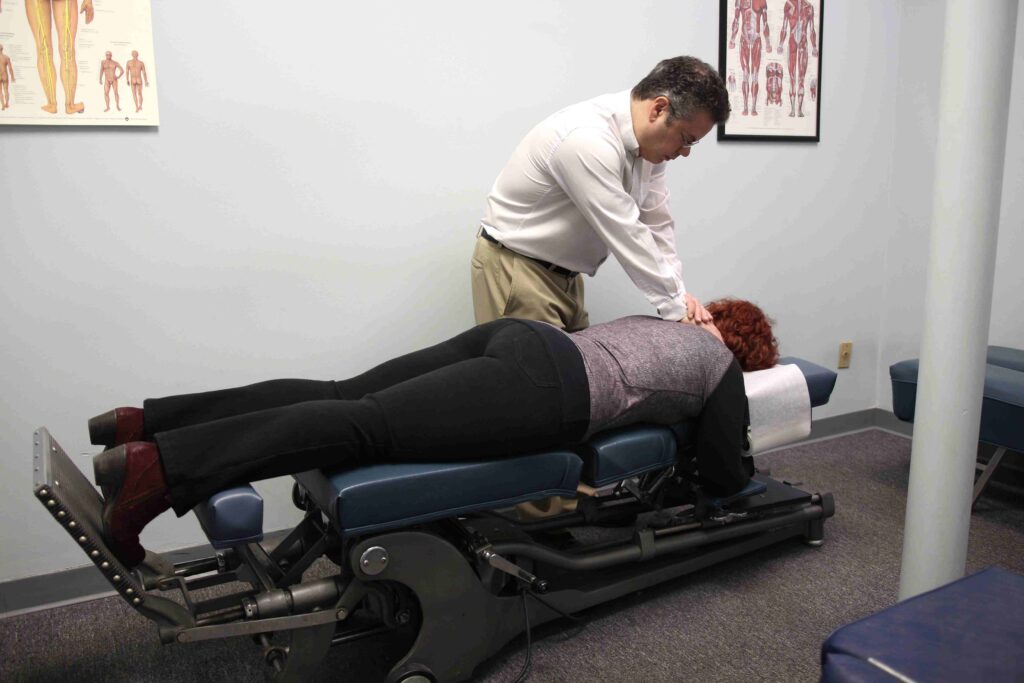
One popular therapy is spinal decompression, which gently stretches the spine, relieving pressure on discs and nerves. This can lead to significant pain reduction and improved mobility.
Another exciting option is regenerative medicine, particularly stem cell therapy. This treatment uses your body's own cells to promote healing in damaged tissues, potentially reversing the underlying causes of your pain.
Additionally, platelet-rich plasma (PRP) injections have gained traction for their ability to accelerate healing and reduce inflammation.
You may also want to explore neuromodulation techniques, such as transcutaneous electrical nerve stimulation (TENS). This non-invasive therapy involves placing electrodes on your skin to deliver electrical impulses that disrupt pain signals. Many find immediate relief, making it a valuable tool for managing chronic discomfort.
Lastly, don't overlook the potential of virtual reality (VR) therapy. Research shows immersive VR experiences can effectively distract from pain and improve your mental well-being. This innovative approach can help reshape your perception of pain while providing a unique form of therapy.
With these options at your disposal, you can tailor your pain management plan to suit your needs, ensuring a more personalized and effective strategy for back pain relief.
Conclusion
In summary, finding a personalized plan for your back pain relief is essential for your recovery. By understanding your unique needs and making targeted adjustments to your lifestyle, exercises, and treatment options, you can pave the way to lasting relief. Remember to regularly check in with healthcare professionals to adapt your plan as needed. With the right approach, you'll not only alleviate pain but also improve your overall back health, empowering you to live more comfortably.