
As a local chiropractor, I understand how frustrating back pain can be and how it can interfere with your everyday activities. It’s essential to recognize that there are natural ways to prevent this discomfort from becoming a recurring issue. By paying attention to your posture, strengthening your core, and adopting healthier daily habits, you can greatly improve your spinal health.
Imagine the difference it would make to move through your day with increased comfort and flexibility. I’m here to guide you through simple yet effective steps to enhance your well-being and reduce back pain. Together, we can explore the various techniques and lifestyle changes that can lead to a more pain-free life. There’s so much valuable information to share, and I’m excited to help you on your journey to better health.
Understanding Your Spine and Back Pain
As a local chiropractor, I want to help you understand the importance of your spine and how it plays a vital role in your overall health. Your spine isn’t just a structural support; it consists of 33 vertebrae arranged in a flexible column that enables you to move freely—bend, twist, and turn. Each vertebra is cushioned by discs that absorb shock and maintain balance.
However, neglecting your spine can lead to various issues, such as herniated discs or pinched nerves, which can result in significant pain and discomfort.
Many of us may not realize that our daily activities—like lifting heavy objects, poor posture while sitting for long hours, or even repetitive movements—can put undue strain on our spines. By being mindful of how we move, we can reduce unnecessary stress on our back.
Regular exercise is essential; it strengthens the muscles around your spine, offering better support and stability. Incorporating stretching into your routine not only enhances flexibility but also helps alleviate stiffness, promoting a healthier spine.
Understanding how your spine functions is crucial to maintaining its health and preventing back pain. As your chiropractor, I encourage you to take proactive steps in your daily life to support your spine, leading to a more comfortable and active lifestyle.
Together, we can work on strategies tailored to your needs, ensuring your spine remains in optimal condition for years to come.
The Importance of Good Posture
As a local chiropractor, I want to emphasize the importance of maintaining good posture for your overall health, particularly the well-being of your spine. When you stand or sit up straight, you help distribute your body weight evenly. This simple act reduces unnecessary strain on your back muscles and ligaments, which is crucial for preventing discomfort and injuries.
Many people don’t realize that poor posture can lead to a variety of issues, such as chronic back pain, neck strain, and even headaches. By being mindful of your posture throughout your day—whether you’re sitting at your desk, walking, or engaging in any activity—you are taking proactive steps to support the integrity of your spine.
I encourage you to engage your core, relax your shoulders, and ensure your head is aligned with your spine. These small adjustments can lead to significant improvements in your back health and overall well-being.
Making good posture a priority in your daily routine can prevent problems down the line, and your spine will certainly appreciate it! If you have any questions or need further guidance on how to improve your posture, don’t hesitate to reach out. Your health is my priority!
Daily Stretching Routine for Flexibility
As a local chiropractor, I want to emphasize the importance of good posture in establishing an effective daily stretching routine that can greatly enhance your flexibility. When you make stretching a part of your daily life, you’ll likely notice improvements in your range of motion and a reduction in muscle tension.
Begin your routine with some gentle neck rolls to relieve tightness in your neck. This is a simple yet effective way to start your day. Following that, incorporate shoulder stretches by reaching one arm across your body and using the opposite arm to gently pull it closer for a deeper stretch. This can help alleviate tension that often accumulates in your shoulders.
Next, consider performing a standing quadriceps stretch. You can do this by grabbing your ankle and gently pulling it towards your glutes. This stretch is fantastic for countering the effects of prolonged sitting. Don’t neglect your hamstrings; a seated forward bend is an excellent way to target those muscles.
As you stretch, hold each position for about 15-30 seconds, and remember to breathe deeply. This not only helps with relaxation but also enhances the effectiveness of the stretch. Consistency is crucial, so aim to incorporate these stretches at least five days a week.
By prioritizing your flexibility, you’re not just improving your physical well-being; you’re also laying the groundwork for a stronger, more resilient back.
Strengthening Your Core Muscles
As your local chiropractor, I want to emphasize the vital role that core strength plays in your overall health and well-being. While improving your flexibility through daily stretching is essential, don’t forget to focus on strengthening your core muscles. A robust core is crucial for supporting your spine and maintaining proper posture, which can significantly reduce your risk of back pain.
To get started, I recommend incorporating simple exercises such as planks, bridges, and pelvic tilts into your routine. These exercises effectively engage both your abdominal and back muscles, promoting stability and strength. You don’t need any fancy equipment; often, your body weight is sufficient to help you build strength.
I suggest aiming for short sessions of about 10-15 minutes a few times a week. It’s important to concentrate on maintaining proper form during these exercises to prevent any potential injuries.
As you strengthen your core, you’ll likely notice improvements in your balance and a reduction in strain on your back during your daily activities. Remember, this is a gradual process; take your time and slowly increase the intensity as your endurance builds.
Ergonomic Workspace Setup
As a local chiropractor, I want to emphasize the importance of creating an ergonomic workspace, especially if you find yourself sitting for long periods. Proper positioning can help prevent back pain and promote overall spinal health.
First, ensure your chair is adjusted so that your feet are flat on the ground, and your knees are bent at a 90-degree angle. A chair that offers good lumbar support is essential; it helps maintain the natural curve of your spine, which is crucial for preventing discomfort.
Next, take a moment to set your computer screen at eye level. This adjustment helps prevent neck strain, which is a common issue for many office workers. Your keyboard and mouse should be positioned close enough that your elbows can stay at your sides, also forming a 90-degree angle. This setup minimizes strain on your wrists and shoulders, promoting a healthier posture throughout your workday.
Lighting is also a key factor in your workspace. A well-lit environment reduces eye strain, which can lead to headaches and further discomfort.
Lastly, don’t underestimate the power of regular breaks. Standing up, stretching, and moving around every so often can make a significant difference in your comfort level.
These small changes can greatly enhance your workspace and play a vital role in preventing back pain. Remember, your spine health is essential, and it starts with a proper workspace setup.
Choosing the Right Mattress and Pillow
As a local chiropractor, I want to emphasize how crucial it’s to select the right mattress and pillow for improving your sleep quality and promoting spinal health. Many people may not realize that a good night’s sleep is heavily influenced by the support your body receives during rest.
Choosing a mattress that’s too soft often leads to your body sinking, which can result in discomfort and misalignment of the spine. Conversely, a mattress that’s excessively firm may not provide the necessary support where it’s needed most. Ideally, you should look for a medium-firm mattress that strikes a balance between comfort and support, allowing your spine to maintain a neutral position throughout the night.
Equally important is the pillow you use. The right pillow supports your neck and head, ensuring that they remain aligned with your spine. If a pillow is too high or too low, it can create strain on your neck, which disrupts your overall alignment and can lead to discomfort.
For those of you who sleep on your back or side, consider using memory foam or adjustable pillows, as they can offer the tailored support you need.
The Benefits of Regular Physical Activity
As a local chiropractor, I want to emphasize the importance of regular physical activity in maintaining a healthy spine and preventing back pain.
Engaging in consistent exercise strengthens your core muscles, which play a crucial role in supporting your back. Additionally, regular movement improves your flexibility and balance, helping to enhance your overall posture and spinal alignment.
By incorporating physical activity into your daily routine, you aren’t only promoting a healthier lifestyle but also creating a strong foundation for a pain-free back.
Remember, an active lifestyle is a vital part of natural healing and can significantly contribute to your overall well-being.
Take the first step towards a healthier you by staying active!
Strengthens Core Muscles
As a local chiropractor, I often see patients who may not realize the incredible benefits of strengthening your core muscles.
While many individuals think of exercise solely in terms of weight loss or muscle gain, a strong core is crucial for overall health and well-being. Your core muscles play a vital role in stabilizing your spine and pelvis, which helps you maintain good posture and can significantly reduce the risk of back pain.
When your core is well-developed, everyday activities—like lifting, bending, and even sitting—become much safer and easier. Incorporating exercises such as planks, bridges, and Pilates into your routine can greatly enhance your core strength.
As you improve this foundational strength, you’ll likely notice better performance in sports and a decreased likelihood of injuries.
By prioritizing core workouts, you’re not just working towards a sculpted abdomen; you’re also helping to protect your back and boost your overall functional fitness.
As your chiropractor, I encourage you to explore these exercises and take charge of your core strength for a healthier, more active lifestyle.
Improves Flexibility and Balance
As a local chiropractor, I want to share with you the benefits of strengthening your core, not just for stability, but also for enhancing your flexibility and balance. Engaging in regular physical activities like yoga or pilates can significantly increase your range of motion and help your body adapt to various movements.
This adaptability is crucial for preventing injuries and maintaining your mobility as you get older.
In addition, incorporating exercises that focus on balance, such as tai chi or dance, can improve your coordination and proprioception. This means that everyday tasks, from picking something off the floor to reaching for an item on a high shelf, will become easier and safer for you.
As you work on improving your flexibility and balance, you may notice that activities you once found challenging can be performed with greater ease, reducing the risk of straining your back.
I encourage you to get moving and include exercises that target these important areas in your routine. Your overall physical health will benefit, and you’ll feel the positive changes in your daily life.
Enhances Posture and Alignment
As your local chiropractor, I want to emphasize how engaging in regular physical activity can significantly improve your posture and alignment, along with enhancing your overall fitness.
When you exercise, you’re not just working on getting stronger; you’re also actively supporting the health of your spine. Regular activities, such as yoga, pilates, or strength training, are excellent for developing your core muscles. These muscles play a crucial role in supporting your spine and promoting a neutral alignment, which is essential for optimal health.
By practicing these exercises, you can become more aware of your body’s positioning. This awareness translates into maintaining better posture throughout your daily activities. Good posture is vital as it reduces strain on your back, alleviating discomfort and preventing potential injuries down the line.
Moreover, by strengthening the muscles responsible for maintaining proper alignment, you’re creating a solid foundation for your body. This foundation minimizes the risk of injuries and contributes to your overall well-being.
So, by incorporating physical activity into your routine, you’re not only building strength but also fostering a taller stance and more efficient movements. This proactive approach can help keep back pain at bay and enhance your quality of life.
Mindfulness and Stress Reduction Techniques
As a local chiropractor, I want to share some insights on managing back pain effectively. One of the key approaches we use in our practice involves incorporating mindfulness and stress reduction techniques. These practices can truly make a significant difference in your healing journey.
To start, I recommend engaging in deep breathing exercises. This simple yet powerful technique helps calm your mind and reduces tension throughout your body, which can be especially beneficial for alleviating back pain.
Additionally, guided meditation is an excellent way to enhance your overall well-being and promote relaxation. It allows you to connect with your body and mind, fostering a sense of peace that can aid in your recovery.
Deep Breathing Exercises
As a chiropractor, I want to share with you a simple yet effective technique that can help prevent back pain: deep breathing exercises. These exercises aren’t just about inhaling and exhaling; they play a significant role in promoting relaxation and reducing stress, which are crucial for maintaining a healthy back.
When you concentrate on your breathing, you send a message to your body to relax. This can help ease the tension that often builds up in your back. To start, find a comfortable position—whether you’re sitting in a chair or lying down on a flat surface.
Take a deep breath in through your nose, allowing your abdomen to rise as you fill your lungs with air. Hold that breath for a few seconds, then exhale slowly through your mouth. Repeat this process for several minutes and pay attention to how your body begins to relax.
I encourage you to incorporate these deep breathing exercises into your daily routine, especially during stressful moments. By making this a habit, you’ll not only lower your stress levels but also support the overall health of your back.
This simple practice can be a powerful ally in preventing discomfort and pain, and it complements the benefits of chiropractic care beautifully. Remember, a relaxed body is better equipped to heal and function properly.
Guided Meditation Practices
As a local chiropractor, I want to introduce you to the benefits of guided meditation practices, especially when it comes to managing stress and alleviating back pain. Many of my patients have found that combining chiropractic care with relaxation techniques, such as deep breathing and guided meditation, can significantly enhance their healing journey.
When you focus your mind and calm your thoughts through meditation, you create an environment conducive to healing. I encourage you to find a quiet space, close your eyes, and listen to a guided meditation. These sessions often incorporate visualization techniques that can help you imagine a pain-free back, promoting relaxation throughout your entire body.
Regular practice of guided meditation can lead to reduced anxiety and tension, both of which are common contributors to back pain. Additionally, it helps you develop mindfulness skills, allowing you to recognize when stress arises and respond effectively with calming techniques.
Incorporating guided meditation into your daily routine, alongside chiropractic adjustments, can be a simple yet powerful tool for achieving long-term relief and overall well-being.
Incorporating Yoga Into Your Routine
As a local chiropractor, I often recommend incorporating yoga into your routine as a natural approach to alleviating back pain. Yoga is an excellent practice that not only improves flexibility but also strengthens your core muscles, which play a crucial role in supporting your spine.
By committing to a regular yoga practice, many patients have found lasting relief from discomfort.
Here are some effective yoga poses that I suggest considering:
- Cat-Cow Stretch: This dynamic movement is great for warming up your spine and enhancing its mobility.
- Child’s Pose: A gentle stretch that can help alleviate tension in your back and hips, promoting relaxation.
- Downward-Facing Dog: This pose strengthens your entire back while also stretching out your shoulders and hamstrings.
- Bridge Pose: An excellent way to strengthen your lower back and glutes, which can lead to better posture.
I recommend starting with just a few minutes of yoga each day and gradually increasing your practice as you feel more comfortable.
It’s important to listen to your body and avoid pushing yourself too far. With consistent practice and patience, yoga can become a powerful ally in your journey to relieve back pain and support your overall wellness.
As always, feel free to reach out if you have any questions about how chiropractic care and yoga can work together for your health.
The Role of Hydration in Spinal Health
As a local chiropractor, I want to emphasize the crucial role hydration plays in maintaining a healthy spine. Many people are unaware that our spinal discs, which serve as shock absorbers for the spine, depend heavily on adequate hydration to function properly.
When these discs are well-hydrated, they can effectively support your spine during everyday movements and activities. However, when you don’t drink enough water, those discs can lose their elasticity and cushioning ability. This can lead to discomfort and an increased risk of injury, making it essential to prioritize hydration as part of your spinal health regimen.
To keep your spinal discs resilient, I recommend making it a habit to drink water consistently throughout the day—especially before and after any physical activities. This simple practice not only supports your spinal health but also enhances your overall well-being.
Techniques for Safe Lifting
As your local chiropractor, I want to emphasize the importance of safe lifting techniques to protect your spine and overall health.
Understanding proper body mechanics is crucial in preventing injuries. When lifting objects, always use your legs and keep the load close to your body. Additionally, consider utilizing equipment designed for lifting, such as dollies or straps, to minimize strain.
And remember, it’s perfectly okay to ask for help when needed. By mastering these techniques, you can significantly reduce your risk of back pain and maintain a healthy spine, which is essential for your well-being.
Let’s work together to keep your body functioning at its best!
Proper Body Mechanics
As your local chiropractor, I want to emphasize the importance of proper body mechanics in preventing back pain, particularly when it comes to lifting tasks. Many of my patients aren’t familiar with how simple techniques can significantly reduce strain on your back.
Here are some crucial tips I encourage everyone to remember:
- Stand Close to the Object: When you’re preparing to lift something, make sure you position yourself close to the item. This minimizes the distance your body has to work and reduces the strain on your back.
- Bend Your Knees: Instead of bending at your waist, which can put unnecessary pressure on your spine, bend your knees. This technique helps maintain the natural curve of your back.
- Use Your Legs to Lift: Your legs are much stronger than your back. When lifting, engage your leg muscles to do the heavy work, allowing your back to remain stable and supported.
- Keep the Load Close: Holding the object close to your body reduces the leverage and strain on your back. Keeping the load near your center of gravity makes lifting safer and easier.
By incorporating these practices into your daily routine, you can help protect your spine and promote better overall health.
If you have any questions or need personalized advice, feel free to reach out. Your well-being is my priority!
Use of Equipment
As a local chiropractor, I want to emphasize the importance of understanding body mechanics, but I must also highlight how using the right equipment can significantly enhance your safety during lifting tasks. Tools such as dollies, hand trucks, or lifting straps aren’t just helpful—they are essential for reducing strain on your back.
When it comes to lifting heavy objects, always opt for a lifting aid rather than relying solely on your own strength.
If you find yourself in an environment where lifting is a regular part of your day, it’s wise to invest in ergonomic tools designed to minimize discomfort and promote healthy movement patterns.
Additionally, keeping your workspace organized can make a tremendous difference; ensure that you can easily access equipment without bending or twisting in ways that could lead to injury.
Don’t forget about the importance of supportive footwear, as it can provide the stability you need while performing lifting tasks.
By using the right equipment and being mindful of your body mechanics, you can greatly reduce the risk of back pain and make lifting tasks not only safer but also more manageable.
Team Lifting Techniques
As a local chiropractor dedicated to promoting overall health and wellness, I want to emphasize the importance of using effective team lifting techniques when moving heavy objects. Proper lifting not only prevents injuries but also supports healthy spinal alignment, which is crucial for your well-being.
Here are some essential tips to keep in mind to ensure you and your team lift safely and efficiently:
- Communicate Clearly: Before attempting to lift, it’s vital to discuss the plan with your team. Clear communication helps coordinate your movements and reduces the likelihood of mishaps.
- Proper Positioning: Stand as close to the object as possible, and make sure everyone understands their grip points. This ensures that each team member is prepared and knows their role in the lift.
- Use Your Legs: Always bend at your knees and keep your back straight. Lifting with your legs instead of your back harnesses the strength of your lower body, minimizing strain on your spine.
- Lift in Unison: Count down together before you lift. Moving in sync not only makes the process smoother but also helps maintain a steady pace, reducing the risk of injury.
By following these techniques, you can protect your back and overall health while effectively working as a team.
Understanding Sciatica and How to Manage It
As a chiropractor, I want to help you understand sciatica and how we can manage it naturally. If you’re experiencing pain that radiates down your leg, it may be a sign that your sciatic nerve is compressed or irritated. This can lead to discomfort not only in your leg but also in your lower back and buttocks. You might notice sharp, burning sensations or even some numbness.
To alleviate sciatica, I encourage you to incorporate gentle stretches and low-impact exercises into your daily routine. Activities such as walking, swimming, or yoga can significantly relieve pressure on the sciatic nerve. Additionally, using heat or cold packs can help reduce inflammation and ease your pain.
Good posture is crucial for your overall spinal health. While sitting or standing, be mindful of your posture and consider using ergonomic chairs or cushions to provide extra support.
If your pain continues, I recommend scheduling a consultation so we can create a personalized treatment plan tailored to your needs. Remember, staying active and being aware of your body mechanics are key to improving your condition and preventing future flare-ups.
Together, we can work towards your wellness and comfort through natural healing methods.
The Impact of Footwear on Back Pain
As a local chiropractor, I want to emphasize the importance of choosing the right footwear in preventing and alleviating back pain. Many people may not realize that the shoes they wear can significantly affect their spinal alignment and overall comfort.
It’s crucial to understand that selecting shoes isn’t just about aesthetics; it’s about providing your body with the support it needs. Here are some key factors to consider when selecting footwear:
- Arch Support: Proper arch support is vital. Shoes that support the natural contours of your feet help maintain proper alignment and reduce strain on your spine.
- Cushioning: Opt for shoes with good cushioning. Well-cushioned footwear absorbs shock and minimizes the impact on your back, which can help prevent discomfort.
- Heel Height: Steer clear of high heels. They can disrupt your posture and lead to increased stress on your back, making it harder for your body to maintain a healthy alignment.
- Fit: Ensure that your shoes fit properly. Ill-fitting footwear can lead to instability, discomfort, and ultimately contribute to back pain.
By paying attention to these factors, you can make informed choices about your footwear that support your spinal health and overall well-being.
The Importance of Breaks During Prolonged Sitting
As a local chiropractor, I often see the impact that prolonged sitting can have on our bodies, particularly our backs. When you remain seated for extended periods without taking breaks, it’s common to experience significant strain. This happens because your muscles can tighten, and your spine may lose its natural alignment.
To help counteract this issue, I recommend setting a timer to remind yourself to stand up and stretch every 30 to 60 minutes. A simple walk around your workspace can make a world of difference.
During these breaks, it’s important to focus on gentle movements that engage your back. Exercises like shoulder rolls and torso twists can help alleviate tension and enhance circulation. Remember that it’s not merely about standing up; it’s about incorporating movement into your routine.
Consider adding mini-exercises or stretches that specifically target your back and legs to maintain flexibility.
Exploring Alternative Therapies: Chiropractic Care
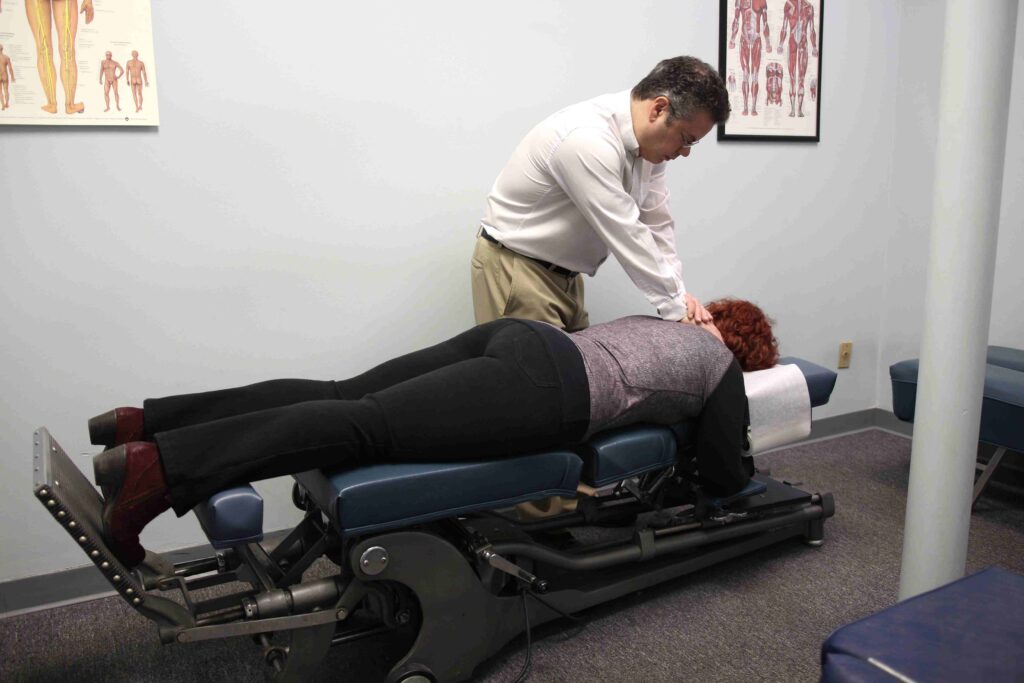
As your local chiropractor, I want to share how chiropractic care can be a vital partner in preventing back pain and enhancing your overall health. This natural approach centers on aligning your spine, which is crucial for optimal body function. By addressing any misalignments, we can help restore balance and alleviate tension in your muscles.
Here’s how chiropractic care can specifically benefit you:
- Improves posture: Through regular adjustments, we work to keep your spine properly aligned, which promotes better posture and reduces strain.
- Enhances mobility: Chiropractic care is designed to improve your range of motion, making everyday activities easier and more enjoyable.
- Reduces muscle tension: Our targeted treatments focus on relieving tightness in your muscles, helping to prevent discomfort before it even begins.
- Promotes relaxation: Many patients find that chiropractic adjustments help lower their stress levels, contributing to an overall sense of well-being.
By incorporating chiropractic care into your health routine, you’re taking a proactive approach to maintaining a healthy spine and preventing back pain.
I encourage you not to wait until discomfort sets in—explore this natural healing option today, and let’s work together towards a pain-free life!
Foam Rolling for Muscle Recovery
As a local chiropractor, I want to share with you the importance of foam rolling in maintaining your muscle health and preventing back pain. You may know foam rolling as a tool for post-workout recovery, but its benefits extend far beyond that.
By addressing tight muscles and fascia, foam rolling aids in releasing tension and enhancing blood circulation, which can alleviate soreness and stiffness. When you focus on those tight areas, you’re effectively breaking up muscle knots and encouraging better blood flow, which contributes to a quicker recovery process.
This practice is particularly advantageous for your back, as it promotes flexibility and mobility, essential components for overall spinal health. I recommend incorporating foam rolling into your routine after workouts or even on your rest days to ensure your muscles remain in optimal condition.
Pay special attention to regions like your lower back, glutes, and hips, as these areas are often interconnected with back pain. Spending just a few minutes on these spots during each session can lead to noticeable improvements in your comfort levels and physical performance.
The Connection Between Weight Management and Back Pain
As a local chiropractor, I want to help you understand the important connection between weight management and back pain. Carrying excess weight can place added stress on your spine and the muscles surrounding it, often resulting in discomfort and chronic pain.
By focusing on managing your weight, you can relieve some of this strain and enhance the health of your back. Here are a few ways that effective weight management can make a difference:
- It reduces the strain on your spine and joints, which can alleviate pain.
- By improving your posture, you can significantly lessen back discomfort.
- Weight management can enhance your flexibility and mobility, allowing for better movement.
- It encourages overall physical activity, which helps to strengthen the muscles that support your back.
Remember, maintaining a healthy weight goes beyond just aesthetics; it plays a crucial role in how you feel day to day.
By being mindful of your weight and making conscious lifestyle choices, you can take meaningful steps toward reducing back pain. As your chiropractor, I encourage you to consider small changes in your daily routine to improve your back health.
Together, we can work towards a healthier, pain-free life!
Incorporating Balance Exercises
As a local chiropractor, I want to emphasize that managing your weight is just one of the many steps you can take toward achieving a healthier back. One effective way to support your spine is by incorporating balance exercises into your routine. These exercises play a crucial role in enhancing your core stability, which can significantly reduce the risk of back pain.
By strengthening the muscles that support your spine, you can improve your posture and overall well-being. Simple activities, such as standing on one leg or using a balance board, can engage your core and enhance your coordination.
I encourage you to consider adding exercises like yoga or tai chi to your weekly regimen. These practices not only improve balance but also promote flexibility and relaxation, both of which are vital for maintaining a healthy back.
Additionally, you can introduce balance challenges into your daily life. For example, try walking heel-to-toe for a few minutes or performing calf raises while holding onto a stable surface.
These small adjustments can make a meaningful difference in your back health and overall stability. If you have any questions or need guidance on how to get started, I’m here to help!
The Benefits of Deep Breathing Exercises
As a local chiropractor, I want to share with you the incredible benefits of deep breathing exercises for your back health and overall well-being. Many people are unaware of how simple techniques like these can make a significant difference in their daily lives.
By incorporating deep breathing into your routine, you can enjoy a range of advantages that promote relaxation and alleviate tension in your back muscles.
Here are some key benefits of deep breathing:
- Reduces Stress: When you slow down your breathing, it helps calm your mind and lower stress levels. This is crucial, as high stress can lead to muscle tightness and discomfort in your back.
- Improves Posture: Deep breathing fosters body awareness, which is essential for maintaining proper posture and alignment. As a chiropractor, I see firsthand how poor posture can lead to various issues, and deep breathing can be a simple solution to help you stand tall and confident.
- Enhances Oxygen Flow: By taking deep breaths, you increase your oxygen intake, which nourishes your muscles and tissues. This improved oxygen flow can enhance their function and resilience, making it easier for your body to support you through daily activities.
- Promotes Relaxation: Engaging in deep breathing not only helps release endorphins, but it also creates a sense of calm and comfort in your body. This can be especially beneficial for those of you dealing with chronic pain or discomfort.
Incorporating deep breathing exercises into your daily routine can be a powerful tool for enhancing your overall health.
As your chiropractor, I encourage you to give these techniques a try and experience the positive impact they can have on both your back and your well-being.
How to Warm Up and Cool Down Properly
As a local chiropractor dedicated to your overall health and well-being, I want to emphasize the importance of incorporating deep breathing exercises into your daily routine. These exercises not only promote relaxation but also prepare your body for physical activity, which is vital for maintaining a healthy spine and musculoskeletal system.
Before embarking on any workout, I recommend spending five to ten minutes warming up. Focus on dynamic stretches that actively engage your muscles, such as arm circles, leg swings, and trunk rotations. This not only increases blood flow and flexibility but also significantly reduces the risk of injury, especially to your back.
After your workout, cooling down is equally important. Take another five to ten minutes to perform gentle stretches, holding each position for at least 15-30 seconds. This allows your muscles to relax and aids in recovery, which is essential for maintaining a healthy spine and preventing discomfort.
Throughout both your warm-up and cool-down, remember to breathe deeply. This practice enhances your performance and fosters a sense of calm, which can be beneficial for your overall health.
The Role of Nutrition in Musculoskeletal Health
As your local chiropractor, I want to emphasize the vital role that nutrition plays in supporting your musculoskeletal health. Many people overlook how what they eat can significantly impact their overall well-being, particularly when it comes to maintaining strong bones and muscles, which can help reduce the risk of back pain.
To promote optimal musculoskeletal health, consider incorporating the following key nutrients into your diet:
- Calcium: This mineral is essential for bone strength. You can find calcium in dairy products, leafy greens, and almonds. Ensuring you get enough calcium can help prevent bone-related issues down the line.
- Vitamin D: This vitamin improves your body’s ability to absorb calcium. You can naturally obtain vitamin D through sunlight, consuming fatty fish, or choosing fortified foods. It’s important for maintaining strong bones.
- Omega-3 Fatty Acids: These healthy fats are known for their anti-inflammatory properties. You can find omega-3s in fish, walnuts, and flaxseeds. Reducing inflammation can lead to less discomfort in your joints and muscles.
- Magnesium: This mineral supports proper muscle function and can help prevent cramping and spasms. Include sources like whole grains, nuts, and spinach in your meals for optimal benefits.
By incorporating these nutrients into your daily meals, you can make a significant impact on your musculoskeletal health.
Remember, the foods you choose aren’t just fuel; they serve as a foundation for a life free from pain. I encourage you to make mindful dietary choices that will support your body and reduce your risk of back pain.
Together, we can work towards a healthier, pain-free future!
Identifying and Modifying Pain Triggers
As a local chiropractor, I want to help you understand how your nutrition can influence your musculoskeletal health, and how this knowledge is just the starting point in managing and preventing back pain.
It’s essential to identify the specific triggers that may be contributing to your discomfort. Begin by observing your daily activities—are you lifting heavy objects improperly or spending long hours sitting? Pay attention to how certain movements or positions may be affecting your back.
Next, let’s take a look at your environment. The importance of ergonomic furniture and a well-designed workstation can’t be overstated; they can significantly alleviate strain on your body.
If you find that certain tasks lead to pain during or after completion, I encourage you to pause and reassess your approach.
Additionally, consider lifestyle factors that may be at play. Stress can cause muscle tension, so incorporating relaxation techniques into your routine can be beneficial. Engaging in regular exercise not only strengthens your core but also supports your spine, creating a solid foundation for your back health.
By identifying and modifying these pain triggers, you’re taking proactive steps toward a pain-free life.
The Importance of Sleep Position
As a local chiropractor, I want to emphasize the critical impact your sleep position has on your back health. Many people overlook how the way they sleep can contribute to back pain, but making some simple adjustments can lead to significant relief.
Selecting the right sleep position and optimizing your pillow support can transform how your back feels when you wake up.
Let’s delve into the best sleep positions for your spine and the importance of proper pillow placement. By understanding these concepts, you can enhance your comfort and promote better alignment during sleep, ultimately supporting your overall wellness and natural healing.
It’s all about setting the foundation for a good night’s rest, which is essential for your body’s recovery and daily function.
Ideal Sleep Positions
As a chiropractor, I often emphasize the importance of sleep position and how it can significantly affect your back health. Many people may not realize that the way you sleep can influence your spinal alignment and overall well-being.
Here are some recommended sleep positions to consider for a healthier back:
- Sleeping on your side: This position helps maintain proper spinal alignment and reduces pressure on your back. It’s one of the best ways to sleep to support your spine.
- Fetal position: Curling up slightly into a fetal position can be particularly beneficial if you suffer from conditions like a herniated disc, as it can relieve pressure on the spine.
- Sleeping on your back: This position allows your head, neck, and spine to rest in a neutral alignment, which minimizes strain and promotes better posture.
- Avoiding stomach sleeping: Unfortunately, sleeping on your stomach can lead to neck twisting and increased pressure on your spine, which can contribute to discomfort and pain.
By being mindful of your sleep position, you can enhance your spinal health and potentially alleviate discomfort.
If you have any questions about how your sleep habits may be affecting your health, don’t hesitate to reach out. Your spine will thank you!
Pillow Placement Matters
As a local chiropractor, I want to emphasize that while you’ve probably heard about the best sleep positions for maintaining a healthy back, the importance of pillow placement is equally crucial. Your pillows play a vital role in supporting your spine’s natural alignment during sleep.
For those who sleep on their backs, I recommend using a thinner pillow. This helps to keep your neck aligned with your spine, promoting optimal posture while you rest.
If you’re a side sleeper, opting for a firmer, thicker pillow is beneficial. It fills the gap between your shoulder and head, which can help prevent strain and discomfort in your neck and shoulders.
For stomach sleepers, I suggest considering a very thin pillow or even going without one. This approach minimizes the risk of arching your neck, which can lead to discomfort over time.
I encourage you to experiment with different pillow types and placements until you discover what feels most comfortable for you. Proper pillow placement can significantly reduce tension and discomfort, allowing you to wake up feeling refreshed and pain-free.
Staying Active With Low-Impact Exercises
As a local chiropractor, I often emphasize the importance of staying active while being mindful of your joints, especially when it comes to preventing back pain.
Low-impact exercises can be incredibly beneficial for maintaining your overall health and well-being without putting unnecessary stress on your body. These types of exercises not only strengthen your core but also improve flexibility and enhance your fitness level while reducing the risk of injury.
Here are some excellent options for you to consider:
- Walking: This is a straightforward and highly effective way to keep your body moving without causing strain on your back.
- Cycling: Whether you prefer a stationary bike or enjoy the outdoors, cycling is a great way to engage your muscles and promote cardiovascular health.
- Yoga: Gentle stretches and poses can help increase flexibility and reduce tension in your body, which is essential for maintaining a healthy spine.
- Pilates: This practice focuses on strengthening your core and improving posture, both of which are critical for supporting your back.
By incorporating these low-impact activities into your daily routine, you can experience significant improvements in your overall health and comfort.
I encourage you to take that first step—put on your sneakers and start moving toward a healthier, pain-free life!
The Benefits of Swimming for Back Pain Relief
As a local chiropractor, I want to share with you the incredible benefits of swimming for alleviating back pain. Many of my patients are often surprised to learn that swimming can be a highly effective way to relieve discomfort in the back. The buoyancy of water significantly reduces strain on your joints, allowing you to engage various muscle groups without placing excessive pressure on your spine.
When you swim, you’re not just having fun; you’re also strengthening your back, increasing flexibility, and enhancing your body alignment—all essential components for pain relief. The support of water allows for freer movement, which encourages proper posture and minimizes the risk of injury, something I emphasize in my practice.
Moreover, swimming enhances circulation, which is vital for delivering essential nutrients to your muscles and tissues. This boost in circulation can accelerate your recovery process, making it a wonderful complement to chiropractic care.
Additionally, the rhythmic nature of swimming can have a meditative effect, helping to alleviate stress and tension that can often worsen back pain.
Whether you enjoy freestyle, backstroke, or gentle water aerobics, incorporating swimming into your routine can be an enjoyable way to manage discomfort while simultaneously building strength and endurance.
I encourage you to immerse yourself in this natural healing method and consider how it can benefit your overall well-being!
How to Maintain Mobility as You Age
As a local chiropractor, I want to emphasize the importance of maintaining flexibility and strength as you age.
It’s crucial for sustaining your mobility and overall well-being. By incorporating stretching and flexibility exercises into your daily routine, you can significantly improve your range of motion.
Additionally, strength training is vital as it helps to support your joints, keeping them healthy and functional. Together, these practices not only help keep you active but also reduce the risk of experiencing back pain.
Stretching and Flexibility Exercises
As a local Chiropractor, I want to emphasize the importance of incorporating stretching and flexibility exercises into your daily routine, especially as you age.
These exercises are crucial not only for maintaining mobility but also for enhancing your overall quality of life. Regular stretching can significantly improve your range of motion and help prevent injuries that might arise from stiffness.
Here are some effective stretches that I recommend:
- Hamstring Stretch: Find a comfortable seated position and gently reach for your toes. This will help loosen tight hamstrings and promote better flexibility in your legs.
- Shoulder Stretch: Bring one arm across your body and hold it with your opposite hand. This simple stretch can effectively target and relieve tension in your shoulders.
- Quadriceps Stretch: While standing, balance on one leg and pull your other heel toward your glutes. This stretch focuses on the front of your thigh and can help prevent tightness in that area.
- Cat-Cow Stretch: Get on all fours and move between arching your back (like a scared cat) and rounding it (like a cow). This dynamic movement can greatly improve spinal flexibility and relieve back tension.
By making these stretches a regular part of your routine, you’ll likely notice an improvement in your mobility and overall well-being.
Strength Training Essentials
As a local chiropractor, I often see patients who associate strength training with bodybuilders or athletes, but it’s essential to understand its importance for everyone, especially as we age. Incorporating strength training into your routine can significantly enhance your mobility and overall health.
By building muscle, you provide essential support for your joints and spine, which can help reduce the risk of back pain—a common issue I encounter in my practice.
I recommend starting with bodyweight exercises such as squats, lunges, and push-ups. These exercises can effectively enhance your strength without the need for heavy weights. As you become more comfortable, consider incorporating resistance bands or light dumbbells for added variety and challenge.
Ideally, aim for two to three strength training sessions each week, focusing on all major muscle groups. It’s crucial to maintain proper form during these exercises to prevent injuries, which can complicate your health and wellness journey.
Always listen to your body; if you experience pain, it’s wise to modify the exercise or consult with a healthcare professional.
Staying consistent with strength training not only supports your physical health but can also contribute to your overall well-being as you age.
Incorporating Balance and Stability Training
As a chiropractor dedicated to promoting natural healing and overall wellness, I want to emphasize the importance of incorporating balance and stability training into your routine to significantly reduce the risk of back pain.
By improving your core strength and coordination, you can enhance your posture and align your spine more effectively, alleviating unnecessary strain on your back.
Here are some exercises that I highly recommend for my patients:
- Single-leg stands: This exercise not only improves your balance but also strengthens the stabilizing muscles that support your spine.
- Plank variations: Engaging your core through different plank positions helps maintain spinal alignment and encourages a strong foundation.
- Bosu ball exercises: Training on an unstable surface like a Bosu ball challenges your balance and builds overall strength, which is vital for spinal health.
- Yoga or tai chi: Both practices are excellent for enhancing flexibility and stability, while also promoting relaxation and mindfulness.
Incorporating these exercises into your regular fitness plan can create a solid foundation for your back health.
Not only will you reduce your risk of injury, but you’ll also improve your body awareness, which is essential for maintaining a healthy and pain-free back.
As your chiropractor, I encourage you to explore these options as part of your holistic approach to wellness.
Keeping a Pain Journal for Tracking Progress
As a local chiropractor, I want to share with you how keeping a pain journal can be a powerful tool in managing your back pain and enhancing your overall wellness. Many of my patients have found that by consistently documenting the intensity, duration, and type of pain they experience, they can uncover valuable insights about their condition.
By recording details such as your daily activities, posture, and any treatments you’ve tried—like chiropractic adjustments or exercises—you can identify patterns and triggers that may be influencing your back pain.
It’s also important to note any emotional factors in your journal. Stress and emotional well-being can play a significant role in how we perceive and experience pain.
As you review your journal over time, you may notice trends that highlight your progress, setbacks, or even certain activities or treatments that work better for you. This valuable information can empower you to make informed choices about your health and pain management.
Ultimately, the goal of your pain journal is to create a comprehensive resource that helps both you and me, your chiropractor, understand your back pain journey more clearly.
With this knowledge, we can develop more effective strategies for relief and support your path towards natural healing and improved well-being. Remember, you’re taking an important step in taking control of your health!
Building a Support Network for Accountability
As a chiropractor, I want to emphasize the importance of building a support network in your journey to prevent back pain.
It’s crucial to surround yourself with individuals who can motivate and encourage you. By identifying these key supporters—friends, family, or even fellow patients—you can establish regular check-ins to hold each other accountable.
When you share your progress and set goals together, it not only enhances your commitment to a healthier back but also makes the journey toward natural healing and wellness much more manageable.
Remember, chiropractic care is about more than just treatment; it’s about creating a lifestyle that supports your overall well-being.
Let’s work together to build that supportive community!
Identify Key Support Individuals
As a local chiropractor, I want to emphasize the importance of building a robust support network to help you maintain accountability in your journey to prevent back pain naturally. Identifying key individuals who can encourage and motivate you can truly make a significant difference in your healing process.
Here are some potential supporters to consider:
- Friends: Engage them in activities that promote mobility, such as gentle stretching or walking together. Their companionship can make these activities more enjoyable and consistent.
- Family Members: Their encouragement is invaluable in helping you stay committed to your routine. Family support can provide the motivation you need to maintain your lifestyle changes and therapeutic practices.
- Healthcare Professionals: Working with trained healthcare providers, such as chiropractors, can offer you expert advice tailored to your specific needs. Regular check-ins with them will help monitor your progress and adjust your care plan as necessary.
- Support Groups: Connecting with others who are facing similar challenges can be incredibly motivating. Sharing experiences in a support group can provide not only encouragement but also practical tips and strategies for managing back pain naturally.
Together, with the right support, you can cultivate a healthier lifestyle and work towards a pain-free future.
Establish Regular Check-Ins
As a local chiropractor, I want to emphasize the importance of establishing regular check-ins with your support network to help you prevent back pain naturally.
These check-ins can be a vital part of your healing journey, allowing you to stay accountable and informed about your progress. By creating a schedule for these discussions—whether it’s weekly or bi-weekly—you can share your experiences, celebrate your successes, and address any challenges you may encounter.
During these meetings, focus on exchanging valuable tips for managing discomfort and improving your posture, which are essential components of chiropractic care.
Your support network can provide motivation and encouragement, reminding you of the goals you’ve set for yourself in maintaining a healthy lifestyle. This collaborative approach not only reinforces your commitment to your health but also enhances the effectiveness of the natural healing methods we discuss in our sessions.
Together, we can create a strong foundation to help you prevent back pain and improve your overall well-being.
Share Progress and Goals
As a local chiropractor, I want to emphasize the importance of sharing your progress and goals as you work towards preventing back pain. Engaging with a support network can significantly enhance your accountability and motivation throughout your healing journey.
Here are some effective strategies to consider:
- Regular updates: Keep your family and friends informed about your achievements and any challenges you face. This not only helps you stay accountable but also allows others to cheer you on.
- Set specific goals: Clearly define your objectives regarding back pain prevention, whether it’s improving your posture, increasing flexibility, or strengthening your core. Sharing these targets can help you stay focused.
- Celebrate milestones: Recognize and celebrate every step you take, no matter how small. Acknowledging your progress boosts motivation and reinforces the positive changes you’re making.
- Seek feedback: Don’t hesitate to ask your support network for advice or encouragement. Their insights can provide valuable perspectives and help you stay on track.
By building a supportive community around you, you not only enhance your accountability but also create a nourishing environment that makes your path to back pain prevention more enjoyable and effective.
Celebrating Your Progress and Setting Future Goals
As a local chiropractor, I want to emphasize that while managing back pain can present its challenges, it’s just as crucial to celebrate your progress along the way. Recognizing how far you’ve come is vital to maintaining your motivation and a positive mindset.
Take a moment to reflect on your improvements—perhaps you’ve gained better flexibility or experienced a reduction in pain levels. These milestones deserve to be acknowledged!
Moving forward, I encourage you to set specific and attainable goals for your health. This could mean adding a new therapeutic exercise to your routine or committing to daily stretching practices. Having clear objectives will help you stay focused on your healing journey.
Remember to monitor your progress regularly, and don’t shy away from rewarding yourself when you achieve those milestones.
Sharing your achievements with friends, family, or a support group can also strengthen your commitment to healing. It’s important to celebrate not only the significant milestones but also the small victories.
Every step you take brings you closer to a healthier back and a more active lifestyle. Embrace this journey toward wellness; it’s essential for your long-term health and well-being.
As your chiropractor, I’m here to support you every step of the way!
Conclusion
As a local chiropractor dedicated to your health, I want to introduce you to the “30 Days to Prevent Back Pain Naturally” program. This initiative is designed to empower you to take charge of your spinal health. It’s essential to understand the importance of maintaining good posture, engaging in core strengthening exercises, and incorporating daily stretches into your routine.
Additionally, setting up an ergonomic workspace can make a significant difference in your comfort levels throughout the day. I also encourage you to keep a pain journal to monitor your progress and identify any activities that may contribute to discomfort.
Every small change you make can significantly reduce your back pain and improve your overall well-being. Remember to celebrate your milestones along the way, as each step brings you closer to achieving your health goals. Embracing these habits not only supports your spine but also enhances your quality of life. If you have any questions or need guidance, I’m here to help you on your journey to better health!