
You've likely experienced neck pain at some point, and you might be wondering if non-surgical remedies could offer relief. From physical therapy and chiropractic care to simple home remedies like heat therapy and stretching, various options could potentially ease your discomfort. Even practices such as yoga and mindfulness may play a role in not just alleviating pain but also enhancing your overall well-being. But how do these methods work, and which ones are most effective for your specific situation? Exploring these questions could lead you to the solutions you need.
Understanding Neck Pain
Neck pain is a common issue that affects many people at some point in their lives. You might experience this discomfort due to various factors, including poor posture, muscle strain, or injuries. Understanding the root causes of your neck pain is vital for finding effective relief.
One common reason you might feel neck pain is muscle strain. This can happen if you've been working long hours at a desk, hunched over your computer, or sleeping in an awkward position. Over time, these habits can lead to tension and stiffness in your neck, making daily activities uncomfortable.
You might also notice that stress contributes to muscle tightness, leading to discomfort.
Another factor to reflect on is the natural aging process. As you age, the discs in your spine can degenerate, and you may develop conditions like arthritis. These changes can lead to neck pain, affecting your mobility and overall quality of life.
In some cases, you may experience neck pain due to more serious conditions, such as herniated discs or pinched nerves. If your pain is persistent or severe, it's important to consult a healthcare professional to rule out any underlying issues.
Benefits of Physical Therapy
Physical therapy offers you targeted muscle strengthening that can considerably alleviate neck pain.
You'll notice improved range of motion, allowing you to move more freely and comfortably.
With the right exercises, you can regain control over your neck health and overall mobility.
Targeted Muscle Strengthening
Targeted muscle strengthening plays an essential role in alleviating neck pain and enhancing overall mobility. By focusing on the muscles that support your neck, you can improve stability and reduce strain.
When you engage in specific exercises, like isometric holds or resistance training, you're not just building strength; you're also retraining your muscles to function properly. This approach helps to correct imbalances that may contribute to pain.
As you strengthen your neck, shoulders, and upper back, you'll find that everyday activities become easier and less painful. You might notice improvements in your posture, which can further alleviate discomfort.
Additionally, targeted muscle strengthening can foster better blood circulation to the affected areas. This increased blood flow can promote healing and reduce inflammation.
As you progress, you'll likely experience greater endurance during physical activities, allowing you to maintain an active lifestyle without the fear of aggravating your neck pain.
Incorporating targeted muscle strengthening into your routine, perhaps under the guidance of a physical therapist, can offer a safe and effective way to manage your neck pain and improve your quality of life.
Improved Range of Motion
Through effective physical therapy, you can experience a significant improvement in your range of motion, which is essential for everyday activities.
Whether you're reaching for something on a shelf or turning your head while driving, enhanced mobility can make these tasks easier and more comfortable.
Physical therapy focuses on specific techniques that help restore your neck's flexibility and strength.
Here are four key benefits you'll likely notice:
- Targeted Exercises: You'll engage in customized exercises designed to stretch and strengthen the muscles around your neck, helping to alleviate stiffness.
- Manual Therapy: Your therapist may use hands-on techniques to manipulate the neck and shoulders, promoting blood flow and reducing tension.
- Postural Training: You'll learn how to maintain proper posture during daily activities, which can prevent further injury and improve overall movement.
- Functional Mobility: As your range of motion increases, you'll find it easier to perform daily tasks, enhancing your quality of life.
Role of Chiropractic Care
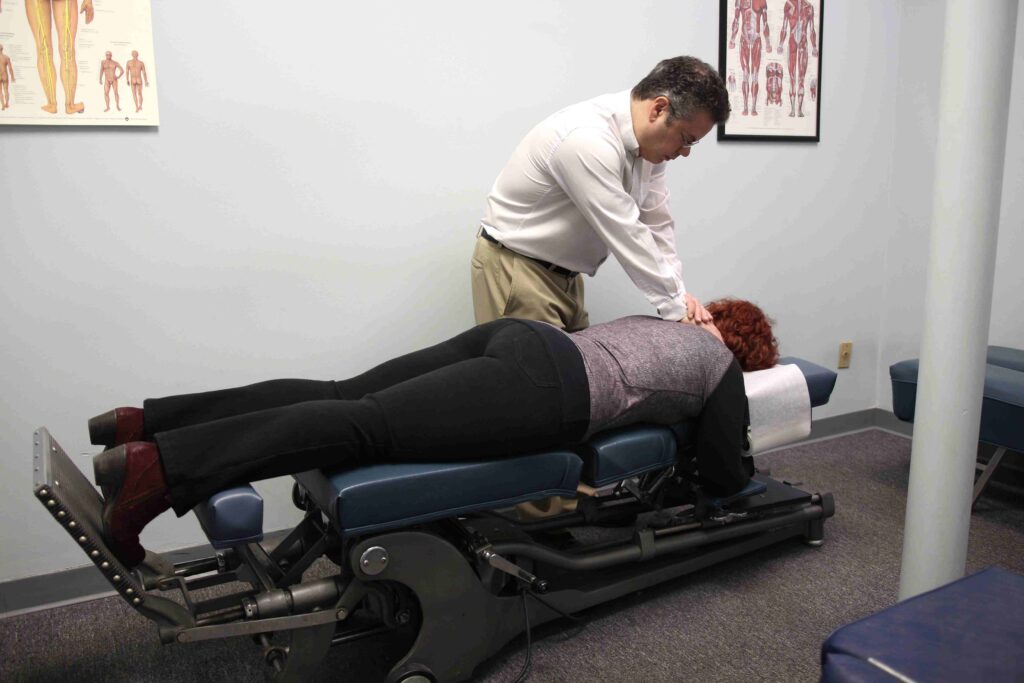
Chiropractic care offers a range of techniques designed to relieve neck pain effectively.
Regular adjustments can help improve your mobility and reduce discomfort, making daily activities more manageable.
If you're seeking a non-invasive approach to ease your neck pain, chiropractic treatment might be worth considering.
Techniques for Pain Relief
Relief from neck pain often feels elusive, but chiropractic care can play an essential role in addressing this discomfort. Chiropractors use a variety of techniques to alleviate pain and improve your overall neck function.
Here are four common methods you might encounter during your visits:
- Spinal Manipulation: This hands-on technique involves precise adjustments to realign your spine and reduce tension in the neck muscles, promoting better mobility.
- Soft Tissue Therapy: Chiropractors often apply targeted pressure to specific muscles and connective tissues, easing tightness and encouraging blood flow to the affected areas.
- Therapeutic Exercises: You'll likely be given personalized exercises that strengthen your neck and back, helping to support your posture and reduce the risk of future pain.
- Lifestyle Counseling: Your chiropractor may provide advice on ergonomics, posture, and daily habits that can contribute to neck pain, empowering you to make lasting changes.
Benefits of Regular Adjustments
Regular adjustments can greatly enhance your overall well-being and quality of life. When you visit your chiropractor regularly, they'll help realign your spine and improve your nervous system function. This can lead to reduced neck pain and tension, allowing you to move more freely.
One of the key benefits of regular adjustments is improved posture. As your spine aligns more effectively, you'll notice a decrease in the strain on your neck and shoulders. Better posture can also prevent future pain, making everyday activities more comfortable.
In addition, chiropractic care can boost your immune system. A well-aligned spine allows your body to function at its best, which means you're less likely to get sick. You might also experience improved sleep quality, as regular adjustments can alleviate discomfort that interferes with your rest.
Lastly, chiropractic care promotes overall physical health. By addressing the root cause of your neck pain, you'll enhance your mobility and flexibility. This can lead to better performance in activities you enjoy, whether it's exercising or spending time with family.
Investing in regular adjustments is an essential step toward a healthier, pain-free life.
Yoga for Neck Relief
If you've ever felt the tension building in your neck after a long day, yoga might just be the answer you're looking for. This ancient practice can help alleviate neck pain by promoting flexibility, strength, and relaxation.
By incorporating specific yoga poses into your routine, you can target the muscles that contribute to discomfort in your neck. Here are four effective poses to contemplate:
- Child's Pose (Balasana): This gentle stretch helps release tension in the neck and shoulders. Sit back on your heels, reach your arms forward, and let your forehead rest on the mat.
- Cat-Cow Stretch (Marjaryasana-Bitilasana): This dynamic movement increases spinal flexibility. Start on all fours, arch your back while inhaling for Cow and round your spine while exhaling for Cat.
- Seated Forward Bend (Paschimottanasana): While seated, reach for your feet, bending forward at the hips. This pose stretches the spine and neck, promoting relaxation.
- Neck Rolls: While seated or standing, gently roll your head in a circular motion. This simple movement helps release tightness and increases mobility in your neck.
Incorporating these poses into your daily routine can provide immediate relief and improve your overall neck health.
Remember to listen to your body and avoid pushing yourself too hard. With consistent practice, you'll likely notice a decrease in tension and an increase in comfort, making yoga a valuable tool for neck relief.
Mindfulness and Stress Reduction
Practicing yoga not only helps alleviate physical tension but also fosters a greater sense of mindfulness, which can be pivotal in managing stress levels. When you engage in mindful practices, you become more aware of your thoughts and emotions, allowing you to respond to stress more effectively. This heightened awareness can lead to a reduction in neck pain, as stress often manifests physically in the body.
Incorporating mindfulness into your daily routine doesn't have to be complicated. Simple techniques like deep breathing or focused meditation can help you stay grounded. When you find yourself feeling overwhelmed, pause for a moment. Take a few deep breaths, focusing on the sensation of air filling your lungs and then slowly releasing it. This act alone can create a calming effect, reducing stress and tension in your neck.
Another effective method is to practice progressive muscle relaxation. This involves tensing and then relaxing different muscle groups in your body, which can help you release built-up tension. By being mindful of how your body feels, you can identify areas of tightness and consciously work to relax them.
Finally, integrating mindfulness into your everyday activities—whether it's eating, walking, or even working—can transform mundane tasks into opportunities for stress reduction. By paying attention to the present moment, you'll not only enhance your mental well-being but also contribute to alleviating any physical discomfort, including neck pain.
Mindfulness is a powerful tool that can empower you to take control of your stress and its effects on your body.
Home Remedies and Lifestyle Changes
When it comes to alleviating neck pain, home remedies and lifestyle changes can make a notable difference. You don't need to rely solely on medications or professional treatments. Here are some practical strategies you can adopt to ease your discomfort:
1. Heat and Cold Therapy: Applying a heating pad or a warm towel can help relax tight muscles, while ice packs can reduce inflammation and numb sharp pain.
Alternate between the two for ideal relief.
2. Gentle Stretching: Incorporating gentle neck stretches into your daily routine can improve flexibility and reduce tension.
Try tilting your head side to side, forward, and backward to gently stretch the muscles.
3. Ergonomic Adjustments: Evaluate your workspace and daily habits.
Confirm your desk setup promotes good posture, with your computer screen at eye level and your chair providing adequate support.
Avoid cradling your phone between your ear and shoulder.
4. Hydration and Nutrition: Staying hydrated and consuming a balanced diet can notably impact muscle health.
Incorporate foods rich in omega-3 fatty acids, such as fish and nuts, to help reduce inflammation.
Conclusion
Incorporating non-surgical remedies into your routine can markedly relieve neck pain and improve your overall well-being. By engaging in physical therapy, chiropractic care, and yoga, you not only strengthen your neck but also enhance spinal alignment. Practicing mindfulness helps you manage stress, while home remedies offer immediate relief. By making these changes, you can take control of your neck health and enjoy a more comfortable, pain-free life. Don't wait—start your journey to relief today!