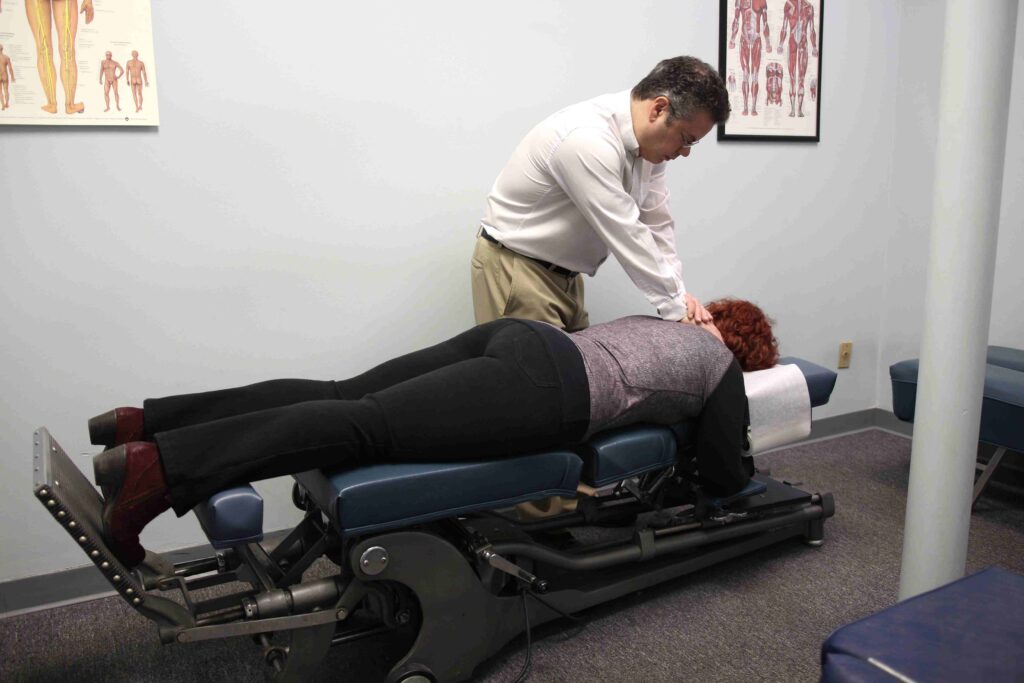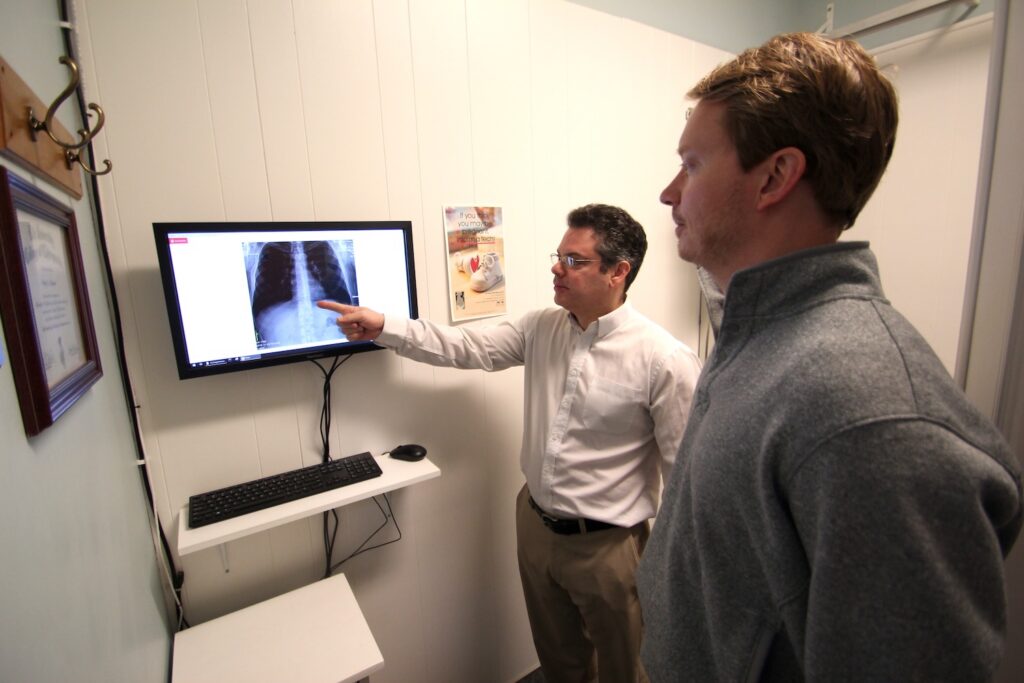

If you're struggling with back pain, you might wonder if a custom approach could be the solution you need. Tailored strategies that consider your unique body mechanics and lifestyle can lead to more effective relief. By focusing on personalized exercise, nutrition, and mindfulness, you could not only alleviate discomfort but also enhance your overall well-being. However, the key lies in understanding your specific triggers and how a custom plan can address them. So, what steps can you take to create a personalized approach that truly works for you?
Understanding Back Pain Causes
Back pain often sneaks up on you, stemming from various causes that can be hard to pinpoint. It might start as a dull ache after a long day at work or a sharp twinge when you bend over to pick something up. Understanding the root of your back pain is essential for effective treatment.
One common cause is poor posture. If you spend hours hunched over a computer or slouched on the couch, your spinal alignment suffers, leading to muscle strain. Additionally, lack of physical activity can weaken your back muscles, making them more susceptible to injury.
On the flip side, excessive exercise without proper conditioning can also result in pain, especially if you push your body too hard.
Injuries, whether from a specific incident or repetitive strain, can lead to acute or chronic back pain. If you've recently lifted something heavy or experienced a fall, you might notice discomfort that lingers. Conditions like herniated discs or arthritis can also play a significant role, causing persistent pain that often radiates to other areas.
Stress and emotional factors can't be overlooked either. They can manifest physically, tightening your muscles and leading to discomfort.
Keeping track of your daily activities and stress levels can help you identify potential triggers. By recognizing these causes, you'll be better equipped to address your back pain and find effective relief.
Benefits of a Custom Approach
Finding the right approach to managing back pain can make a significant difference in your recovery journey. A custom approach tailors the treatment to your unique needs, addressing the specific causes of your pain. This personalization guarantees that you're not just receiving generic advice but a plan that considers your lifestyle, medical history, and personal goals.
One major benefit of a custom approach is targeted relief. Instead of trying various remedies that may or may not work, a tailored plan focuses on the root cause of your discomfort. This specificity can lead to faster results, allowing you to regain mobility and comfort more quickly.
Another advantage is improved engagement. When you're involved in a plan that resonates with your specific situation, you're more likely to stick with it. This adherence boosts your chances of success, ultimately leading to a more effective recovery.
Additionally, a custom approach can help you develop a deeper understanding of your body. As you work with professionals who create a plan just for you, you'll learn what works best for your unique situation. This knowledge empowers you to make informed choices about your health and well-being.
Lastly, a personalized strategy often includes ongoing assessments and adjustments. As your condition changes, your treatment can evolve, guaranteeing that you're always on the best path toward relief.
Personalized Exercise Programs
Often, personalized exercise programs play an essential role in managing back pain effectively. When you tailor your workouts to your specific needs and limitations, you're more likely to build strength, flexibility, and endurance in the areas that matter most. A general workout plan mightn't address the unique muscle imbalances or weaknesses contributing to your discomfort, but a personalized program can.
To create an effective exercise regimen, it's vital to assess your individual condition. This might involve working with a physical therapist or a fitness professional who understands your back pain and can design a plan that suits your lifestyle and physical capabilities.
You'll want to focus on strengthening core muscles, which provide support to your spine. Incorporating flexibility and stretching exercises can also help alleviate tension and reduce the risk of injury.
Consistency is key. By committing to your personalized exercise program, you'll gradually notice improvements in your mobility and pain levels. Remember to start slow and listen to your body; pushing through pain can lead to setbacks. It's also helpful to track your progress, so you can see how far you've come and stay motivated.
In addition to physical benefits, engaging in regular exercise can boost your mood and overall well-being. When you take an active role in managing your back pain, you're not just addressing the symptoms—you're empowering yourself to lead a healthier, more active life.
Nutrition and Back Health
Your diet plays an essential role in managing back pain, especially when it comes to incorporating anti-inflammatory foods.
These foods can help reduce inflammation and promote healing, making a noticeable difference in your comfort levels.
Additionally, certain nutritional supplements might provide relief, supporting your overall back health.
Anti-inflammatory Foods Benefits
While many factors contribute to back pain, incorporating anti-inflammatory foods into your diet can play an essential role in alleviating discomfort and promoting overall spinal health. These foods help reduce inflammation, which is often a key player in chronic pain conditions, including back issues.
You'll want to focus on fruits and vegetables, particularly those rich in antioxidants like berries, leafy greens, and sweet potatoes. Omega-3 fatty acids found in fatty fish such as salmon and walnuts can also considerably reduce inflammation.
Additionally, spices like turmeric and ginger are known for their anti-inflammatory properties, making them excellent choices to include in your meals.
Whole grains, such as quinoa and brown rice, provide essential nutrients and fiber that support a healthy digestive system, which can also impact inflammation levels. By replacing processed foods high in sugars and unhealthy fats with these anti-inflammatory options, you can create a more balanced diet that not only promotes better back health but enhances your overall well-being.
Incorporating these foods into your daily meals might take some planning, but the benefits for your back—and your body—are well worth the effort.
Nutritional Supplements for Relief
Finding effective relief from back pain can be a transformative experience, and nutritional supplements play an essential role in this journey. They can support your body's healing processes and reduce inflammation, ultimately aiding in pain management.
Here are three key supplements to take into account:
- Omega-3 Fatty Acids: Found in fish oil, these healthy fats have powerful anti-inflammatory properties that can help alleviate back pain and improve mobility.
- Turmeric: This vibrant spice contains curcumin, which is known for its anti-inflammatory and antioxidant effects. Incorporating turmeric into your diet or taking it as a supplement can greatly reduce pain and discomfort.
- Magnesium: Important for muscle function, magnesium can help relax tight muscles in your back, reducing tension and spasms. A deficiency in magnesium can lead to increased pain and discomfort.
Before starting any new supplement regimen, it's essential to consult with a healthcare professional. They can tailor recommendations to your specific needs and guarantee that any supplements won't interfere with existing treatments.
Mindfulness and Stress Management
Incorporating mindfulness practices into your daily routine can greatly alleviate back pain by reducing stress and promoting relaxation. When you focus on the present moment, you can diminish the anxiety and tension that often contribute to discomfort in your back. Techniques like meditation, deep breathing, and progressive muscle relaxation help you cultivate awareness and calm your mind.
Start by setting aside a few minutes each day to practice mindfulness. Find a quiet space, sit comfortably, and close your eyes. Focus on your breath—notice each inhale and exhale. If your mind wanders, gently redirect your thoughts back to your breath. This simple practice can help you develop a stronger sense of awareness and lessen the impact of stress on your body.
Additionally, consider integrating mindfulness into your daily activities. Whether you're walking, eating, or even doing chores, try to engage fully in each moment. Pay attention to the sensations in your body and how they change as you move. This heightened awareness can help you identify tension and discomfort sooner, allowing you to address it before it escalates.
Don't forget to pair mindfulness with stress management techniques. Journaling can help you process emotions and clarify your thoughts. Regular exercise, such as yoga or tai chi, not only promotes physical health but also enhances your mental well-being.
Success Stories and Testimonials
Many individuals have discovered the transformative power of mindfulness in alleviating back pain, often sharing their own journeys to relief.
These success stories highlight how a tailored approach can lead to significant improvements in quality of life. You might find inspiration in the experiences of others who've embraced mindfulness and made lasting changes.
Here are three common themes from these testimonials:
- Enhanced Awareness: Many report that practicing mindfulness allows them to tune into their bodies better. This heightened awareness helps them identify triggers for their back pain, leading to proactive management strategies.
- Stress Reduction: Countless individuals emphasize the role of mindfulness in reducing stress, which often contributes to muscle tension and pain. By incorporating mindfulness techniques, they've learned to let go of worries and experience a sense of calm, reducing the physical manifestations of stress.
- Improved Mobility: Numerous testimonials highlight the newfound freedom in movement that follows a commitment to mindfulness practices. As they learn to relax their minds and bodies, they find they can engage in activities they once avoided due to pain.
These stories underscore the potential for mindfulness to transform your relationship with back pain.
Conclusion
Incorporating a custom approach to managing your back pain can truly transform your experience. By addressing your unique needs with personalized exercise programs, nutritional guidance, and mindfulness practices, you're not just alleviating pain—you're enhancing your overall quality of life. Embracing this holistic strategy can lead to better mobility and long-lasting relief. Don't wait any longer; take charge of your health and discover the benefits of a tailored plan designed just for you.