
If you're grappling with persistent back pain, you might be surprised to learn that Charlotte offers a variety of effective solutions tailored to your needs. From chiropractic adjustments that realign your spine to targeted physical therapy that strengthens your core, there's a thorough approach waiting for you. You may find that incorporating mindfulness practices can also play a significant role in your recovery. But what about the often-overlooked aspects, like nutritional support and ergonomic assessments? Understanding these elements could be key to your long-term relief. Curious about how they all fit together?
Chiropractic Adjustments
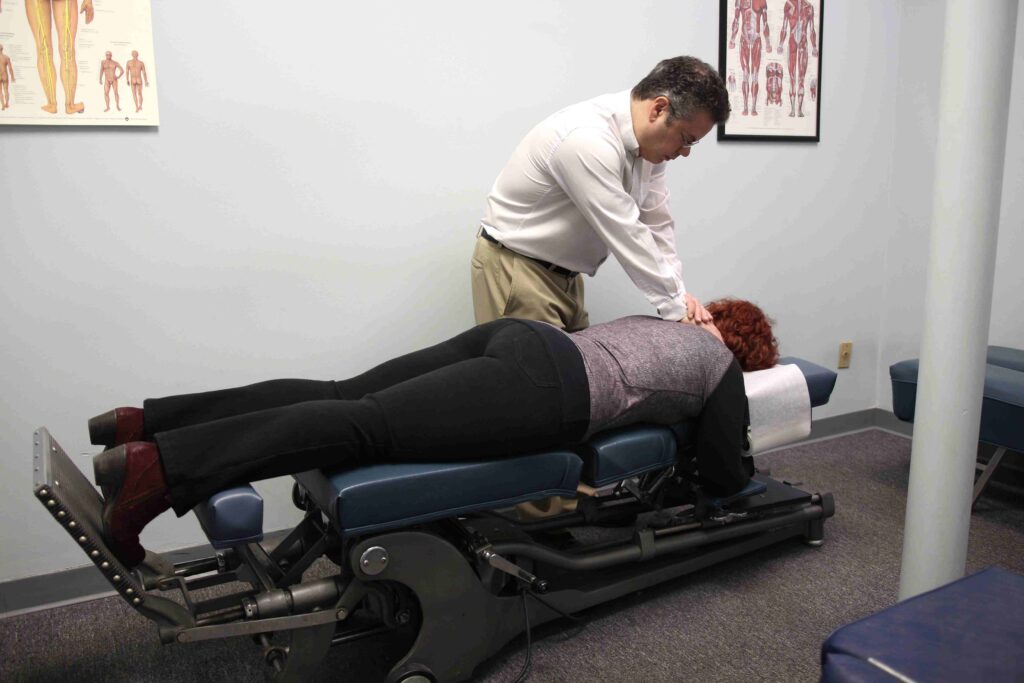
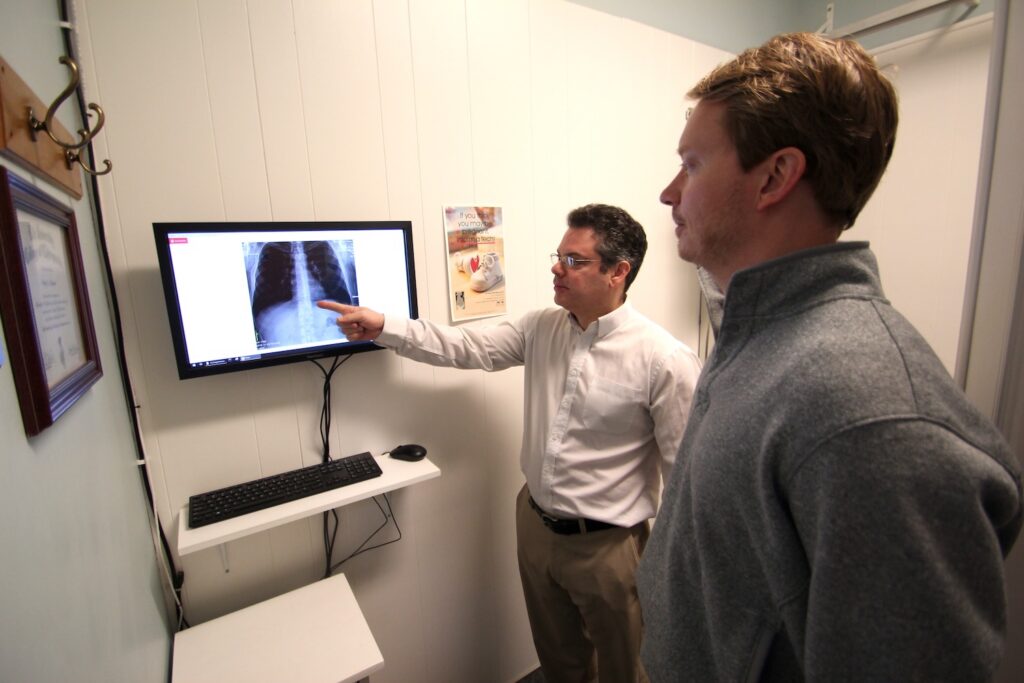
Have you ever wondered how chiropractic adjustments can alleviate back pain? When you visit a chiropractor, they evaluate your spinal alignment and overall musculoskeletal health. By targeting misalignments, or subluxations, chiropractic adjustments help restore proper function to your spine. This process can relieve pressure on nerves, reduce inflammation, and improve blood flow, all of which contribute to alleviating pain.
During an adjustment, the chiropractor uses precise, controlled force to manipulate your joints. You might hear a popping sound, but don't worry—that's just gas escaping from the joint space. You'll likely feel immediate relief as your body begins to realign. This type of treatment not only addresses your back pain but also enhances your overall mobility.
It's essential to note that chiropractic care isn't just a one-time fix. Regular adjustments can help maintain your spinal health, preventing future issues. Many people find that incorporating chiropractic care into their wellness routine keeps them feeling their best.
In addition to adjustments, chiropractors often provide lifestyle advice, including exercises and stretches that support your recovery. They may also recommend ergonomic improvements to your workspace or sleeping habits to minimize strain on your back.
If you're seeking a natural, drug-free approach to back pain relief, chiropractic adjustments might be the answer. By addressing the root cause of your discomfort, these treatments can lead to lasting relief and a healthier, more active lifestyle.
Physical Therapy Techniques
When it comes to physical therapy techniques, targeted stretching exercises can help improve your flexibility and reduce pain.
Manual therapy techniques offer hands-on relief that can ease tension and restore mobility.
Additionally, strengthening your core muscles plays an essential role in supporting your back and preventing future issues.
Targeted Stretching Exercises
Incorporating targeted stretching exercises into your routine can greatly alleviate back pain and improve overall flexibility. These exercises focus on specific muscle groups that may contribute to discomfort, helping to release tension and enhance mobility.
Start with gentle stretches like the cat-cow stretch to warm up your spine. This movement helps increase circulation and flexibility.
Next, try the child's pose, which stretches your lower back and hips, providing relief from tightness. Hold each stretch for at least 30 seconds, breathing deeply to relax your muscles.
The seated forward bend is another effective stretch that targets the hamstrings and lower back. When you reach forward, you'll feel a gentle pull along your spine.
Incorporating a few minutes of targeted stretching into your daily routine can make a significant difference. You don't need to become a yoga expert; just focus on consistency and listen to your body.
If you experience pain during any stretches, ease off and modify your approach. With time, these exercises can help you regain flexibility, reduce pain, and enhance your overall quality of life.
Remember to consult a healthcare professional before starting any new exercise regimen.
Manual Therapy Techniques
Many people find that manual therapy techniques can provide effective relief for back pain. These hands-on approaches focus on manipulating the soft tissues and joints in your body to alleviate pain and restore function. When you engage with a qualified therapist, they'll assess your condition and apply techniques tailored to your specific needs.
One common method is myofascial release, which targets the fascia—the connective tissue surrounding your muscles. By applying gentle pressure, your therapist can help release tension and improve blood flow, promoting healing.
Another technique, called joint mobilization, involves the therapist moving your joints within their natural range of motion, enhancing flexibility and reducing stiffness.
You might also benefit from soft tissue mobilization, where the therapist uses their hands to massage and manipulate muscles, helping to relieve pain and improve circulation.
These techniques not only address immediate discomfort but also aim to enhance your overall mobility and well-being.
If you're struggling with back pain, consider incorporating manual therapy into your treatment plan. It could be a key step in your journey toward lasting relief and improved quality of life.
Strengthening Core Muscles
A strong core is essential for maintaining a healthy back and preventing pain. When your core muscles are weak, your back has to work overtime to support your body, leading to discomfort and potential injury.
Strengthening these muscles can provide the stability you need, and it's easier than you think.
Here are three effective exercises to help you build a solid core:
- Planks: Hold a plank position for 30 seconds to a minute. This engages your entire core, improving stability and strength.
- Bridges: Lie on your back with your knees bent. Lift your hips off the ground, squeezing your glutes and core. Hold for a few seconds before lowering.
- Bird-Dogs: On hands and knees, extend one arm and the opposite leg simultaneously. Hold for a moment, then switch sides. This exercise enhances coordination and balance.
Incorporating these exercises into your routine can make a significant difference in your back health.
Acupuncture Benefits
Considering various pain relief options, acupuncture stands out as a holistic approach that can effectively alleviate back pain. This ancient practice, rooted in Traditional Chinese Medicine, involves inserting thin needles into specific points on your body to promote healing and balance. If you're struggling with persistent back pain, you might find that acupuncture offers both immediate relief and long-term benefits.
One of the key advantages of acupuncture is its ability to reduce inflammation and improve blood circulation in the affected areas. When you receive treatment, your body releases endorphins, which are natural painkillers. This means you may experience a decrease in pain without relying solely on medication. Many patients also report improved mobility and flexibility following acupuncture sessions.
Moreover, acupuncture encourages relaxation, which can be particularly beneficial if stress exacerbates your back pain. By calming your mind and body, you might find it easier to manage the discomfort and prevent it from interfering with your daily activities.
You'll likely want to explore different acupuncture practitioners in your area, as their techniques and approaches can vary. It's crucial to find a licensed acupuncturist who's experience treating back pain specifically.
A series of sessions might be necessary to achieve the best results, but many patients notice improvements after just a few treatments.
Massage Therapy Options
For those seeking additional relief from back pain, massage therapy offers a hands-on approach that can complement treatments like acupuncture.
It's not just about relaxation; massage can greatly reduce pain, improve mobility, and enhance your overall well-being. When you're dealing with persistent discomfort, the right massage technique can be a game-changer.
Here are three popular massage therapy options that can help with back pain relief:
- Deep Tissue Massage: This technique targets the deeper layers of muscle and connective tissue. It's perfect for those who've chronic pain or tension, as it helps to break down knots and relieve tightness.
- Myofascial Release: This gentle approach focuses on releasing tension in the fascia, the connective tissue surrounding muscles. It's particularly effective for those with restricted movement and can improve overall flexibility.
- Trigger Point Therapy: If you have specific areas of pain, trigger point therapy zeroes in on those tight spots. By applying pressure to these points, it can alleviate pain and restore normal function.
Choosing the right type of massage therapy can make a world of difference in your back pain journey.
Don't hesitate to consult with a licensed massage therapist who can tailor a treatment plan to your specific needs. Together with other therapies, massage can lead to a more comfortable, pain-free life.
Yoga and Stretching
Finding relief from back pain often requires a holistic approach, and incorporating yoga and stretching into your routine can be transformative. These practices not only improve flexibility but also strengthen the muscles that support your spine, helping to alleviate pain over time.
Start by dedicating just a few minutes each day to simple stretches. Focus on your hamstrings, hip flexors, and lower back, as tightness in these areas can contribute to discomfort. Gentle stretches, like the cat-cow pose or child's pose, can release tension and promote better alignment.
Remember, consistency is key, so try to make stretching a daily habit.
Yoga offers even more benefits. Through various poses, you can enhance your posture and increase strength in your core, which plays a critical role in supporting your back. Poses like downward dog and cobra are excellent for opening up your spine and improving circulation.
Consider joining a local class in Charlotte or following an online video, which can guide you through proper techniques and modifications.
Listen to your body as you practice. It's important to honor your limits and avoid pushing into painful positions. With time, you'll notice improved flexibility and a decrease in back pain.
Plus, the mindfulness aspect of yoga can help you manage stress, which often exacerbates physical discomfort. Embracing yoga and stretching can empower you on your journey toward lasting back pain relief.
Mindfulness and Meditation
Incorporating mindfulness and meditation into your routine can further enhance the benefits you've gained from yoga and stretching. These practices help you connect with your body, allowing you to listen to its needs and respond accordingly.
By focusing your mind, you can reduce stress, which often contributes to back pain. When you practice mindfulness, you train yourself to stay present, making it easier to manage discomfort and tension.
Here are three powerful reasons to embrace mindfulness and meditation for back pain relief:
- Stress Reduction: Chronic stress can lead to muscle tension and exacerbate pain. Mindfulness teaches you to observe your thoughts and feelings without judgment, helping you release stress and lower your body's pain response.
- Improved Body Awareness: Meditation encourages you to tune in to your body. This heightened awareness can help you recognize harmful postures or movements that might be aggravating your back pain, allowing you to make adjustments before discomfort escalates.
- Enhanced Relaxation: Mindfulness and meditation promote relaxation, triggering the body's natural healing responses. By calming your mind, you create a conducive environment for recovery and pain relief.
Incorporating these techniques into your daily routine can empower you to take control of your back pain.
Nutritional Support
Many people overlook the role nutrition plays in managing back pain, but what you eat can considerably impact your body's ability to heal. A well-balanced diet rich in anti-inflammatory foods can help reduce pain and promote recovery. Consider incorporating more fruits and vegetables, whole grains, lean proteins, and healthy fats into your meals. Foods like berries, leafy greens, fatty fish, and nuts are packed with antioxidants and omega-3 fatty acids that can combat inflammation.
Hydration is equally important. Drinking enough water keeps your discs hydrated, supporting overall spinal health. Aim for at least eight glasses a day, adjusting based on your activity level and climate.
Additionally, certain vitamins and minerals play a vital role in maintaining bone health and muscle function. Calcium and vitamin D are essential for strong bones, while magnesium helps with muscle relaxation. Incorporate sources of these nutrients into your diet, such as dairy products, fortified cereals, and leafy greens.
Avoid processed foods, sugary snacks, and excessive alcohol, as these can exacerbate inflammation and contribute to weight gain—factors that can worsen back pain. Instead, focus on whole, nutrient-dense foods that nourish your body.
If you're struggling to find a balanced diet that supports your health, consider consulting with a nutritionist. They can help tailor a plan specific to your needs, ensuring you get the right nutrients to support your back and overall well-being.
Ergonomic Assessments
Ergonomic assessments play an essential role in preventing and alleviating back pain by optimizing your workspace and daily habits.
When you evaluate your environment and the way you interact with it, you can identify factors that contribute to discomfort and make necessary adjustments. This process not only improves your physical well-being but can also enhance your productivity and overall quality of life.
Here are three key areas to focus on during an ergonomic assessment:
- Chair Height and Support: If your chair isn't at the right height or lacks lumbar support, you're likely to slouch or strain your back. Adjust your chair to guarantee your feet are flat on the floor and your back is supported.
- Desk Setup: Your desk should be organized in a way that minimizes reaching or twisting. Confirm your monitor is at eye level and your keyboard is within easy reach to reduce strain on your neck and back.
- Work Habits: Assess how you perform tasks throughout the day. Are you sitting for long periods without breaks? Incorporate regular movement—standing up, stretching, or walking around to relieve tension.
Supportive Devices and Aids
Supportive devices and aids can make a considerable difference in managing back pain and enhancing your comfort throughout the day. Whether you're at work, home, or on the go, the right support can alleviate pressure on your spine and improve your posture.
One of the most effective tools is a supportive chair. An ergonomic chair with lumbar support encourages proper alignment and reduces strain on your back. If you're often seated for long periods, consider adding a lumbar roll or cushion for extra support.
When it comes to daily activities, using a back brace can provide additional stability and help you maintain proper posture while lifting or bending. These braces remind your body to stay aligned, reducing the risk of injury and pain flare-ups.
Don't overlook the importance of supportive footwear, either. Shoes with proper arch support can help distribute your weight evenly and reduce discomfort in your back and legs. If you spend a lot of time standing, anti-fatigue mats can also be beneficial, providing cushioning and support for your feet and back.
For those who sleep poorly due to back pain, a quality mattress and supportive pillows can make a world of difference. Look for mattresses that offer both firmness and comfort, and choose pillows that keep your neck aligned with your spine.
Incorporating these supportive devices and aids into your daily routine can considerably enhance your overall comfort and help you manage back pain more effectively.
Conclusion
Incorporating these top solutions into your routine can lead to lasting back pain relief. By embracing chiropractic adjustments, physical therapy, and mindfulness practices, you'll tackle the root causes of discomfort. Don't forget the benefits of acupuncture, massage, and yoga to enhance your recovery. Focus on proper nutrition and ergonomic assessments to support your spine. With commitment and a holistic approach, you can enjoy a healthier, pain-free life. Start your journey to relief today!