
You might be surprised to learn that spinal adjustments could play a significant role in alleviating stress. Many people associate chiropractic care primarily with back pain, but its benefits extend beyond physical discomfort. By realigning your spine, these adjustments may enhance your overall well-being, potentially leading to reduced anxiety and improved mood. If you're curious about how this process works and the science behind it, you may want to explore what the research reveals about this connection and how it could impact your life.
Understanding Stress and Its Effects
Stress can sneak up on you, often manifesting in both physical and emotional ways. You might notice tension in your shoulders, headaches, or even digestive issues when stress levels rise. Emotionally, it can lead to feelings of anxiety, irritability, or sadness, impacting your overall well-being and daily life. Understanding stress is essential because it affects not just your mind but your body too.
When you experience stress, your body enters a fight-or-flight mode, releasing hormones like cortisol and adrenaline. These hormones prepare you to respond to immediate threats, but when stress becomes chronic, they can wreak havoc on your health. You may find yourself feeling overwhelmed, unable to concentrate, or withdrawing from social interactions.
This cycle can create a feedback loop, where stress leads to physical discomfort, which in turn increases your stress levels.
Identifying your stress triggers is the first step toward managing them. Whether it's work pressure, family responsibilities, or financial worries, recognizing these factors helps you take control.
Incorporating healthy coping mechanisms, like regular exercise, meditation, or time for hobbies, can greatly improve how you handle stress.
The Role of Chiropractic Care
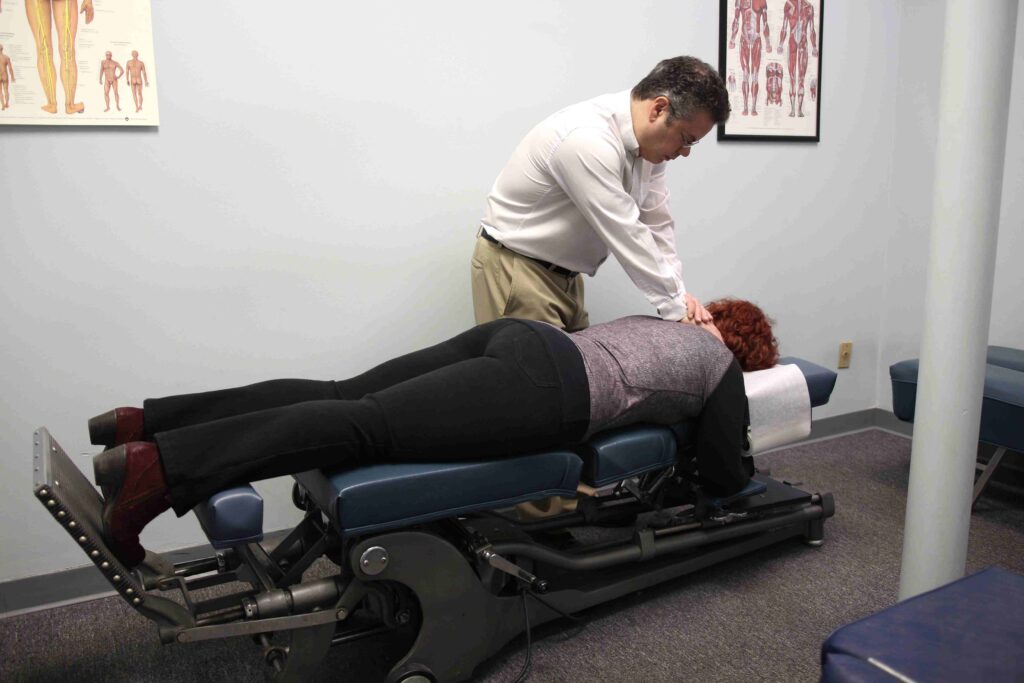
Chiropractic care plays an essential role in managing the physical symptoms of stress, offering relief from tension and discomfort that often accompany high stress levels. When you experience stress, your body can react with muscle tightness, headaches, and overall discomfort. Chiropractic adjustments target these issues by realigning the spine and improving your body's function, helping you feel more at ease.
By focusing on the musculoskeletal system, chiropractic care helps alleviate pain and tension, which can be exacerbated by stress. You'll often find that after a session, you feel more relaxed and your stress levels decrease considerably. Chiropractors also provide personalized treatment plans tailored to your specific needs, allowing you to address the areas that contribute most to your stress.
Moreover, regular chiropractic visits can help you develop better posture and body mechanics, which can reduce the physical strain you feel during stressful times. This proactive approach not only addresses existing discomfort but also aids in preventing future issues that may arise from stress.
In addition to the physical benefits, many patients report improved mental clarity and mood following chiropractic adjustments. By relieving physical tension, you may find it easier to cope with stressors in your life.
How Spinal Adjustments Work
Spinal adjustments directly influence your nervous system, helping to restore proper communication within your body.
As you experience these adjustments, you might notice a reduction in muscle tension, leading to a greater sense of relaxation.
Understanding how these changes occur can enhance your overall well-being.
Nervous System Connection
When your spine is misaligned, it can disrupt the delicate balance of your nervous system, leading to a cascade of issues throughout your body. Proper spinal alignment is essential for ideal nervous system function.
When your spine is in alignment, it allows for better communication between your brain and body, reducing stress and promoting overall well-being.
Spinal adjustments work by:
- Restoring Alignment: By correcting misalignments, adjustments help your nervous system operate more efficiently.
- Reducing Inflammation: Proper alignment can decrease nerve irritation, reducing inflammation and discomfort.
- Enhancing Circulation: Adjustments improve blood flow, which nourishes your nerves and helps them function properly.
- Boosting Immune Function: A well-aligned spine supports your immune system, making it more effective at combating stress-related illnesses.
Muscle Relaxation Benefits
Misalignments in the spine can lead to muscle tension and discomfort, making it harder for your body to relax. When your spine is out of alignment, it creates pressure on nerves and muscles, resulting in tightness and pain.
Spinal adjustments work by restoring proper alignment, reducing this pressure, and allowing your muscles to relax more effectively. After an adjustment, you may notice a significant decrease in muscle tension. This happens because the realignment improves blood circulation and nerve function, which helps your muscles receive the oxygen and nutrients they need.
As your body begins to function more efficiently, you might experience a sense of relief and relaxation that permeates beyond just the physical level. Additionally, spinal adjustments can trigger the release of endorphins, the body's natural painkillers, promoting an overall sense of well-being.
With consistent adjustments, you could find yourself feeling lighter, both physically and mentally, as the tension that once held you back dissipates. So, if you're looking for a natural way to relieve stress and tension, consider the muscle relaxation benefits of spinal adjustments. Your body might just thank you for it!
Scientific Studies on Stress Relief
How can scientific studies illuminate the connection between spinal adjustments and stress relief? Research in chiropractic care has explored how spinal adjustments impact stress levels, showing promising results. A variety of studies suggest that when your spine is aligned, your body can function more efficiently, which can help reduce stress.
Here are some key findings:
- Reduced Cortisol Levels: Some studies have shown that spinal adjustments can lead to a decrease in cortisol, the hormone associated with stress. Lower cortisol levels can improve your overall sense of well-being.
- Enhanced Mood: Research indicates that chiropractic care may also help boost serotonin levels, a neurotransmitter linked to happiness. Adjustments seem to support a better mood, making you feel more relaxed and less anxious.
- Improved Sleep Quality: A well-aligned spine can enhance your sleep, which is essential for stress management. Studies have found that individuals receiving regular spinal adjustments report better sleep patterns, leading to more restorative rest.
- Reduced Muscle Tension: Scientific evidence suggests that spinal adjustments can alleviate muscle tension. When your muscles are less tense, you're likely to experience lower stress levels, as physical discomfort often contributes to mental strain.
These studies provide a compelling look at how spinal adjustments could serve as an effective method for managing stress.
If you're looking for ways to mitigate stress, considering chiropractic care might be a beneficial option for you.
Benefits Beyond Stress Management
While managing stress is a significant benefit of spinal adjustments, the advantages extend far beyond just mental well-being. You might be surprised to learn that spinal adjustments can enhance your overall physical health, too. By aligning your spine, you can improve your posture, which not only alleviates discomfort but also boosts your confidence and productivity.
Regular adjustments can lead to better sleep quality as well. When your nervous system functions effectively, you're likely to experience fewer sleep disturbances, allowing you to wake up feeling refreshed and ready to tackle your day. This improvement in sleep can further contribute to your stress management, creating a positive feedback loop.
Another benefit you may notice is increased mobility and flexibility. Spinal adjustments can relieve tension in your back and neck, making it easier for you to move freely. This newfound ease can inspire you to engage in physical activities, which are known to release endorphins and improve your mood.
Moreover, spinal adjustments can enhance your immune system. By ensuring effective nerve function, your body can better fend off illness, allowing you to maintain your health and energy levels.
Incorporating spinal adjustments into your wellness routine can also foster a greater sense of connection between your mind and body. You may find yourself more in tune with your physical state, leading to healthier lifestyle choices.
Finding the Right Practitioner
Choosing the right practitioner for spinal adjustments is essential for your overall well-being.
You'll want to take into account their credentials and experience, the treatment techniques they offer, and how comfortable you feel during your visits.
Finding the right fit can make all the difference in your stress management journey.
Credentials and Experience
Finding the right practitioner for spinal adjustments starts with evaluating their credentials and experience. You want someone who not only knows their stuff but also has a solid track record in the field.
Here are four key factors to take into account when choosing the right chiropractor:
- Education: Check if they hold a Doctor of Chiropractic (D.C.) degree from an accredited institution. This guarantees they've undergone rigorous training.
- Licensing: Confirm they're licensed to practice in your state. A valid license means they've met the necessary requirements and adhere to professional standards.
- Specialization: Some practitioners focus on specific areas, such as sports injuries or stress relief. Finding someone with a specialization that meets your needs can enhance your experience.
- Experience: Look for practitioners who've been in the field for several years. Experience often translates to better judgment and skill in performing spinal adjustments.
Treatment Techniques Offered
When searching for the right chiropractor, it's critical to evaluate the treatment techniques they offer. Different practitioners specialize in various methods, so understanding these can help you find one that aligns with your needs.
Some chiropractors focus on traditional spinal manipulation, using hands-on adjustments to realign your spine. This technique can be effective for stress relief by improving your overall posture and reducing tension.
Other practitioners might incorporate gentle techniques like the Activator Method or Thompson Technique, which use specialized instruments or drop tables to deliver precise adjustments. These methods are less forceful and may appeal to those who prefer a softer approach.
Additionally, some chiropractors blend chiropractic care with other therapies, such as massage or acupuncture, to provide a thorough treatment plan.
When considering your options, ask about each chiropractor's approach to treatment. This will help you gauge their experience and verify it matches your comfort level and specific stress-related issues.
Patient Comfort Level
As you explore your options for chiropractic care, prioritizing your comfort level is vital. You want to make certain that you feel at ease with your practitioner, as this can greatly impact your treatment experience and effectiveness.
Here are four key factors to keep in mind when finding the right practitioner for your needs:
- Communication Style: Look for a chiropractor who listens actively and explains their techniques clearly. Open communication helps build trust.
- Treatment Philosophy: Understand their approach to treatment. Some practitioners may focus on holistic methods, while others might emphasize traditional adjustments. Choose one that aligns with your values.
- Environment: Pay attention to the clinic's atmosphere. A clean, welcoming space can make a big difference in how comfortable you feel during your visits.
- Patient Reviews: Check online reviews or ask for recommendations. Hearing about other patients' experiences can help you gauge whether a chiropractor is right for you.
Finding a practitioner who makes you feel comfortable is vital for your overall experience and the effectiveness of your stress-relief journey.
Don't hesitate to trust your instincts when making your decision.
Conclusion
To sum up, spinal adjustments can be a powerful ally in your quest for stress relief. By enhancing nerve function and reducing tension, these treatments not only improve your physical well-being but also boost your emotional health. With benefits like better sleep and lower cortisol levels, regular chiropractic care might just be the key to managing stress effectively. So, if you're looking for a holistic approach to feeling better, consider incorporating spinal adjustments into your routine.