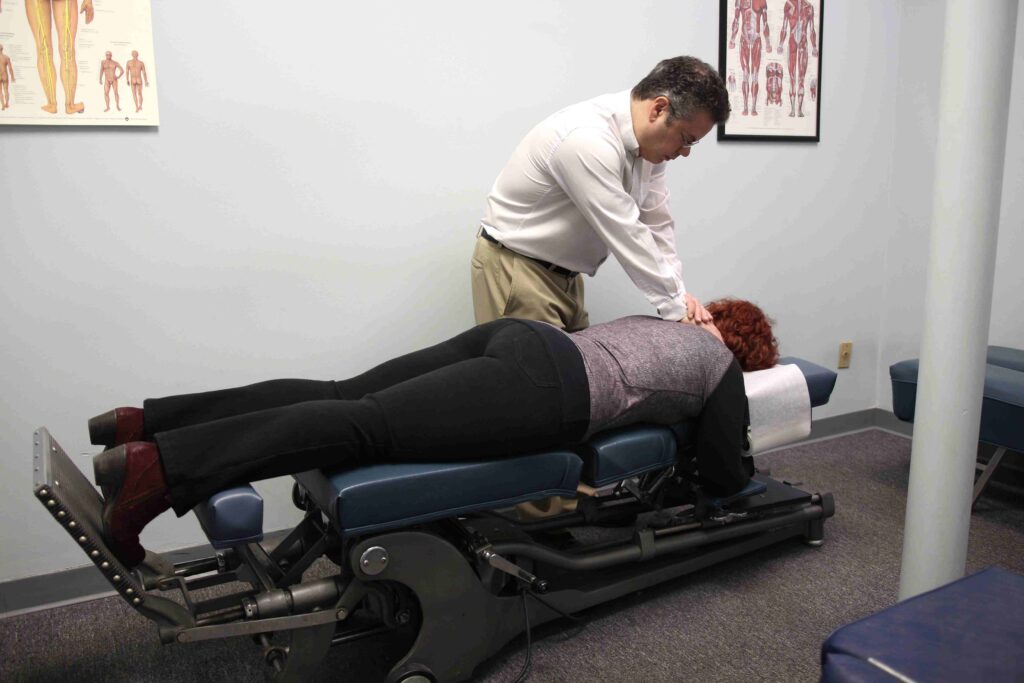

As a local chiropractor, I want to emphasize the importance of integrating adjustments into your workout routine for optimal health and performance. Focusing on your current form and engaging your core not only enhances your workout but also plays a crucial role in preventing injuries. It’s essential to modify your range of motion and incorporate proper breathing techniques, but there’s so much more to consider.
Did you know that factors like stability and balance are vital in optimizing your exercises? By understanding how these elements interact with your body, you can improve your overall fitness and well-being. Let’s explore some effective strategies together that can help you stay aligned and achieve your fitness goals naturally. Your body will thank you!
Assess Your Current Form
Understanding your current physical form is crucial for both your progress and safety during any physical activity. As a chiropractor, I encourage you to take a moment to assess your posture and alignment. This can be done by looking in a mirror or having someone record you while you perform essential movements.
Doing this will help you identify any imbalances or improper techniques that could potentially lead to injury.
It’s also important to listen to your body as you move. Are you feeling any discomfort or strain? These sensations are your body’s way of communicating with you, and paying attention to them is vital.
If you’re unsure about what you’re feeling, consider consulting with a chiropractor or a trained professional who can offer valuable insights and corrections.
Lastly, don’t overlook your flexibility and mobility. These aspects are fundamental to your overall performance and wellness.
By taking the time to evaluate your current form, you can establish a solid foundation for any adjustments you might want to incorporate into your exercise routine.
Focus on Core Engagement
As your local chiropractor, I want to emphasize the importance of core engagement in maintaining your overall health and stability. When you focus on activating your core, you not only improve your posture but also enhance your performance in various physical activities.
Understanding how to properly engage your core can lead to more effective movement patterns, which is crucial for preventing injuries and ensuring your body functions optimally.
Let’s delve into why core stability is essential for everyone, not just athletes. A strong core supports your spine, aids in balance, and contributes to better coordination.
By learning techniques to activate your core, you can experience improved strength and stability, leading to a healthier lifestyle.
Through chiropractic care, I can guide you on exercises and strategies tailored to your individual needs, helping you harness the power of your core for better health and wellness.
Importance of Core Stability
As a local chiropractor, I want to emphasize the critical role that core stability plays in your overall strength and injury prevention. When you engage your core muscles, you create a strong foundation that supports your spine and pelvis during all types of movement. This stability is vital for performing exercises safely and effectively, as it helps reduce the risk of strains and injuries.
Focusing on core engagement not only enhances your balance and coordination but also translates into improved performance in everyday activities and sports. A strong core promotes better posture, which can alleviate tension in your back and neck, making you feel more comfortable in your daily life.
As you incorporate core stability into your routine—whether through targeted exercises or guidance from chiropractic care—you’ll likely notice increased power and efficiency in your movements. This leads to better results and contributes to a healthier, more resilient body.
Techniques for Core Activation
As a local chiropractor, I want to share some valuable techniques for activating your core that can greatly enhance your stability and overall strength.
One effective exercise is the pelvic tilt. To do this, lie on your back with your knees bent, gently flatten your lower back against the floor, and hold that position for a few seconds. This simple move can help you connect with your core muscles.
Another great exercise is the dead bug. Lie on your back and raise your legs to a 90-degree angle. Then, lower one arm and the opposite leg simultaneously, before returning to the starting position and switching sides. This exercise not only strengthens your core but also improves coordination.
Incorporating planks into your routine is also beneficial. When performing a plank, focus on maintaining a straight body line while actively tightening your abdominal muscles. This helps build endurance and stability in your core.
Lastly, don’t overlook the power of proper breathing techniques. Inhale deeply to expand your diaphragm, and as you exhale, draw your navel toward your spine. This practice not only engages your core but also promotes better posture and alignment.
By incorporating these core activation techniques into your routine, you can support your chiropractic care and enhance your overall wellness journey.
Modify Range of Motion
As a local chiropractor, I want to emphasize the importance of understanding how to modify your range of motion during exercises.
Before making any changes, it’s crucial to assess your individual needs. This personalized approach ensures that we’re not pushing your body too hard, too quickly.
By gradually increasing your range of motion, we can help prevent injuries and support your body’s natural healing process.
Remember, every step toward improvement should be steady and mindful.
Let’s work together to find the best strategies for your unique situation!
Assess Individual Needs
As a local chiropractor dedicated to your health and well-being, I want to emphasize the importance of assessing individual needs when it comes to exercise and mobility.
Before diving into any routine, it’s crucial to understand your body’s unique range of motion. I often start by observing how my patients perform basic movements, such as squats or shoulder raises. This allows me to identify any limitations or discomfort you might experience.
I also encourage open communication about any past injuries or conditions that could impact your mobility. This information is key to tailoring exercises that are right for you.
For instance, if you have difficulty with shoulder flexibility, I may recommend modifications that reduce the range of motion in overhead movements to ensure you remain comfortable and safe.
My goal is to create an exercise experience that promotes improvement without causing strain.
By taking the time to assess your individual needs, we can work together toward a healthier, more active lifestyle that respects your body’s capabilities.
Gradual Progression Strategy
As you embark on your exercise journey, it’s crucial to adopt a gradual progression strategy to safely modify your range of motion. This approach not only helps prevent injuries but also enhances your overall flexibility and strength.
Let me share some practical tips to help you incorporate this strategy into your routine:
- Start Small: Begin with a limited range of motion. Focus on mastering basic movements, such as gentle stretches or simple exercises, before attempting more advanced techniques. This foundational work is essential for your body to adapt.
- Listen to Your Body: It’s important to be in tune with how your muscles and joints respond during your exercises. If you experience any pain or discomfort, it’s a signal to scale back and modify your movements. Your body knows best, and respecting its limits is key to long-term success.
- Increase Gradually: Once you feel comfortable with your initial movements, you can start to slowly expand your range of motion. This means adding a little more depth or intensity in small increments. Always prioritize maintaining correct form to avoid strain and ensure safe progress.
By following these guidelines, you can enhance your exercise routine while minimizing the risk of injury.
Incorporate Proper Breathing Techniques
As a local chiropractor, I want to share how incorporating proper breathing techniques can significantly enhance your exercise routine and overall well-being. By focusing on your breath, you can improve oxygen flow to your muscles, boost endurance, and elevate your performance during physical activities.
When you engage in deep, rhythmic breathing, you assist your body in relaxing and maintaining a steady heart rate, which is particularly vital during intense workouts.
I encourage you to synchronize your breathing with your movements. For example, exhale during the exertion phase of an exercise and inhale during the relaxation phase. This practice not only maximizes your efficiency but also enhances your mental focus.
If you’re lifting weights, breathe out as you push the weight away and inhale as you bring it back toward you.
Moreover, practicing diaphragmatic breathing can help engage your core muscles, providing greater stability and support for your spine. This technique involves breathing deeply into your abdomen rather than your chest, which can also alleviate tension in the upper body.
By prioritizing proper breathing, you’ll find that you can push through fatigue more effectively, maintain better form, and ultimately reach your fitness goals with greater ease.
As you embark on your journey towards improved health and fitness, remember that proper breathing is a fundamental component that can help you achieve not just physical strength but also a deeper connection between your body and mind.
Utilize Resistance Bands
As a chiropractor, I often emphasize the importance of building strength and stability to support overall wellness and prevent injuries. While many may only consider weights for strength training, I encourage you to explore the benefits of using resistance bands as a versatile addition to your fitness routine.
Here’s how they can support your health:
- Engage Multiple Muscle Groups: Resistance bands are excellent for targeting various muscle groups at once, which can make your workouts more efficient and effective. This approach not only helps in building strength but also supports better alignment and function of your body.
- Customizable Resistance: One of the key advantages of resistance bands is their adaptability. You can easily adjust the resistance by changing the band or your grip, allowing you to create a workout that aligns with your current fitness level. This flexibility can help prevent strain and promotes safer exercise practices.
- Enhance Flexibility and Stability: Incorporating bands into your routine can significantly improve your flexibility and stability. The controlled movements encouraged by resistance bands challenge your balance, which is crucial for maintaining proper posture and alignment—principles we focus on in chiropractic care.
By integrating resistance bands into your exercise regimen, you can’t only enhance your strength but also support your overall health and well-being.
Adjust Tempo and Rhythm
As a local chiropractor, I want to share how adjusting the tempo and rhythm of your exercises can significantly enhance your overall performance and well-being. By varying the speed of your movements, you can challenge your muscles in new ways, which not only boosts your strength but also promotes better alignment and function of your body.
Incorporating rhythmical movements into your workouts can also improve your coordination, making your exercises not only more effective but more enjoyable. This is particularly important in chiropractic care, as a well-aligned body can move more fluidly, reducing the risk of injury and enhancing your overall health.
By understanding and applying these principles in your exercise routine, you can support your body’s natural healing processes and achieve better results in your path to wellness.
Importance of Timing
As a local chiropractor, I want to emphasize the crucial role that timing plays in your exercise routine, particularly when incorporating adjustments. The tempo and rhythm of your movements can significantly influence your overall wellness and rehabilitation process. Here’s why understanding timing is essential:
- Muscle Engagement: By adjusting your tempo, you can enhance muscle activation. This means you’re not only exercising but also effectively targeting the right areas to support your recovery and overall strength.
- Focus on Form: Maintaining a consistent rhythm during your exercises allows you to pay closer attention to your form. This focus is vital for reinforcing proper movement patterns, which can prevent injuries and improve your overall alignment.
- Mind-Body Connection: Synchronizing your movements with your breath or even with music can deepen your mental focus. This connection not only makes your workouts more enjoyable but also enhances the effectiveness of your exercises, promoting better healing and wellness.
Varying Speed Techniques
As a chiropractor dedicated to enhancing your overall health and well-being, it’s important to understand how timing plays a crucial role in your exercise routine. By incorporating varying speed techniques into your workouts, you can’t only improve your fitness levels but also promote better alignment and function of your body.
For example, when performing exercises, consider slowing down during the eccentric phase—this is the portion where your muscles lengthen under tension. Focusing on control during this phase can help protect your joints and prevent injury.
Then, as you move into the concentric phase, you can increase your speed to engage more muscle fibers and boost your workout’s intensity. This contrast is beneficial for both your muscle development and overall body mechanics.
Additionally, taking brief pauses between repetitions can enhance your strength gains while helping you tune into your body and maintain proper form.
You might also explore interval training, which alternates fast bursts of activity with slower recovery periods. This approach not only keeps your body challenged but also fosters better coordination and stability, which are essential for spinal health.
Remember, varying your speed isn’t solely about increasing intensity; it’s a strategic method to enhance your overall performance and engagement in your workouts.
Rhythmical Movement Benefits
As a local chiropractor, I often emphasize the importance of integrating rhythmical movements into your exercise routine to enhance your overall performance and well-being.
These movements can be particularly beneficial for those of you who may not be familiar with chiropractic care and natural healing. By adjusting tempo and rhythm during your workouts, you can support your body in several key ways:
- Improved Coordination: When you synchronize your movements to a rhythm, it helps develop better motor skills. This can lead to more efficient exercises, reducing the risk of injury and enhancing the benefits of your chiropractic adjustments.
- Enhanced Endurance: Maintaining a consistent tempo can be a game-changer when it comes to pushing through fatigue. By building endurance, you can enjoy longer workout sessions, which not only aids in physical fitness but can also support your overall health and recovery.
- Increased Focus: Engaging in rhythmical exercises can induce a meditative state, allowing you to concentrate better and minimize distractions. This heightened focus can be beneficial in your healing journey, making it easier to stay committed to your wellness goals.
Incorporating rhythmical movements into your routine is a simple yet effective way to complement your chiropractic care and promote a healthier, more balanced life.
Experiment With Foot Placement
As a chiropractor dedicated to promoting natural healing and overall wellness, I want to share an important aspect of your exercise routine that can significantly enhance your physical health: foot placement during workouts. Many people may not realize how crucial this factor is in targeting specific muscle groups and improving the effectiveness of their exercises.
For example, when performing squats, adjusting your foot position can lead to very different outcomes. A wider stance can engage your inner thighs more effectively, while a narrower stance tends to focus on strengthening your quadriceps. This means that by simply shifting where you place your feet, you can customize your workout to better meet your fitness goals.
Additionally, consider varying the angle of your feet. A slight outward turn can improve your balance and provide a gentle stretch to your hip flexors, promoting better mobility.
When it comes to lunges, changing your foot placement can shift the workload between your glutes and hamstrings, allowing you to fine-tune your routine according to what you want to achieve.
I encourage you to embrace these adjustments even during your sets. Listen to how your body responds to different positions; this awareness will guide you toward the most effective and safe practices.
Integrate Dynamic Stretching
As your local chiropractor, I want to emphasize the importance of integrating dynamic stretching into your fitness routine. Many of you may have established workout habits, but adding dynamic stretches can significantly enhance your overall performance and prepare your body for movement.
Unlike static stretches that hold a position, dynamic stretching involves active movements that increase blood flow to your muscles, which is essential for injury prevention and improved mobility.
Here are three effective dynamic stretches that I recommend:
- Leg Swings: Stand next to a wall or sturdy surface for support. Swing one leg forward and backward while keeping your core engaged. This movement helps to loosen your hip flexors and hamstrings, contributing to better flexibility and range of motion.
- Arm Circles: Extend your arms out to the sides and begin making small circles. Gradually increase the size of the circles. This exercise warms up your shoulders and enhances mobility, which is crucial for various upper body movements.
- Walking Lunges: Step forward into a lunge, alternating legs as you progress. This dynamic stretch activates your quadriceps, glutes, and core, effectively preparing these muscles for more intense exercises.
Incorporating these dynamic stretches into your warm-up routine not only improves flexibility but also boosts your performance, making each workout more effective.
As you embark on your journey towards better health and wellness, remember that natural movements like these can support your chiropractic care and overall well-being.
Prioritize Stability and Balance
As a local chiropractor, I want to emphasize the importance of prioritizing stability and balance in your fitness journey. These elements are crucial not only for enhancing your overall performance but also for preventing injuries that can arise from imbalances in the body.
Incorporating exercises that challenge your core and improve your proprioception—your body’s ability to sense its position in space—can make a significant impact on your health. Movements such as single-leg stands, stability ball exercises, and balance board routines engage multiple muscle groups while helping you develop a strong foundation.
Additionally, consider integrating resistance bands into your workouts. These bands can enhance your stability and allow for a greater range of motion, which is beneficial for your joints and overall function.
Functional movements like squats and lunges are also excellent for building balance and coordination, promoting a healthy body that can withstand the rigors of daily life.
Listen to Your Body
Listening to your body is a vital practice for enhancing your overall well-being and preventing injuries, especially when it comes to your fitness routine. As a chiropractor, I encourage my patients to be mindful of their body’s signals, as this awareness can lead to smarter adjustments in their exercise habits. Here are three important aspects to consider:
1. Pain vs. Discomfort: It’s crucial to differentiate between the discomfort you may feel during a challenging workout and true pain that signals a problem. If you experience sharp or persistent pain, it’s essential to stop and reassess your technique or consider modifying the exercise.
Your body is communicating with you, and ignoring pain can lead to injuries that affect your spine and overall health.
2. Energy Levels: Take note of your energy levels throughout the day. If you find yourself feeling consistently fatigued, it may be an indicator that you need to take a step back or incorporate more rest days into your routine.
Adequate rest is key to allowing your body to heal and recover, which is especially important for maintaining spinal health.
3. Progression: Keep track of your performance and how you feel during your workouts. If you notice that you’re not making progress or feeling stagnant, it may be time to reassess your fitness plan.
Sometimes, introducing new exercises or changing your routine can help reinvigorate your progress and ensure you’re not placing unnecessary strain on your body.
By tuning in to these signals and being proactive about your health, you can’t only optimize your fitness journey but also promote a healthier spine and overall wellness.
Conclusion
As a local chiropractor, I want to emphasize the importance of integrating specific adjustments into your exercise routine for better performance and a lower risk of injury. It’s essential to periodically evaluate your form during workouts and ensure you are engaging your core effectively. Modifying movements when necessary is crucial for your safety and overall progress.
Don’t underestimate the power of focusing on your breathing and incorporating stability drills into your regimen. These practices not only enhance your physical performance but also promote a deeper connection between your body and mind. Always listen to the signals your body sends you, and remember to progress at a pace that feels comfortable for you.
Incorporating these strategies into your fitness routine will not only improve your workouts but also contribute to a stronger and healthier you. Together, we can work towards your wellness goals and keep you moving forward on your journey to optimal health!