
As a local chiropractor, I understand that dealing with lower back pain can significantly disrupt your daily life. Fortunately, there are numerous effective techniques available that can not only provide relief but also help prevent future issues.
One of the foundational aspects of chiropractic care is the use of targeted stretching exercises and strengthening workouts designed specifically for your needs. These exercises can improve your flexibility and build the strength necessary to support your spine.
Furthermore, complementary therapies such as acupuncture and massage can play a vital role in enhancing your recovery process. These natural healing methods work to alleviate tension, improve circulation, and promote overall wellness.
Let’s explore these effective techniques together, so you can take proactive steps towards managing your lower back pain and ultimately improving your quality of life. You don’t have to navigate this journey alone; I’m here to help guide you through the best methods tailored to your individual needs.
Stretching Exercises
As a local chiropractor, I want to emphasize the importance of incorporating stretching exercises into your daily routine, especially if you’re experiencing lower back pain. Stretching plays a crucial role in enhancing your overall health by improving flexibility, reducing muscle tension, and increasing blood flow to the affected areas.
Simple stretches like the knee-to-chest and cat-cow can provide significant relief from tightness in your lower back. I recommend holding each stretch for at least 15-30 seconds and encouraging you to breathe deeply throughout the process.
Consistency is essential—aim to stretch daily, particularly after prolonged periods of sitting or standing. It’s important to listen to your body; if you encounter any pain, please stop the stretch and consult with a professional.
Additionally, incorporating stretches that focus on the hamstrings, hip flexors, and lower back can further enhance your mobility and provide relief. Over time, you’ll likely discover that your lower back becomes more resilient, making daily activities much easier.
Strengthening Workouts
As your local chiropractor, I want to emphasize the importance of strengthening workouts in alleviating lower back pain and preventing future issues. Many people may not realize that incorporating core stability exercises, flexibility routines, and resistance training can significantly contribute to a healthy spine. By building a strong foundation through these techniques, you can support your back more effectively.
Let’s take a closer look at how these exercises can improve your back health and overall well-being. Core stability exercises engage the muscles that support your spine, helping to maintain proper alignment and reduce strain.
Flexibility routines can enhance your range of motion, making it easier to perform daily activities without discomfort. Meanwhile, resistance training strengthens the muscles around your spine, providing additional support and reducing the risk of injury.
By integrating these practices into your routine, you’re not only addressing current pain but also taking proactive steps to ensure a healthier back in the future.
I’m here to guide you through this process and help you understand how natural healing can improve your quality of life. Let’s work together to build a stronger, healthier you!
Core Stability Exercises
As a local chiropractor, I want to share how core stability exercises can significantly aid in managing lower back pain. These exercises are vital for enhancing the strength and control of your core muscles, which play a crucial role in supporting your spine. A robust core helps alleviate strain and promotes better posture, ultimately leading to relief from pain and a lower risk of future issues.
Incorporating these exercises into your daily routine can be a game-changer for your overall wellness. Here are some effective core stability exercises you might consider:
- Planks: This exercise engages multiple core muscles when you hold a plank position, helping to build endurance and stability.
- Dead Bugs: This movement involves coordinating your arm and leg motions while stabilizing your core, which is essential for functional strength.
- Bird-Dogs: By extending your opposite arm and leg, you can enhance balance and stability, which are key components for a healthy back.
- Bridges: Lying on your back and lifting your hips not only strengthens your glutes but also supports your lower back.
- Side Planks: This variation targets your oblique muscles, providing a well-rounded core workout that contributes to overall stability.
I encourage you to start incorporating these exercises into your routine today. They can be a simple yet effective way to support your spine and improve your quality of life.
If you have questions or need guidance, feel free to reach out; I’m here to help you on your journey to natural healing and wellness.
Flexibility and Stretching
As a local chiropractor, I want to emphasize the importance of flexibility and stretching in managing lower back pain. Many people may not realize that alongside core stability exercises, incorporating regular stretching routines can significantly relieve tension and enhance your overall mobility.
It’s beneficial to focus on stretches that specifically target your hamstrings, hip flexors, and lower back. Simple movements such as the cat-cow stretch, child’s pose, and hamstring stretches can effectively increase your flexibility and reduce stiffness.
When performing these stretches, remember to hold each position for at least 20-30 seconds and practice deep breathing to promote relaxation.
Consistency is crucial in this process; I encourage you to aim for stretching at least three to four times a week. By improving your flexibility, you’ll not only find relief from your current pain but also help prevent future injuries, thereby enhancing your overall quality of life.
Embracing these natural healing practices can be a vital step toward achieving a healthier and more active lifestyle.
Resistance Training Benefits
As a local chiropractor, I want to share with you the incredible benefits of incorporating resistance training into your routine, especially for those dealing with lower back pain.
By focusing on strengthening the muscles that support your spine, we can enhance stability and provide better support for your lower back.
Here are some key advantages of resistance training that I want you to consider:
- Improved Muscle Strength: By building a stronger core, you create a solid foundation that supports your spine, which is essential for overall back health.
- Enhanced Flexibility: Resistance training promotes a better range of motion in your back, allowing you to move more freely and comfortably.
- Pain Reduction: Strengthening the surrounding muscles can alleviate pressure on spinal structures, leading to a reduction in pain and discomfort.
- Increased Endurance: With improved strength and stability, you’ll find it easier to perform daily activities without the nagging discomfort that often accompanies lower back issues.
- Better Posture: Resistance training encourages proper alignment of your spine, which can significantly reduce strain and prevent future problems.
I encourage you to consider how resistance training can be a valuable part of your journey toward natural healing and improved spinal health.
Let’s work together to create a plan that supports your well-being!
Heat Therapy
As a local chiropractor, I want to share with you the benefits of heat therapy, a simple yet effective approach to alleviating lower back pain. When you apply heat to the affected area, it helps relax tense muscles, enhance circulation, and reduce stiffness, making it an excellent addition to your pain management routine.
There are various methods you can use for heat therapy, such as heating pads, warm towels, or even soaking in a warm bath. I recommend applying heat for about 15 to 20 minutes at a time. It’s important to ensure the heat is warm but not excessively hot to prevent any risk of burns.
You can repeat this process several times a day, especially when you notice pain or discomfort. Always pay attention to how your body responds; if you feel any discomfort or if your pain worsens, it’s important to stop immediately.
Heat therapy can provide immediate relief and foster overall healing, making it a comforting ally in your recovery journey. Whether you’re taking a moment to unwind at home or focusing on self-care, incorporating heat therapy could be a beneficial step towards a more natural healing process.
Cold Therapy
As a local chiropractor, I want to share with you how cold therapy can be a powerful tool in managing lower back pain and reducing inflammation. Many of my patients have found relief through this natural method, and I’m excited to educate you on its benefits, proper application techniques, and essential safety tips.
Cold therapy works by numbing the affected area, which can help alleviate pain and reduce swelling.
It’s important to know how to use this technique safely and effectively to maximize your comfort and healing process.
Let’s delve into the best practices for incorporating cold therapy into your pain management routine, so you can experience the relief you deserve.
Benefits of Cold Therapy
As a local chiropractor, I often encounter patients who are unfamiliar with the benefits of cold therapy for managing lower back pain. Many may not consider it a primary treatment option, but I assure you, it can be highly effective.
By applying cold to the affected area, you can significantly reduce inflammation and alleviate discomfort. Here are some of the key benefits you may experience:
- Decreases swelling and inflammation: Cold therapy can help to constrict blood vessels, which reduces swelling in the affected area.
- Numbs sharp pain and discomfort: The cold can temporarily numb the pain, providing you with immediate relief.
- Improves blood circulation post-application: After removing the cold source, your blood vessels dilate, promoting better circulation and healing.
- Reduces muscle spasms and tension: Cold therapy can help relax tight muscles, reducing the likelihood of spasms.
- Aids in recovery after physical activity: It’s an excellent way to soothe your muscles after engaging in physical activity, helping to prevent soreness.
Incorporating cold therapy into your pain management routine can be a straightforward yet effective strategy.
It’s important to apply it correctly and combine it with other treatments for optimal results. Many of my patients find that cold therapy not only eases their pain but also enhances their healing process.
If you’re interested in exploring this natural approach further, feel free to discuss it with me during your next visit!
Application Techniques Explained
As a local chiropractor, I want to share some valuable insights on how to effectively apply cold therapy for lower back pain. Understanding the right techniques can significantly enhance your healing process.
Start by using an ice pack or a bag of frozen peas, but make sure to wrap it in a thin towel to protect your skin from frostbite. Apply this cold compress to the affected area for about 15 to 20 minutes, allowing your skin to return to its normal temperature between sessions. This can be repeated every hour as needed, especially after engaging in activities that may exacerbate your discomfort.
It’s essential to position yourself comfortably, whether lying down or sitting, to ensure that the cold pack remains in place.
Once you’ve finished with the cold therapy, remember to move around gently. This movement promotes blood circulation, which is crucial for healing. Consistent application of cold therapy can significantly reduce inflammation and numb pain, helping you feel more at ease.
Incorporating these techniques into your routine can complement the chiropractic care you receive, supporting your overall recovery and well-being.
Safety Precautions to Consider
As your local chiropractor, I want to ensure you have a safe and effective experience with cold therapy, especially if you’re new to chiropractic care and natural healing.
Cold therapy, using ice packs or cold compresses, can be a great way to reduce inflammation and alleviate pain. However, it’s crucial to follow some safety precautions to avoid any injuries:
- Limit application time: I recommend applying cold for no longer than 20 minutes at a time. This helps prevent skin damage and ensures the therapy is effective.
- Use a barrier: Always place a cloth or towel between the ice and your skin. This simple step can help protect against frostbite and keep your skin safe.
- Check your skin regularly: It’s important to monitor your skin for any signs of excessive redness or numbness while using cold therapy. If you notice these symptoms, it’s best to remove the ice pack.
- Timing is key: Cold therapy is most beneficial when used 48 hours after an injury. Applying it too soon can interfere with the body’s natural healing processes.
- Listen to your body: If you experience increased pain or discomfort while using cold therapy, please remove the cold source immediately. Your comfort and safety are my top priorities.
If you have any questions or concerns about using cold therapy or other aspects of chiropractic care, feel free to reach out. I’m here to help you on your healing journey!
Massage Therapy
As a local chiropractor, I want to share the benefits of massage therapy as a natural approach to managing lower back pain. When you receive a massage, skilled therapists apply various techniques to release tension in your muscles and enhance blood flow. This targeted treatment can help reduce inflammation and facilitate the healing process in your lower back.
Regular massage sessions can improve your flexibility and range of motion, making everyday activities more manageable. As the therapist works through areas of tightness and discomfort, you may experience immediate relief, which can significantly improve your mobility.
Moreover, massage therapy promotes relaxation, which is crucial for reducing stress levels that can often worsen pain. Whether you opt for deep tissue, Swedish, or trigger point massage, it’s important to communicate your specific concerns and goals with your therapist.
Chiropractic Care
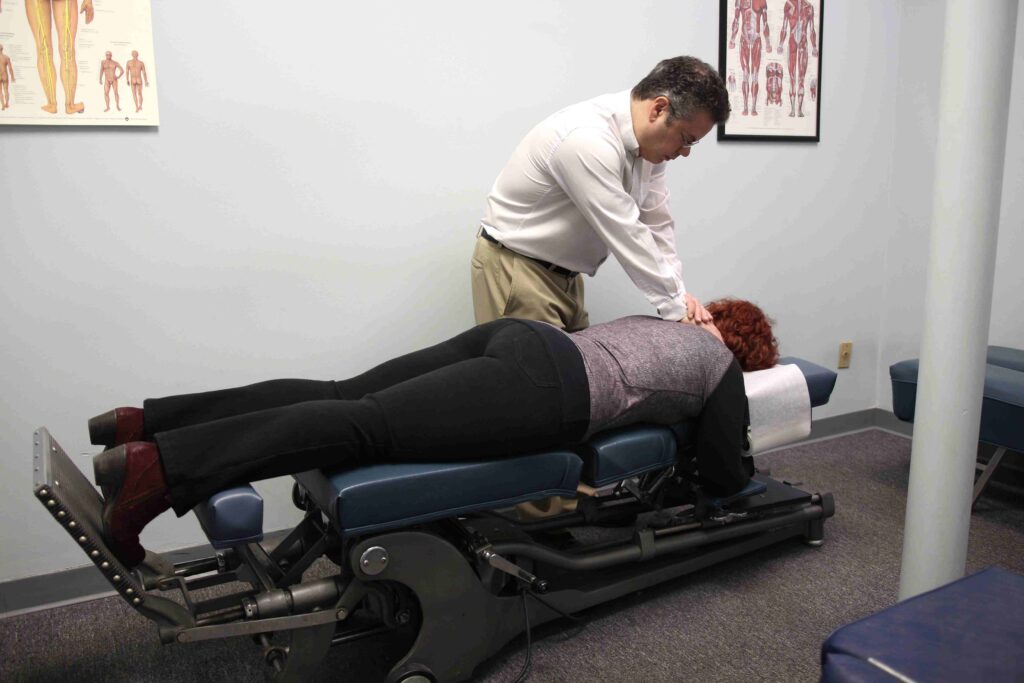
As a local chiropractor, I want to share how our approach to chiropractic care can make a significant difference in relieving lower back pain.
Many patients are often unaware of the benefits of spinal adjustments and tailored treatment plans that we provide. These techniques are designed not only to alleviate pain but also to enhance your overall well-being.
By focusing on the alignment of your spine, we can help restore your body’s natural function, allowing you to move more freely and feel better.
If you’re struggling with lower back pain, I encourage you to consider the holistic benefits of chiropractic care and how it can support your journey to better health.
Let’s work together to help you achieve a pain-free lifestyle.
Spinal Adjustments Benefits
As a local chiropractor, I’m here to help you understand how spinal adjustments can significantly improve your well-being, especially if you’re dealing with lower back pain.
These adjustments work by realigning your vertebrae and enhancing your overall spinal function. Here are some key benefits you can expect from chiropractic care:
- Reduced Pain: Many patients report a noticeable decrease in tension and discomfort in their lower back after receiving spinal adjustments.
- Improved Mobility: Chiropractic care can enhance your range of motion, making everyday activities much easier and more enjoyable.
- Better Posture: Regular adjustments help correct spinal alignment, promoting a healthier posture that can prevent further issues down the line.
- Enhanced Nerve Function: By relieving pressure on your nerves, spinal adjustments can improve your overall bodily function, leading to better health.
- Decreased Muscle Tension: Adjustments help alleviate tightness in surrounding muscles, allowing for a greater sense of relaxation and comfort.
Incorporating spinal adjustments into your treatment plan is a proactive step towards achieving long-term relief and maintaining a more active lifestyle.
Personalized Treatment Plans
As a local chiropractor, I want to emphasize the importance of creating a personalized treatment plan for effectively addressing your lower back pain. I understand that each individual’s condition is unique, which is why it’s crucial for your plan to reflect your specific symptoms, lifestyle, and medical history.
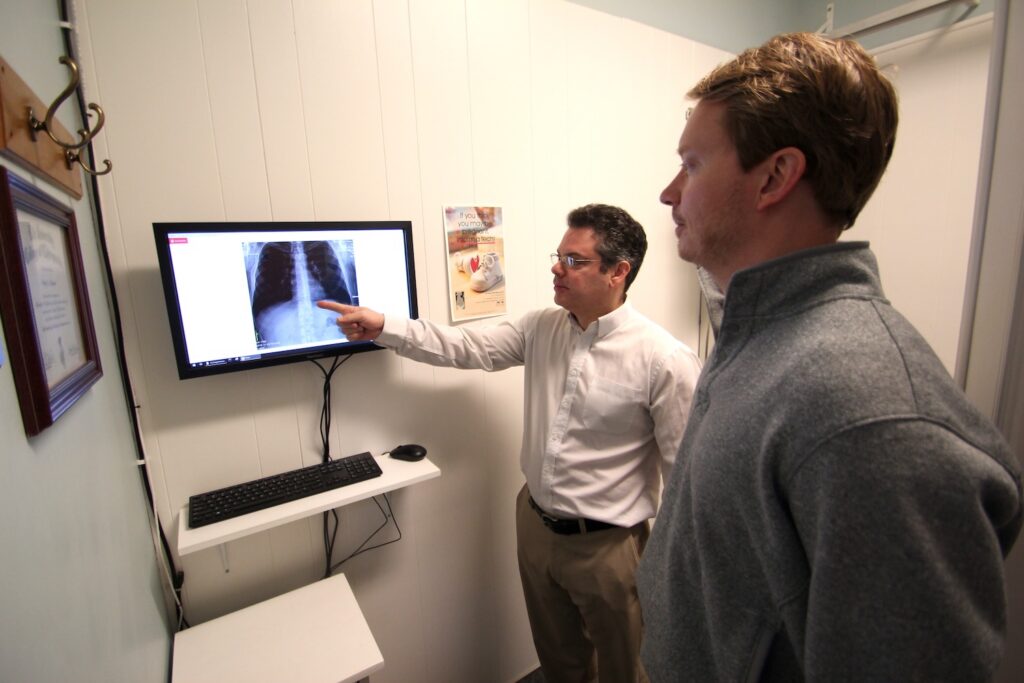
During your initial visit, I’ll conduct a thorough evaluation of your posture, spinal alignment, and overall health to help identify the root cause of your pain. Based on this assessment, I’ll recommend a customized approach that may include spinal adjustments, targeted exercises, and lifestyle modifications specifically tailored for you.
Regular follow-up appointments are vital to track your progress and make any necessary adjustments to your treatment plan. By committing to this personalized approach, you increase your chances of achieving lasting relief and enhancing your overall well-being.
I encourage you to maintain open communication with me throughout your treatment. Together, we can work towards finding the best solutions for your lower back pain and help you lead a healthier, more active life.
Pain Relief Techniques
As a local chiropractor, I understand that many of you may not be familiar with the benefits of chiropractic care and natural healing methods for alleviating lower back discomfort.
After we establish a personalized treatment plan tailored to your specific needs, we can explore various effective pain relief techniques together. Here are some approaches that have shown to be beneficial:
- Spinal Manipulation: This technique involves gentle adjustments to realign your spine, which can significantly reduce pain and enhance your overall mobility.
- Therapeutic Exercises: Engaging in targeted exercises designed to strengthen your core muscles can provide essential support to your lower back, helping to prevent future issues.
- Massage Therapy: Regular massage can be a wonderful way to relieve muscle tension, improve circulation, and promote relaxation, all of which contribute to pain relief.
- Heat and Cold Therapy: Alternating between heat and ice can be an effective strategy to reduce inflammation and soothe soreness in your lower back.
- Posture Correction: We’ll also focus on ensuring that you maintain proper posture throughout your daily activities, which is crucial for preventing unnecessary strain on your back.
Acupuncture
As a local chiropractor, I want to help you understand how acupuncture can be a valuable tool in alleviating lower back pain and promoting overall wellness. This ancient technique involves the insertion of thin needles into specific points on your body, which can help restore balance and encourage your body’s natural healing processes.
Many people find that acupuncture stimulates the release of endorphins, which are the body’s natural painkillers, providing significant relief from discomfort.
During an acupuncture session, you’ll typically lie down and relax while a licensed acupuncturist carefully places the needles. While you may feel a slight prick, most individuals report a soothing sensation afterward.
It’s crucial to discuss your pain levels and any concerns with your acupuncturist to ensure a tailored approach to your treatment.
Many patients experience noticeable relief after just a few sessions, though results can vary from person to person.
To maximize the benefits of acupuncture, I often recommend integrating it with other pain management strategies, such as chiropractic adjustments and physical therapy.
Always consult with your healthcare provider before starting any new treatment to ensure it aligns well with your overall health plan.
Together, we can explore the best options for managing your pain and enhancing your well-being.
Physical Therapy
Chiropractic care is a highly effective approach for managing lower back pain, focusing on natural healing and restoration of your body’s function. By collaborating with a skilled chiropractor, you can receive a customized treatment plan designed specifically to meet your individual needs and health goals.
Here are some essential elements you can expect when visiting a chiropractor:
- Comprehensive Evaluation: Your chiropractor will conduct a thorough assessment of your condition, including your posture, spinal alignment, and any limitations you may have.
- Spinal Adjustments: Specific adjustments will be performed to realign your spine, improving mobility and reducing pain.
- Strengthening and Stabilization: You may engage in exercises that target core stability and support your back, enhancing strength and resilience.
- Soft Tissue Therapy: Techniques such as massage or myofascial release may be utilized to relieve tension in muscles and improve circulation.
- Lifestyle and Ergonomic Guidance: You’ll gain valuable insights into maintaining proper body mechanics and making safe movement choices in your daily life.
With commitment and regular visits, chiropractic care can significantly alleviate your lower back pain and contribute to an improved overall quality of life.
Embrace the potential of natural healing and experience the benefits that chiropractic treatment can offer!
Posture Correction
As a local chiropractor, I want to emphasize the crucial role good posture plays in preventing and alleviating lower back pain. When you’re mindful of how you sit, stand, and move, you’re actively reducing the strain on your spine and surrounding muscles.
It’s important to develop an awareness of your body’s alignment throughout the day. Make it a habit to keep your shoulders back, align your head with your spine, and ensure your feet are flat on the floor when seated. If you spend a lot of time at a desk, adjusting your chair and monitor height can greatly improve your posture.
When lifting objects, remember to bend at your knees and keep the load close to your body. This technique helps transfer the weight from your back to your legs, significantly lowering the stress on your lower back.
Additionally, engaging in exercises that strengthen your core is essential for supporting your spine, making it much easier to maintain good posture throughout your daily activities.
Mindfulness and Relaxation Techniques
As a local chiropractor, I want to share with you how mindfulness and relaxation techniques can be invaluable in managing lower back pain. These practices not only help reduce stress but also support your body’s natural healing process.
Here are some effective techniques that I recommend incorporating into your daily routine:
- Deep Breathing: Take a moment to focus on your breath. Inhale deeply through your nose, allowing your abdomen to expand, and then exhale slowly through your mouth. This simple technique can help calm your mind and alleviate tension in your body.
- Progressive Muscle Relaxation: This method involves tensing and then relaxing each muscle group in your body. Start with your toes and gradually work your way up to your head. It’s a great way to release physical tension and promote relaxation.
- Guided Imagery: Picture a serene scene or a place where you feel completely at ease. This mental escape can help reduce anxiety and enhance your sense of well-being.
- Mindful Meditation: Spend a few quiet minutes in reflection. Focus on your thoughts and feelings, observing them without judgment. This practice can help you develop a greater awareness of your body and its sensations.
- Yoga: Incorporating gentle stretches and yoga poses into your routine can improve flexibility and strength in your lower back. This not only aids in pain relief but also promotes overall spinal health.
By integrating these mindfulness and relaxation techniques into your life, you can empower yourself to better manage lower back pain and enhance your overall health.
Conclusion
As a local chiropractor, I want to share with you some effective techniques for managing lower back pain that can significantly enhance your overall well-being. Integrating practices like stretching and strengthening exercises into your daily routine can provide the relief you seek. Additionally, therapies such as massage and acupuncture are valuable tools that complement chiropractic care.
It’s essential to pay attention to your posture and practice mindfulness throughout your day-to-day activities. These habits can make a substantial difference in your spine health. With a commitment to these techniques and consistency in your efforts, you can work towards a stronger, more flexible back. This journey will empower you to enjoy life to the fullest, free from the constraints of pain. Remember, chiropractic care emphasizes natural healing, and I’m here to guide you every step of the way.