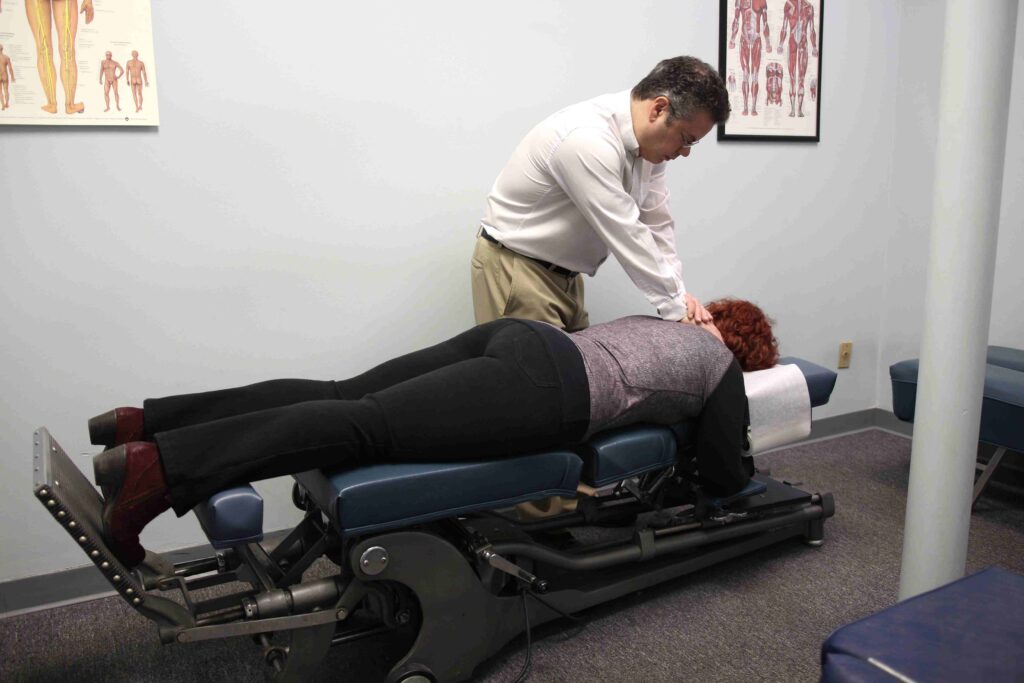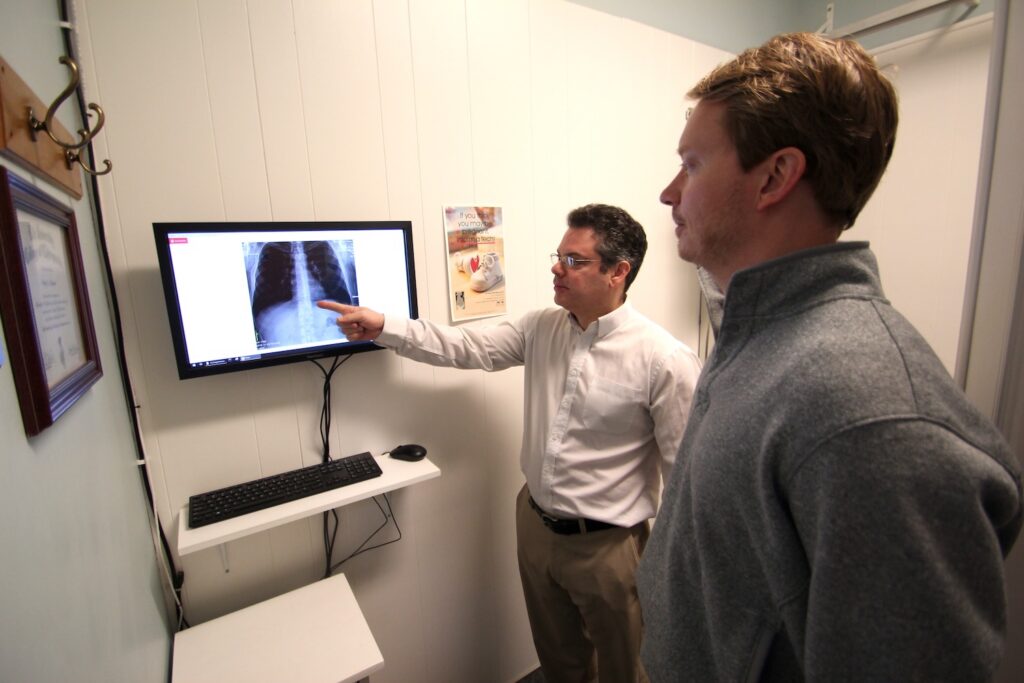

As a local chiropractor, I often see patients struggling with back pain, and many don’t realize the significant impact that posture has on their discomfort. Correcting your posture can dramatically improve your daily well-being. I want to share some effective techniques that you can easily incorporate into your routine to help realign your body and reduce pain.
- Strengthening Your Core: A strong core supports your spine and helps maintain proper posture. Simple exercises can enhance your core stability, leading to less strain on your back.
- Creating an Ergonomic Workspace: If you spend long hours at a desk, it’s crucial to set up your workspace to promote healthy posture. Adjust your chair and monitor height to keep your spine aligned and reduce tension.
- Mindful Movement: Being conscious of your movements throughout the day can make a huge difference. Whether you’re lifting something heavy or simply sitting, maintaining proper form is key to avoiding strain.
- Stretching and Flexibility: Incorporating regular stretching into your routine can improve your flexibility and help counteract the effects of poor posture. This can lead to a greater range of motion and reduced pain.
- Regular Chiropractic Adjustments: Visiting a chiropractor can provide you with personalized care to address your specific alignment issues. Adjustments can help realign your spine and improve your overall posture.
By implementing these techniques, you can take control of your posture and, in turn, your back pain. It’s all about finding the right strategies that work for you. Let’s work together to explore these options and find the relief you deserve!
Strengthening Core Muscles
As a local chiropractor, I want to emphasize the importance of strengthening your core muscles for maintaining good posture and alleviating back pain. A strong core plays a crucial role in supporting your spine, which allows you to stand tall and move with ease.
Incorporating exercises like planks, bridges, and bicycle crunches into your routine is a great way to start this journey. These movements not only target your abdominal muscles but also engage your back and pelvic muscles, creating a balanced foundation for your body.
I recommend consistency in your efforts—aim for at least three sessions a week. As you become more comfortable, gradually increase the intensity or duration of your workouts to continually challenge your muscles. The good news is, you don’t need any fancy equipment; bodyweight exercises are incredibly effective in building strength.
While performing these exercises, it’s essential to pay close attention to your form. Engage your core throughout each movement to maximize benefits.
As you strengthen your core, you’ll likely notice improvements in your posture and a reduction in discomfort or pain in your back. Remember, developing a strong core isn’t just about aesthetics; it’s about enhancing your overall well-being and the functionality of your daily activities.
If you’re ready to take this step towards a healthier you, I encourage you to start today. Your body will thank you for it, and I’m here to support you on your journey to better health through natural healing methods.
Ergonomic Workspace Setup
Have you ever thought about how your workspace could be impacting your posture and contributing to back pain?
As a chiropractor, I often see patients who are unaware of how an ergonomic setup can greatly improve their comfort and overall spinal health.
Here are some important aspects to consider for creating a healthier workspace:
- Chair Height: It’s essential that your feet rest flat on the floor or on a footrest, with your knees positioned at or slightly below hip level. This helps to maintain proper spinal alignment and reduces strain on your lower back.
- Monitor Position: Ensure that your monitor is at eye level and about an arm’s length away. This positioning minimizes neck strain and encourages a more natural alignment of your spine.
- Keyboard and Mouse Placement: Your keyboard and mouse should be positioned so that your elbows form a 90-degree angle, allowing your wrists to remain straight. This prevents unnecessary tension in your wrists and forearms, reducing the risk of repetitive strain injuries.
By paying attention to these ergonomic principles, you can create a workspace that supports your body and reduces the risk of pain and discomfort.
Stretching and Flexibility Exercises
As a local chiropractor, I often see patients who overlook the significant benefits of stretching and flexibility exercises. Incorporating these practices into your daily routine can play a crucial role in alleviating back pain and enhancing your posture.
Regular stretching helps to lengthen tight muscles, alleviate tension, and expand your overall range of motion. It’s essential to focus on key areas, including your hamstrings, hip flexors, and lower back, as these are common culprits for discomfort.
Simple stretches, such as the cat-cow pose or a seated forward bend, can be easily performed at home or even in your office. I recommend holding each stretch for 20-30 seconds while taking deep breaths to promote relaxation.
Additionally, consider integrating flexibility exercises like yoga or Pilates into your routine. These practices not only improve flexibility but also strengthen your core, which is vital for maintaining a healthy spine.
I encourage you to make stretching a regular part of your day, especially after prolonged periods of sitting. You may find that this habit leads to improved posture, reduced discomfort, and an overall sense of well-being.
Mindfulness and Body Awareness
Incorporating mindfulness and body awareness into your daily routine can significantly enhance the benefits of stretching and flexibility exercises, especially in conjunction with chiropractic care.
As a chiropractor, I often see how being present in the moment allows individuals to better understand their body’s signals and improve their posture, which is crucial for overall spinal health. I encourage you to start paying attention to how you feel during various activities, as this awareness can lead to better alignment and reduced discomfort.
To cultivate mindfulness and body awareness, here are some practices I recommend:
- Deep Breathing: Focusing on your breath helps to center your thoughts and release tension in the body. This can be particularly useful before or after a chiropractic adjustment.
- Body Scans: Regularly check in with each part of your body. Take note of any areas of tightness or discomfort, as this information can be valuable for your chiropractic treatment.
- Mindful Movement: Engaging in activities like yoga or tai chi can enhance your body awareness. These practices encourage you to concentrate on your body’s movements and alignment, complementing the adjustments and therapies you receive in my office.
Using Posture Correctors
As a local chiropractor, I want to share some important insights about posture correctors and how they can aid you in achieving better spinal health.
These devices, which range from simple straps to more sophisticated braces, are designed to help align your spine and shoulders, ultimately promoting proper posture throughout your daily activities. When you wear a posture corrector, it serves as a gentle reminder to maintain a straighter posture, which can significantly reduce the tendency to slouch.
However, it’s crucial to use these devices correctly for optimal results. I recommend starting with short wear periods to allow your body to adjust comfortably, and then gradually increasing the time you wear it.
In addition to using a posture corrector, it’s beneficial to incorporate exercises that strengthen your back and core muscles. This combination will yield the best outcomes, as it not only promotes better posture but also helps you develop new, healthier habits.
While posture correctors can be an excellent addition to your posture improvement efforts, they shouldn’t replace your conscious awareness and commitment to lifestyle changes.
It’s essential to listen to your body and be mindful of how it feels. If you have any concerns regarding your posture or are experiencing pain, I encourage you to consult with a healthcare professional.
Together, we can address your specific needs and guide you on your journey to improved spinal health and overall well-being.
Conclusion
As a local chiropractor, I’m here to help you understand how simple posture correction techniques can significantly alleviate back pain and enhance your overall well-being. By focusing on strengthening your core muscles, setting up an ergonomic workspace, incorporating regular stretching into your routine, practicing mindfulness, and considering the use of posture correctors, you can make remarkable strides in improving your posture.
It’s essential to recognize that these changes don’t have to be drastic. Small, consistent adjustments in your daily habits can lead to profound benefits. I encourage you to take action today—integrate these techniques into your routine to support your spine and overall health. Remember, your back plays a crucial role in your daily activities, and by caring for it, you’ll experience greater comfort and confidence in your movements. Let’s work together towards a healthier, pain-free lifestyle!