
As a local chiropractor, I understand that many individuals experience lower back pain, and it’s important to know that you’re not alone in this struggle. Many people are seeking effective solutions to alleviate pain and restore mobility. I’m here to share with you some licensed techniques that can significantly help with your discomfort.
Chiropractic adjustments are one of the primary methods I use in my practice. They focus on realigning the spine and improving mobility, which can relieve pressure on nerves and reduce pain. In addition to chiropractic care, I also incorporate other natural healing techniques such as acupuncture, which targets specific points in the body to promote healing and relaxation.
Each of these methods offers unique benefits, and I am committed to helping you understand how they work. Together, we can explore which approach may be the most suitable for your specific situation. My goal is to guide you on the right path towards relief and recovery, utilizing the best practices in chiropractic care and natural healing. Let’s work together to help you regain your quality of life!
Chiropractic Adjustments
As your local chiropractor, I want to take a moment to explain how chiropractic adjustments can be a powerful tool in alleviating lower back pain. Many people are unfamiliar with the benefits of chiropractic care, so let me break it down for you.
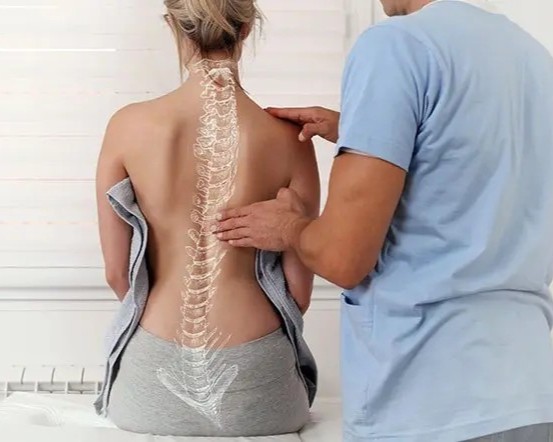
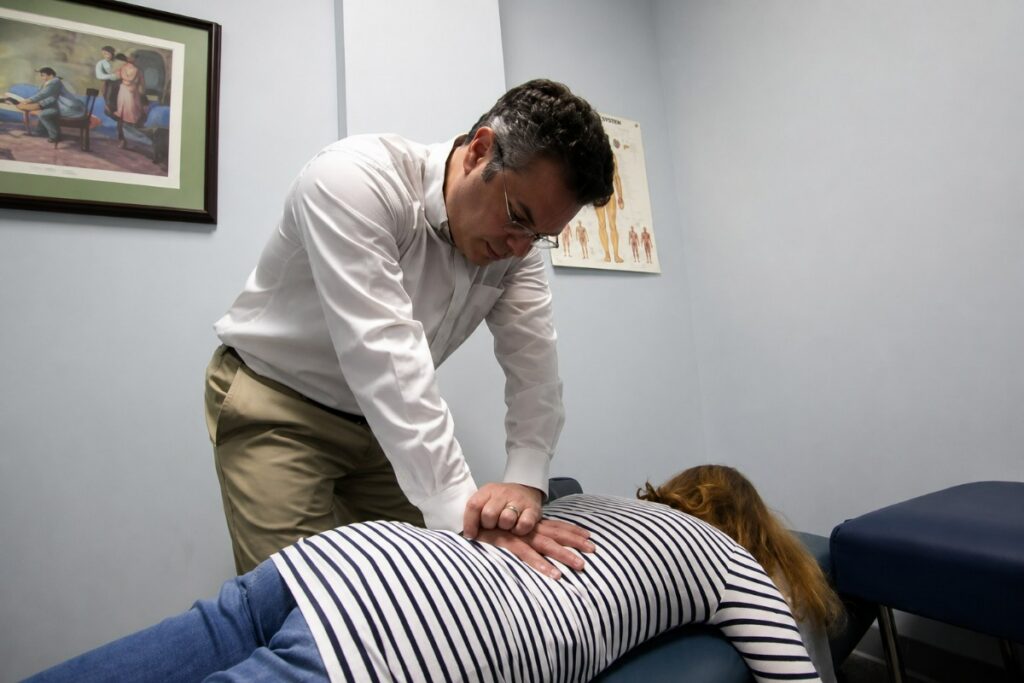
Chiropractic adjustments focus on correcting misalignments in your spine. These misalignments can lead to discomfort and pressure on your nerves, contributing to pain and restricted movement. When you come to my office, I’ll conduct a thorough assessment to understand your unique condition and create a personalized treatment plan tailored just for you.
Using specific techniques, I’ll gently manipulate your spine to restore proper alignment. This not only helps in relieving immediate pain but also enhances your overall mobility and reduces discomfort.
In addition to addressing acute pain, chiropractic care promotes long-term healing. Many of my patients notice significant improvements in their posture and a decrease in muscle tension, which can help prevent future flare-ups.
You may also find that your overall wellness improves, with better sleep and lower stress levels as a result of regular chiropractic adjustments.
If you’re currently struggling with lower back pain, I encourage you to consider chiropractic adjustments as a natural and effective option. This hands-on approach may provide the relief you’ve been searching for, allowing you to return to your daily activities with renewed ease and vitality.
I’m here to help you on your journey to better health!
Physical Therapy
When addressing lower back pain, chiropractic care can be a transformative solution.
Our approach focuses on tailored exercise programs that not only strengthen your core but also enhance flexibility.
Additionally, we utilize manual therapy techniques to relieve tension and restore proper alignment in your spine.
By combining these methods, we aim to help you regain mobility and significantly reduce discomfort.
Understanding how chiropractic care works can empower you to take charge of your health and well-being naturally.
Targeted Exercise Programs
Managing lower back pain can often feel daunting, but I want to assure you that targeted exercise programs, especially those guided by chiropractic care, can significantly enhance your condition.
These specialized programs are designed to strengthen the muscles that support your spine, improve flexibility, and boost overall stability.
As your chiropractor, I’ll work closely with you to identify specific exercises tailored to your individual needs, ensuring that you perform them safely and effectively.
As you progress with these exercises, you’ll likely experience relief from pain, improved mobility, and a reduced risk of future injuries.
Incorporating stretches and resistance training into your routine can also help promote better posture and alignment.
It’s important to remember that consistency is key—sticking with your program will yield the best results.
As you become more active and engaged in your recovery, you should notice significant improvements in both your pain levels and your daily activities.
Embracing chiropractic care and a holistic approach to healing can lead you on the path to a healthier, more active life.
Manual Therapy Techniques
As a local chiropractor, I want to take a moment to explain how manual therapy techniques can be a vital part of your journey to alleviate lower back pain. These hands-on methods are designed to address muscle tension and joint restrictions that often contribute to discomfort.
Through techniques like mobilization and manipulation, we can help improve your range of motion and reduce pain. For instance, soft tissue massage is often used to release tight muscles, which enhances blood circulation and promotes healing.
Additionally, spinal manipulation can help realign your vertebrae, alleviating pressure on nerves and significantly decreasing pain levels.
Incorporating these techniques into your treatment plan can lead to quicker relief and improved function. It’s important to remember that consistency plays a crucial role in your recovery, so attending your sessions regularly will maximize the benefits you receive.
I’m here to tailor these methods to your specific needs, ensuring that your path to recovery is as effective as possible. Trust in the process, and together we can work towards a healthier, pain-free life.
Acupuncture
As a local chiropractor, I want to share with you an effective natural healing method that can greatly alleviate lower back pain: acupuncture. This ancient practice involves the insertion of fine needles into specific points on the body, and it works by promoting healing and reducing discomfort.
Here are several reasons why you might consider acupuncture as part of your pain management plan:
- Pain Relief: Research indicates that acupuncture can significantly lower pain levels by stimulating the release of endorphins—your body’s natural painkillers. This can be especially beneficial for those struggling with chronic back pain.
- Improved Circulation: Acupuncture enhances blood flow to the affected areas, which is crucial for delivering essential nutrients and oxygen. Improved circulation can aid in faster recovery from injuries and reduce inflammation.
- Reduced Muscle Tension: The technique can help relax tight muscles, offering immediate relief. This relaxation not only addresses your current discomfort but also targets the underlying issues contributing to your pain.
If you’re exploring holistic approaches to manage your lower back pain, I encourage you to consider acupuncture in conjunction with chiropractic care.
Always seek treatment from a licensed practitioner to ensure you receive personalized, effective care tailored to your needs. Together, we can work towards achieving optimal wellness and comfort.
Massage Therapy
As a local chiropractor, I want to share how massage therapy can be a beneficial component of your journey towards alleviating lower back pain and enhancing your overall wellness.
When you receive a massage, skilled therapists focus on relieving tension in your muscles, which helps to improve circulation and ease discomfort. This process not only alleviates pain but also increases your range of motion, making it easier for you to move freely.
Regular massage sessions can provide longer-lasting relief, as they encourage your body to adapt and relax. Various techniques, such as deep tissue or Swedish massage, can be customized to suit your specific needs, addressing inflammation and promoting the release of endorphins—your body’s natural painkillers.
In addition to physical relief, integrating massage therapy into your routine can also help manage stress, which is often a contributing factor to back pain.
Whether you choose to visit a professional massage therapist or learn some self-massage strategies, you may find a significant improvement in your overall well-being.
I encourage you to explore the benefits of massage therapy alongside chiropractic care, and discover how these natural healing approaches can work together for you.
Osteopathic Manipulation
When it comes to relieving lower back pain, chiropractic care is a powerful option worth exploring. This hands-on approach focuses on the musculoskeletal system, aiming to restore balance and promote healing in a natural way.
Here’s what you can expect during a chiropractic session:
- Comprehensive Evaluation: As your chiropractor, I’ll assess your posture, movement patterns, and specific areas of discomfort. This thorough evaluation allows me to create a personalized treatment plan tailored to your needs.
- Chiropractic Techniques: I’ll utilize gentle yet precise adjustments to realign your spine and surrounding muscles. These techniques are designed to alleviate tension, improve your range of motion, and enhance your overall alignment.
- Wellness Guidance: Following your session, I’ll provide you with customized advice on exercises and lifestyle modifications. This guidance is essential for maintaining your progress and supporting your long-term health and wellness.
Yoga and Stretching
As a local chiropractor, I want to share how chiropractic care can be an effective solution for alleviating lower back pain. However, I also emphasize the importance of incorporating yoga and stretching into your wellness routine for even better results.
Yoga is a fantastic way to enhance your overall health. It improves flexibility, strengthens your core muscles, and promotes relaxation—all of which can significantly ease tension in your back. You don’t have to be an expert in yoga to benefit from it. Start with gentle poses like Child’s Pose or Cat-Cow, which are excellent for releasing tightness and improving your posture.
In addition to yoga, regular stretching is crucial for maintaining your body’s mobility. Pay particular attention to your hamstrings, hip flexors, and lower back muscles. Simple stretches, such as the knee-to-chest or seated forward bends, can help reduce stiffness and increase your range of motion.
Even dedicating just a few minutes each day to these practices can make a big difference. Always listen to your body. If you feel any discomfort while stretching or practicing yoga, it’s important to ease off.
Pilates
As a local chiropractor, I want to share how Pilates can be a valuable part of your journey toward relieving lower back pain. This practice focuses on core strength and stability, which are crucial for supporting your spine and overall health.
By incorporating Pilates into your routine, you can enhance your posture and flexibility, leading to significant relief from discomfort. Here are three key benefits you can expect:
- Strengthened Core Muscles: Pilates involves controlled movements that specifically target your core. A strong core provides essential support for your lower back, helping to alleviate pain and prevent future issues.
- Improved Flexibility: Engaging in regular Pilates sessions promotes the elongation and stretching of tight muscles. This increased flexibility can reduce tension in your lower back, contributing to greater comfort and mobility.
- Enhanced Body Awareness: Through Pilates, you’ll cultivate a deeper understanding of your body mechanics. This awareness can empower you to avoid movements that may strain your back, fostering a healthier lifestyle.
Integrating Pilates into your weekly routine can significantly change your approach to managing lower back pain. Not only will you find relief, but you’ll also be on your way to building a stronger, more resilient body.
Cognitive Behavioral Therapy
As your local chiropractor, I want to introduce you to the benefits of Cognitive Behavioral Therapy (CBT) in managing lower back pain. This approach focuses on how you perceive pain and helps you develop effective coping strategies.
By understanding your pain perception, you can make positive behavioral changes that support your recovery. Incorporating CBT into your treatment plan not only helps alleviate discomfort, but it also empowers you to take an active role in your pain management.
Understanding Pain Perception
As your local chiropractor, I want to help you understand how pain perception affects your experience and management of lower back pain. This is vital for achieving relief and improving your overall well-being.
Pain perception isn’t just about the physical sensations; it’s influenced by your thoughts, emotions, and even your environment. Here are three key factors that can shape how you perceive pain:
- Cognitive Factors: Your beliefs about pain play a significant role in how you experience it. If you view pain as a sign of serious injury, you may feel it more intensely. By shifting your mindset and understanding that pain can also be a signal for the body to heal, you can reduce its impact.
- Emotional State: Your emotional well-being is closely linked to how you perceive pain. Conditions such as anxiety and depression can intensify your pain experience. When you’re feeling stressed, your sensitivity to discomfort may increase. By addressing these emotional factors, we can work together to lessen your pain perception.
- Contextual Influences: The environment you’re in can greatly affect your pain experience. A supportive and positive atmosphere can help you feel more relaxed and at ease, potentially reducing your pain. Conversely, a negative or stressful environment can heighten your discomfort.
By understanding these factors, you can empower yourself to approach your lower back pain more effectively.
My goal as your chiropractor is to guide you toward natural healing and a better quality of life. Together, we can create a plan that addresses not just your physical symptoms, but also the mental and emotional aspects of pain perception.
Coping Strategies Development
As a local chiropractor, I want to share with you how developing effective coping strategies can significantly improve your quality of life when dealing with lower back pain.
One of the most impactful methods we can explore together is Cognitive Behavioral Therapy (CBT). This approach enables you to identify and challenge negative thought patterns that may be intensifying your pain. By addressing these thoughts, you can reduce anxiety and enhance your emotional well-being.
In our sessions, I’ll also introduce you to practical skills for managing pain, such as relaxation techniques and mindfulness practices. These tools are designed to help you redirect your focus away from discomfort and engage more fully in your daily activities.
It’s important to set realistic goals for yourself, which will empower you to gradually increase your physical activity without feeling overwhelmed. Remember, the key is to take small, manageable steps towards a more fulfilling life, even in the presence of pain.
Together, we can create a personalized plan that aligns with your needs and helps you on your journey to wellness.
Behavioral Change Techniques
As a local Chiropractor, I want to share how Behavioral Change Techniques can significantly improve your approach to managing lower back pain.
By incorporating principles from Cognitive Behavioral Therapy (CBT), you can transform the way you perceive and respond to pain, empowering you to reclaim your life and enhance your overall well-being.
Here are three essential techniques to consider:
- Cognitive Restructuring: It’s vital to challenge any negative thoughts you may have about your pain. By replacing these thoughts with more positive and realistic beliefs, you can shift your mindset towards healing and recovery.
- Behavioral Activation: Engaging in activities that you enjoy is crucial. This not only helps combat feelings of helplessness but also encourages physical movement, which is essential for maintaining a healthy back.
- Mindfulness Practices: Incorporating mindfulness into your daily routine can be incredibly beneficial. By focusing on the present moment, you can reduce stress and develop a better awareness of your pain, allowing you to respond to it more effectively.
By utilizing these techniques alongside chiropractic care, you can create a more positive mindset and effectively manage your lower back pain.
Transcutaneous Electrical Nerve Stimulation (TENS)
As a local chiropractor dedicated to helping my patients understand natural healing methods, I want to introduce you to an effective technique for alleviating lower back pain: Transcutaneous Electrical Nerve Stimulation, commonly known as TENS.
This therapy employs low-voltage electrical currents delivered through electrodes placed on your skin to stimulate your nerves. By doing so, it can effectively block pain signals from reaching your brain, providing a non-invasive and drug-free way to manage discomfort.
Using a TENS unit is quite simple. You’ll attach the electrodes to your lower back, adjust the settings to your comfort level, and allow the device to work. Many individuals report experiencing immediate relief, making TENS a popular option for those living with chronic pain.
One of the great advantages of TENS therapy is that you can easily incorporate it into your home routine. However, it’s essential to consult with a healthcare professional, such as myself, before starting treatment, especially if you have any underlying health issues.
TENS can be a valuable addition to your overall pain management strategy, complementing other chiropractic methods and therapies that promote healing and wellness. By exploring these options, you can take a proactive approach to your health and find relief from pain in a natural way.
Medication Management
As a local chiropractor, I want to emphasize the important role that medication can play in managing lower back pain, but I also want to introduce you to the benefits of chiropractic care and natural healing approaches.
While you may be familiar with over-the-counter pain relievers and prescription medications for more severe discomfort, there are alternative methods that can complement or even reduce the need for these medications.
Chiropractic care focuses on the underlying issues causing your pain, rather than just masking the symptoms with medication. By using gentle adjustments and other natural therapies, we can help restore proper alignment, improve mobility, and promote your body’s innate ability to heal itself.
Understanding both the medication options and the benefits of chiropractic care can empower you to make informed decisions about your pain relief strategy and overall well-being.
Let’s explore how we can work together to find the best approach for you!
Over-the-Counter Options
As a local chiropractor, I understand that chronic lower back pain can severely impact your quality of life.
Fortunately, there are over-the-counter options that can offer you effective relief while you explore the holistic benefits of chiropractic care. These medications are readily available and can help manage your discomfort without the need for a prescription.
Here are three commonly recommended options to consider:
- Acetaminophen: This pain reliever is often a good choice for reducing discomfort, particularly if you have a sensitive stomach, as it tends to be gentler than some alternatives.
- Nonsteroidal Anti-Inflammatory Drugs (NSAIDs): Medications such as ibuprofen and naproxen are effective for alleviating pain and reducing inflammation, which can lead to quicker relief, especially after adjustments or physical therapy.
- Topical Pain Relievers: Creams or patches containing ingredients like menthol or capsaicin can be applied directly to the painful area. This localized approach can complement your chiropractic treatments by targeting specific discomfort.
While these options can provide relief, it’s always best to consult with a healthcare professional before starting any new medication.
This ensures that the treatment is safe and appropriate for your unique situation. Additionally, integrating chiropractic care into your routine can help address the underlying causes of your pain and promote long-term healing.
Prescription Medications Overview
As a local chiropractor, I understand that many of you may turn to over-the-counter options for managing lower back pain, but I want to highlight that prescription medications can play a role in addressing more severe or persistent symptoms.
However, it’s crucial to explore natural healing methods first.
For those dealing with inflammation and pain, your doctor might suggest nonsteroidal anti-inflammatory drugs (NSAIDs) like ibuprofen or naproxen. While these can provide temporary relief, they aren’t the only solution.
Muscle relaxants may help with muscle spasms, and some antidepressants have been used for chronic pain management, but they come with potential side effects.
In my practice, I believe in a holistic approach. Techniques such as spinal adjustments, physical therapy, and lifestyle changes can often address the root causes of your pain without relying solely on medications.
Corticosteroids are sometimes prescribed for inflammation, but they should be used cautiously due to their own set of risks.
If you’re experiencing severe pain, opioids might be an option, but they carry significant risks of dependency, and I encourage you to consider safer alternatives.
Always consult with your healthcare provider, but remember that chiropractic care can offer a natural and effective way to manage your pain while promoting overall well-being.
Medication should complement other treatment approaches for the best outcomes.
Let’s work together to find a solution that suits your individual needs and helps you achieve optimal health.
Conclusion
As a local chiropractor, I want to emphasize how finding the right technique for relieving lower back pain can significantly enhance your daily life. Chiropractic adjustments, acupuncture, and Pilates are just a few of the many methods available, each offering unique benefits tailored to your individual needs. I encourage you to explore these options and consult with a professional, like myself, who can help create a personalized treatment plan just for you. By taking proactive steps toward your health, you can enhance your mobility, alleviate discomfort, and improve your overall well-being. Remember, your journey to relief begins here, and I’m here to guide you every step of the way!