
If you're living with fibromyalgia, you know that relief can feel elusive. Exploring authentic approaches that combine dietary changes, gentle exercise, and emotional support can make a significant difference in managing your symptoms. It's not just about addressing physical pain; it involves nurturing your overall well-being. As you consider these strategies, you might wonder which ones resonate most with you and how they can transform your daily life. What if the key to feeling better lies in a more holistic perspective?
Understanding Fibromyalgia
Fibromyalgia is a complex condition that affects millions of people, causing widespread pain and a range of other debilitating symptoms. If you're experiencing fibromyalgia, you probably know it's much more than just physical discomfort. Many individuals report fatigue, sleep disturbances, and cognitive difficulties, often referred to as "fibro fog." These symptoms can be overwhelming, making daily life challenging.
Understanding fibromyalgia involves recognizing that it's not just one issue but a combination of factors. Your central nervous system may be amplifying pain signals, leading to an increased sensitivity to pain. This heightened response can make seemingly minor sensations feel unbearable.
It's important to know that you're not alone in this struggle. Many share similar experiences, which can provide some comfort and a sense of community.
Additionally, emotional and psychological factors often intertwine with physical symptoms. Stress, anxiety, and depression can worsen your condition, creating a cycle that's tough to break. You're likely to find that managing these aspects can greatly affect your overall well-being.
Awareness and education about fibromyalgia can empower you. By learning more about your condition, you can identify triggers and develop strategies to cope with symptoms.
Whether it's through finding supportive communities, seeking professional help, or understanding your body's signals, taking proactive steps can lead to a better quality of life. Your journey with fibromyalgia may be challenging, but with the right knowledge and support, you can navigate it more effectively.
Dietary Strategies
When managing fibromyalgia, what you eat can make a big difference.
Incorporating anti-inflammatory foods, staying hydrated, and considering meal timing strategies can help ease your symptoms.
Let's explore how these dietary choices can support your overall well-being.
Anti-Inflammatory Foods
Incorporating anti-inflammatory foods into your diet can make a significant difference in managing fibromyalgia symptoms. These foods help reduce inflammation in your body, potentially easing pain and fatigue. Focus on whole, nutrient-dense options like fruits, vegetables, whole grains, lean proteins, and healthy fats.
Berries, such as blueberries and strawberries, are excellent choices because they're packed with antioxidants. Leafy greens like spinach and kale provide essential vitamins and minerals that support overall health.
Fatty fish, like salmon and mackerel, are rich in omega-3 fatty acids, which can help lower inflammation levels. Don't forget to include nuts and seeds, like walnuts and flaxseeds, for additional healthy fats and fiber.
Spices like turmeric and ginger also have anti-inflammatory properties, so consider adding them to your meals. Whole grains, such as brown rice and quinoa, can help maintain stable energy levels throughout the day.
Hydration Importance
Staying hydrated plays an essential role in managing fibromyalgia symptoms and overall well-being. When you're well-hydrated, your body functions more efficiently, helping to reduce fatigue, improve mood, and alleviate muscle aches. Water aids in digestion, nutrient absorption, and the elimination of toxins, all of which are critical for maintaining your energy levels.
To guarantee you're getting enough hydration, aim to drink at least eight 8-ounce glasses of water daily, but listen to your body's needs. Factors like exercise, climate, and overall health can increase your fluid requirements.
You can also incorporate hydrating foods into your diet, such as cucumbers, watermelon, and oranges, which provide both hydration and essential nutrients.
Avoid excessive caffeine and sugary drinks, as they can lead to dehydration. Instead, opt for herbal teas or infused water with fruits and herbs for a revitalizing alternative.
Monitoring your urine color can also help; a pale yellow indicates proper hydration, while dark urine signals the need for more fluids.
Meal Timing Strategies
Effective meal timing can greatly impact your fibromyalgia management. By strategically planning when you eat, you can help stabilize your energy levels and improve your overall well-being.
Here are three meal timing strategies to contemplate:
- Regular Intervals: Aim to eat at consistent times each day. This helps regulate your body's internal clock and can minimize energy crashes.
- Smaller, Frequent Meals: Instead of three large meals, try eating five to six smaller meals throughout the day. This can help maintain steady blood sugar levels and reduce feelings of fatigue.
- Time Your Carbs: Consider consuming most of your carbohydrates earlier in the day. Eating complex carbs in the morning and afternoon can provide sustained energy, while limiting them in the evening may help with sleep quality.
Experiment with these strategies to find what works best for you.
Keep a food diary to track your meals and symptoms, and adjust your timing based on your observations. By focusing on meal timing, you can take an essential step toward managing your fibromyalgia symptoms effectively.
Mindfulness and Meditation
Practicing mindfulness and meditation can profoundly alleviate the symptoms of fibromyalgia, offering a pathway to enhanced emotional and physical well-being. When you engage in these practices, you train your mind to focus on the present moment, reducing anxiety and stress that often accompany chronic pain. This shift in focus can diminish the perception of pain, allowing you to experience life more fully.
Start by setting aside a few minutes each day for mindfulness or meditation. Find a quiet space, sit comfortably, and close your eyes. Concentrate on your breath, inhaling deeply and exhaling slowly. If your thoughts wander, gently bring your focus back to your breath. This simple act can create a sense of calm and help you manage the emotional toll of fibromyalgia.
Incorporating mindfulness into daily activities can also be beneficial. Whether you're eating, walking, or even doing household chores, try to engage fully in each moment. Notice the sensations, sounds, and feelings around you. This practice can help ground you and reduce the overwhelming sensations that fibromyalgia often brings.
Consider guided meditation apps or classes if you're new to meditation. They can provide structure and support as you explore different techniques. Over time, you'll likely find that these practices foster a greater sense of control over your body and emotions, leading to improved overall well-being.
Embrace mindfulness and meditation as valuable tools in your journey toward symptom relief and a more fulfilling life.
Exercise and Movement
When it comes to managing fibromyalgia, incorporating exercise and movement can make a significant difference.
Gentle stretching techniques and low-impact activities help alleviate discomfort while promoting overall well-being.
Staying consistent with your routine is key to reaping these benefits and enhancing your quality of life.
Gentle Stretching Techniques
Gentle stretching techniques can play an essential role in managing fibromyalgia symptoms by promoting flexibility and reducing muscle tension. Incorporating these stretches into your daily routine can help you feel more relaxed and alleviate discomfort.
Here are three effective stretching techniques you can try:
- Neck Stretch: Sit or stand comfortably, gently tilt your head to one side, bringing your ear towards your shoulder. Hold for 15-30 seconds, then switch sides. This helps relieve tension in the neck and shoulders.
- Cat-Cow Stretch: Get on your hands and knees in a tabletop position. Inhale as you arch your back, looking up (Cow), then exhale as you round your spine, tucking your chin (Cat). Repeat this sequence 5-10 times. It increases spinal flexibility and releases tension.
- Seated Forward Bend: Sit with your legs extended in front of you. Inhale, reaching your arms overhead, then exhale as you hinge at your hips, reaching towards your toes. Hold for 15-30 seconds. This stretch targets the lower back and hamstrings.
Low-Impact Activities Benefits
Engaging in low-impact activities can markedly enhance your overall well-being when managing fibromyalgia symptoms. These activities, such as walking, swimming, or cycling, provide a gentle way to stay active without overwhelming your body.
You'll find that low-impact workouts reduce pain and stiffness while promoting flexibility and strength.
One major benefit of low-impact exercises is that they improve circulation. Better blood flow can help deliver oxygen and nutrients to your muscles, which may alleviate fatigue and enhance your energy levels.
Additionally, participating in these activities can elevate your mood, thanks to the release of endorphins. This natural boost can counteract feelings of depression or anxiety that often accompany fibromyalgia.
Moreover, low-impact activities often foster a sense of community, whether you join a group class or meet friends for a walk. Social engagement can provide emotional support, essential for coping with your symptoms.
Consistency in Routine
Maintaining a consistent routine with exercise and movement can greatly impact your ability to manage fibromyalgia symptoms. When you incorporate regular physical activity into your daily life, you may notice improvements in your overall well-being.
Here are three key benefits of consistency in your exercise routine:
- Reduced Pain: Regular movement helps to reduce muscle tension and improve blood circulation, which can alleviate pain associated with fibromyalgia.
- Enhanced Mood: Consistent exercise releases endorphins, the feel-good hormones. This can help combat feelings of anxiety and depression, common among those with fibromyalgia.
- Improved Sleep Quality: A structured routine that includes physical activity can regulate your sleep patterns. Better sleep can lead to decreased fatigue and improved energy levels throughout the day.
To reap these benefits, find activities you enjoy and set a schedule that works for you. Aim for small, manageable goals, like a daily 10-minute walk or gentle stretching.
Alternative Therapies
Exploring alternative therapies can offer fibromyalgia sufferers new avenues for symptom relief and improved quality of life. These therapies often complement traditional treatments, helping you manage pain, fatigue, and other symptoms more effectively.
One popular option is acupuncture, which involves inserting thin needles into specific points on the body. Many people find it helps reduce pain and improve sleep quality.
Another alternative therapy to evaluate is massage therapy. Regular massages can alleviate muscle tension and promote relaxation, making a significant difference in your daily comfort.
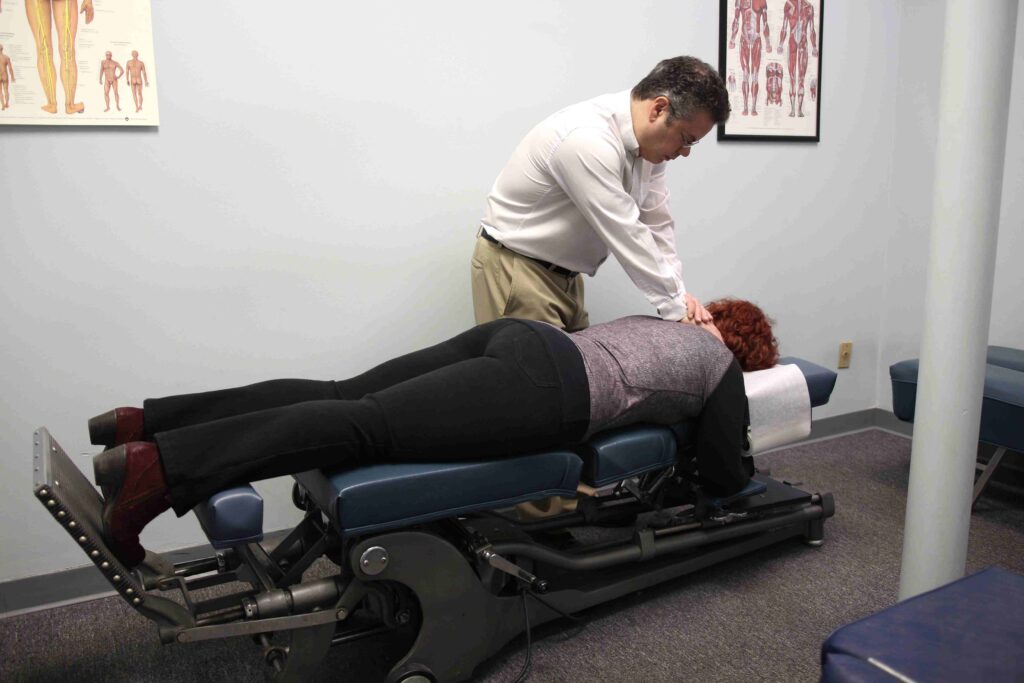
You might also explore chiropractic care, which focuses on spinal alignment and may help with pain relief.
Herbal supplements, such as turmeric or ginger, have anti-inflammatory properties that could benefit you. Always consult with your healthcare provider before starting any new supplement to verify it's safe for your situation.
Additionally, mindfulness and meditation practices can be incredibly powerful. These techniques help you manage stress and promote emotional well-being, which is essential for coping with fibromyalgia.
Yoga and tai chi are also great options to explore. Both practices combine gentle movement with mindfulness, helping you improve flexibility and reduce stress.
You might discover that integrating these activities into your routine not only eases your symptoms but also enhances your overall sense of well-being.
Ultimately, the journey to finding the right alternative therapies may take some experimentation. Stay open-minded and patient as you explore different options to find what works best for you.
Emotional Support
Finding relief from fibromyalgia symptoms often goes beyond physical therapies; emotional support plays a vital role in your overall well-being.
Steering through the emotional landscape of fibromyalgia can be challenging, but it's important to recognize and cultivate supportive connections. Building a strong support system can greatly enhance your coping strategies and resilience.
Here are three key ways emotional support can benefit you:
- Validation of Feelings: Sharing your experiences with someone who understands can validate your feelings. Whether it's a friend, family member, or support group, knowing you're not alone in your struggles can alleviate feelings of isolation.
- Encouragement and Motivation: Emotional support provides encouragement when you're feeling overwhelmed. Supportive individuals can motivate you to engage in activities that lift your spirits, reminding you that it's okay to take breaks and prioritize self-care.
- Stress Reduction: Engaging in open conversations about your fibromyalgia journey can reduce stress. By expressing your frustrations and fears, you may find relief and gain perspective, helping you to manage your symptoms more effectively.
Lifestyle Changes
Making lifestyle changes can greatly impact your fibromyalgia symptoms and overall quality of life. Start with your diet; incorporating whole foods like fruits, vegetables, lean proteins, and healthy fats can reduce inflammation and improve energy levels. Try to limit processed foods, sugar, and caffeine, as they can trigger flare-ups.
Next, focus on physical activity. Regular exercise, even gentle activities like walking, swimming, or yoga, can enhance your mood and decrease pain. Aim for at least 30 minutes of moderate exercise most days, but listen to your body and adjust as needed. Consistency is key, so find activities you enjoy to make it easier to stick with.
Sleep is essential for managing fibromyalgia. Establish a consistent sleep schedule by going to bed and waking up at the same time every day. Create a calming bedtime routine, and make your sleep environment as comfortable as possible. Limit screen time before bed and avoid stimulants in the evening.
Stress management is another important aspect. Incorporate relaxation techniques like meditation, deep breathing, or mindfulness into your daily routine. These practices can help lower stress levels, which often worsen symptoms.
Lastly, consider staying socially connected. Join support groups, whether in-person or online, to share experiences and gain encouragement. Building a support network can provide you with the emotional strength you need to navigate your fibromyalgia journey effectively.
Conclusion
Incorporating these authentic approaches to fibromyalgia symptom relief can make a real difference in your life. By focusing on a balanced diet, engaging in gentle exercise, and embracing mindfulness practices, you can take control of your well-being. Don't underestimate the power of alternative therapies and emotional support from others who understand your journey. With these strategies, you're not just managing symptoms; you're enhancing your overall quality of life and fostering a more empowered version of yourself.