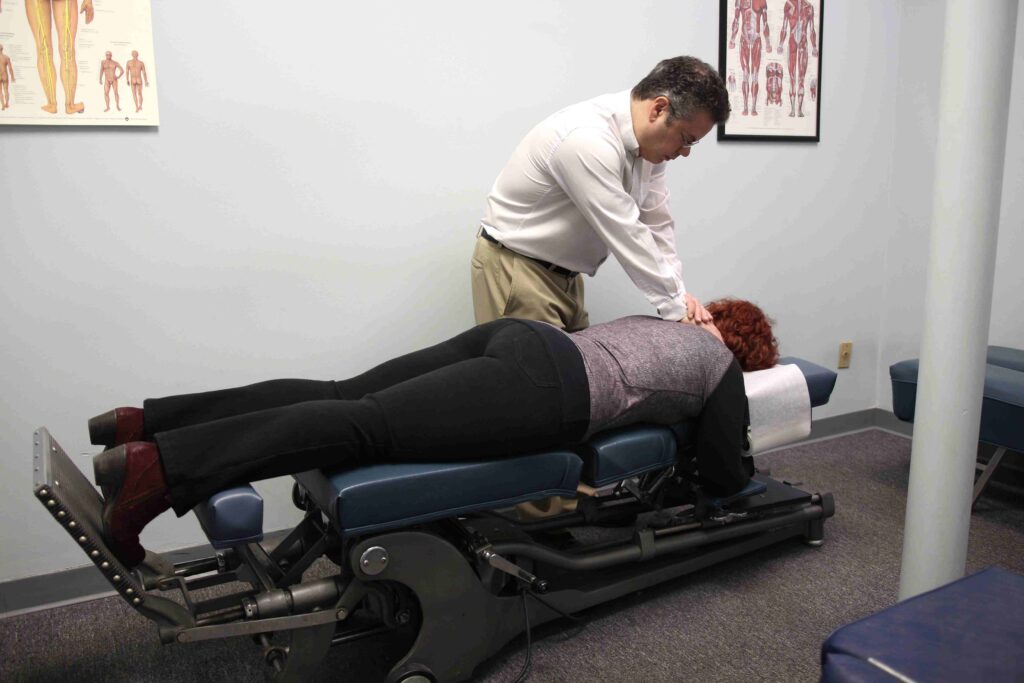

Neck discomfort can be a frustrating and limiting issue, often stemming from factors like poor posture, stress, or ergonomic misalignments in your workspace. As a local chiropractor, I believe understanding these causes is essential for finding effective relief. By making some simple, mindful changes to your daily routine, you can significantly alleviate your neck pain and enhance your overall well-being.
Chiropractic care is a natural and effective way to address neck discomfort. Through gentle adjustments, we can help realign your spine, improve your posture, and relieve tension that may be contributing to your pain. Regular chiropractic visits not only provide immediate relief but also support long-term wellness by promoting a healthy spine and nervous system.
In addition to chiropractic adjustments, here are some practical tips you can incorporate into your daily life:
- Mind Your Posture: Whether sitting at a desk or using your phone, be conscious of your posture. Keep your shoulders back and your neck aligned with your spine.
- Take Breaks: If you work at a computer, remember to take regular breaks. Stand up, stretch, and move around to reduce muscle tension.
- Invest in Ergonomics: Ensure your workspace is ergonomically friendly. Adjust your chair, desk, and computer screen to promote good posture.
- Practice Stress Relief: Stress can exacerbate neck pain. Incorporate relaxation techniques such as deep breathing, meditation, or gentle yoga into your routine.
- Stay Active: Regular physical activity strengthens the muscles that support your neck and improves flexibility. Consider activities like walking, swimming, or yoga.
Curious about how to implement these strategies effectively? By embracing chiropractic care and making these simple lifestyle adjustments, you can pave the way to a more comfortable and pain-free life. Remember, prioritizing your spinal health is key to achieving optimal wellness.
Key Takeaways
- Maintain good posture while working; ensure your screens are at eye level to minimize strain on your neck. This simple adjustment can make a significant difference in your overall comfort.
- Opt for supportive pillows that are designed to align with the natural curve of your neck. A good pillow can help maintain proper spinal alignment while you sleep, which is essential for preventing discomfort.
- Remember to take regular breaks throughout your day. Stretching and incorporating gentle neck exercises can not only alleviate tension but also promote better spinal health. Simple movements, like neck rolls and gentle tilts, can be very effective.
- Practice relaxation techniques, such as deep breathing and yoga. These methods not only help relieve tension but also enhance your overall well-being. Incorporating these practices into your daily routine can support your chiropractic care and help keep your body in balance.
- Staying hydrated and engaging in regular exercise is key to strengthening the muscles that support your neck. Activities like swimming, walking, or yoga are excellent for promoting overall spinal health.
By integrating these tips into your daily life and considering chiropractic care as a primary approach to pain relief and wellness, you can take significant steps toward achieving optimal health. Remember, your spine is the foundation of your well-being, and chiropractic care is here to help you maintain that foundation naturally.
Understanding the Causes of Neck Discomfort
Neck discomfort can arise from various sources, and identifying these is key to finding relief. One common cause is poor sleeping positions, which can lead to stiffness and pain, particularly if you’re using a pillow that doesn’t provide adequate support.
Additionally, spending long hours hunched over a computer or looking down at your phone places strain on your neck muscles, resulting in tension and discomfort. Even emotional stress can physically manifest, causing tightness in your neck and shoulders.
Injuries, such as whiplash from a car accident or sports-related incidents, can also contribute to ongoing discomfort. Furthermore, degenerative conditions like arthritis may lead to chronic neck issues. Understanding these potential causes is crucial for taking steps toward relief through chiropractic care.
Chiropractic adjustments can effectively address misalignments in the spine that may be contributing to your neck pain. By restoring proper alignment, chiropractic care not only relieves discomfort but also promotes overall wellness.
Here are some general tips to help you manage neck discomfort:
- Mind Your Posture: Be conscious of your posture while working or using your phone. Ensure your screen is at eye level to minimize strain on your neck.
- Choose the Right Pillow: Use a pillow that supports the natural curve of your neck. Consider options like memory foam or cervical pillows that provide better support.
- Take Breaks: If you work at a desk, take regular breaks to stretch and move around. This can help alleviate tension in your neck.
- Practice Relaxation Techniques: Techniques such as deep breathing or gentle yoga can reduce stress and help relax tight muscles.
- Stay Active: Regular exercise strengthens the muscles that support your neck and can improve flexibility, reducing the risk of discomfort.
The Importance of Good Posture
Good posture is vital for maintaining proper spinal alignment and alleviating neck discomfort. As a local chiropractor, I want to emphasize that the way you set up your workspace can have a profound impact on your overall health and well-being. Not only can good posture enhance your comfort, but it also plays a significant role in boosting your productivity.
Here are some simple adjustments you can make to your desk setup that can lead to substantial improvements in your daily comfort:
- Ergonomic Chair: Choose a chair that supports the natural curve of your spine. Ensure that your lower back is properly supported to maintain a healthy lumbar curve.
- Screen Height: Position your computer screen at eye level. This helps to keep your neck aligned and prevents unnecessary strain.
- Keyboard and Mouse Placement: Keep your keyboard and mouse close to your body and at a level where your elbows are at a 90-degree angle. This can help reduce tension in your shoulders and arms.
- Take Breaks: Remember to take short breaks every hour. Stand up, stretch, and move around to promote blood circulation and reduce stiffness.
- Mind Your Posture: Be mindful of your posture throughout the day. Sit up straight with your shoulders back and feet flat on the floor or on a footrest.
If you’re already experiencing discomfort, consider visiting a chiropractor. Chiropractic care offers a natural and effective solution for pain relief and promotes optimal health without the need for medications or surgeries.
Regular adjustments can help align your spine, improve your posture, and enhance your overall well-being.
Benefits of Proper Alignment
Proper alignment is crucial for maintaining your overall health and well-being. As a chiropractor, I want to emphasize how prioritizing good posture can lead to a host of benefits that go far beyond just relieving neck discomfort. By keeping your body aligned, you not only reduce strain on your muscles but also enhance your overall functionality, allowing you to live a healthier, more active life.
Here are some key benefits of proper alignment:
- Improved Blood Circulation: When your spine is aligned, it promotes better blood flow throughout your body. This ensures your muscles receive the essential nutrients and oxygen they need to function optimally.
- Reduced Injury Risk: Proper alignment helps prevent unnecessary wear and tear on your joints. This means you’re less likely to suffer from injuries that can sideline you from your daily activities.
- Enhanced Focus and Productivity: Maintaining good posture can boost your energy levels. When your body is aligned, you may find it easier to concentrate and accomplish tasks more efficiently.
Incorporating chiropractic care into your wellness routine can be a simple yet powerful step toward achieving and maintaining proper alignment. Regular chiropractic adjustments can help keep your spine in check, alleviating discomfort and promoting natural healing.
Here are a few tips you can use to support your alignment at home:
- Practice Good Posture: Keep your back straight and shoulders back while sitting or standing. Consider using a supportive chair if you spend long hours at a desk.
- Stay Active: Engage in regular physical activity to strengthen your muscles and support your spine. Activities like walking, stretching, and yoga can be particularly beneficial.
- Be Mindful of Your Movements: When lifting heavy objects, bend at your knees and keep the object close to your body to avoid straining your back.
- Invest in a Good Mattress and Pillow: Sleep is vital for recovery. Choose a mattress that supports your spine and a pillow that keeps your neck in a neutral position.
Embracing proper alignment through chiropractic care and these everyday practices can lead you to a healthier, more comfortable life.
Desk Setup Recommendations
Creating a workspace that encourages healthy posture is essential for your well-being, especially if you find yourself sitting at a desk for long hours. As a chiropractor, I want to share some valuable tips to help you optimize your workspace and support your spinal health.
First, ensure your chair is adjusted so that your feet rest flat on the floor, with your knees bent at a comfortable 90-degree angle. This position helps maintain proper alignment and can reduce strain on your lower back. A chair with good lumbar support is crucial, as it helps preserve the natural curve of your spine, which is vital for overall spinal health.
Next, position your monitor at eye level, about an arm’s length away. This setup prevents you from craning your neck and reduces the risk of discomfort and tension in your upper back. Remember, maintaining a neutral head position is key to reducing strain on your spine.
Keep your keyboard and mouse within easy reach, ensuring that your elbows stay close to your sides and form a 90-degree angle. This helps prevent unnecessary tension in your shoulders and arms, promoting better posture overall.
Most importantly, don’t forget to take regular breaks! Stand up, stretch, and move around throughout the day. This simple practice can significantly reduce the likelihood of discomfort and keep your spine healthy.
By making these adjustments to your workspace, you can improve your comfort and support your spinal health naturally.
Stretching and Strengthening Exercises
Neck discomfort can be a persistent challenge for many, but incorporating simple stretching and strengthening exercises into your daily routine can significantly alleviate tension and enhance mobility.
These exercises not only help relieve pain but also build muscle support around your neck, which is essential for long-term wellness.
As a chiropractor, I believe in the power of natural healing through movement. Here are some effective exercises to consider:
- Neck Stretches: Gently tilt your head from side to side and forward and backward. This helps release tight muscles and improves flexibility. Try to hold each stretch for about 15-30 seconds to really feel the benefits.
- Isometric Exercises: These are great for strengthening neck muscles without any movement. Simply press your head against your hands or a wall for a few seconds. This technique builds strength and stability in your neck.
- Shoulder Rolls: Roll your shoulders forward and backward in a smooth motion. This simple exercise helps relieve tension in the upper back and neck, while also promoting better blood flow.
Incorporating these exercises into your daily routine can make a big difference in your neck’s flexibility and overall comfort.
Remember, it’s important to listen to your body. If something doesn’t feel right, don’t push through the pain.
Chiropractic care is an excellent complement to these exercises. Regular adjustments can help align your spine, relieve discomfort, and support your body’s natural healing processes.
By prioritizing chiropractic care, you can achieve optimal health and well-being.
Make these practices a regular part of your day, and you’ll likely notice a significant improvement in your neck health.
Together, we can work towards a healthier, pain-free life.
Ergonomic Adjustments for Your Workspace
Making ergonomic adjustments in your workspace is an essential step toward reducing neck discomfort and promoting overall wellness.
As a chiropractor, I emphasize the importance of creating an environment that supports your spine and encourages healthy posture. Start by adjusting your chair height so that your feet are flat on the ground, which helps maintain proper alignment.
Position your monitor at eye level to prevent straining your neck, and ensure that your keyboard and mouse are within easy reach to avoid unnecessary stretching or awkward angles.
These simple changes not only help alleviate pain but also contribute to better spinal health.
Remember, your body deserves care and attention, and implementing these ergonomic tips can lead to a more comfortable workday.
For ongoing relief and wellness, consider regular chiropractic care, which can help address any underlying issues and keep your spine in optimal condition.
Prioritize your health by creating a supportive workspace and exploring the benefits of chiropractic adjustments for a pain-free life.
Chair Height Adjustment
Adjusting your chair height is a simple yet crucial step in promoting your overall health and wellness, especially when it comes to spinal health. A well-adjusted chair can help prevent discomfort and improve your posture, which is essential for maintaining a healthy spine.
Here are some key points to consider when setting your chair height:
- Feet flat on the ground: Make sure your feet rest comfortably on the floor. This position provides stability and support, allowing your spine to stay aligned.
- Knees at a 90-degree angle: Your knees should be level with or slightly below your hips. This alignment helps maintain proper posture and reduces strain on your back.
- Elbows at desk level: Adjust your chair so that your elbows are at a right angle when typing. This position minimizes tension in your neck and shoulders, which can lead to discomfort and pain over time.
Taking the time to adjust your chair can significantly enhance your comfort and productivity throughout the day.
Remember, a well-aligned workspace not only supports your physical health but also contributes to your overall well-being.
As a chiropractor, I encourage you to prioritize these adjustments and consider regular chiropractic care as a natural way to maintain a healthy spine and enhance your quality of life.
Monitor Positioning Techniques
How can proper monitor positioning enhance your comfort and productivity? As a chiropractor, I can tell you that the way you set up your workstation can have a significant impact on your spinal health and overall well-being. By adjusting your monitor, you can greatly reduce neck strain, promote better posture, and improve your focus. Here are some simple guidelines for ideal positioning that can help you stay comfortable and healthy while you work:
| Monitor Positioning Tips | Benefits |
|---|---|
| Height at eye level | Keeps your spine aligned and reduces neck strain |
| Monitor 20-30 inches away | Helps prevent eye strain and allows for comfortable viewing |
| Tilt slightly back (10-20°) | Reduces glare and keeps your neck in a neutral position |
| Centered in front of you | Encourages good posture and reduces the risk of discomfort |
| Use a stable stand | Enhances visual stability and minimizes distractions |
Keyboard and Mouse Setup
Is your keyboard and mouse setup contributing to your discomfort? If you’re experiencing neck pain, it might be time to reassess your workspace ergonomics. Proper positioning of your keyboard and mouse can greatly reduce strain and promote a healthier spine.
As a chiropractor, I want to emphasize that maintaining good posture is essential for your overall well-being. Here are some simple tips to help you adjust your workspace for optimal spinal health:
- Keep your elbows at a 90-degree angle: This position helps maintain a natural curve in your spine and allows for comfortable muscle engagement.
- Position the mouse close to the keyboard: Avoid reaching too far, as this can lead to unnecessary tension in your neck and shoulders. Keeping everything within easy reach can help prevent strain.
- Use a wrist rest: This can provide additional support and keep your wrists aligned, reducing the risk of discomfort.
Remember, if you’re dealing with persistent pain, chiropractic care can be a natural and effective way to address the root cause. Regular adjustments can help realign your spine and improve your overall health, allowing you to live a more active and fulfilling life.
Prioritizing your workspace ergonomics is just one step towards achieving optimal wellness.
Stress Management Techniques
What if you could ease your neck discomfort simply by managing your stress levels? Stress can lead to muscle tension, which often contributes to neck pain. One of the best ways to combat this tension is through chiropractic care, which focuses on aligning the spine and promoting overall wellness.
To start managing stress, consider incorporating deep breathing exercises into your routine. Inhale slowly through your nose, hold for a moment, and then exhale through your mouth. This practice helps release tension in your body and calms your mind, complementing the benefits of chiropractic adjustments.
Mindfulness meditation is another powerful tool. Taking just a few minutes each day to focus on the present can significantly reduce stress levels. By practicing mindfulness, you can enhance the effectiveness of your chiropractic treatments by fostering a more relaxed state of mind.
Progressive muscle relaxation can also be beneficial. This technique involves tensing and then relaxing different muscle groups, which can help alleviate tightness and works well alongside chiropractic care to promote relaxation and healing.
Don’t forget about the importance of physical activity. Engaging in activities like walking, yoga, or dancing can improve your mood and reduce tension. These activities not only support your mental well-being but also enhance the benefits of chiropractic care by keeping your body active and flexible.
Lastly, don’t underestimate the power of social support. Talking to friends or family can provide comfort and perspective, which can further ease your neck discomfort.
When to Seek Professional Help
Managing stress is an essential part of reducing neck discomfort, but there are times when seeking professional help, specifically from a chiropractor, becomes necessary. If your neck pain continues despite your best self-care efforts, it’s a good idea to consult a chiropractor. They specialize in spinal health and can provide a thorough assessment, identifying the root cause of your discomfort and recommending a tailored treatment plan that focuses on natural healing.
Consider reaching out to a chiropractor if you experience:
- Severe, sharp pain that doesn’t improve with rest or home remedies. A chiropractor can use specific adjustments to alleviate tension and restore proper alignment in the spine.
- Numbness or tingling in your arms or hands, as this may indicate nerve involvement that could benefit from spinal adjustments to relieve pressure.
- Persistent headaches or dizziness that accompany your neck discomfort. These symptoms can often be connected to neck issues, and chiropractic care can help address the underlying causes.
Don’t hesitate to reach out for help if your symptoms escalate or start interfering with your daily activities. Early intervention through chiropractic care can lead to better outcomes, allowing you to return to your normal routine more quickly.
By prioritizing your health and choosing chiropractic treatment, you’re taking a proactive step towards alleviating your neck discomfort naturally and effectively.
Remember, incorporating stress management techniques, maintaining good posture, and engaging in regular exercise can also support your neck health.
Simple practices like stretching your neck gently throughout the day, staying hydrated, and ensuring your workspace is ergonomically sound can make a significant difference. Your journey to wellness starts with making empowered choices for your health!
Conclusion
By incorporating these techniques, you can effectively alleviate neck discomfort and enhance your overall well-being. One of the most important aspects to focus on is your posture. Maintaining good posture can significantly reduce strain on your neck and spine. Additionally, incorporating simple stretching exercises into your daily routine can help keep your muscles relaxed and flexible.
Making ergonomic adjustments in your workspace is also crucial. Ensure that your computer screen is at eye level, and your chair supports your lower back. These small changes can make a big difference in how your neck feels throughout the day.
Don’t underestimate the power of stress management techniques, as they play a vital role in reducing tension in your body. Practices such as deep breathing, mindfulness, and gentle yoga can help you unwind and alleviate neck discomfort.
If your neck pain persists, consider seeking chiropractic care. As a chiropractor, I can help identify the underlying causes of your pain and provide natural, hands-on treatments to promote healing and restore proper alignment to your spine. Chiropractic care is a holistic approach that not only addresses neck pain but also supports your overall health and wellness.
By taking these steps, you’ll be on your way to a healthier, more comfortable life. Remember, your spine is the foundation of your body; taking care of it is essential for your well-being!