
As a local chiropractor, I understand the frustration that comes with sports-related back pain. Many of my patients have experienced this nagging discomfort, and it's essential to know that there are effective strategies for relief. First and foremost, incorporating proper warm-up exercises can significantly enhance your flexibility, helping to prevent injuries. Additionally, core strengthening routines play a vital role in improving your stability, which is crucial for any athlete.
It's also worth considering the benefits of ice and heat therapy. Applying ice can reduce inflammation and numb acute pain, while heat can help relax tense muscles and improve blood flow. Holistic practices like yoga are another excellent option; they promote both physical and mental well-being and can be particularly helpful for managing stress and enhancing overall flexibility.
Each of these approaches offers unique benefits, and understanding how they work together can make a significant difference in your recovery journey. As your chiropractor, I'm here to help you explore the best combination of techniques tailored to your needs, ultimately guiding you toward lasting relief from back pain. Let's work together to find the right path to a healthier, pain-free lifestyle.
Understanding Back Pain Causes
As a local chiropractor, I want to help you understand the common causes of back pain, especially if you're active in sports or physical activities. It's crucial to recognize these factors so you can manage your discomfort effectively and maintain your active lifestyle.
One of the most frequent culprits is muscle strain. This often occurs when you push your body too hard or use improper techniques during workouts. You might initially feel tightness or mild discomfort, but if you ignore these signs, they can escalate into more severe pain that could hinder your daily activities.
Another important aspect to consider is posture. When participating in sports, maintaining proper alignment is vital for your overall health. Slouching or leaning awkwardly can place unnecessary stress on your spine, leading to chronic pain. This discomfort can make it more challenging to stay active and enjoy the activities you love.
Injuries from falls or collisions are also significant contributors to back pain related to sports. Whether you're playing soccer, basketball, or engaging in any contact sport, a sudden impact can result in sprains or even fractures. It's important to note that even minor injuries can accumulate over time, leading to increased sensitivity and discomfort in your back.
Additionally, overuse injuries are another common issue. Repeating the same motions—like swinging a racket or throwing a ball—can strain your muscles and ligaments over time. This repetitive stress often presents as nagging pain, which can limit your mobility and performance, making it essential to address these issues early on.
As your chiropractor, I'm here to support you in understanding these causes and to guide you towards natural healing methods that can alleviate your back pain and enhance your overall well-being.
Let's work together to keep you active and pain-free!
Importance of Warm-Up Exercises
As a local chiropractor, I want to emphasize the importance of warming up before you engage in any physical activity, whether it's a game or a workout.
Warming up is a vital step that enhances your flexibility and mobility, which can significantly reduce the risk of muscle strain injuries.
By taking the time to properly warm up, you're not only preparing your body for the demands of exercise, but you're also setting the stage for improved overall performance.
Enhances Flexibility and Mobility
As a local chiropractor, I want to emphasize the importance of warm-up exercises in enhancing flexibility and mobility, which are essential for preventing sports-related back pain. Engaging in a proper warm-up routine increases blood flow to your muscles and joints, making them more adaptable and pliable. This enhanced flexibility is crucial for achieving a greater range of motion in your movements, which is vital for any sport.
Incorporating dynamic stretches, such as leg swings or arm circles, can significantly improve your mobility. These exercises prepare your body for the physical demands of your chosen sport, helping to reduce the risk of stiffness and discomfort. By consistently practicing warm-ups, you may find that performing sport-specific movements becomes much easier and more fluid.
Moreover, improved flexibility plays a key role in maintaining proper posture and alignment, which can alleviate strain on your back during physical activity. It's important to focus not only on the muscles in your legs and arms but also on strengthening your core and back muscles, as they're integral to your overall stability.
Understanding the benefits of these warm-up exercises can lead to a more enjoyable and injury-free sporting experience. If you have any questions or would like personalized guidance on incorporating these practices into your routine, feel free to reach out. Your health and well-being are our top priorities!
Prevents Muscle Strain Injuries
As a local chiropractor, I want to emphasize the importance of warm-up exercises in preventing muscle strain injuries, especially for those who may not be familiar with the principles of chiropractic care and natural healing. Engaging in a proper warm-up routine can significantly reduce the risk of injuries during sports activities.
When you warm up, you enhance blood circulation to your muscles, which improves their flexibility and readiness for physical exertion. This increased flexibility is crucial in preventing overstretching or straining your muscles while you train or compete.
A well-rounded warm-up should consist of dynamic stretches and movements that reflect the activity you plan to undertake. For example, if you're preparing for a run, consider incorporating leg swings, high knees, and butt kicks into your routine. These exercises not only prepare your muscles but also improve coordination and balance, further decreasing your chances of injury.
I recommend dedicating at least 10 to 15 minutes to your warm-up. It's important not to rush through this process; take your time to ensure that your body is fully prepared for the demands ahead. Neglecting this essential step can lead to muscle strains, tears, or even more serious injuries that could keep you sidelined for weeks.
Incorporating warm-up exercises into your routine isn't just a recommendation; it's a vital aspect of maintaining your overall health and enhancing your performance in sports.
Prioritizing this practice will allow you to stay active longer and enjoy your favorite activities without pain. As your chiropractor, I encourage you to make warm-ups a non-negotiable part of your fitness regimen for optimal health and well-being.
Therapeutic Stretching Techniques
As a local chiropractor, I want to share how therapeutic stretching techniques can play a crucial role in alleviating sports-related back pain. Many athletes experience back discomfort due to tight muscles caused by repetitive movements or intense training. By incorporating specific stretches into your routine, you can improve flexibility, reduce muscle tension, and enhance your overall mobility.
One stretch I often recommend is the hamstring stretch. Tight hamstrings can significantly contribute to lower back pain. By gently stretching them, you can relieve some of the pressure on your back. To perform this stretch, sit on the floor with one leg extended while the other remains bent. Reach towards your toes on the extended leg and hold this position for about 20-30 seconds. Don't forget to repeat the stretch on the opposite side.
Another beneficial stretch is the child's pose, which is a restorative yoga position that effectively stretches your lower back and hips. To do this, start on your hands and knees, then gently sit back on your heels while extending your arms forward. Hold this position for one to two minutes, focusing on your breath to promote relaxation and ease tension.
Additionally, the cat-cow stretch is excellent for increasing spinal flexibility. Begin on your hands and knees, then arch your back upward like a cat, and slowly lower it while lifting your head and tailbone like a cow. Repeat this cycle several times to help relieve stiffness and promote mobility.
It's important to listen to your body while stretching. If you experience any discomfort during a stretch, ease back or skip it altogether.
Strengthening Core Muscles
As a local chiropractor dedicated to your health and well-being, I want to emphasize the crucial role of core strength in preventing and alleviating sports-related back pain. A strong core is essential because it provides stability and support to your spine, which is vital for maintaining good posture during physical activities. When your core muscles are weak, your back may have to compensate, leading to discomfort and potential injury.
To effectively strengthen your core, I recommend incorporating exercises that target the abdominal muscles, obliques, lower back, and pelvic floor. Some excellent choices include planks, bridges, and bird-dogs.
For instance, to perform a plank, lie face down and rest on your forearms and toes. Engage your core, and ensure your body forms a straight line from head to heels. Hold this position for 30 seconds to a minute. This exercise not only builds endurance but also contributes significantly to your overall athletic performance.
Additionally, it's important to include rotational movements in your routine, as these mimic the twisting and turning often required in sports. Exercises like Russian twists and medicine ball throws can enhance your core's strength and stability during these motions.
I recommend aiming for two to three core workouts each week while allowing adequate time for recovery to prevent overtraining.
As you strengthen your core, you may notice improvements in balance and coordination, which can enhance your overall athletic performance. Moreover, a robust core can facilitate faster recovery from injuries and reduce the likelihood of future back pain.
Proper Body Mechanics
As a local chiropractor, I want to emphasize how important it's to understand proper body mechanics to prevent back pain, particularly if you're active in sports.
It all starts with maintaining correct posture, which helps align your spine and reduces strain on your muscles. Additionally, using proper lifting techniques is crucial—always bend at the knees and keep the load close to your body to minimize the risk of injury.
Furthermore, let's talk about core strength. A strong core supports your spine and enhances your overall performance, making it a vital component in both everyday activities and athletic pursuits.
Correct Posture Techniques
As a local chiropractor, I want to emphasize the importance of maintaining correct posture in your daily life, especially if you're active in sports or physical activities. Proper posture is crucial for preventing back pain and enhancing your overall performance.
When you're standing, sitting, or moving, it's vital to keep your spine aligned and your shoulders relaxed. Picture a straight line extending from your ears down to your ankles. This alignment is key to distributing your body weight evenly, which helps reduce strain on your back.
While standing, aim to keep your feet shoulder-width apart and engage your core muscles to provide support for your spine. If you're sitting, ensure your feet rest flat on the ground and that your knees are bent at a 90-degree angle. Choose a chair that offers lower back support, and be mindful to avoid slouching.
During activities, such as running or playing sports, it's essential to maintain a neutral spine. Excessive bending or twisting can lead to injuries, so stay conscious of your body's position. This awareness is important during warm-ups and workouts; it's much simpler to correct your posture when you're actively engaged in movement.
Lastly, don't forget to practice good posture in your everyday activities, whether you're using your phone or working at a desk. By integrating these techniques into your routine, you can alleviate back pain and elevate your athletic performance.
Proper Lifting Methods
As a local chiropractor, I want to emphasize the importance of proper lifting techniques to protect your back and overall well-being. Many individuals, especially those engaged in sports or physical labor, may not realize how easily they can injure themselves by lifting heavy objects incorrectly. By adopting the right methods, you can significantly reduce your risk of back pain and injuries.
Start by positioning your feet shoulder-width apart, which creates a stable base for lifting. It's crucial to bend at your knees rather than your waist; this technique lowers your body closer to the object you intend to lift. When you grip the item, keep it as close to your body as possible—this minimizes strain on your back and allows your legs to carry the weight.
As you lift, concentrate on straightening your legs while maintaining a straight back. Avoid twisting your torso; instead, pivot your feet to change direction. If you find yourself faced with a particularly heavy object, please don't hesitate to ask for assistance or consider using tools like a dolly or cart. Remember, your back wasn't designed to handle heavy lifting on its own, and utilizing proper techniques can make a significant difference in preventing injuries.
Taking these precautions not only helps you avoid discomfort but can also enhance your performance in sports and other physical activities.
Prioritizing proper lifting methods is essential for your health, and your back will certainly appreciate it. If you have any concerns or questions about how to lift safely or if you're experiencing pain, feel free to reach out. I'm here to help you on your journey to better health and natural healing.
Core Strength Importance
As a local chiropractor, I want to emphasize the importance of core strength in maintaining a healthy spine and preventing back pain. Many people may not realize how closely our body mechanics are tied to our core stability. When your core is strong, it supports your spine and helps you maintain proper posture and alignment during physical activities, which is crucial for avoiding injuries.
Engaging your core muscles while participating in sports or even daily activities helps to distribute forces evenly throughout your body. Instead of over-relying on your back muscles, a well-developed core acts as a stabilizer for your movements. This can significantly alleviate strain on your lower back, allowing you to run, jump, or lift with greater ease and safety.
I encourage you to include core-strengthening exercises in your routine—simple movements like planks, bridges, and rotational exercises can make a big difference. Not only do these exercises enhance your stability, but they also improve your overall athletic performance.
By prioritizing your core health, you may experience a noteworthy reduction in any sports-related back pain and enhance your overall well-being.
If you're new to chiropractic care, I invite you to learn more about how natural healing can support your body's strength and functionality. Together, we can develop a comprehensive approach to your health that focuses on strengthening your core and promoting a pain-free lifestyle.
Ice and Heat Therapy
As a local chiropractor dedicated to helping you achieve optimal health, I want to share some valuable information about using ice and heat therapy for sports-related back pain. These two methods serve distinct purposes, and understanding when to use each can significantly enhance your recovery process.
When you first experience back pain, particularly following an injury, applying ice is typically the best course of action. Ice is excellent for reducing inflammation and numbing the affected area, offering immediate relief. I recommend wrapping an ice pack or a bag of frozen vegetables in a thin towel and applying it to the painful area for about 15-20 minutes. You can repeat this every hour as needed, but be sure to take breaks to protect your skin from damage.
After a couple of days, or once the swelling has gone down, transitioning to heat therapy can be highly beneficial. Heat promotes increased blood flow to the injured area, which helps to facilitate healing and alleviate stiffness. You can use a heating pad, a hot water bottle, or even a warm towel. Apply heat for 15-20 minutes, allowing your muscles to relax and improve flexibility.
It's crucial to listen to your body during this process. If you find that one method isn't providing the relief you need, don't hesitate to switch to the other. Combining both ice and heat therapies can also be effective; just ensure you alternate them appropriately.
However, keep in mind that while these therapies can offer temporary relief, they should be integrated into a more comprehensive approach that includes strengthening exercises and proper techniques to prevent future injuries.
As your chiropractor, I'm here to guide you through your healing journey and help you understand how natural methods can complement your recovery. Together, we can work towards a healthier, pain-free life.
Professional Treatment Options
As a local chiropractor, I want to share some insights into how professional treatment options can be vital for addressing sports-related back pain and promoting recovery. While many individuals find relief through ice and heat therapy, there are times when deeper issues require the expertise of a healthcare professional. If you find that your pain persists or even worsens, it's crucial to seek help.
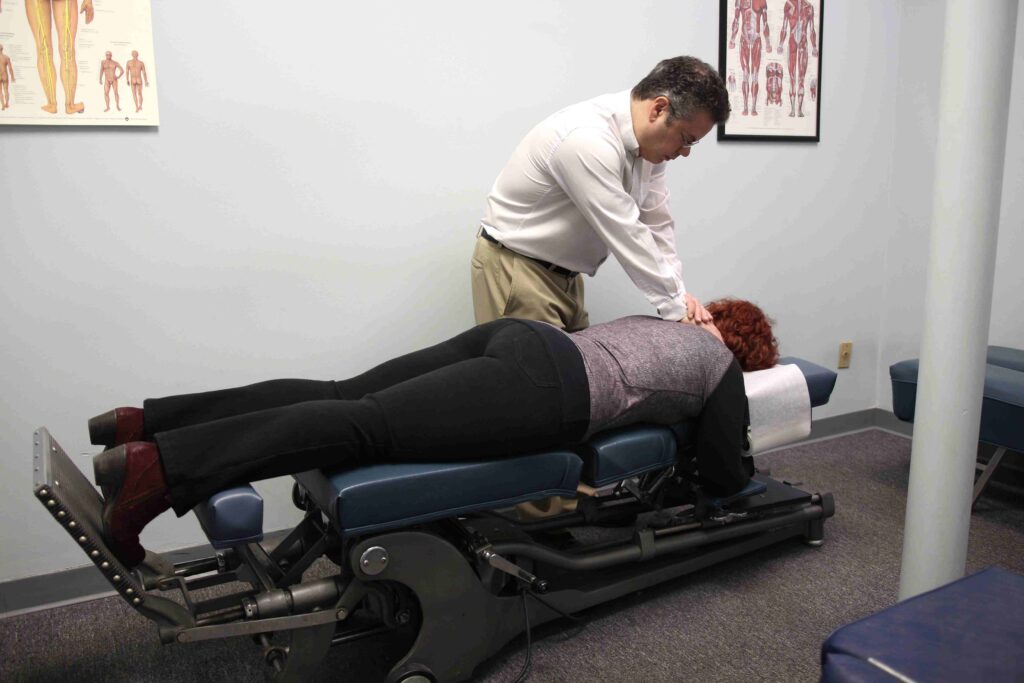
Chiropractic care is a highly effective solution for many experiencing back pain. We focus on spinal adjustments that help align your spine correctly, which can alleviate pain and enhance your mobility. In addition to adjustments, we often incorporate specific exercises and stretches designed to strengthen your back muscles, helping to prevent future injuries and improve overall function.
Another excellent option to consider is physical therapy. Working closely with a licensed physical therapist can provide you with a tailored rehabilitation program that suits your unique needs. This program typically emphasizes exercises that aim to boost strength, flexibility, and stability, allowing you to regain full function and return to the activities you love.
In certain cases, your healthcare provider may suggest medications to help manage your pain. Over-the-counter options like ibuprofen or acetaminophen can be effective in reducing inflammation and relieving discomfort. However, for more intense pain, prescription medications or muscle relaxants might be required.
For those with more persistent or chronic conditions, consulting a pain management specialist could be beneficial. They can offer advanced treatments such as corticosteroid injections or nerve blocks that target inflammation directly at the source.
Ultimately, pursuing professional treatment options can significantly accelerate your recovery and help you return to your favorite sports activities without the burden of back pain.
Holistic Approaches to Recovery
As a local chiropractor, I want to share with you the benefits of exploring holistic approaches to recovery, especially if you're dealing with sports-related back pain. These methods go beyond just addressing physical symptoms; they also consider the emotional and mental aspects of your overall well-being.
By integrating practices like yoga, meditation, and mindfulness into your routine, you can create a more comprehensive healing experience.
Yoga is a fantastic tool for managing back pain. It focuses on enhancing flexibility and strength, which is essential for maintaining proper posture and spinal alignment. Regular yoga practice can help reduce tension in your back, and even simple stretches can bring significant relief and promote relaxation.
Just remember to pay attention to your body's signals and avoid overexerting yourself.
In addition to yoga, meditation and mindfulness can be powerful allies in your recovery journey. These practices help you manage stress and anxiety, which are often contributors to chronic pain. By concentrating on your breath or visualizing a state free from pain, you can shift your mindset and create a more positive approach to coping with discomfort.
I also recommend considering natural remedies like acupuncture and massage therapy. Both modalities can improve circulation, relieve muscle tension, and enhance overall relaxation.
These treatments work well alongside your physical chiropractic care, offering deeper relief and complementing your healing journey.
Lastly, let's talk about the importance of nutrition. A balanced diet that includes anti-inflammatory foods can significantly support your recovery.
By embracing a holistic approach to your health, you empower yourself not only to heal but also to thrive, laying the groundwork for long-term back health and wellness.
If you're curious about how chiropractic care can fit into this holistic framework, don't hesitate to reach out. Together, we can create a personalized plan that addresses your unique needs and helps you achieve lasting relief.
Conclusion
As a local Chiropractor, I want to share with you some effective strategies for relieving sports-related back pain. One of the most beneficial approaches is to incorporate a combination of warm-up exercises, core strengthening, and proper body mechanics into your routine. These practices not only help alleviate pain but also prevent future injuries.
Don't overlook the power of ice and heat therapy. Applying ice can help reduce inflammation, while heat therapy promotes muscle relaxation—both are essential for your recovery. Additionally, seeking professional chiropractic care can provide significant relief. We utilize hands-on techniques to realign your spine and improve your overall function.
I also encourage exploring holistic approaches, such as yoga, which can enhance flexibility and strength. By embracing these methods, you'll not only find relief from your pain but also improve your athletic performance and overall well-being. This way, you can fully enjoy your favorite sports and stay active. Remember, taking care of your back is crucial for a healthy, active lifestyle!