
As a local chiropractor, I want to reassure you that if you're grappling with back pain, you're certainly not alone. Many individuals experience this discomfort, but the good news is that there are proven techniques that can help you achieve relief.
In our practice, we often emphasize the importance of effective stretching exercises and core-strengthening routines tailored to your specific needs. These practices can significantly improve your overall well-being and alleviate pain. Additionally, we focus on the role of posture and ergonomic adjustments, especially if you spend long hours at work. Making simple changes to your workspace can greatly enhance your comfort and support your recovery.
Moreover, while these foundational techniques are essential, we also encourage exploring a broader range of treatment options. Chiropractic care offers a holistic approach that addresses the root causes of your pain, not just the symptoms. By understanding the various natural healing methods available, we can work together to find the best path toward your recovery and long-term health.
Understanding Back Pain Causes
As your local chiropractor, I want to help you understand the various causes of back pain so you can find effective relief. One of the most common culprits is poor posture. If you spend long hours sitting at a desk or frequently hunch over your phone, the strain on your back can lead to muscle fatigue and imbalances, ultimately contributing to pain.
Another frequent cause is muscle or ligament strain. Have you recently lifted something heavy, twisted in an awkward position, or experienced a sudden fall? These actions can easily cause strains in your back muscles or ligaments, and often the pain doesn't set in until a day or two later, catching you off guard.
It's also important to consider underlying medical conditions that can contribute to back pain. Issues like herniated discs, arthritis, or spinal stenosis can cause significant discomfort and restrict your mobility. If you have a history of these conditions or are dealing with chronic pain, I encourage you to seek a proper diagnosis from a healthcare professional.
Furthermore, your lifestyle choices can significantly impact your back health. Carrying excess weight places additional stress on your spine, and a lack of regular exercise can weaken the supportive muscles around it. Don't forget about stress; it can manifest physically as tightness in your back.
At our chiropractic clinic, we focus on natural healing methods to address these issues. We can work together to improve your posture, strengthen your muscles, and alleviate pain through various chiropractic techniques tailored to your individual needs.
Effective Stretching Exercises
As a local chiropractor, I want to emphasize the importance of stretching exercises in relieving back pain and enhancing flexibility. Many of my patients find that incorporating a regular stretching routine into their lives not only alleviates tension but also improves their overall mobility.
Here are three effective stretches that specifically target key areas contributing to back pain:
- Child's Pose: Begin on your hands and knees, then gently sit back on your heels while extending your arms forward. This stretch is excellent for elongating the spine and releasing tension in the lower back, which can be particularly beneficial for those experiencing discomfort.
- Cat-Cow Stretch: Start on all fours and alternate between arching your back like a cat and dipping it while lifting your head like a cow. This dynamic movement enhances spinal flexibility and boosts circulation in your back muscles, aiding in recovery and pain relief.
- Seated Forward Bend: Sit with your legs extended straight in front of you. Slowly reach for your toes while maintaining a straight back. This stretch effectively targets your hamstrings and lower back, helping to alleviate tightness that can contribute to discomfort.
Incorporating these stretches into your daily routine can significantly improve how you feel. I recommend holding each stretch for about 20-30 seconds while practicing deep breathing to maximize the benefits.
Remember, consistency is key! Taking just a few minutes each day to stretch can lead to noticeable improvements in your back pain and overall flexibility.
If you're ever uncertain about which stretches are best for your specific situation or if you have any concerns, please don't hesitate to consult with me or another healthcare provider. Your well-being is our priority, and we're here to support your journey toward natural healing and improved health.
Strengthening Your Core
As your local chiropractor, I want to share with you an essential aspect of managing and preventing back pain—strengthening your core. Many people don't realize that your core isn't just about your abdominal muscles; it also encompasses your back, hips, and pelvis. A strong core acts as a stabilizing support system for your spine, which can significantly reduce strain on your back during everyday activities.
Let's start with some straightforward exercises that can make a difference. Planks and bridges are excellent foundational exercises. Planks engage multiple muscle groups, helping to enhance endurance in your core. I recommend aiming to hold the plank position for 30 seconds to a minute.
Bridges, on the other hand, focus on your glutes and lower back, creating a well-rounded core strength. Try to perform three sets of 10 to 15 repetitions, ensuring you maintain proper form throughout.
For a more comprehensive approach, consider incorporating exercises like bird-dogs and dead bugs into your routine. Bird-dogs are fantastic for improving balance and coordination while engaging your lower back and abdominal muscles. To perform this exercise, get on all fours and extend one arm and the opposite leg simultaneously. Hold for a few seconds before switching sides.
Meanwhile, dead bugs target your deep core muscles. Lie on your back with your arms extended towards the ceiling and your knees bent at a 90-degree angle. Slowly lower one arm and the opposite leg, then return to the starting position.
Consistency is crucial in this process. I suggest incorporating these exercises into your routine a few times a week for optimal results. As you build strength, you'll likely notice improved stability and a reduction in back pain.
Always listen to your body, and if you have any doubts about the exercises or how to perform them safely, please don't hesitate to reach out. Strengthening your core is a vital step toward achieving a healthier, pain-free back, and I'm here to guide you on this journey to better health through natural healing.
Posture Improvement Techniques
As a local chiropractor, I want to emphasize the importance of good posture in maintaining your overall health and well-being, particularly in preventing and alleviating back pain.
Many people overlook how proper alignment can significantly reduce strain on your muscles and spine, ultimately leading to less discomfort. Here are some effective posture improvement techniques that I encourage you to integrate into your daily routine:
1. Mind Your Sitting Position: When you sit, it's crucial to keep your feet flat on the floor and your knees bent at a right angle.
Choose a chair that supports your lower back, and consider using a small cushion to help maintain the natural curve of your spine. This simple adjustment can make a big difference in your comfort throughout the day.
2. Stand Tall: When standing, aim to distribute your weight evenly on both feet.
Keep your shoulders back and relaxed, avoiding the tendency to lock your knees. Engaging your core muscles is essential, as it helps support your spine and promotes an upright posture. Good standing habits can contribute greatly to your spinal health.
3. Adjust Your Workspace: If you spend long hours at a desk, it's vital to ensure your workstation is ergonomically optimized.
Your computer screen should be at eye level, and your chair should provide adequate support for your lower back. Remember to take regular breaks to stretch and reset your posture. This not only helps relieve tension but also enhances your focus and productivity.
By incorporating these techniques into your daily life, you can experience improved posture and overall well-being.
If you have any questions or would like personalized advice, feel free to reach out to me. Together, we can work towards a healthier, pain-free lifestyle!
Heat and Cold Therapy
As a local chiropractor, I want to share some important insights on how maintaining good posture can significantly enhance your experience with pain relief techniques, particularly heat and cold therapy.
These two methods can be incredibly effective in alleviating back pain, and understanding how to use them properly can greatly improve your comfort.
Let's start with heat therapy. This method is excellent for relaxing tight muscles, improving circulation, and promoting overall healing. You can utilize a heating pad, a hot water bottle, or even indulge in a warm bath.
It's crucial to ensure that the heat is at a comfortable level to avoid burns. I recommend applying heat for about 15-20 minutes at a time, allowing your body to absorb the warmth and help ease muscle tension.
Now, let's talk about cold therapy. This approach is particularly helpful for reducing inflammation and numbing sharp pain. Ice packs or cold compresses are beneficial when dealing with acute back pain or after an injury.
Always wrap ice in a cloth before applying it to your skin to protect against frostbite. Use it for 15-20 minutes to provide quick relief and help prevent swelling.
It's important to pay attention to how your body responds. Some of my patients find that they get more relief from heat, while others prefer the effects of cold therapy.
You might even consider alternating between the two methods to see what works best for you. Consistency is key—regular use of heat or cold can help manage your back pain more effectively and contribute to your overall well-being.
By incorporating these techniques into your daily routine, you can take proactive steps toward relief and recovery.
The Role of Ergonomics
As a local chiropractor dedicated to your well-being, I want to emphasize the importance of understanding ergonomics in preventing and alleviating back pain.
In our modern world, where many of us find ourselves sitting for extended periods at desks, it's crucial to create a workspace that supports your body and promotes proper posture. By incorporating ergonomic principles, you can significantly reduce the strain on your back and enhance your overall comfort.
Here are three essential ergonomic practices that I encourage you to consider:
- Chair Height and Support: It's vital that your chair provides adequate support for your lower back and allows your feet to rest flat on the ground. Adjust the height so that your knees are positioned at a 90-degree angle. A chair equipped with lumbar support can help maintain the natural curve of your spine, which is essential for spinal health.
- Monitor Position: Ensure that your computer monitor is positioned at eye level and about an arm's length away from you. This alignment prevents you from needing to crane your neck or strain your eyes. If you primarily use a laptop, consider investing in a separate keyboard and a stand to achieve the ideal ergonomic height.
- Keyboard and Mouse Placement: Keep your keyboard and mouse within easy reach to avoid unnecessary stretching. Your arms should hang relaxed at your sides, and your wrists should remain straight while typing. If needed, utilize a wrist rest to help maintain proper alignment, reducing the risk of discomfort and injury.
By adopting these ergonomic practices, you not only support your body's natural alignment but also pave the way for a healthier, pain-free lifestyle.
If you have any questions or need further assistance in optimizing your workspace, feel free to reach out to me. Your health is my priority!
Alternative Therapies to Consider
As a local chiropractor, I want to share some valuable insights into alternative therapies that can effectively manage and relieve back pain. Many of my patients have found that these methods, when combined with traditional medical treatments, create a holistic approach to wellness that promotes overall health.
One option that I often recommend is acupuncture. This ancient Chinese therapy involves the insertion of thin needles into specific points on your body. Many individuals experience significant pain relief and an improved sense of energy flow after undergoing a series of acupuncture sessions. It's a fantastic complement to chiropractic care.
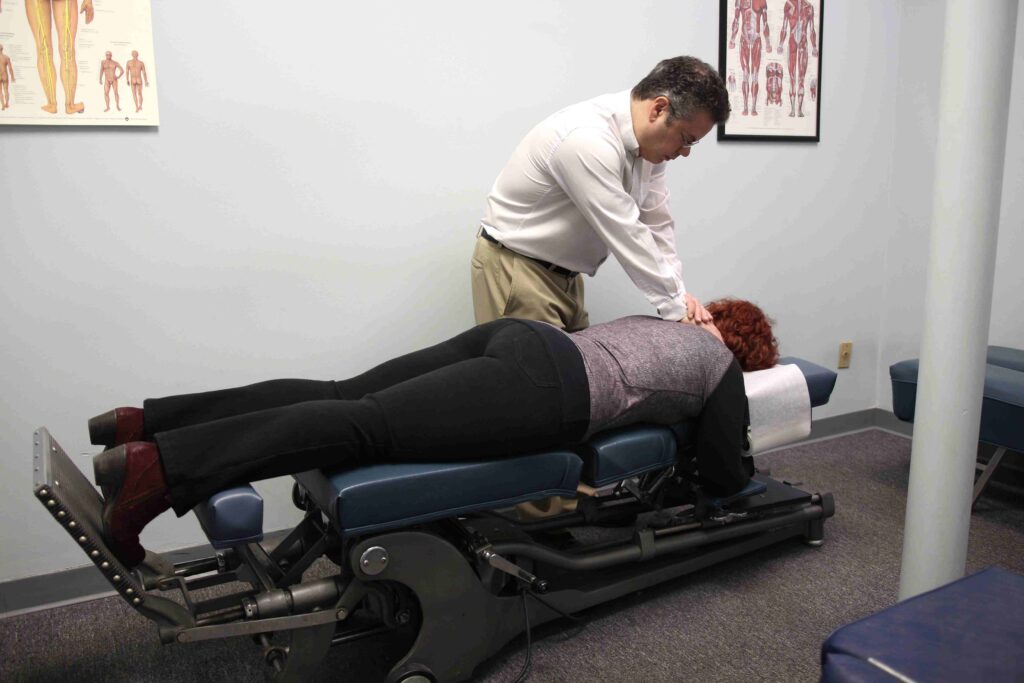
Speaking of chiropractic care, this is where my expertise lies. Chiropractic treatment focuses on hands-on spinal manipulation to align your musculoskeletal structure. By correcting misalignments in the spine, we can alleviate pain and improve function. Regular visits to a chiropractor can help maintain your spine's health and prevent future discomfort, making it an essential part of your wellness routine.
Another effective therapy to consider is massage therapy. It works wonders in relaxing tight muscles, enhancing circulation, and improving flexibility. Whether you prefer deep tissue, sports, or Swedish massage, the right technique can target those specific areas of tension in your back, providing you with much-needed relief.
Herbal remedies and supplements can also play a role in managing back pain. For instance, curcumin, which is found in turmeric, and omega-3 fatty acids have anti-inflammatory properties. Valerian root may help relax your muscles. However, I always advise my patients to consult with their healthcare provider before starting any new supplement regimen to ensure safety and effectiveness.
Lastly, incorporating mindfulness practices such as yoga and meditation into your routine can significantly aid in pain management. These techniques not only foster relaxation but also enhance your body's response to pain, contributing to your overall mental and emotional well-being.
As your chiropractor, I'm here to help you explore these alternative therapies and develop a personalized plan that works for you. Together, we can find the best approach to manage your back pain and improve your quality of life.
Lifestyle Changes for Relief
As a local chiropractor, I want to share some valuable insights on how lifestyle changes can significantly alleviate your back pain. Many patients are unaware that simple adjustments in your daily routine can create a supportive environment for your spine.
Incorporating regular exercise into your life is essential. Aim for activities that strengthen your core muscles, as a strong core provides better support for your spine. Additionally, maintaining proper posture throughout your day can prevent strain on your back. Be mindful of how you sit, stand, and move, as these habits play a crucial role in your spinal health.
Another key aspect is to set up an ergonomic workspace. Whether you work from home or in an office, ensuring that your desk and chair promote good posture can make a world of difference. This means adjusting your chair height, keeping your computer screen at eye level, and using supportive seating.
Exercise Regularly
As a local chiropractor, I want to emphasize the importance of regular exercise in managing and relieving back pain. Incorporating movement into your daily routine can significantly strengthen the muscles that support your spine, improve your flexibility, and enhance your overall well-being.
Here are three essential exercises I recommend for my patients:
- Walking: This is one of the simplest yet most effective ways to get your body moving without putting too much strain on your back. I suggest aiming for 20 to 30 minutes of walking each day. Start at a pace that feels comfortable for you and gradually increase your speed as your body adapts.
- Stretching: Gentle stretching is crucial for alleviating tension in your back, hips, and legs. I often recommend stretches such as the cat-cow and child's pose. These poses can help improve your mobility and relieve any tightness you may be experiencing.
- Strength Training: Engaging in low-impact strength training exercises, like bodyweight squats and resistance band routines, is vital for building core strength. A strong core is essential for supporting your back and preventing pain in the long run.
By incorporating these exercises into your routine, you can take proactive steps towards better spinal health and overall well-being.
Maintain Proper Posture
As a local chiropractor, I want to emphasize the importance of maintaining proper posture for the prevention and alleviation of back pain. Many people may not realize how crucial body alignment is when it comes to reducing strain on your muscles and spine. I encourage you to be mindful of your posture throughout the day, whether you're sitting, standing, or moving.
When sitting, ensure your feet are flat on the floor and that your back is straight against the chair. It's essential to avoid slouching or leaning forward, as these habits can place unnecessary pressure on your back and lead to discomfort.
While standing, aim to distribute your weight evenly across both feet and engage your core muscles. This small adjustment can significantly reduce tension in your back. If you need to lift something, remember to bend your knees and keep your back straight, lifting with your legs rather than your back.
To help you stay aware of your posture, consider setting reminders throughout the day. Alarms on your phone or sticky notes in your workspace can serve as helpful cues to check your body alignment.
Remember, maintaining proper posture extends beyond just sitting or standing; it's about being aware of your body mechanics during all your daily activities. By making these simple adjustments, you can experience considerable improvements in back pain relief and overall comfort.
If you have any questions about how chiropractic care can assist you in achieving better posture and health, please don't hesitate to reach out.
Ergonomic Workspace Setup
As a local chiropractor, I want to emphasize the importance of creating an ergonomic workspace to enhance your comfort and alleviate back pain, especially during those long hours of sitting or working.
By making a few simple adjustments to your environment, you can foster better posture and reduce strain on your back, leading to improved overall health.
Here are three essential tips I recommend for setting up your workspace:
1. Chair Height and Support: It's crucial that your chair is set at the right height, allowing your feet to rest flat on the ground while keeping your knees at a 90-degree angle.
Opt for a chair that provides lumbar support, as this will help maintain the natural curve of your spine and prevent discomfort.
2. Monitor Position: Position your computer screen at eye level, approximately an arm's length away.
This setup encourages you to sit upright, avoiding the tendency to lean forward or look down, which can place unnecessary strain on your neck and back.
3. Keyboard and Mouse Placement: Place your keyboard and mouse within easy reach to minimize stretching.
Your elbows should remain at a 90-degree angle, and ensure that your wrists are straight while typing. This helps to reduce tension and promote better hand and arm positioning.
By following these guidelines, you can create a workspace that not only enhances your productivity but also supports your spinal health.
Conclusion
As your local chiropractor, I want to share some proven techniques that can significantly alleviate your back pain and enhance your overall well-being. Understanding the underlying causes of your discomfort is the first step toward recovery. By incorporating effective stretches and core-strengthening exercises into your routine, you can help support your spine and improve your mobility.
Additionally, focusing on proper posture and ergonomics in your daily activities is crucial in preventing further strain on your back. I also encourage you to consider the benefits of heat and cold therapy, which can provide immediate relief and aid in your healing process.
Moreover, adopting certain lifestyle changes can greatly contribute to your recovery journey. With dedication and consistency, you can reclaim your comfort and enjoy a more active, pain-free life. Remember, I'm here to guide you through these techniques and support you on your path to better health.