
If you're dealing with neck pain, you might be wondering about effective natural relief options available to you. In the next 30 days, you can implement simple lifestyle changes, such as adjusting your posture and incorporating specific exercises, to greatly reduce discomfort. You'll also want to explore various therapies that can enhance your overall well-being. But before you jump into a routine, it's important to understand the underlying causes of your pain and how they relate to your daily habits. Let's uncover what you need to know to start your journey toward relief.
Understanding Neck Pain
Neck pain can be a frustrating and limiting experience that affects your daily life. It can interfere with your ability to work, exercise, or even enjoy simple activities like reading or watching TV. Understanding neck pain is the first step toward finding relief.
You might notice that neck pain can vary in intensity and duration. It can range from a dull ache to sharp, debilitating discomfort. This pain often stems from muscle strain, poor posture, or even stress. If you spend long hours hunched over a computer or looking down at your phone, you're likely to experience tension in your neck.
This tension can lead to muscle tightness, stiffness, and headaches.
Another essential aspect of understanding neck pain is recognizing how it can impact your overall well-being. When you're in pain, your mood may suffer, and your productivity could decrease. You may find it harder to concentrate or feel fatigued.
It's important to pay attention to your body and identify any patterns related to your neck pain.
Causes of Neck Pain
Neck pain often stems from poor posture habits, especially when you're hunched over a screen for long periods.
Muscle strain can also contribute, whether from lifting heavy objects or sleeping in an awkward position.
Understanding these causes is the first step toward finding relief.
Poor Posture Habits
Slouching over your phone or hunching at your desk can really take a toll on your neck. When you constantly lean forward or round your shoulders, you strain the muscles and ligaments in your neck, leading to discomfort and pain.
Poor posture creates an imbalance, causing your neck to work harder to support your head, which weighs around 10 to 12 pounds.
You mightn't realize it, but those hours spent with your head tilted down while scrolling through social media or typing away on your laptop can set the stage for chronic neck pain. The longer you maintain these positions, the more your body adapts to them, making it tough to correct without conscious effort.
To combat this, be mindful of your alignment. Keep your screen at eye level and your shoulders relaxed.
Take regular breaks to stretch and reset your posture. Incorporating simple exercises can strengthen your neck and upper back, helping to reverse the damage caused by poor habits.
Muscle Strain Factors
Poor posture isn't the only culprit behind neck pain; muscle strain can also play a significant role.
You may not realize it, but everyday activities can lead to muscle strain in your neck. When your muscles are overworked or overstretched, they can become tight and painful. Recognizing the factors that contribute to this strain can help you address and alleviate your discomfort.
Here are some common causes of muscle strain in the neck:
- Poor ergonomics: Working at a desk without proper support can strain your neck.
- Sudden movements: Whiplash from a car accident or abrupt motions can lead to muscle strain.
- Heavy lifting: Incorrectly lifting objects can put undue stress on your neck muscles.
- Sleep position: Sleeping with your neck at an awkward angle can cause tightness.
- Stress: Tension from stress can lead to muscle tightness and discomfort in your neck.
Importance of Posture
Maintaining good posture is essential for preventing neck pain and promoting overall spinal health. When you sit or stand up straight, your spine aligns properly, reducing the strain on your neck muscles and ligaments. You mightn't realize it, but poor posture can lead to muscle imbalances and discomfort over time.
If you often find yourself slouching or craning your neck forward, you're putting unnecessary pressure on your cervical spine. This pressure can cause fatigue and pain, making it harder to focus on your daily activities. By being mindful of your posture, you can alleviate some of that tension.
You can start by regularly checking in with your body throughout the day. When you're sitting, keep your back straight, shoulders relaxed, and feet flat on the floor. When standing, distribute your weight evenly between both feet and avoid locking your knees. These small adjustments can make a big difference in how you feel.
Another helpful tip is to take frequent breaks, especially if you're engaged in activities that require prolonged sitting. Stand up, stretch, and move around to give your muscles a chance to recover.
Incorporating simple exercises that strengthen your core and back can also support better posture.
Ergonomic Workstation Setup
Creating an ergonomic workstation can greatly enhance your posture and reduce neck pain. When you set up your workspace correctly, you encourage a more natural alignment of your body, which can help alleviate discomfort over time.
Here are some key elements to contemplate for your ergonomic setup:
- Monitor Height: Your screen should be at eye level, so you don't have to tilt your head up or down. This keeps your neck in a neutral position.
- Chair Support: Use a chair that supports your lower back. An adjustable chair allows you to find the perfect height to keep your feet flat on the ground and your knees at a 90-degree angle.
- Keyboard and Mouse Position: Keep your keyboard and mouse close enough to avoid reaching. Your elbows should be close to your body, forming a 90-degree angle to minimize strain.
- Desk Height: Your desk should be at a height that allows your arms to rest comfortably while typing. If it's too high or low, it can lead to awkward angles that stress your neck.
- Footrest: If your feet don't reach the floor, contemplate using a footrest to keep your feet supported. This can help align your spine and reduce pressure on your lower back.
Stretching Exercises
Incorporating stretching exercises into your daily routine can considerably help ease neck pain and improve flexibility. Regular stretching can relieve tension, enhance circulation, and contribute to better posture, all of which are essential for neck health. Here are a few effective stretches you can try.
First, try the neck tilt. Sit or stand comfortably, then gently tilt your head towards one shoulder. Hold this position for about 15-30 seconds, feeling the stretch along the opposite side of your neck. Switch sides and repeat. This exercise can alleviate tightness and improve range of motion.
Next, perform the chin tuck. Sit up straight and pull your chin towards your chest, keeping your back straight. Hold for 5 seconds, then return to the starting position. This stretch helps strengthen the neck muscles and counteracts forward head posture.
Another great option is the upper trapezius stretch. Sit or stand, and reach your right arm behind your back. With your left hand, gently pull your head towards your left shoulder. Hold for 15-30 seconds, and then switch sides. This stretch targets the trapezius muscles, which often harbor tension.
Lastly, the shoulder rolls can help relieve tightness as well. Sit or stand tall and roll your shoulders forward in a circular motion for 10 repetitions, then reverse the direction.
These stretches are simple yet effective, and you can do them throughout the day to maintain neck flexibility and reduce pain. Remember to listen to your body and avoid any movements that cause discomfort.
Strengthening Neck Muscles
To effectively relieve neck pain, strengthening your neck muscles is essential.
Incorporating targeted neck exercises and posture improvement techniques can make a significant difference in your overall comfort.
Effective Neck Exercises
Many people find that strengthening their neck muscles can greatly alleviate pain and improve overall function.
By incorporating effective neck exercises into your routine, you can build resilience and reduce discomfort. Here are some simple exercises to get you started:
- Neck Tilts: Gently tilt your head toward each shoulder, holding for a few seconds on each side. This stretches and strengthens the muscles.
- Chin Tucks: Sit or stand straight, tuck your chin in toward your neck, and hold for a few seconds. This helps improve neck alignment.
- Shoulder Shrugs: Raise your shoulders toward your ears, hold for a moment, then release. This exercise works the upper neck and shoulders.
- Neck Rotations: Slowly turn your head from side to side, ensuring you feel a gentle stretch. This increases flexibility and mobility.
- Resistance Exercises: Place your hand against your forehead and push your head forward, resisting the motion. This builds strength in your neck.
Regularly practicing these exercises can help you develop stronger neck muscles, leading to reduced pain and improved overall mobility.
Posture Improvement Techniques
Improving your posture is essential for maintaining a healthy neck and reducing pain. When you slouch or hunch over, you put extra strain on your neck muscles, leading to discomfort. To strengthen these muscles, start by being mindful of your posture throughout the day. Keep your ears aligned with your shoulders and your shoulders relaxed.
Incorporate specific exercises into your routine to enhance neck strength. Try neck stretches by gently tilting your head side to side, holding each stretch for about 15 seconds. This will help increase flexibility and relieve tension. Additionally, perform chin tucks: pull your chin in towards your neck while keeping your shoulders still. Hold for five seconds, repeating this ten times.
Consider using ergonomic furniture that encourages good posture, like an adjustable chair or a standing desk. When sitting, make sure your feet are flat on the ground and your screen's at eye level.
It's also beneficial to take regular breaks from screens, allowing your neck muscles to relax. By consistently applying these posture improvement techniques, you'll not only strengthen your neck muscles but also greatly reduce pain, leading to greater comfort in your daily life.
Yoga for Neck Relief
Relief from neck pain often feels elusive, but yoga offers a path toward both relaxation and healing. By incorporating specific poses and techniques into your routine, you can alleviate discomfort and improve flexibility.
The beauty of yoga lies in its gentle approach, allowing you to connect your mind and body while focusing on your breath.
Here are some effective yoga poses for neck relief:
- Child's Pose: This restorative pose stretches the spine and relaxes the neck. It's a great way to begin or end your practice.
- Cat-Cow Stretch: Flowing between these two poses warms up the spine and helps release tension in the neck and shoulders.
- Thread the Needle: This pose opens the shoulders and stretches the neck, making it a fantastic way to relieve tightness.
- Seated Neck Stretch: Sitting comfortably, you can gently tilt your head from side to side, feeling the stretch along the sides of your neck.
- Reclining Bound Angle Pose: This restorative position helps open the chest and relaxes the neck, promoting a sense of calm.
Incorporating these poses into your daily routine can lead to noticeable improvements in your neck pain.
Remember to listen to your body and ease into each pose. Regular practice not only helps in relieving pain but also enhances your overall wellness.
Give yoga a try, and you may find that the path to relief is more accessible than you thought!
Importance of Hydration
Staying hydrated is essential for your body's healing process, especially when you're dealing with neck pain.
Drinking enough water helps maintain the elasticity of your muscles and tissues, which can ease discomfort.
Make sure you're aware of your daily water intake needs to support your recovery effectively.
Hydration's Role in Healing
When it comes to healing, hydration plays an essential role that's often overlooked. Staying properly hydrated can greatly impact your recovery process, especially when dealing with neck pain.
Water helps transport nutrients, flush out toxins, and cushion your joints and muscles, all of which are critical for healing.
Here are some key benefits of staying hydrated:
- Reduces inflammation: Proper hydration can help decrease inflammation in your neck, easing pain and discomfort.
- Improves circulation: Good blood flow is important for delivering oxygen and nutrients to damaged tissues, speeding up recovery.
- Enhances flexibility: Staying hydrated keeps your muscles and connective tissues supple, which can reduce stiffness and tension in your neck.
- Aids in detoxification: Drinking enough water helps your body eliminate waste products, which can support overall healing.
- Boosts energy levels: Staying hydrated can help combat fatigue, allowing you to stay active and engaged in your recovery process.
Water Intake Recommendations
Proper hydration is essential for your overall health and can greatly enhance your recovery from neck pain. When you're well-hydrated, your body can function efficiently, supporting healing processes and reducing inflammation. To guarantee you're drinking enough water, aim for at least 8 to 10 cups (64 to 80 ounces) a day, adjusting based on your activity level and climate.
Pay attention to your body's signals; if you're feeling thirsty, that's a clear sign you need more fluids. Additionally, factors like exercise, high temperatures, and even your diet can impact your hydration needs. If you consume caffeine or alcohol, consider increasing your water intake, as these can lead to dehydration.
You can also incorporate hydrating foods into your diet, such as fruits and vegetables like cucumbers, oranges, and watermelon. Keep a reusable water bottle with you throughout the day to make it easier to track your intake.
Anti-inflammatory Diet
Adopting an anti-inflammatory diet can greatly ease neck pain and promote overall wellness. By incorporating specific foods into your meals, you can help reduce inflammation in your body, which often contributes to chronic pain. This diet primarily focuses on whole, unprocessed foods that are rich in antioxidants, vitamins, and minerals.
Here's how you can get started:
- Fruits and vegetables: Aim for a colorful variety, like berries, leafy greens, and cruciferous vegetables. They're packed with antioxidants that combat inflammation.
- Whole grains: Choose brown rice, quinoa, and whole-wheat bread. These grains are high in fiber and help maintain balanced blood sugar levels.
- Healthy fats: Incorporate sources like olive oil, avocados, and nuts. These fats are essential for reducing inflammation and supporting overall health.
- Lean proteins: Opt for skinless poultry, fish, and plant-based proteins like beans and lentils. They provide essential amino acids without the added saturated fats.
- Spices and herbs: Add turmeric, ginger, and garlic to your dishes. These ingredients are known for their anti-inflammatory properties and can enhance the flavor of your meals.
As you shift to this diet, focus on making gradual changes. Start by incorporating one or two of these food groups into your daily meals.
Over time, you'll likely notice a reduction in neck pain and an overall improvement in your well-being. Remember, consistency is key, and small changes can lead to significant results!
Omega-3 Fatty Acids
Incorporating omega-3 fatty acids into your diet can greatly alleviate neck pain and promote joint health. These essential fats, primarily found in fish like salmon, mackerel, and sardines, are known for their powerful anti-inflammatory properties. By reducing inflammation in your body, omega-3s help soothe the discomfort often associated with neck pain.
You don't have to rely solely on fish to get your omega-3s. Flaxseeds, chia seeds, and walnuts are excellent plant-based sources that can easily fit into your meals. Consider adding ground flaxseed to your smoothies or oatmeal, or sprinkle chia seeds on your salads.
You can also opt for high-quality omega-3 supplements, but it's always best to consult with your healthcare provider before starting any new supplement regimen.
In addition to providing relief from pain, omega-3 fatty acids support overall joint health. They contribute to the lubrication of joints, which can enhance your mobility and reduce stiffness. This is particularly beneficial if you spend long hours sitting, as poor posture can exacerbate neck pain.
To effectively incorporate omega-3s into your routine, aim for at least two servings of fatty fish per week or a daily intake of plant-based sources.
You'll likely notice improvements in your neck pain and overall well-being within a month. Remember, small dietary adjustments can lead to significant health benefits, so start making these changes today to experience the positive effects of omega-3 fatty acids.
Herbal Remedies
When it comes to finding relief from neck pain, herbal remedies can be a powerful ally. Many herbs have natural anti-inflammatory and analgesic properties that can help soothe your discomfort. Incorporating these remedies into your daily routine might just provide the relief you're looking for without the need for pharmaceuticals.
Here are five herbal remedies worth considering:
- Turmeric: Known for its active compound curcumin, turmeric has strong anti-inflammatory properties. You can add it to your meals or take it as a supplement.
- Ginger: This root has been used for centuries to reduce pain and inflammation. Try ginger tea or incorporate fresh ginger into your cooking.
- Willow Bark: Often referred to as "nature's aspirin," willow bark can help alleviate pain. It's available in teas, capsules, or tinctures.
- Boswellia: This herb comes from the resin of the Boswellia tree and has been shown to reduce inflammation in joints and muscles. Look for it in capsules or extracts.
- Devil's Claw: This South African herb has been traditionally used to treat pain and inflammation. It's available in tinctures, capsules, or teas.
Before you start any herbal remedy, it's wise to consult with a healthcare professional, especially if you're on other medications.
These natural options could be just what you need to ease your neck pain and get back to your daily activities feeling more comfortable.
Essential Oils
Essential oils can be a game changer for relieving neck pain. They're natural remedies that not only smell great but also offer therapeutic benefits. Incorporating essential oils into your routine can help alleviate discomfort and promote relaxation.
To get started, consider using oils like lavender, peppermint, or eucalyptus. Lavender oil is known for its calming properties, which can ease muscle tension and stress. You can apply a few drops to your neck and shoulders, or use it in a diffuser to create a soothing atmosphere.
Peppermint oil, on the other hand, contains menthol, which provides a cooling sensation that can relieve pain and reduce inflammation. Mix a few drops with a carrier oil, like coconut or almond oil, and gently massage it into your neck. This can help improve blood circulation and promote healing.
Eucalyptus oil is another excellent choice, as it can help reduce muscle stiffness and improve flexibility. Similar to peppermint, you should dilute eucalyptus oil with a carrier oil before applying it to the affected area.
For maximum effectiveness, you can also combine these oils. Create a custom blend that suits your preferences and needs. You might want to try a few combinations to find what works best for you.
Just remember to patch test any new oil to ascertain you don't have a reaction. With consistent use, essential oils can provide significant relief from neck pain, helping you feel more comfortable and relaxed.
Heat Therapy
To relieve neck pain effectively, heat therapy can be an excellent option. This method helps relax tight muscles, improve circulation, and alleviate discomfort. Whether you choose a heating pad, warm towel, or a hot shower, applying heat can provide significant relief.
Here are some ways you can incorporate heat therapy into your daily routine:
- Heating Pad: Use a microwaveable heating pad for targeted relief. Just be sure to follow the instructions for safe use.
- Warm Towel: Soak a towel in hot water, wring it out, and wrap it around your neck for soothing warmth.
- Hot Shower: Stand under a warm shower, allowing the water to massage your neck and shoulders. It's a great way to unwind, too!
- Warm Compress: Create a warm compress with rice or barley in a sock. Heat it in the microwave for a few seconds, and place it on the painful area.
- Epsom Salt Bath: Soak in a warm bath with Epsom salts. This not only relaxes your muscles but also provides a calming effect on your mind.
When using heat therapy, make sure to apply it for about 15-20 minutes at a time. Always check the temperature to avoid burns.
You can repeat this process several times a day, as needed. By incorporating heat therapy into your routine, you'll find greater comfort and may even speed up your recovery.
Cold Therapy
Cold therapy can be a game changer for relieving neck pain, offering benefits like reduced inflammation and numbed discomfort.
You can easily apply cold packs or ice wrapped in a cloth to your neck, but it's important to follow safe techniques to avoid skin damage.
Let's explore how to use cold therapy effectively and what precautions you should consider.
Benefits of Cold Therapy
Many people find relief from neck pain through cold therapy, which can significantly reduce inflammation and numb sharp discomfort.
When you apply cold to your neck, it constricts blood vessels, which helps diminish swelling and alleviate pain. This method can be especially useful after an injury or during flare-ups of chronic pain.
Here are some benefits you might experience with cold therapy:
- Reduces Inflammation: Ice helps decrease swelling, making it easier to move without pain.
- Numbs Pain: The cold sensation can mask sharp aches, providing immediate relief.
- Improves Recovery: Using cold therapy post-exercise can speed up healing by minimizing muscle soreness.
- Non-Invasive: It's a simple and cost-effective method that doesn't require medications or special equipment.
- Easy to Use: You can apply cold packs, ice wrapped in a towel, or even frozen peas right from your freezer.
Application Techniques Explained
Understanding the best ways to apply cold therapy can make a significant difference in managing your neck pain effectively. Start by gathering your materials. You'll need ice packs, a bag of frozen vegetables, or even a wet towel chilled in the freezer.
When you're ready, find a comfortable position. Apply the cold pack directly to the painful area of your neck, ensuring it covers the entire affected region. It's essential to limit direct skin contact, so wrap the ice pack in a thin towel or cloth. This prevents frostbite and protects your skin.
Keep the cold pack on for about 15 to 20 minutes at a time. If you feel any discomfort, remove it immediately. After the first application, you can repeat this process every hour as needed for the first 48 hours following an injury or flare-up.
Remember to monitor how your neck feels during and after treatment. Cold therapy can reduce inflammation and numb pain, allowing you to move more freely.
Incorporating this technique into your routine can provide significant relief, helping you regain comfort and mobility in your daily activities.
Precautions and Considerations
When using cold therapy for neck pain, it's crucial to take certain precautions to avoid complications. While cold packs can provide relief, improper use can lead to further discomfort or injury.
Here are some key considerations to keep in mind:
- Limit application time: Stick to 15-20 minutes at a time to prevent skin damage or frostbite.
- Use a barrier: Always place a cloth or towel between the cold pack and your skin to avoid direct contact.
- Watch for reactions: If you experience excessive numbness, tingling, or increased pain, remove the cold pack immediately.
- Don't use on open wounds: Avoid applying cold therapy to areas with cuts, abrasions, or infections to prevent worsening the injury.
- Consult a professional: If you're unsure about your neck pain's cause or how to use cold therapy effectively, reach out to a healthcare provider for guidance.
Massage Techniques
Relief from neck pain often hinges on effective massage techniques that target muscle tension and promote relaxation. You can start by using your fingers to apply gentle pressure along the sides and back of your neck. This simple technique helps to warm up the muscles, making them more receptive to deeper work.
Next, try kneading with your thumbs. Press your thumbs into the muscle tissue, moving in circular motions. This technique can help release knots and tight areas that contribute to discomfort. If you find a particularly tender spot, hold the pressure there for a few seconds to encourage the muscle to relax.
You might also benefit from using long, sweeping strokes. With your palm or forearm, glide along the neck and upper shoulders. This not only promotes circulation but also helps to soothe the overall area. Remember to breathe deeply while you massage, as this will enhance relaxation and improve the effectiveness of your technique.
If you have a partner or a friend who can help, consider asking them to use their elbows or forearms for deeper pressure. You can guide them on where you feel the most tension.
Finally, don't forget to stretch after your massage. Gentle neck rolls and side stretches can further enhance your relief and maintain flexibility.
Incorporating these massage techniques can greatly alleviate neck pain and improve your overall well-being. Make it a regular part of your routine, and you'll likely notice a difference in how your neck feels day to day.
Acupuncture Benefits
In addition to massage techniques, acupuncture offers a powerful approach to alleviating neck pain. This ancient practice involves inserting thin needles into specific points on your body, promoting energy flow and healing.
If you're considering acupuncture, you might be curious about its benefits. Here are some reasons why it could be a great choice for your neck pain:
- Pain Relief: Many people report a significant reduction in neck pain after just a few sessions. Acupuncture stimulates the release of endorphins, your body's natural painkillers.
- Reduced Inflammation: Acupuncture can help decrease inflammation in the neck muscles, which may lead to improved mobility and a decrease in discomfort.
- Improved Circulation: The insertion of needles increases blood flow to the affected areas, bringing essential nutrients and oxygen, which can speed up the healing process.
- Stress Reduction: Neck pain often has a psychological component. Acupuncture promotes relaxation, helping to reduce stress and tension that may contribute to your discomfort.
- Thorough Approach: Acupuncture treats not just the symptoms but also the underlying issues, providing a more extensive solution to your neck pain.
Chiropractic Care
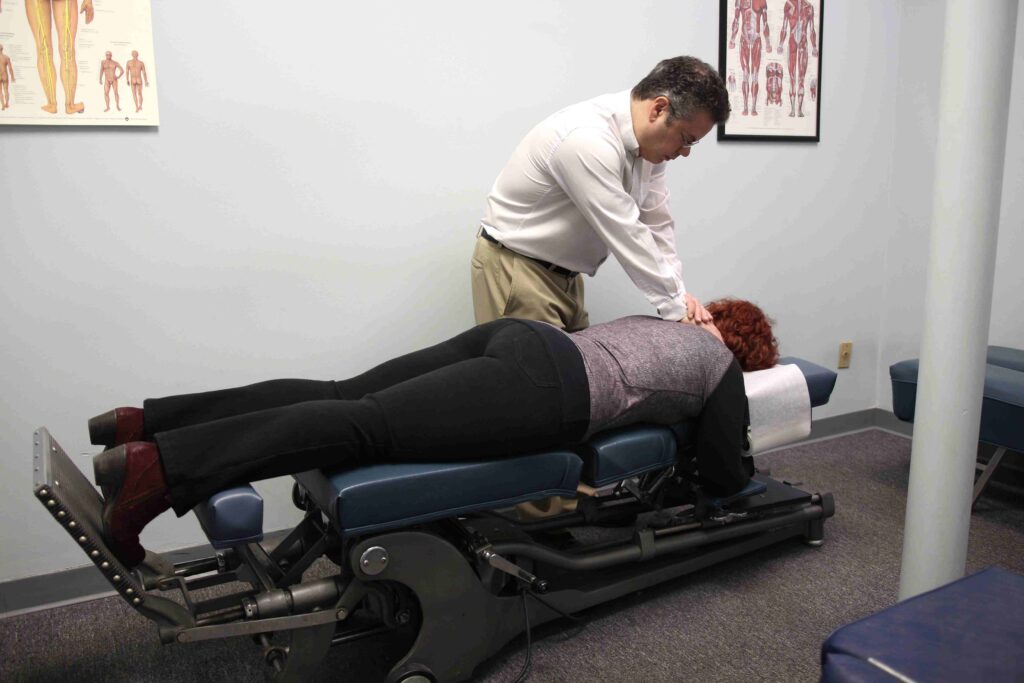
Chiropractic care can effectively tackle neck pain by addressing misalignments in the spine and improving overall function. When you visit a chiropractor, they'll assess your posture, movement, and spinal alignment. This thorough evaluation helps them identify the root cause of your discomfort.
By utilizing hands-on techniques, chiropractors can perform adjustments that restore proper alignment, which can lead to reduced pain and improved mobility. You might wonder how these adjustments work. When your spine is misaligned, it can put pressure on nerves and muscles, leading to pain and stiffness. Chiropractic adjustments help relieve this pressure, promoting better communication between your brain and body. As a result, you may experience a noticeable reduction in neck pain and tension.
In addition to spinal adjustments, chiropractors often incorporate other treatment methods, such as soft tissue therapy and exercises. These complementary approaches can enhance your recovery and help strengthen the muscles supporting your neck. Your chiropractor may provide guidance on stretches and exercises you can do at home to prevent future issues.
It's important to note that chiropractic care is generally safe for most people. However, it's always a good idea to consult your healthcare provider before starting any new treatment. If you're looking for a natural way to relieve neck pain, chiropractic care could be a valuable option. By addressing the underlying causes of your discomfort, you can work towards a pain-free life.
Mindfulness Meditation
Mindfulness meditation can be a powerful tool for relieving neck pain and reducing stress.
By practicing daily techniques, you can enhance your well-being and incorporate meditation seamlessly into your routine.
Let's explore the benefits and simple ways to get started.
Benefits of Mindfulness Meditation
While you may not realize it, practicing mindfulness meditation can greatly alleviate neck pain by promoting relaxation and reducing stress.
When you focus on the present moment, you're less likely to dwell on discomfort or tension in your neck. This mental shift can lead to significant physical relief.
Here are some benefits of incorporating mindfulness meditation into your daily routine:
- Enhanced relaxation: It helps calm your mind and body, reducing muscle tension.
- Improved body awareness: You learn to recognize stress signals and respond to them before they escalate.
- Increased pain tolerance: Mindfulness can change your perception of pain, making it more manageable.
- Better sleep quality: Regular practice can improve your sleep patterns, allowing your body to recover from daily strain.
- Reduced anxiety: Lower anxiety levels can lead to decreased muscle tension in your neck.
Techniques to Practice Daily
To integrate mindfulness meditation into your daily routine, start by setting aside just a few minutes each day for practice.
Find a quiet spot where you won't be disturbed. Sit comfortably, allowing your body to relax while keeping your spine straight. Close your eyes and take a few deep breaths to center yourself.
Focus on your breath. Inhale deeply through your nose, feeling your chest and abdomen expand, then exhale slowly through your mouth. If your mind starts to wander, gently guide your attention back to your breathing. This simple act can help you tune into the present moment and release tension in your neck.
Consider using guided meditation apps or videos to help you get started. They can provide structure and ease any uncertainty. You might also try incorporating mindfulness into daily activities—like eating or walking—by paying attention to the sensations involved.
Finally, consistency is key. Aim to practice daily, gradually increasing your meditation time as you become more comfortable.
Incorporating Meditation Into Routine
Integrating mindfulness meditation into your daily routine can greatly enhance your overall well-being. This practice not only helps alleviate neck pain but also promotes relaxation and mental clarity.
By dedicating just a few minutes each day, you can cultivate a deeper sense of awareness and reduce stress, which often contributes to physical discomfort.
To get started, consider these simple tips to make meditation a part of your life:
- Set a specific time: Choose a consistent time each day to meditate, making it a non-negotiable part of your routine.
- Create a designated space: Find a quiet area where you can sit comfortably and minimize distractions.
- Start small: Begin with just five minutes a day, gradually increasing the duration as you become more comfortable.
- Focus on your breath: Concentrate on your breathing to anchor your mind and bring awareness to the present moment.
- Be patient with yourself: It's normal for thoughts to wander. Gently guide your attention back to your breath without judgment.
Breathing Exercises
Breathing exercises can be an effective way to alleviate neck pain and promote relaxation. By focusing on your breath, you can reduce muscle tension and improve blood flow, which helps ease discomfort in your neck. Here's how to get started.
First, find a comfortable position—either sitting or lying down. Close your eyes if you feel comfortable doing so, and take a moment to notice your natural breathing pattern.
Once you're aware of your breath, begin to inhale deeply through your nose, allowing your abdomen to expand. Count to four as you breathe in, feeling your body fill with air.
Hold this breath for a count of four, then slowly exhale through your mouth for a count of six. Make sure to release all the air from your lungs.
Repeat this cycle for about five to ten minutes. As you breathe, pay attention to any areas of tension in your neck and shoulders. With each exhale, visualize those tensions melting away.
You can also try adding a gentle neck stretch while you breathe. As you inhale, gently tilt your head to one side, and as you exhale, return to the center. Alternate sides, synchronizing your movements with your breath.
Practicing these breathing exercises daily can help you find relief from neck pain and encourage a sense of calm.
Quality Sleep Practices
Getting quality sleep is essential for managing neck pain and promoting overall well-being. When you're well-rested, your body has the chance to recover and heal, reducing discomfort and stiffness in your neck.
To improve your sleep quality, consider these practical practices:
- Choose the right pillow: Opt for a pillow that supports your neck's natural curve. A medium-firm pillow is often best, but personal preference matters.
- Sleep on your back or side: These positions promote proper spinal alignment. If you sleep on your stomach, you may strain your neck, leading to pain.
- Establish a bedtime routine: Consistency is key. Wind down each night by engaging in calming activities, like reading or taking a warm bath, to signal your body it's time to sleep.
- Limit screen time before bed: The blue light emitted by screens can interfere with your circadian rhythm. Aim to unplug at least an hour before going to sleep.
- Create a comfortable sleep environment: Guarantee your bedroom is dark, quiet, and cool. Consider using blackout curtains and a white noise machine to enhance your sleep setting.
Stress Management
Managing stress is essential for alleviating neck pain, as tension often accumulates in this area during stressful times. When you're under pressure, your muscles tighten, leading to discomfort and pain. To tackle this, it's vital to incorporate effective stress management techniques into your daily routine.
Start by identifying your stress triggers. Once you know what causes your stress, you can take proactive steps to mitigate its effects.
Practice mindfulness or meditation; even just a few minutes a day can help center your thoughts and reduce muscle tension. Deep breathing exercises can also be beneficial. Inhale deeply through your nose, hold for a few seconds, and then exhale slowly through your mouth. This simple practice can help lower your heart rate and relax your muscles.
Consider journaling as a way to process your thoughts and feelings. Writing down your worries can provide clarity and help you let go of negativity.
If possible, set aside time each day for activities you enjoy. Engaging in hobbies or spending time with loved ones can greatly lighten your emotional load.
Lastly, don't underestimate the power of laughter. It's a great stress reliever that can help you feel more relaxed. Watch a funny show or share jokes with friends.
Regular Physical Activity
Incorporating regular physical activity into your routine can greatly enhance your neck pain relief efforts. When you engage in consistent movement, you improve blood flow, strengthen muscles, and increase flexibility, all of which are essential for alleviating neck discomfort.
You don't need to join a gym or follow an intense workout regimen; even simple activities can make a significant difference.
Here are some easy ways to get started with physical activity:
- Walking: Aim for brisk 30-minute walks a few times a week. It's low-impact and helps maintain mobility.
- Stretching: Incorporate gentle neck and shoulder stretches to relieve tension. Focus on slow, controlled movements.
- Yoga: Consider attending a local class or following online sessions. Yoga not only promotes flexibility but also encourages relaxation.
- Tai Chi: This gentle martial art focuses on slow, fluid movements and can improve balance and reduce stress.
- Swimming: If you have access to a pool, swimming is an excellent way to work your muscles without putting strain on your neck.
Avoiding Heavy Lifting
Your neck's health can considerably benefit from avoiding heavy lifting. When you lift heavy objects, it places undue strain on your neck muscles and spine. This strain can lead to discomfort, tension, and even long-term injury. Instead of risking your neck's well-being, it's wise to adopt strategies that minimize heavy lifting and protect your body.
Start by evaluating the weight of items you need to move. If it feels too heavy, don't hesitate to ask for help or use tools like dollies and carts. When lifting is unavoidable, practice proper techniques. Bend your knees and keep the object close to your body. This technique helps distribute the weight more evenly across your body, reducing the stress on your neck.
Additionally, consider breaking down large items into smaller parts whenever possible. This not only makes lifting easier but also prevents potential back and neck pain. If you find yourself lifting regularly, invest in ergonomic equipment designed to reduce strain.
Listen to your body. If you start feeling discomfort in your neck while lifting, stop immediately. Ignoring these signals can lead to more severe issues down the line. Incorporating strength and flexibility exercises into your routine can also help prepare your muscles for lifting tasks, further safeguarding your neck.
Ultimately, prioritizing your neck's health means being mindful about heavy lifting. By adopting these practices, you're taking significant steps towards preventing neck pain and ensuring long-lasting well-being.
Smartphone Use Tips
When you use your smartphone, maintaining proper posture is essential to prevent neck pain.
Make sure your screen is at eye level and take regular breaks to give your neck a rest.
These simple adjustments can make a big difference in your comfort and overall well-being.
Proper Posture Techniques
Maintaining proper posture while using your smartphone can greatly reduce neck pain and strain.
It's easy to hunch over your device, but adopting better habits can make a significant difference. Here are some techniques to help you stay aligned and comfortable:
- Hold your phone at eye level: This reduces the need to bend your neck forward.
- Keep your shoulders relaxed: Tension in your shoulders can contribute to neck strain.
- Sit up straight: Make sure your back is supported, and your feet are flat on the floor.
- Use both hands: This helps distribute the weight and keeps your arms and shoulders relaxed.
- Take note of your screen brightness: A dim screen can lead you to lean in closer, increasing strain.
Screen Time Breaks
How often do you take breaks from staring at your smartphone? If you're like most people, you probably lose track of time while scrolling through social media or catching up on messages. But those prolonged periods can lead to neck pain and discomfort. To combat this, make it a habit to take regular breaks.
Set a timer for every 30 to 60 minutes, reminding yourself to step away from the screen. During these breaks, stand up, stretch your neck, and roll your shoulders. This simple routine helps alleviate tension and improves blood circulation.
You might also try the 20-20-20 rule: every 20 minutes, look at something 20 feet away for 20 seconds. This not only helps your eyes but also gives your neck a brief respite.
Additionally, consider adjusting your smartphone usage. Hold your device at eye level rather than looking down, which can strain your neck. When possible, opt for voice commands or hands-free options to minimize the time you spend looking down.
Neck Support Pillows
If you're struggling with neck pain, investing in a quality neck support pillow can make a considerable difference in your comfort. The right pillow helps align your head, neck, and spine, reducing strain and promoting better sleep.
When choosing a neck support pillow, consider a few key factors to find one that suits your needs.
Here are some features to look for:
- Material: Memory foam or latex molds to your shape, providing customized support.
- Shape: Contoured pillows cradle your neck properly and can alleviate pressure points.
- Loft: Choose a thickness that keeps your spine aligned without bending your neck awkwardly.
- Firmness: A medium-firm pillow often strikes the right balance, offering support without feeling too rigid.
- Cooling features: If you tend to sleep hot, look for pillows with breathable materials or cooling gel.
Once you find a pillow that meets your criteria, give yourself a few nights to adjust. It might take a little time for your body to adapt to the new support level.
Remember, everyone's comfort preferences are different, so what works for one person mightn't work for you. Don't hesitate to try a few options until you discover the perfect fit.
A good neck support pillow won't only enhance your sleep quality but can also considerably reduce neck pain, allowing you to wake up feeling refreshed and ready to tackle your day.
Warm-Up Before Exercise
Warming up before exercise is essential for preparing your body and reducing the risk of injury. It increases your heart rate, enhances blood flow to your muscles, and improves flexibility, all of which contribute to better performance. When you prepare your body properly, you're not just preventing injuries; you're also setting yourself up for a more effective workout.
Start your warm-up with some light aerobic activity, like brisk walking or cycling, for about five to ten minutes. This gets your blood flowing and warms up your muscles.
After that, incorporate dynamic stretches to target your neck, shoulders, and upper body. Movements like gentle neck rolls, shoulder shrugs, and arm circles can help loosen these areas, making them more adaptable during your workout.
It's important to focus on the specific muscles you'll be using in your exercise routine. For instance, if you're planning to lift weights, perform movements that mimic the lifts with lighter resistance. This will engage your muscles and prepare them for heavier loads.
Don't forget to pay attention to your neck during your warm-up. Gentle stretches and rotations can alleviate tension and improve mobility, which is crucial for avoiding strain.
Daily Routine Adjustments
Making daily routine adjustments can greatly enhance your neck health and alleviate pain. By being mindful of your habits, you can create a more supportive environment for your neck.
Here are some practical changes you can incorporate into your day-to-day life:
- Ergonomic workspace: Verify your desk, chair, and computer setup promote good posture. Your monitor should be at eye level, and your chair should provide proper lumbar support.
- Frequent breaks: Take short breaks every hour to stretch and move around. This helps prevent stiffness and reduces tension in your neck.
- Mindful smartphone use: Hold your phone at eye level instead of bending your neck down to look at it. This simple shift can prevent strain.
- Proper sleeping position: Use a supportive pillow that keeps your neck aligned with your spine. Avoid sleeping on your stomach as it can twist your neck unnaturally.
- Gentle stretching: Incorporate neck stretches into your daily routine. Simple exercises, like tilting your head side to side, can improve flexibility and relieve tension.
Tracking Pain Progress
Tracking your pain progress can be an essential step toward understanding and managing your neck discomfort effectively. By keeping a detailed log of your symptoms, you can identify patterns, triggers, and the effectiveness of various relief strategies you implement.
Start by noting the intensity of your pain on a scale from 1 to 10, where 1 is minimal discomfort and 10 is excruciating pain. This simple method helps you quantify how your neck feels day-to-day.
In addition to pain intensity, record the specific activities you do throughout the day. Are there certain movements or positions that exacerbate your discomfort? Are there particular times when your pain levels peak? Keeping track of these factors allows you to pinpoint what might be causing your pain, enabling you to make more informed decisions about your daily routine.
You might also want to note any natural remedies or treatments you've tried, such as stretching, massage, or heat therapy. Documenting their effectiveness can help you understand what works best for you and what doesn't.
Finally, consider incorporating a weekly review of your pain journal. Reflect on your entries and look for trends over time. This practice not only helps you stay accountable but also empowers you to communicate more effectively with healthcare professionals if you seek further assistance.
Support Groups and Resources
Finding support can make a big difference in managing your neck pain.
You can connect with local support groups, explore various online resources, and participate in community workshops that offer valuable information and encouragement.
These options help you feel less isolated and empower you to take control of your pain relief journey.
Local Support Groups
While dealing with neck pain can feel isolating, connecting with local support groups can provide valuable resources and a sense of community. These groups often consist of individuals who understand what you're going through, making it easier to share experiences, advice, and coping strategies.
You'll find that discussing your struggles with others can lead to new insights and encouragement.
Here are some benefits of joining a local support group:
- Emotional Support: Share your feelings and frustrations with people who truly understand.
- Practical Advice: Learn about various natural remedies and treatments that have worked for others.
- Social Interaction: Combat feelings of isolation by building friendships with others facing similar challenges.
- Motivation: Stay inspired as you see others making progress in their recovery journeys.
- Resource Sharing: Discover local services, workshops, and professionals that specialize in neck pain relief.
Finding a local support group might take some effort, but the connections you make can be invaluable.
Don't hesitate to reach out and explore what's available in your community; you deserve the support and understanding that comes with it.
Online Resources Available
The internet is a treasure trove of online resources for those seeking relief from neck pain. You can find forums, websites, and social media groups dedicated to sharing experiences and advice. These platforms allow you to connect with others facing similar challenges, providing a sense of community and support.
Websites like Reddit and Facebook host groups where you can ask questions, share solutions, and learn from others' journeys. You'll discover tips on natural remedies, exercises, and lifestyle adjustments that have worked for people just like you. Many members post about their progress, offering encouragement and motivation.
You might also want to explore dedicated health websites that provide articles, videos, and expert advice on neck pain relief. Resources like blogs from physical therapists and chiropractors can offer insights into effective techniques you can try at home.
Don't forget to check out online workshops and webinars; they often provide valuable information and interactive Q&A sessions.
Community Workshops Offered
Community workshops offer a fantastic opportunity to connect with others who understand your struggles with neck pain. These gatherings can provide not only support but also valuable resources to help you on your journey to relief.
You'll find that sharing your experiences and hearing from others can create a sense of community, making your challenges feel a little less overwhelming.
Here are some benefits you can expect from attending these workshops:
- Expert Guidance: Learn from professionals who specialize in pain management.
- Practical Techniques: Discover exercises and stretches tailored to alleviate neck pain.
- Emotional Support: Share your feelings and experiences in a safe environment.
- Networking Opportunities: Connect with people who share similar challenges and solutions.
- Resource Sharing: Gain access to helpful materials, local services, and recommendations.
Participating in community workshops can empower you to take control of your neck pain.
You'll leave feeling more informed and supported, ready to implement new strategies for relief.
Don't hesitate to seek out these resources; they could be the key to finding the comfort you've been searching for.
When to Seek Professional Help
Knowing when to seek professional help for neck pain can be essential for your recovery. If your neck pain persists for more than a few days or worsens despite self-care measures, it's time to consult a healthcare professional.
Don't ignore the signs your body is sending you, as early intervention can prevent further complications. You should also seek help if you experience severe pain that radiates down your arms, numbness, or tingling in your hands or fingers. These symptoms could indicate nerve involvement, which may require specialized treatment.
If your neck pain follows an injury, like a fall or accident, professional evaluation is important to rule out fractures or more serious conditions. Additionally, if your neck pain is accompanied by other alarming symptoms—such as fever, unexplained weight loss, or difficulty moving your head—don't hesitate to reach out to a doctor.
These could signal underlying issues that need immediate attention. It's also wise to consult a healthcare provider if your neck pain interferes with daily activities, sleep, or work. Chronic pain can greatly impact your quality of life, and professionals can offer tailored solutions to help you reclaim your wellbeing.
Conclusion
In just 30 days, you can markedly improve your neck pain with simple, natural methods. By focusing on posture, adjusting your workstation, and incorporating stretching exercises into your daily routine, you'll enhance your comfort and mobility. Remember to track your progress and reach out for support when needed. If your pain persists or worsens, don't hesitate to seek professional help. Embrace these strategies, and you'll be on your way to a more comfortable, pain-free life.