
If you're struggling with neck pain, you might wonder if there are effective methods to find relief. You could explore a range of options, from simple stretching exercises to ergonomic adjustments in your workspace. Incorporating heat and cold therapy could also make a difference. However, the challenge often lies in determining which combination works best for you. As you consider these possibilities, you'll find that some techniques may offer surprising benefits that you hadn't anticipated. What's the most effective approach for your specific situation?
Understanding Neck Pain
Neck pain can stem from various causes, affecting your daily life more than you might realize. You might experience discomfort due to muscle strain, injuries, or even underlying medical conditions. Understanding the root cause of your neck pain is vital for finding effective relief.
Muscle strain often occurs from poor sleeping positions, overuse, or sudden movements. If you've been hunched over your phone or computer for extended periods, you may have developed tension in your neck muscles. This strain can lead to stiffness and soreness, making it hard to turn your head or look up.
Injuries, such as whiplash from car accidents, can also contribute to neck pain. These injuries might cause inflammation and discomfort that lingers long after the incident. If you've suffered an injury, it's important to consult a healthcare professional to assess the damage and recommend appropriate treatments.
Some medical conditions, like arthritis or herniated discs, can lead to chronic neck pain as well. These issues can compress nerves and cause radiating pain that travels down your arms. If you suspect an underlying condition, seeking medical advice is a wise choice.
Ultimately, recognizing the specific cause of your neck pain will help you determine the best course of action. Whether it's simple strain or a more complex issue, understanding your pain is the first step toward finding effective relief strategies tailored to your needs.
Importance of Good Posture
Maintaining good posture is essential for preventing and alleviating neck pain. When you sit or stand with proper alignment, you reduce the strain on your neck muscles and spine. This not only helps prevent discomfort but also promotes overall well-being.
It's easy to overlook how your posture affects your neck, but being mindful can make a significant difference.
Here are three key reasons why good posture matters:
- Reduces Muscle Strain: When you maintain proper alignment, your muscles can work more efficiently. Slouching or leaning forward puts extra stress on your neck, leading to muscle fatigue and pain.
- Improves Blood Flow: Good posture allows for better circulation throughout your body, including your neck. When blood flows freely, it helps deliver essential nutrients and oxygen to your muscles, aiding in recovery and reducing tension.
- Enhances Nerve Function: Proper alignment minimizes pressure on the nerves that run through your neck. This can reduce the risk of nerve-related pain and discomfort, allowing you to move more freely.
Incorporating good posture into your daily routine isn't just about looking confident; it's about protecting your neck health.
Be conscious of how you sit at your desk, hold your phone, or stand while waiting in line. Small adjustments can lead to significant improvements in how you feel.
Start prioritizing your posture, and you may find that your neck pain diminishes over time.
Stretching Exercises for Relief
Stretching is essential for relieving neck pain and improving flexibility.
By incorporating effective neck stretches into your routine, you can alleviate tension and promote better posture.
Let's explore some simple yet impactful stretches that can help you find relief.
Importance of Stretching
When it comes to relieving neck pain, incorporating stretching exercises into your routine can make a significant difference. Stretching helps improve flexibility, increases blood flow, and reduces muscle tension, all of which contribute to alleviating discomfort.
By making stretching a priority, you're taking proactive steps towards a healthier neck.
Here are three key reasons why stretching is vital for neck pain relief:
- Increases Flexibility: Regular stretching helps to lengthen tight muscles, allowing for greater range of motion. This can prevent stiffness and improve your overall comfort.
- Enhances Blood Flow: Stretching boosts circulation, delivering essential nutrients to your muscles and helping them recover from strain. Better blood flow can also reduce inflammation, leading to less pain.
- Reduces Stress and Tension: Stretching helps to release built-up tension in your neck and shoulders. This not only eases discomfort but also promotes relaxation, which is important for overall well-being.
Effective Neck Stretches
Incorporating effective neck stretches into your daily routine can provide considerable relief from discomfort and tension. These stretches help improve flexibility, reduce stiffness, and promote circulation in your neck area.
One simple stretch is the neck tilt. Sit comfortably and slowly tilt your head to one side, bringing your ear towards your shoulder. Hold for 15-30 seconds, then switch sides.
You can also try the chin tuck. Sit or stand tall, gently pull your chin back towards your throat, and hold for 5 seconds. This helps strengthen the muscles that support your neck.
Another effective stretch is the neck rotation. Turn your head to one side until you feel a gentle stretch, hold for 15-30 seconds, then switch sides.
Finally, perform shoulder shrugs by raising your shoulders towards your ears and then releasing them down. Repeat this 10 times to relieve tension stored in your neck and shoulders.
Try to do these stretches several times a day, especially if you spend long hours sitting. Consistent practice can greatly ease your neck pain and improve your overall comfort.
Heat and Cold Therapy
Heat and cold therapy can be powerful allies in your quest for neck pain relief. These simple techniques can help ease discomfort and promote healing in your neck area. By understanding when and how to use heat and cold, you can effectively manage your pain and improve your mobility.
1. Cold Therapy: Start with cold packs, especially during the initial stages of pain. Applying ice can reduce inflammation and numb sharp pain. Use an ice pack wrapped in a cloth for about 15-20 minutes.
This method's particularly effective if your neck pain is due to a recent injury or strain.
2. Heat Therapy: After the first 48 hours, switch to heat therapy. Warm compresses or heating pads can soothe tight muscles and increase blood flow.
Apply heat for 15-20 minutes to the affected area. It's excellent for chronic pain or muscle tension, helping you relax and alleviate stiffness.
3. Alternating Therapy: You can also alternate between heat and cold for enhanced relief. Start with cold therapy to reduce swelling, then follow up with heat to relax and soothe the muscles.
This combination can be particularly helpful for ongoing neck pain.
Ergonomic Workstation Setup
Setting up your workstation ergonomically is essential for preventing neck pain.
You'll want to adjust your monitor height, guarantee your chair provides proper support, and position your keyboard and mouse correctly.
Monitor Height Adjustment
To guarantee a comfortable and pain-free work environment, adjusting your monitor height is essential for maintaining proper posture.
When your monitor's at the right level, it can help prevent neck strain and discomfort. Here are three key steps to confirm your monitor's height is just right:
- Eye Level: Your monitor's top should be at or slightly below eye level. This way, you won't have to tilt your head up or down, reducing strain on your neck.
- Distance: Position the monitor about an arm's length away. This distance helps you see the screen clearly without leaning forward, which could lead to more discomfort.
- Tilt Angle: Adjust the tilt of the monitor so that the screen's glare is minimized. A slight backward tilt can help reduce neck strain, allowing you to maintain a more natural head position.
Chair Support Importance
A well-supported chair is essential for an ergonomic workstation setup, as it directly impacts your comfort and productivity. If your chair doesn't provide adequate support, you might find yourself slouching or straining your neck, leading to discomfort and pain.
Look for a chair that offers adjustable features, such as seat height, lumbar support, and armrests. When seated, your feet should rest flat on the floor, and your knees should be at a 90-degree angle. This positioning helps promote healthy posture and reduces strain on your neck and back.
A chair with good lumbar support maintains the natural curve of your spine, preventing you from leaning forward, which can cause neck tension. Additionally, consider the material of the chair. Breathable fabrics and cushioned seats can enhance comfort during long hours of work.
If you spend a significant amount of time at your desk, investing in a quality chair is worthwhile. Remember, the right chair not only supports your body but also boosts your focus and efficiency.
Prioritize your chair support to create a workspace that promotes your overall well-being.
Keyboard and Mouse Placement
Proper keyboard and mouse placement plays an essential role in maintaining an ergonomic workstation setup. When you set up your workstation correctly, you can greatly reduce the risk of neck pain and discomfort.
Here are three key tips to help you optimize your setup:
- Position your keyboard and mouse at elbow height. Your elbows should be at a 90-degree angle, allowing your arms to rest comfortably at your sides. This position helps prevent strain on your neck and shoulders.
- Keep your mouse close to your keyboard. Placing your mouse within easy reach minimizes unnecessary reaching and twisting, which can lead to tension in your neck. Ideally, your mouse should be on the same plane as your keyboard.
- Align your screen with your eyes. The top of your monitor should be at or just below eye level. This alignment encourages you to keep your head in a neutral position, reducing the likelihood of straining your neck.
Massage Techniques to Try
Many effective massage techniques can help alleviate neck pain and promote relaxation. You might want to start with gentle kneading. Use your fingers to apply pressure in circular motions along the sides of your neck. This technique can increase blood flow and reduce tension in your muscles.
Another method to try is the thumb press. With your thumb, apply firm pressure to the knots in your neck, holding it for several seconds before releasing. You can also use your other fingers to gently massage the surrounding area, making this a great technique for targeting tight spots.
If you prefer a more dynamic approach, consider using a technique called effleurage. This involves long, smooth strokes from the base of your skull down to your shoulders. It's soothing and can help to ease stiffness.
For a deeper massage, try a technique called petrissage. This involves lifting, squeezing, and rolling the muscles. It's especially effective for breaking down tight muscle fibers and can provide significant relief.
Finally, don't overlook the benefits of self-massage. You can use a tennis ball or a massage ball. Place it between your neck and a wall, rolling it gently over tight areas. This technique allows you to control the pressure and target specific spots effectively.
Incorporating these massage techniques into your routine can make a notable difference in reducing neck pain and enhancing your overall well-being.
Alternative Therapies Overview
Alternative therapies offer a range of options for relieving neck pain and promoting overall wellness. These methods focus on treating the root causes of discomfort rather than just masking the symptoms.
By exploring these alternatives, you might find effective solutions that align with your preferences and lifestyle.
Here are three popular alternative therapies to contemplate:
1. Acupuncture: This ancient practice involves inserting thin needles into specific points on your body to alleviate pain. Many individuals report significant relief from neck pain after a few sessions, as acupuncture can enhance blood flow and stimulate the body's natural healing processes.
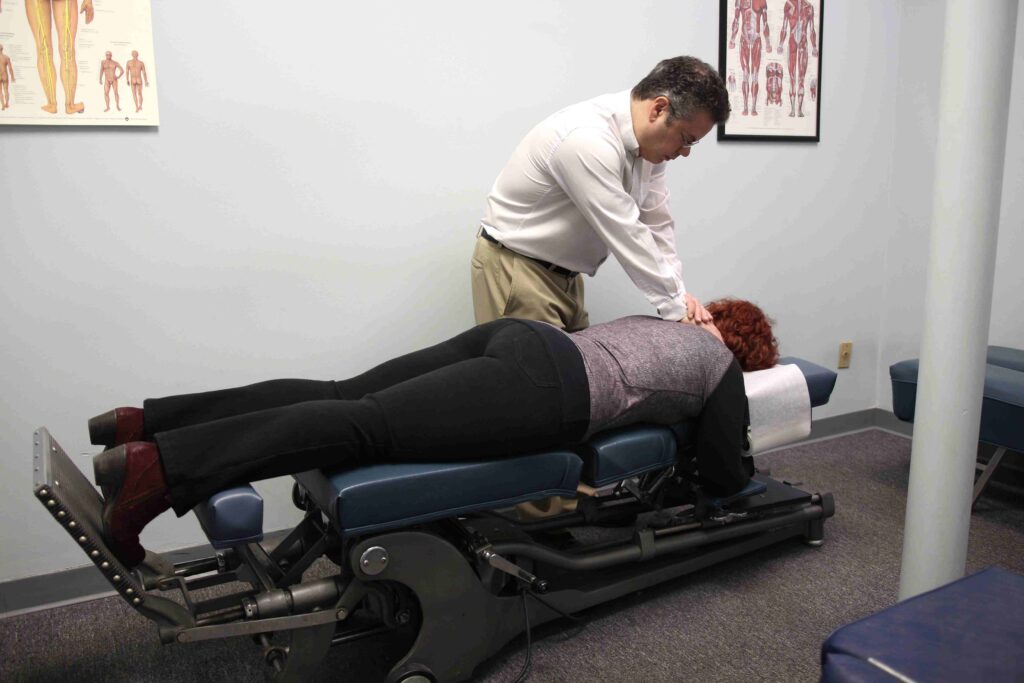
2. Chiropractic Care: Chiropractors use hands-on manipulation of the spine and neck to correct misalignments. This therapy can help restore mobility, reduce inflammation, and relieve tension in the neck area.
Regular visits may lead to lasting improvements in your overall neck health.
3. Herbal Remedies: Certain herbs, such as turmeric and ginger, are known for their anti-inflammatory properties. You can incorporate these into your diet as supplements or teas.
They may help reduce pain and swelling associated with neck issues, providing a natural approach to relief.
Lifestyle Changes for Prevention
Making simple lifestyle changes can greatly reduce the risk of neck pain and improve your overall well-being. Start by being mindful of your posture, especially when sitting at your desk or using your phone. Keep your shoulders relaxed, and try to maintain a neutral spine position. Adjust your workstation so that your computer screen is at eye level, reducing strain on your neck.
Incorporating regular exercise into your routine also plays an important role in preventing neck pain. Focus on activities that strengthen your neck and shoulder muscles, such as yoga or Pilates. These practices not only enhance flexibility but also promote better body awareness, which is key to avoiding awkward positions that can lead to discomfort.
Additionally, pay attention to your sleep habits. Make sure your pillow supports your neck adequately and keeps your spine aligned. You might want to experiment with different pillow types until you find one that suits you best.
Also, try to avoid sleeping on your stomach, as this can put unnecessary strain on your neck.
Lastly, manage stress effectively, as tension can lead to muscle tightness. Techniques like deep breathing, meditation, or even regular breaks during your day can help alleviate stress.
When to Seek Professional Help
Recognizing when to seek professional help for neck pain is essential for effective treatment and recovery. While some discomfort can be managed at home, certain signs indicate that it's time to consult a healthcare professional. Ignoring these signs can lead to prolonged pain or more serious issues.
Here are three key indicators that you shouldn't ignore:
- Persistent Pain: If your neck pain lasts more than a week despite trying home remedies, it's time to get a professional opinion. Chronic pain can signal underlying conditions that require medical intervention.
- Severe Pain: If you experience sharp, intense pain that disrupts your daily activities or worsens with movement, don't hesitate to seek help. This level of discomfort may indicate a more serious injury or condition.
- Neurological Symptoms: Watch out for symptoms like numbness, tingling, or weakness in your arms or hands. These could suggest nerve compression or other neurological issues that need immediate attention.
Taking prompt action can prevent further complications and help you return to your normal activities sooner.
Don't let fear or hesitation keep you from seeking the care you need. Consulting a healthcare professional can provide you with accurate diagnoses and tailored treatment plans, helping you find the relief you deserve.
Conclusion
Incorporating these methods into your routine can make a real difference in relieving neck pain. By focusing on good posture, stretching, and using heat or cold therapy, you can ease discomfort effectively. Setting up an ergonomic workstation and exploring alternative therapies like massage or acupuncture can further enhance your healing. Don't forget that making lifestyle changes is key to prevention. If your pain persists, don't hesitate to seek professional help to guarantee you get the care you need.