
If you're struggling with back pain, you might want to explore some effective non-invasive solutions that can help you regain control over your well-being. Options like physical therapy, chiropractic care, and mindfulness techniques offer promising avenues to alleviate discomfort without resorting to medication. Each method has its unique approach to tackling pain at its source, and understanding how they work can be essential in your recovery journey. But which one suits your needs best? Let's look closer at these strategies to find the right fit for you.
Physical Therapy
Physical therapy is one of the most effective non-invasive solutions for managing back pain. When you seek physical therapy, you'll work closely with a trained professional who tailors a program specifically for your needs. They'll assess your posture, flexibility, and strength to identify the root causes of your discomfort.
With a personalized approach, you'll learn exercises designed to improve your core stability, enhance flexibility, and alleviate pain. Throughout your sessions, you'll engage in various techniques, such as stretching and strengthening exercises, which are fundamental for building resilience in your back.
These exercises not only help in pain relief but also equip you with skills to prevent future injuries. Your physical therapist might also introduce manual therapy techniques, targeting muscle tightness and joint restrictions, further promoting your recovery.
You'll also benefit from education about your condition. Understanding the mechanics of your back will empower you to make better choices in daily activities, from lifting objects correctly to maintaining good posture while sitting. Your therapist will likely offer guidance on ergonomics, ensuring your workspace supports your healing process.
As you progress, you'll notice improvements in your mobility and overall well-being. Staying committed to your physical therapy plan is vital in achieving lasting results.
In time, you'll not only find relief from back pain but also gain confidence in your body's capabilities, paving the way for a more active lifestyle.
Chiropractic Care
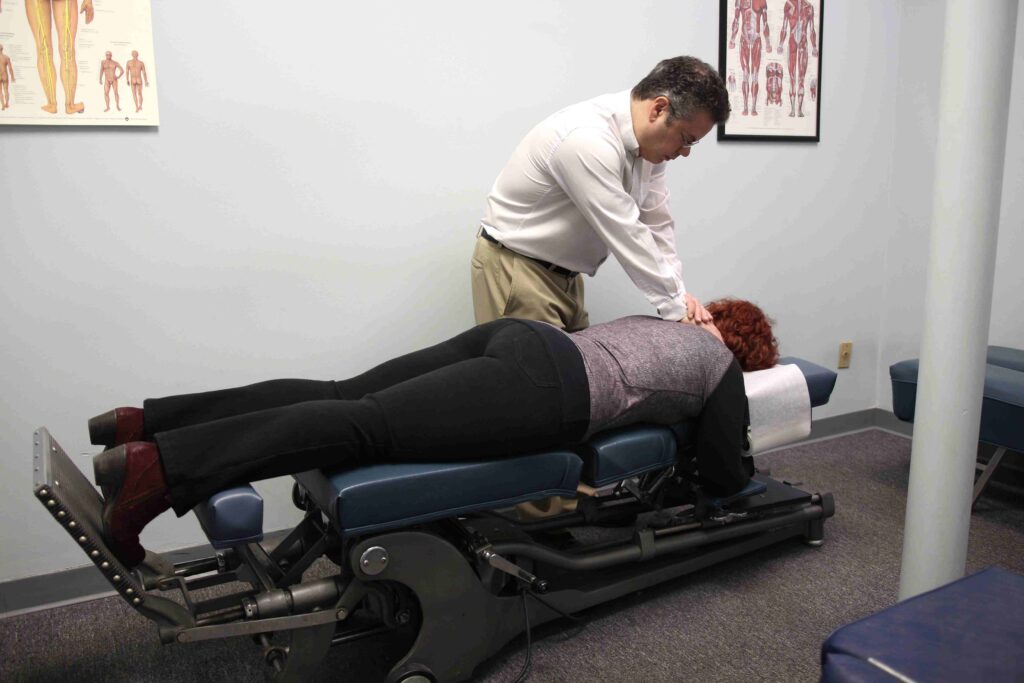
Chiropractic care offers a hands-on approach to managing back pain, focusing on the alignment of your spine and musculoskeletal system. By employing various techniques such as spinal adjustments, chiropractors aim to restore proper function and alleviate discomfort. These adjustments can help relieve pressure on nerves and improve mobility, making daily activities easier and more enjoyable.
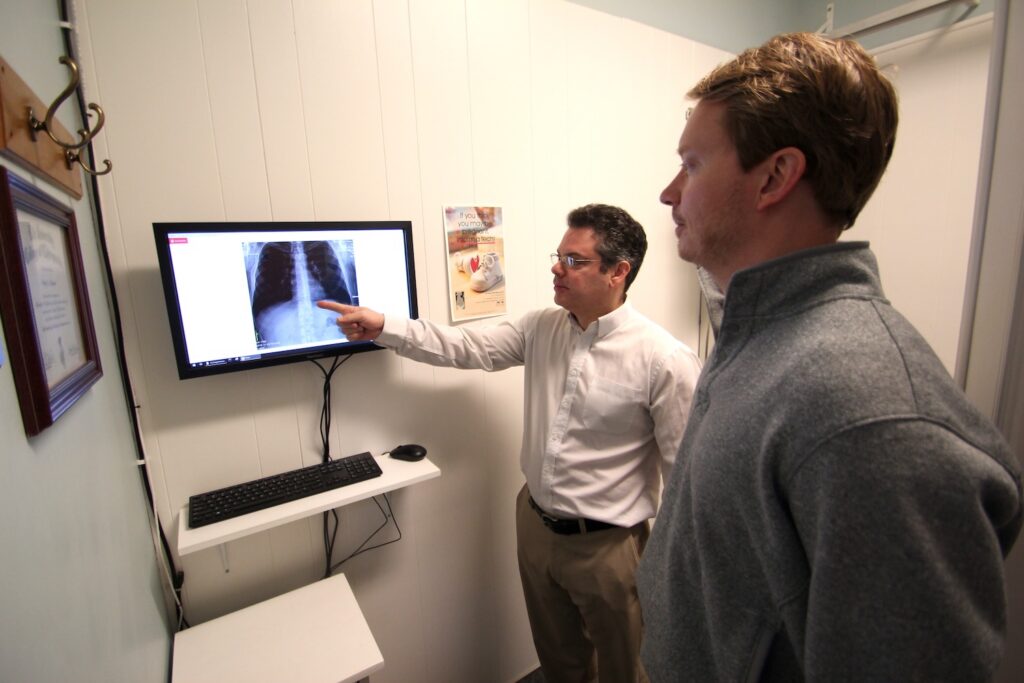
When you visit a chiropractor, they'll typically start with a thorough assessment of your condition. This may involve discussing your medical history, conducting physical examinations, and even taking X-rays if necessary. Based on their findings, they'll tailor a treatment plan to meet your specific needs. You might receive a series of adjustments over several weeks, allowing your body to respond to the treatment gradually.
One of the main benefits of chiropractic care is its emphasis on a drug-free approach. Instead of relying on pain medications, which can have side effects, you're encouraged to focus on the underlying issues causing your back pain. Additionally, many chiropractors integrate complementary therapies, such as massage or exercise recommendations, to enhance the effectiveness of your treatment.
It's vital to communicate openly with your chiropractor about your pain levels and any changes you experience throughout your care. This collaboration guarantees that your treatment remains effective and adjusted as needed.
Mindfulness and Relaxation Techniques
Often overlooked in back pain management, mindfulness and relaxation techniques can play an essential role in reducing discomfort and enhancing overall well-being. By incorporating these practices into your daily routine, you can develop a deeper awareness of your body, manage stress, and promote relaxation, all of which contribute to alleviating back pain.
Mindfulness involves paying attention to the present moment without judgment. This can help you recognize the physical sensations associated with back pain and respond to them more effectively.
Relaxation techniques, on the other hand, help you reduce muscle tension and promote a sense of calm. Here are some methods you can try:
- Deep Breathing: Focus on slow, deep breaths to lower tension and increase oxygen flow to your muscles.
- Progressive Muscle Relaxation: Tense and then slowly relax each muscle group to release built-up tension.
- Meditation: Spend a few minutes daily focusing on your breath or a calming visualization to clear your mind.
- Yoga: Engage in gentle yoga stretches to improve flexibility and strengthen the muscles that support your spine.
- Guided Imagery: Use mental imagery to visualize a peaceful setting, promoting relaxation and reducing pain perception.
Conclusion
Incorporating physical therapy, chiropractic care, and mindfulness techniques into your routine can greatly ease back pain. By focusing on tailored exercises, spinal adjustments, and stress reduction, you empower yourself to take control of your discomfort. These non-invasive solutions not only promote healing but also improve your overall well-being. Don't let back pain hold you back—embrace these approaches and discover a path to relief and a more active, fulfilling life.