When you experience a sports injury, it's easy to overlook the importance of seeking professional support. You might think rest is enough, but without expert assessment and tailored rehabilitation, you risk prolonging your recovery. A structured approach not only speeds up healing but also enhances your performance and reduces the chance of future injuries. Understanding these benefits can fundamentally change how you approach recovery and training. So, what are the top reasons to contemplate specialized support? Let's explore that further.
Expert Assessment and Diagnosis
When you experience a sports injury, getting an expert assessment and diagnosis is vital for effective recovery. You might feel overwhelmed or anxious about the pain, but seeking professional help can make all the difference. An expert can evaluate your injury accurately, ensuring you understand the severity and nature of the problem. This knowledge is important for making informed decisions about your treatment options.
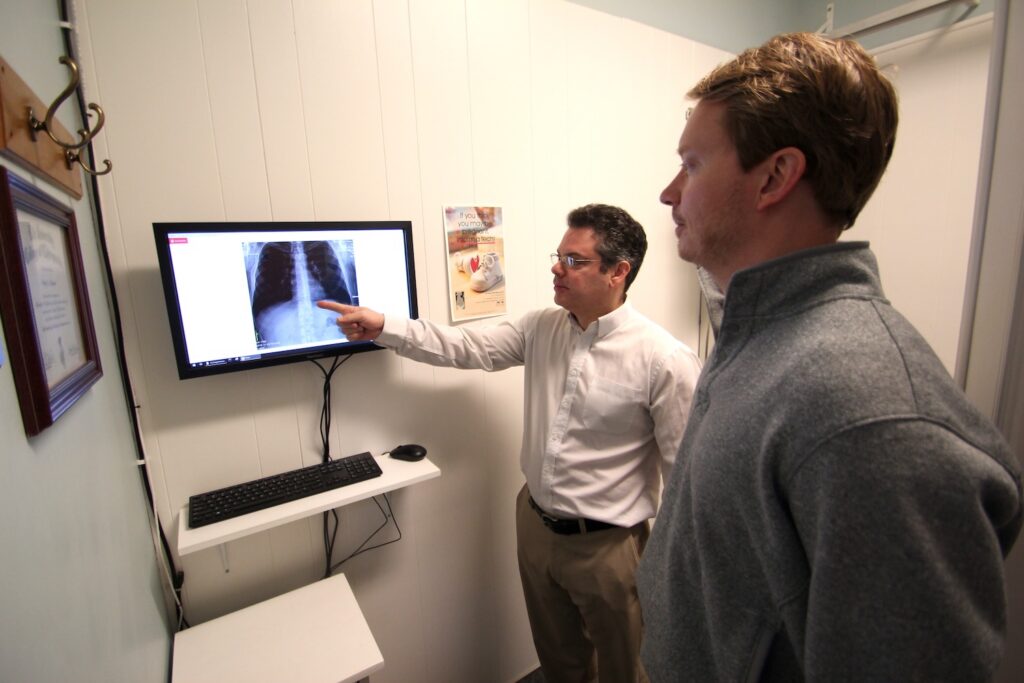
When you consult a specialist, they'll conduct a thorough physical examination and may order imaging tests like X-rays or MRIs. These tests provide a clear picture of what's happening beneath the surface, allowing for a precise diagnosis. Without this step, you risk mismanaging your injury, which could lead to prolonged pain or even chronic issues.
Moreover, an expert assessment helps you avoid unnecessary treatments. Instead of guessing what might work, you'll receive tailored recommendations based on your specific condition. This targeted approach not only saves you time but also helps prevent further injury.
It's important to understand that each injury is unique, and what worked for someone else mightn't be suitable for you.
Finally, getting a proper diagnosis sets the stage for your recovery journey. You'll gain insight into your injury's timeline and what to expect moving forward. With the right information, you can take proactive steps to heal effectively and return to your sport with confidence.
Tailored Rehabilitation Programs
After receiving an accurate diagnosis, the next essential step is developing a tailored rehabilitation program. You're not just looking for a one-size-fits-all approach; each injury and individual is unique. A customized program takes into account your specific injury, your physical condition, and your athletic goals. This means you'll be working on exercises and stretches that directly target your recovery needs.
In a tailored rehabilitation program, your therapist will assess your strength, flexibility, and range of motion. Based on their evaluation, they'll create a plan that gradually increases in intensity, ensuring you're challenged without risking further injury.
You'll engage in various activities, from strength training to balance exercises, all strategically designed to promote healing and restore functionality.
Moreover, a personalized program allows for continuous adjustments. As you progress, your therapist will modify your regimen to reflect your improvements, keeping you motivated and on track. This flexibility is vital, as it helps you avoid plateaus and stay engaged in your recovery journey.
Additionally, by focusing on your specific goals—whether it's returning to your sport or increasing overall fitness—you'll find the rehabilitation process more rewarding. You'll gain not just physical strength but also the confidence to return to your activities.
Investing in a tailored rehabilitation program means you're taking a proactive step toward a complete recovery, setting yourself up for long-term success in your athletic pursuits.
Enhanced Recovery Speed
A tailored rehabilitation program not only addresses your unique needs but also plays a significant role in enhancing recovery speed. When you experience a sports injury, the right support can make all the difference in how quickly you bounce back.
Here are three key factors that contribute to faster recovery:
- Targeted Exercises: A rehabilitation program designed specifically for your injury includes targeted exercises that strengthen the affected area. This focus helps restore functionality and reduces the risk of re-injury.
- Professional Guidance: Working with a trained professional guarantees you're following the best practices during your recovery. Their expertise allows you to avoid common pitfalls that could slow your progress, guaranteeing you're on the right track.
- Progress Monitoring: Regular assessments and adjustments to your rehabilitation plan keep your recovery on schedule. By tracking your progress, a professional can modify your exercises as needed, allowing for a more dynamic and responsive approach to healing.
Injury Prevention Strategies
Injuries can derail your athletic journey, but implementing effective injury prevention strategies can greatly reduce your risk. One of the most important strategies is to develop a proper warm-up routine. Spend at least 10-15 minutes preparing your muscles for activity. Dynamic stretches and light aerobic exercises can increase blood flow and enhance flexibility, making your body less prone to injuries.
It's also essential to pay attention to your body mechanics. Whether you're running, jumping, or lifting, make certain you're using the correct techniques. Poor form can lead to strains or sprains, so consider working with a coach or trainer who can provide guidance.
Additionally, cross-training can be beneficial. Mixing different types of exercises helps to strengthen various muscle groups and reduces the repetitive stress that can lead to injuries.
Don't overlook the importance of rest and recovery. Listen to your body and schedule regular rest days to allow for healing and muscle repair. Overtraining can lead to fatigue and increase your risk of injury.
Staying hydrated and maintaining a balanced diet are also vital components of injury prevention. Proper nutrition supports muscle function and recovery, while hydration keeps your joints lubricated.
Finally, consider investing in appropriate gear. Wearing the right shoes and protective equipment can make a significant difference in preventing injuries.
Improved Performance and Longevity
To achieve improved performance and longevity in your athletic endeavors, it's vital to focus on both physical and mental aspects of training. When you seek sports injury support, you're not just addressing immediate issues; you're investing in your future as an athlete.
Here are three key benefits you'll experience:
- Tailored Rehabilitation: With professional guidance, you'll receive personalized injury rehabilitation strategies that not only help you recover but also enhance your overall performance. A targeted approach means you're less likely to reinjure yourself and can return to your sport stronger than before.
- Injury Prevention: Understanding the biomechanics of your body is fundamental. Sports injury support often includes education on movement patterns and techniques that safeguard against future injuries, allowing you to train with confidence and intensity.
- Mental Resilience: Physical injuries can take a toll on your mental game. By seeking support, you'll not only work on the physical recovery but also develop mental strategies to overcome setbacks. This dual focus fosters a stronger mindset, vital for peak performance.
Conclusion
In seeking sports injury support, you're taking an essential step toward recovery and long-term success. With expert assessment, tailored rehab, and targeted strategies, you can bounce back faster and prevent future injuries. Plus, improving your performance while building mental resilience guarantees you stay strong in your athletic pursuits. Don't underestimate the power of professional guidance—invest in your health and well-being, and you'll not only recover but thrive in your sport for years to come.