
If you're suffering from migraines, you might be searching for effective relief options that don't rely solely on medication. Chiropractic care could be a beneficial alternative, focusing on the root causes of your discomfort rather than just masking the symptoms. By addressing spinal misalignments, chiropractors can help alleviate tension and improve overall functionality. But how does this approach differ from traditional treatments, and what specific benefits can you expect? The answers might just change the way you think about managing your migraines.
Understanding Migraines
Migraines are more than just bad headaches; they're intense neurological events that can disrupt your daily life. If you've ever experienced one, you know the pain can be debilitating, often accompanied by symptoms like nausea, sensitivity to light, and sound.
Understanding what triggers your migraines is vital for managing them effectively. Common triggers include stress, hormonal changes, certain foods, and environmental factors.
You might've noticed that certain activities or situations tend to precede your migraines. Keeping a headache diary could help identify these patterns. By tracking your symptoms, you can spot trends and develop strategies to avoid or mitigate triggers over time.
It's also important to recognize the different types of migraines. For instance, some people suffer from migraines with aura, where visual disturbances occur before the headache begins. Others experience migraines without aura, which may be more common but are equally disruptive.
Understanding the phases of a migraine can aid in managing your experience. The prodrome phase may give you early warning signs, while the aura phase can offer a brief glimpse into what's coming.
The headache phase is often the most intense, but recovery can also involve a postdrome phase, characterized by fatigue and irritability.
How Chiropractic Care Works
Finding effective relief from migraines often leads people to explore various treatment options, including chiropractic care. This holistic approach focuses on the relationship between your spine and nervous system, aiming to restore balance and alleviate pain.
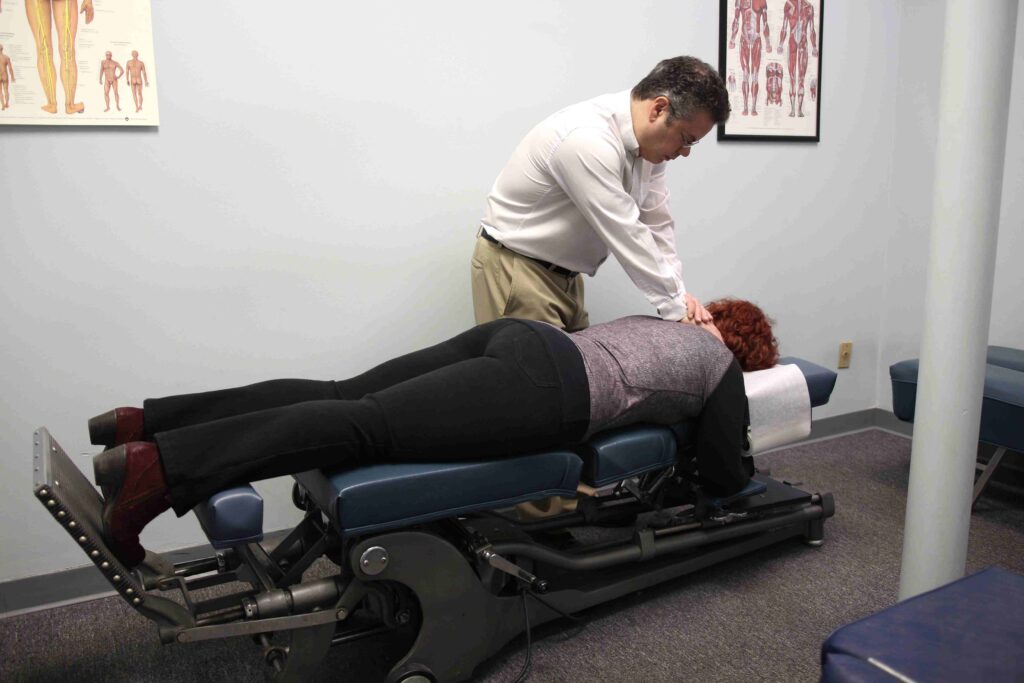
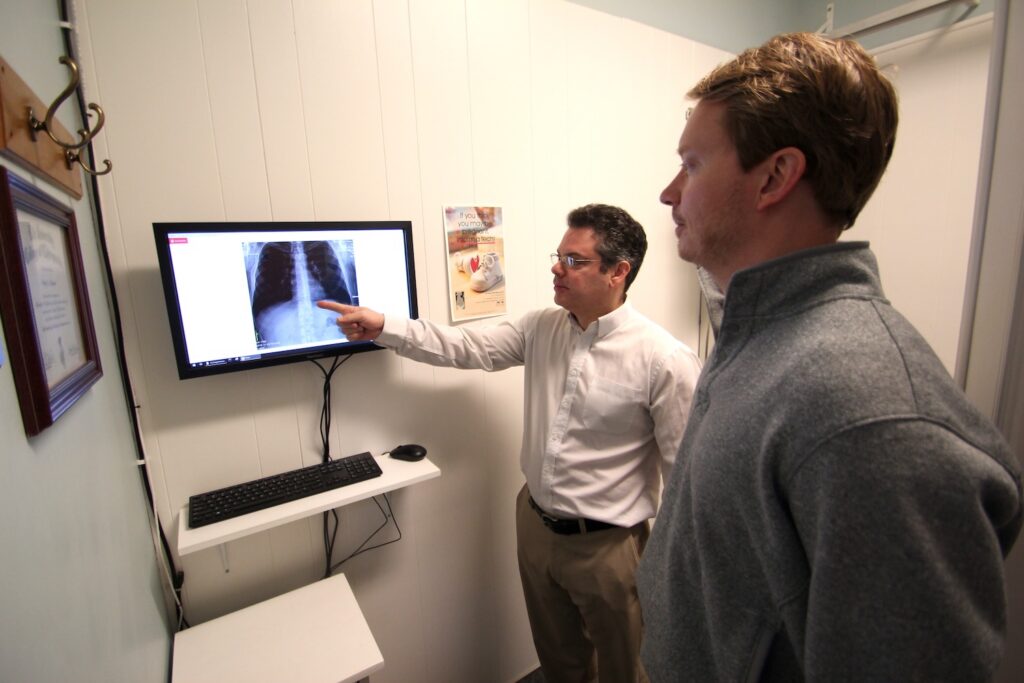
When you visit a chiropractor, they'll conduct a thorough assessment of your spine, posture, and overall health to identify any misalignments or dysfunctions that may contribute to your migraines. Chiropractors primarily use spinal adjustments to correct these misalignments. By applying targeted pressure to specific areas of your spine, they can help restore proper alignment, which may reduce nerve irritation and improve blood flow.
This adjustment process not only aims to relieve immediate pain but also addresses underlying issues that could be triggering your migraines. Additionally, chiropractors often incorporate other treatment modalities, such as soft tissue therapy, to help release tension in your muscles. This can be particularly beneficial if tightness in your neck or shoulders is contributing to your migraine episodes.
They may also offer lifestyle and ergonomic advice, ensuring you maintain a healthy posture and make adjustments in your daily routine that can minimize migraine triggers. Ultimately, chiropractic care seeks to empower you with tools and strategies to manage your migraines effectively.
Benefits of Chiropractic Adjustments
Chiropractic adjustments offer a range of benefits that can greatly enhance your overall well-being. When you receive these adjustments, you're not just addressing pain; you're also improving your body's function and promoting better health. By aligning your spine and optimizing nervous system function, chiropractic care helps you experience relief from migraines, tension, and other discomforts.
One significant benefit is improved mobility. After a chiropractic adjustment, you may notice increased range of motion in your neck and back. This enhanced flexibility can help you engage in daily activities with greater ease and less discomfort. You might even find it easier to participate in your favorite sports or exercise routines.
Another advantage is reduced muscle tension. Many people carry stress in their muscles, leading to tightness and pain. Chiropractic adjustments help alleviate this tension, allowing your muscles to relax and recover. This can contribute to a decrease in migraine frequency and intensity, helping you feel more at ease overall.
Additionally, chiropractic care can boost your immune system. When your spine is aligned, your body can better communicate with its systems, including the immune response. This means you may be less susceptible to illnesses, allowing you to enjoy life more fully.
Finally, chiropractic adjustments promote overall wellness. By addressing the root causes of pain and discomfort, you're investing in your long-term health. With regular care, you're likely to experience not just relief, but also a greater sense of energy and well-being.
Techniques Used in Treatment
When you seek chiropractic care for migraines, a variety of techniques can be employed to help alleviate your symptoms.
Spinal manipulation methods focus on restoring proper alignment, while soft tissue therapies aim to relieve tension in the muscles.
Together, these approaches can provide significant relief and improve your overall well-being.
Spinal Manipulation Methods
Spinal manipulation techniques are regularly employed in chiropractic care to alleviate migraine symptoms. These methods focus on correcting misalignments in your spine, which can contribute to tension and discomfort. By realigning your vertebrae, chiropractors aim to reduce nerve irritability and improve overall function.
One common technique is the Diversified method, where quick, controlled thrusts are applied to specific joints. This often results in an audible "pop," signaling a release of gas from the joint, which can enhance mobility and alleviate pain.
Another method is the Gonstead technique, which emphasizes a thorough assessment of your spine and utilizes precise adjustments to restore alignment.
You might also encounter the Activator method, which uses a small, handheld instrument to deliver gentle impulses to specific areas of your spine. This approach is particularly beneficial for those who prefer a less forceful option.
Each technique is tailored to your individual needs, ensuring that you receive the most effective treatment. By addressing spinal misalignments, chiropractic care can help reduce the frequency and intensity of migraines, offering you a path toward relief and improved quality of life.
Soft Tissue Therapies
Soft tissue therapies play an essential role in migraine treatment, often complementing spinal manipulation techniques. These therapies target the muscles, tendons, and ligaments to relieve tension and improve blood flow, which can greatly reduce migraine frequency and intensity.
When you undergo soft tissue therapy, your chiropractor may use various techniques, such as myofascial release, trigger point therapy, or massage. These methods help to relax tight muscles and release knots that may contribute to your headaches. By addressing these issues, you can experience fewer migraines and better overall well-being.
You might also benefit from stretching and strengthening exercises, which your chiropractor can incorporate into your treatment plan. These exercises aim to enhance your flexibility and strength, helping to prevent future migraines.
Incorporating soft tissue therapies can create a well-rounded approach to managing your migraines. Not only do these techniques provide immediate relief, but they also promote long-term health by addressing underlying issues.
If you're looking for a holistic way to tackle your migraines, discussing soft tissue therapies with your chiropractor could be the key to finding the relief you need.
Research Supporting Chiropractic Care
Numerous studies have explored the effectiveness of chiropractic care in alleviating migraines, revealing promising outcomes for many patients. Research indicates that spinal manipulation, a core aspect of chiropractic treatment, can greatly reduce the frequency and intensity of migraine attacks. In a controlled trial published in the "Journal of Manipulative and Physiological Therapeutics," participants who received chiropractic adjustments reported fewer migraines compared to those who didn't receive any treatment.
Additionally, a systematic review in the "Cochrane Database of Systematic Reviews" highlighted that chiropractic care might be as effective as medication for some individuals. This suggests that if you're seeking natural alternatives to pharmaceuticals, chiropractic care could be a viable option.
Moreover, studies have shown that chiropractic adjustments can improve spinal alignment and function, which may play a vital role in reducing migraine triggers. When your spine is properly aligned, it can diminish tension in your neck and upper back, areas often associated with migraine onset.
You might also find comfort in knowing that chiropractic care tends to have fewer side effects than traditional migraine medications. Many patients appreciate this holistic approach, focusing on overall wellness rather than just masking symptoms.
Personal Success Stories
When you hear about others who've found relief from migraines through chiropractic care, it can be truly inspiring.
These real-life transformations highlight how effective this approach can be for lasting pain relief.
Let's explore some of these success stories and see how they might resonate with your own experiences.
Real-Life Transformations
Many individuals have experienced remarkable transformations through chiropractic care for migraine relief. You might be surprised to hear how many people just like you have found a new lease on life after seeking chiropractic treatment.
For instance, consider Sarah, who struggled with debilitating migraines for years. After just a few chiropractic sessions, she noticed a significant decrease in the frequency and intensity of her headaches. With newfound energy, Sarah returned to activities she loved, like hiking and painting.
Then there's John, who'd tried countless medications without success. He decided to give chiropractic care a shot, and it changed everything. After his first adjustment, he felt a sense of relief he hadn't experienced in years. Gradually, his migraines became less frequent, allowing him to focus on his work and family life.
These stories exemplify the power of chiropractic care. You, too, can experience significant improvements in your quality of life, just like Sarah and John. By addressing the underlying causes of your migraines, chiropractic treatment can pave the way for your transformation, helping you reclaim the vibrant, active lifestyle you deserve.
Lasting Pain Relief
Chiropractic care can lead to lasting pain relief, as evidenced by personal success stories from individuals who've walked the same path you're on. Many people, just like you, have experienced debilitating migraines that affected their daily lives. After seeking chiropractic treatment, they found not only relief but also a renewed sense of hope.
Take Sarah's story, for instance. After years of chronic migraines, she decided to give chiropractic care a try. Regular adjustments helped realign her spine and alleviate tension in her neck, which contributed greatly to her headaches. Within weeks, she noticed a marked decrease in both the frequency and intensity of her migraines.
Then there's Mark, who struggled with migraines triggered by stress and poor posture from long hours at his desk. Chiropractic care taught him how to maintain better posture and manage stress effectively. He now enjoys fewer migraines, thanks to the personalized care he received.
These success stories highlight that lasting pain relief is possible through chiropractic care. If you're ready to take control of your migraines, consider joining the countless individuals who've found relief and transformed their lives with chiropractic treatment. You could be next!
Finding a Qualified Chiropractor
Although finding a qualified chiropractor may seem challenging, you can simplify the process by focusing on a few key factors. Start by checking their credentials. Look for a chiropractor who's licensed and has completed an accredited chiropractic program. This guarantees they've the necessary training and expertise to address your specific needs.
Next, consider their experience, especially in treating migraines. You want someone who understands the complexities of your condition. Ask potential chiropractors about their experience with migraine patients and the techniques they use. This will give you insight into their approach and whether it aligns with what you're looking for.
Additionally, read reviews and testimonials from other patients. This can provide valuable information about a chiropractor's effectiveness and the overall patient experience. Don't hesitate to ask for recommendations from friends, family, or your primary care physician. They may have personal experiences or know of reputable practitioners.
Once you've narrowed down your options, schedule a consultation. This initial visit allows you to gauge the chiropractor's communication style and discuss your concerns. You should feel comfortable asking questions about their treatment plans, techniques, and expected outcomes. Trust your instincts—if something doesn't feel right, keep looking.
Finally, consider the logistics. Check their office hours, location, and insurance acceptance. Finding someone who fits your schedule and financial situation can make a significant difference in your overall experience.
Integrating Chiropractic With Other Therapies
Finding the right chiropractor is just the beginning of your journey toward migraine relief. To maximize the benefits of chiropractic care, consider integrating it with other therapies. This holistic approach can enhance your overall well-being and provide more effective migraine relief.
Here are some complementary therapies you might explore:
- Massage therapy: This can help relieve muscle tension and improve blood circulation, which may reduce migraine frequency.
- Acupuncture: This traditional Chinese practice targets specific points to alleviate pain and restore balance in your body.
- Physical therapy: Tailored exercises can strengthen your neck and back, enhancing your spinal alignment and reducing migraine triggers.
- Nutritional counseling: Identifying food sensitivities and adopting a balanced diet can play an essential role in managing migraines.
- Stress management techniques: Practices such as meditation, yoga, or deep-breathing exercises can help reduce stress levels, a common migraine trigger.
Conclusion
If you're struggling with migraines, chiropractic care could be the solution you need. By addressing spinal misalignments and reducing tension, it offers a holistic approach to relief. With fewer side effects than traditional medications, you can regain control of your health and improve your quality of life. Don't hesitate to explore chiropractic treatments and consider integrating them with other therapies for a thorough plan. Take the first step towards a migraine-free life today!