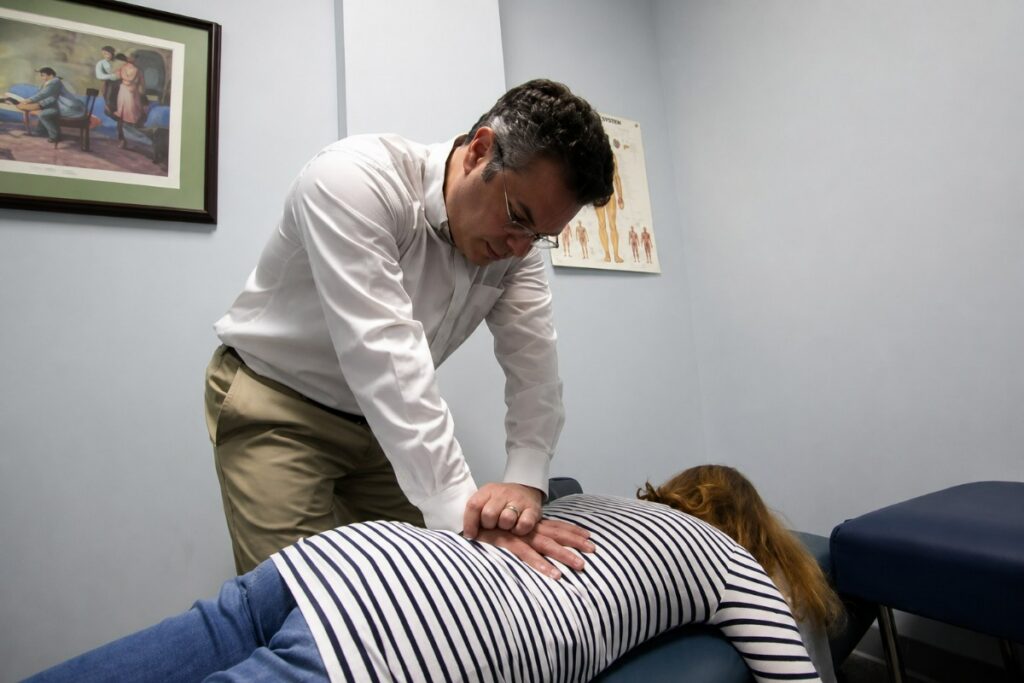

If you're looking to enhance your flexibility, there are several authentic methods you can incorporate into your routine. Start with dynamic stretching to warm up and follow it with static stretching for recovery. You might also consider yoga practices that promote flexibility and the benefits of foam rolling. However, these are just a few strategies. To truly access your potential and discover the full range of techniques available, you'll want to explore the nuances of maintaining consistency and the role of nutrition in your flexibility journey.
Dynamic Stretching Routines
Dynamic stretching routines are an important part of any warm-up, especially if you're looking to boost your flexibility and prepare your muscles for activity.
These routines involve movement-based stretches that increase blood flow, improve range of motion, and activate your muscles, making them ready for whatever workout you have planned.
Start with some leg swings. Stand next to a wall or support, then swing one leg forward and backward, keeping it straight. Switch legs after 10-15 reps. This exercise activates your hip flexors and hamstrings, which are vital for many activities.
Next, try walking lunges. Step forward into a lunge position, dropping your back knee toward the ground. Rise and step forward with the opposite leg, repeating the motion for 10 lunges on each side. This not only stretches your hip flexors but also engages your quads and glutes.
Incorporate arm circles as well. Stand with your feet shoulder-width apart and extend your arms out to the sides. Make small circles and gradually increase the size for about 20 seconds, then switch directions. This warms up your shoulders and improves upper body mobility.
Lastly, perform torso twists. Stand with your feet hip-width apart and twist your torso left and right, allowing your arms to swing freely. This dynamic stretch enhances spinal mobility and prepares your core for movement.
Including these dynamic stretches in your warm-up routine can greatly enhance your flexibility and overall performance.
Static Stretching Techniques
Static stretching plays an essential role in improving flexibility and preventing injuries.
You'll want to incorporate effective stretching routines into your regimen while keeping safety tips in mind.
Let's explore how to maximize your benefits from static stretching.
Importance of Static Stretching
Incorporating static stretching into your routine can greatly enhance your flexibility and overall performance. This type of stretching involves holding a position for a set period, usually between 15 to 60 seconds, allowing your muscles to lengthen and relax. By doing this, you increase your range of motion, which can contribute to better movement efficiency during physical activities.
Static stretching is particularly beneficial after workouts when your muscles are warm. It helps in reducing muscle tension and promotes recovery by increasing blood flow to the tissues. Additionally, this technique can help prevent injuries by improving muscle elasticity and joint flexibility, making your body more resilient during intense activities.
Moreover, static stretches can be a great way to unwind and relieve stress. They encourage mindfulness and body awareness, allowing you to tune into your physical state.
You'll find that incorporating these stretches into your post-workout routine not only enhances your flexibility but also contributes to your overall well-being. Remember, consistency is key; make static stretching a regular part of your fitness regimen, and you'll likely notice significant improvements in your flexibility and performance over time.
Effective Stretching Routines
A well-structured stretching routine can greatly improve your flexibility and muscle recovery. To start, you should focus on static stretching techniques, which involve holding each stretch for 15 to 30 seconds. This allows your muscles to lengthen and relax, making them more pliable over time.
Begin with your major muscle groups—hamstrings, quadriceps, hip flexors, and shoulders. For your hamstrings, sit on the ground with one leg extended and reach towards your toes. Switch to the other leg and repeat.
Next, stand and grab your ankle to stretch your quadriceps, pulling your heel towards your glutes. For hip flexors, kneel on one knee, keeping the other foot in front, and gently push your hips forward.
Finally, to stretch your shoulders, bring one arm across your body and use the opposite arm to pull it closer.
Incorporate these stretches into your routine three to four times a week, ideally after a workout when your muscles are warm. Consistency is key, so set aside 10 to 15 minutes for your stretching sessions, and you'll notice improvements in your flexibility over time.
Safety Tips for Stretching
While improving your flexibility through stretching, it's important to prioritize safety to prevent injuries. Static stretching can be beneficial, but if done incorrectly, it might lead to strains or pulls. Here are some essential tips to keep in mind:
- Warm Up First: Always start with a brief warm-up to increase blood flow to your muscles. This prepares them for stretching and reduces the risk of injury.
- Listen to Your Body: Pay attention to how your body feels during each stretch. If you experience pain or discomfort, ease off. Stretching shouldn't be painful.
- Hold, Don't Bounce: When performing static stretches, hold each position for at least 15-30 seconds. Avoid bouncing, as it can cause muscle tears and doesn't enhance flexibility effectively.
- Breathe: Remember to breathe deeply throughout your stretches. This helps to relax your muscles and enhances the effectiveness of the stretch.
Yoga Practices for Flexibility
If you're looking to boost your flexibility, incorporating yoga practices into your routine can make a big difference.
You'll find that essential poses, alongside effective breathing techniques, can enhance your overall experience.
To get the most out of your practice, consider some daily tips that can help you stay consistent and mindful.
Essential Yoga Poses
Yoga poses are powerful tools for enhancing flexibility, allowing you to stretch and strengthen your muscles simultaneously. By incorporating these essential poses into your routine, you can improve your overall flexibility and well-being.
Here are some key poses to reflect on:
- Downward-Facing Dog: This pose stretches your hamstrings, calves, and shoulders while building strength in your arms and legs.
- Pigeon Pose: Perfect for opening your hips, this pose targets the glutes and hip flexors, enhancing your lower body flexibility.
- Cobra Pose: A fantastic stretch for your spine, Cobra helps to open up your chest and improve your back flexibility.
- Butterfly Pose: Sit with the soles of your feet together to stretch your inner thighs and groin, promoting hip flexibility.
Integrating these poses into your practice not only helps with flexibility but also fosters mindfulness and body awareness.
Remember to focus on your breath while holding each pose, as this will deepen your stretches and enhance your results.
Breathing Techniques Explained
Breathing techniques play an important role in enhancing your flexibility during yoga practice. When you focus on your breath, you can create a deeper connection between your body and mind, allowing for improved awareness and control.
Deep, intentional breathing helps to relax your muscles, which is vital for achieving greater flexibility.
One effective technique is Ujjayi breath, also known as ocean breath. By slightly constricting the back of your throat while inhaling and exhaling, you create a soft sound similar to ocean waves. This practice not only calms your mind but also helps to regulate the flow of breath, keeping you grounded as you stretch.
Another technique is diaphragmatic breathing. As you inhale deeply through your nose, let your belly expand, allowing the diaphragm to engage fully. This method increases oxygen intake and promotes relaxation, necessary for best muscle function.
Incorporating these breathing techniques into your yoga sessions encourages a mindful practice. You'll find that as you breathe deeply and consciously, your body becomes more receptive to stretching, ultimately enhancing your overall flexibility.
Daily Practice Tips
Incorporating a daily practice can greatly boost your flexibility over time. By committing to a regular routine, you'll not only experience enhanced flexibility but also improved overall well-being.
Here are some effective tips to get you started:
- Start with Sun Salutations: This sequence warms up your body and prepares your muscles for deeper stretches.
- Focus on Key Areas: Pay attention to hips, hamstrings, and shoulders, as these areas often hold tension and restrict movement.
- Use Props: Incorporate blocks or straps to assist with poses. They provide support and help you reach your full potential without straining.
- End with Relaxation: Always conclude your practice with a few minutes of relaxation, like Savasana, to allow your body to absorb the benefits of your stretches.
Foam Rolling Benefits
Foam rolling offers a range of benefits that can greatly enhance your flexibility and overall physical performance. When you incorporate foam rolling into your routine, you're actively working to release muscle tension and improve your range of motion. This self-myofascial release technique helps break down knots and tight spots in your muscles, which can lead to better flexibility over time.
By rolling out your muscles, you increase blood flow and circulation, promoting quicker recovery after workouts. This means you'll feel less sore and more prepared for your next training session. Additionally, foam rolling can help alleviate soreness and stiffness, allowing you to move more freely and comfortably throughout your day.
Another key advantage is that foam rolling can enhance your body awareness. As you focus on different muscle groups, you'll become more in tune with how your body feels and functions. This awareness can help you identify areas of tightness that may need more attention during your stretching or workout sessions.
It's also an excellent way to warm up your muscles before exercise. When you roll out tight areas, you prepare your muscles for movement, reducing the risk of injury.
Plus, foam rolling can be an effective cool-down method, helping your body shift back to a resting state after intense physical activity.
Incorporate foam rolling into your fitness routine, and you'll likely notice increased flexibility, reduced soreness, and enhanced overall performance.
Pilates for Core Strength
Pilates is a powerful method for building core strength, focusing on the deep abdominal muscles that stabilize your body. By engaging in regular Pilates practice, you'll not only improve your core strength but also enhance your overall flexibility and balance.
This low-impact exercise can be tailored to suit all fitness levels, making it accessible and beneficial for everyone.
As you practice Pilates, you'll find that it offers a variety of advantages:
- Improved Posture: Strengthening your core helps align your spine and supports better posture throughout your daily activities.
- Enhanced Stability: A strong core provides a solid foundation, making it easier to perform other physical activities and reducing the risk of injuries.
- Increased Flexibility: Many Pilates exercises promote stretching and lengthening of the muscles, which contributes to greater flexibility over time.
- Mind-Body Connection: Pilates emphasizes control and concentration, helping you become more aware of your body and how it moves.
Incorporating Pilates into your fitness routine can transform your core strength, leading to greater overall performance in other activities.
Consider joining a class or following online tutorials to get started. Remember, consistency is key.
With commitment and practice, you'll notice significant improvements in your core stability and flexibility, ultimately enhancing your overall physical well-being.
Active Isolated Stretching
Active isolated stretching offers numerous benefits, like increased flexibility and improved muscle recovery.
By using specific techniques, you can effectively target tight areas while promoting better blood flow.
Let's explore how to incorporate this method into your routine for maximum results.
Benefits of Active Isolated Stretching
Often overlooked in flexibility routines, Active Isolated Stretching (AIS) offers numerous benefits that can enhance your overall mobility and performance. By focusing on short, controlled stretches, AIS helps you improve flexibility without overextending muscles, making it a safe and effective choice for everyone.
Here are some key benefits you can expect from incorporating AIS into your routine:
- Increased Range of Motion: AIS targets specific muscle groups, allowing you to achieve greater flexibility and better overall movement.
- Enhanced Muscle Recovery: By promoting circulation, AIS aids in faster recovery after workouts, helping you feel less sore and more prepared for your next session.
- Improved Athletic Performance: Regular practice can enhance your athletic abilities, as increased flexibility leads to better agility and efficiency in your movements.
- Reduced Risk of Injury: By stretching muscles in a controlled manner, AIS minimizes the risk of strains and tears, keeping you active and injury-free.
Incorporating AIS into your flexibility routine not only enhances your physical capabilities but also supports your overall well-being.
Give it a try, and you may be surprised at the positive changes you experience!
Techniques for Effective Stretching
To maximize the benefits of Active Isolated Stretching (AIS), it's important to use effective techniques that promote safety and efficiency. First, focus on isolating each muscle group. When you stretch, engage only the muscle you're targeting, allowing others to remain relaxed. This approach enhances muscle responsiveness and minimizes the risk of injury.
Next, hold each stretch for just two seconds. This brief hold allows your muscle fibers to elongate without triggering a reflex that could lead to contraction or discomfort. After each stretch, relax the muscle completely before repeating the movement. Perform 5 to 10 repetitions for ideal results.
Using a partner or a prop can also help you achieve better results. They can assist in providing gentle resistance, which can deepen your stretch. Always breathe deeply and steadily throughout the process; this oxygenates your muscles and helps you maintain focus.
Finally, incorporate dynamic movements to complement your static stretches. This combination guarantees that you're not only improving flexibility but also enhancing overall muscle performance.
With consistent practice, you'll notice significant improvements in your flexibility and overall mobility.
Warm-Up and Cool-Down
Before diving into any flexibility routine, warming up and cooling down are essential steps that shouldn't be overlooked. These processes prepare your muscles and joints for movement and help prevent injury. A proper warm-up increases blood flow, raises your heart rate, and loosens your muscles, making them more receptive to stretching.
Similarly, cooling down allows your body to gradually revert back to a resting state, reducing muscle soreness and stiffness.
To get the most out of your warm-up and cool-down, consider the following:
- Dynamic Movements: Incorporate activities like arm circles, leg swings, or light jogging to elevate your heart rate and improve circulation.
- Targeted Stretching: Focus on areas you'll be using most during your routine. For example, if you're stretching your hamstrings, include gentle leg stretches in your warm-up.
- Breathing Techniques: Use deep, controlled breaths during both warm-up and cool-down phases to enhance relaxation and oxygen flow.
- Consistency: Make warm-ups and cool-downs a non-negotiable part of your routine, as skipping them can lead to injuries or reduced flexibility gains.
Consistency and Routine
Establishing a consistent routine is essential for enhancing flexibility. When you commit to a regular practice, you create an environment where your body can adapt and improve. Start by setting specific days and times for your flexibility workouts. Whether it's a daily stretch session or a few times a week, consistency will yield better results than sporadic efforts.
Incorporate a variety of stretches that target different muscle groups. For example, you might focus on hamstrings one day and hip flexors the next. This variety not only keeps your routine engaging but also guarantees all areas of your body receive attention.
Remember to listen to your body and adjust your routine as needed; if a stretch feels too intense, ease back and find a comfortable position.
Tracking your progress can also help maintain motivation. Consider keeping a journal where you note the stretches you've done, how your body feels, and any improvements you notice. This habit reinforces your commitment and allows you to celebrate small victories.
Additionally, try to integrate flexibility training into your daily life. Simple actions like stretching while watching TV or during breaks can add up over time. The key is to make flexibility a natural part of your daily routine, so it becomes second nature.
Stay patient and trust the process. Flexibility doesn't happen overnight, but with a dedicated routine, you'll see meaningful improvements in no time.
Mindfulness and Breathing
Incorporating mindfulness and breathing techniques into your flexibility routine can greatly enhance your practice. When you focus on your breath and stay present in the moment, you not only improve your physical abilities but also create a deeper connection between your mind and body.
This awareness helps you understand your limits, allowing you to push them gently without risking injury.
To get started, try integrating these mindfulness and breathing strategies into your sessions:
- Deep Breathing: Inhale deeply through your nose and exhale slowly through your mouth. This helps calm your mind and prepares your body for stretching.
- Body Scan: As you stretch, mentally scan your body to identify areas of tension. Acknowledge them and breathe into those spaces, facilitating a release.
- Visualization: Picture yourself achieving your flexibility goals. This positive imagery can motivate you and enhance your performance.
- Mindful Movement: Pay attention to each movement. Instead of rushing through stretches, focus on how your body feels during each motion.
Nutrition for Muscle Health
Nutrition plays an essential role in maintaining ideal muscle health and enhancing flexibility. What you eat directly impacts your muscles' ability to recover and adapt. To support muscle health, focus on a balanced diet rich in proteins, healthy fats, and carbohydrates.
Proteins are vital for muscle repair and growth, so make sure you're consuming adequate amounts. Lean meats, fish, eggs, legumes, and dairy products are excellent sources of protein. You might also consider plant-based proteins like quinoa and tofu if you're vegetarian or vegan. Aim for a protein intake of around 0.8 to 1.2 grams per kilogram of body weight, especially after workouts, to provide your muscles with the nutrients they need to recover.
Carbohydrates are your muscles' primary energy source. Whole grains, fruits, and vegetables provide the energy needed for your workouts and daily activities.
Don't shy away from healthy fats, either. Avocados, nuts, seeds, and olive oil support overall health and help absorb essential vitamins.
Hydration is just as important as nutrition. Drinking enough water keeps your muscles hydrated and supports flexibility. Dehydration can lead to muscle cramps and stiffness, hindering your flexibility progress.
Lastly, consider incorporating anti-inflammatory foods like berries, leafy greens, and fatty fish into your diet. These can help reduce muscle soreness and promote quicker recovery.
Conclusion
By incorporating these ten authentic methods into your routine, you can greatly enhance your flexibility. Remember to start with dynamic stretches to warm up and finish with static stretches for recovery. Embrace yoga and foam rolling to relax your muscles, and consider Pilates to build core strength. Stay consistent, focus on your nutrition, and don't forget mindfulness practices to keep you motivated. With dedication, you'll notice improvements in no time!