
If you're struggling with back pain, you might find relief through various adjustment techniques. These methods, often employed by chiropractors, can help realign your spine and improve mobility. Techniques like the Diversified Method and Activator Method cater to different needs, offering tailored solutions for discomfort. However, understanding which approach suits you best is essential. What specific adjustments can truly make a difference in your daily life?
Understanding Back Pain
Back pain is a common issue that many people experience at some point in their lives. It can range from a dull ache to sharp, debilitating pain, impacting your daily activities. Understanding the causes of your back pain is essential for finding effective relief. Often, it stems from various factors, including poor posture, muscle strain, or underlying medical conditions.
You might find that muscle strain is the most frequent culprit, often resulting from lifting heavy objects incorrectly or sudden awkward movements. Additionally, repetitive motions, whether at work or during exercise, can lead to strain and discomfort. It's important to pay attention to your body and recognize when it's signaling that something's not right.
Another significant factor is your posture. If you spend long hours sitting at a desk or hunching over your phone, you may be putting unnecessary stress on your back. Poor ergonomics can lead to misalignment of the spine, causing pain over time.
In some cases, back pain could indicate an underlying condition, such as herniated discs or arthritis. If your pain persists or worsens, seeking professional advice is crucial.
Understanding the source of your back pain helps you take the right steps toward recovery. By identifying the root cause, you can make informed choices about treatment options, lifestyle changes, or preventive measures to avoid future pain.
Stay proactive, and listen to your body—it knows best.
Benefits of Chiropractic Adjustments
Chiropractic adjustments offer a range of benefits that can greatly improve your overall well-being. When you experience back pain, these adjustments can target the root causes and help restore your body's natural alignment. You'll often notice immediate relief, but the benefits extend far beyond just alleviating discomfort.
Here are some key advantages you can expect from chiropractic care:
- Pain Relief: You'll experience a significant reduction in pain, especially in your back, neck, and joints.
- Improved Mobility: After adjustments, you may find it easier to move and perform daily activities without restrictions.
- Enhanced Posture: Regular adjustments can help correct postural imbalances, promoting a healthier spine and reducing strain.
- Increased Energy Levels: By optimizing your spine's alignment, you might notice a boost in your overall energy and vigor.
- Better Sleep Quality: With less pain and discomfort, falling asleep and staying asleep can become much easier.
Incorporating chiropractic adjustments into your routine not only addresses current issues but also helps prevent future problems.
By maintaining proper alignment, you're investing in your long-term health. Whether you're dealing with chronic pain or just want to enhance your wellness, the benefits of chiropractic adjustments can lead to a healthier, more active lifestyle.
Common Adjustment Techniques
When it comes to relieving back pain, understanding common adjustment techniques is essential.
Chiropractic adjustments focus on realigning your spine, while massage therapy offers soothing relief to tense muscles.
Together, these methods can greatly enhance your overall well-being.
Chiropractic Adjustments Overview
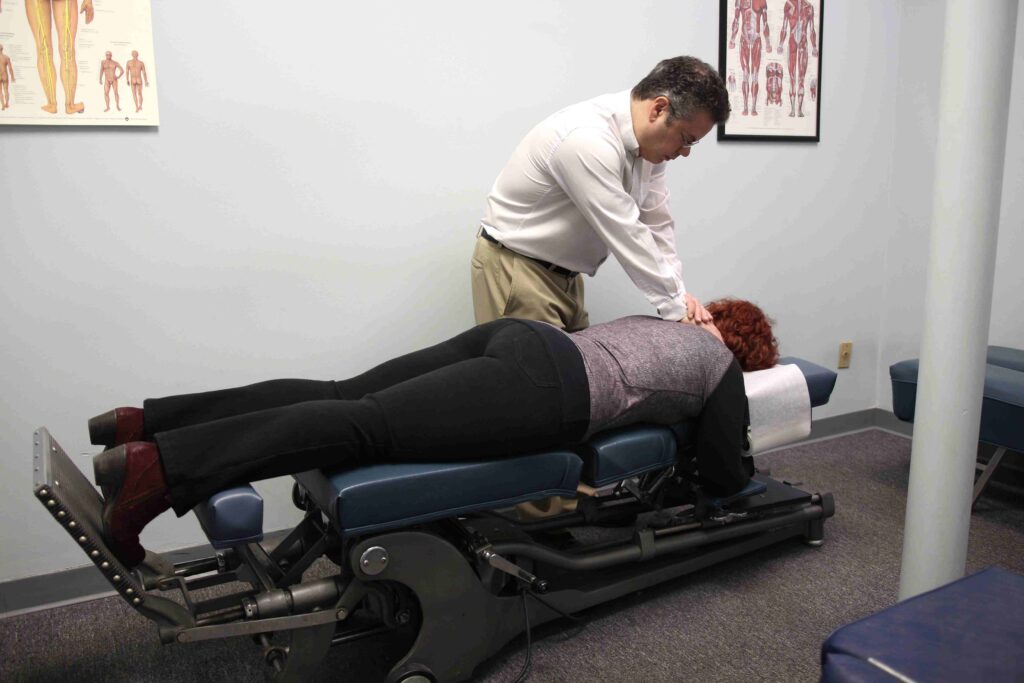
In the domain of pain relief, chiropractic adjustments play an essential role in restoring spinal alignment and improving overall function. These adjustments are tailored to your specific needs, helping to alleviate discomfort and enhance mobility.
Here's a quick overview of common adjustment techniques you might encounter during your sessions:
- Diversified Technique: This is a hands-on approach that involves precise thrusts to restore movement in specific joints.
- Activator Method: Using a small instrument, this technique delivers gentle impulses to targeted areas, promoting alignment without forceful manipulation.
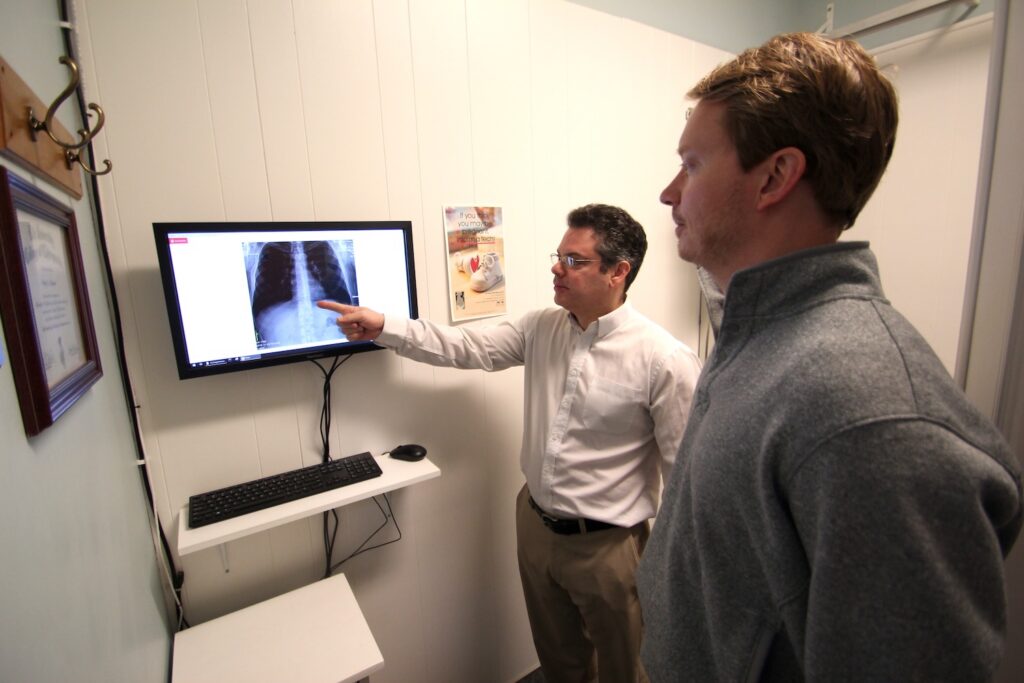
- Gonstead Technique: Focused on detailed analysis, this method aims for precise adjustments, often using X-rays to guide treatment.
- Thompson Technique: This involves a specialized table that drops to assist in the adjustment, making it a more comfortable experience.
- Flexion-Distraction: A gentle technique that involves stretching the spine while applying traction, this method is particularly effective for disc-related issues.
Each technique has its unique benefits and can be effective for different types of back pain.
Massage Therapy Benefits
Massage therapy offers a complementary approach to chiropractic adjustments, enhancing overall treatment effectiveness and promoting relaxation. When you incorporate massage into your back pain relief routine, you can experience numerous benefits that support your recovery.
One major advantage of massage therapy is its ability to reduce muscle tension. By targeting tight areas, massage helps to relieve pressure on your spine and surrounding muscles, which can lead to less pain and discomfort.
Additionally, the increased circulation from massage promotes healing, delivering essential nutrients and oxygen to your muscles.
Massage therapy also encourages the release of endorphins, your body's natural painkillers. This can lead to an improved mood and a decrease in stress, which are vital for managing chronic pain.
Plus, the relaxation you experience during a session can help you sleep better, further aiding in your recovery.
Stretching Exercises for Relief
Incorporating stretching exercises into your daily routine can considerably alleviate back pain. These exercises help maintain flexibility, reduce tension, and improve posture, all of which are essential for a healthy back. You don't need a lot of time or special equipment; just a few minutes each day can make a difference.
Here are some effective stretches you can try:
- Cat-Cow Stretch: This dynamic stretch warms up your spine and improves flexibility.
- Child's Pose: A gentle stretch that relaxes your back and hips, promoting stress relief.
- Seated Forward Bend: This stretch targets your hamstrings and lower back, helping to ease tension.
- Torso Twist: A great way to relieve tightness in your spine and improve mobility.
- Knee-to-Chest Stretch: This helps to elongate your lower back and relieve discomfort.
Make sure to perform each stretch slowly and hold for 15-30 seconds. Focus on your breath, and listen to your body—never push yourself to the point of pain.
Regularly practicing these stretches not only eases back pain but also enhances your overall well-being. Remember, consistency is key. By dedicating just a few minutes each day to stretching, you'll likely notice a decrease in discomfort and an increase in your flexibility over time.
Strengthening Your Core
Strengthening your core is essential for maintaining a healthy back and preventing pain.
Core stability exercises not only enhance your strength but also improve your balance and posture.
When you focus on building a strong core, you create a solid foundation that supports your entire body.
Core Stability Exercises
To effectively tackle back pain, focusing on core stability exercises is essential. Strengthening your core muscles helps support your spine, which can alleviate discomfort and improve your overall posture.
You don't need fancy equipment; you can do many exercises right at home. Here are five effective core stability exercises to get you started:
- Plank: Hold a straight body position on your forearms and toes, keeping your core tight.
- Bridge: Lie on your back with knees bent, lift your hips towards the ceiling, and squeeze your glutes.
- Bird-Dog: Start on all fours, extend one arm and the opposite leg simultaneously, then switch sides.
- Side Plank: Lie on your side, prop yourself up on one forearm, and lift your hips off the ground.
- Dead Bug: Lie on your back, raise your legs to a 90-degree angle, and alternate extending opposite arm and leg.
Incorporating these exercises into your routine can help you build a strong foundation, providing stability and reducing the likelihood of recurring back pain.
Importance of Core Strength
Why is core strength so vital for overall health and well-being? Your core is the foundation of your body's stability and strength. It's not just about having a six-pack; your core includes all the muscles in your abdomen, lower back, and pelvis.
When these muscles are strong, they support your spine, improve your posture, and help prevent back pain.
Having a strong core enhances balance and coordination, making everyday activities easier and safer. Whether you're lifting groceries, playing sports, or even just sitting at your desk, a strong core supports your movements and reduces the risk of injuries.
Additionally, a strong core can improve your athletic performance. You'll notice increased power in your movements, whether you're running, cycling, or participating in any physical activity.
Moreover, core strength plays a significant role in maintaining proper alignment and reducing stress on your joints. When your core is weak, other muscles compensate, leading to strain and potential injury.
Ergonomic Workspace Setup
As you spend hours at your desk, creating an ergonomic workspace setup can greatly reduce back pain and enhance your overall comfort. A few simple adjustments can make a big difference in how you feel throughout the day.
Here are some key elements to take into account when setting up your workspace:
- Chair height: Adjust your chair so your feet rest flat on the floor, and your knees are at a 90-degree angle.
- Monitor placement: Position your monitor at eye level, about an arm's length away, to prevent straining your neck.
- Keyboard and mouse: Keep your keyboard and mouse at the same level to keep your wrists straight and minimize tension.
- Desk height: Verify your desk allows your elbows to stay close to your body and your forearms to be parallel to the floor.
- Lighting: Use adequate lighting to reduce glare on your screen, preventing eye strain and discomfort.
Importance of Good Posture
Good posture is essential for your overall health and can greatly reduce back pain.
By recognizing common posture mistakes, you can make simple adjustments that lead to lasting benefits.
Let's explore how standing and sitting correctly can transform your daily comfort.
Benefits of Proper Posture
Maintaining your body's alignment through proper posture can greatly enhance your overall well-being.
When you sit, stand, or move correctly, you're not just avoiding back pain; you're also supporting various aspects of your health.
Here are some key benefits of good posture:
- Improved breathing: Proper posture opens up your airways, allowing for deeper breaths and better oxygen flow.
- Enhanced digestion: When you sit or stand up straight, your digestive organs have more space to function effectively.
- Increased energy: Good posture reduces fatigue by minimizing the strain on your muscles and joints, making daily activities feel less burdensome.
- Better mood: Studies show that standing tall can boost confidence and elevate your mood, reducing feelings of stress and anxiety.
- Prevention of injuries: Maintaining proper alignment helps protect your body from injuries related to muscle strain and joint pain.
Common Posture Mistakes
Even with the benefits of proper posture, many people unknowingly fall into common posture mistakes that can lead to discomfort and pain.
One major issue is slumping or hunching forward, especially when sitting for long periods. This position puts unnecessary strain on your back and neck. You might also catch yourself leaning to one side while sitting or standing, which can cause muscle imbalances and tension.
Another common mistake is looking down at your phone or computer for extended periods. This "tech neck" can lead to stiffness and pain in your upper back.
You should also be mindful of your feet; standing with your weight shifted to one leg can create uneven pressure on your spine.
Lastly, when lifting objects, bending at the waist instead of using your legs can lead to serious back injuries.
Remember, maintaining good posture isn't just about looking confident; it's essential for your overall health. By being aware of these mistakes and correcting them, you can greatly reduce your risk of back pain and enhance your well-being.
Make a conscious effort to check your posture throughout the day.
Massage Therapy Options
If you're struggling with back pain, exploring various massage therapy options can provide significant relief. Massage therapy can help reduce muscle tension, improve circulation, and promote relaxation, all of which are crucial for alleviating discomfort.
Here are some popular massage techniques you might consider:
- Swedish Massage: This technique uses gentle strokes and kneading to promote relaxation and improve blood flow. It's perfect for overall stress relief.
- Deep Tissue Massage: If your back pain stems from muscle knots or chronic tension, deep tissue massage targets deeper layers of muscle and connective tissue, helping to release tightness.
- Trigger Point Therapy: This method focuses on specific points in your muscles that refer pain to other areas. By applying pressure to these points, you can alleviate back pain effectively.
- Myofascial Release: This technique aims to release tension in the fascia, the connective tissue surrounding muscles, helping to restore mobility and reduce pain.
- Sports Massage: Especially useful if you're active, this type of massage focuses on preventing and treating injuries, enhancing performance, and aiding in recovery.
Before starting any massage therapy, it's important to consult with a qualified therapist who can tailor the treatment to your specific needs.
Regular sessions can lead to a noticeable improvement in your back pain, allowing you to enjoy a more active and pain-free lifestyle.
Heat and Cold Therapy
When dealing with back pain, heat and cold therapy can be effective tools in your relief arsenal. Each method offers unique benefits that can help alleviate discomfort and promote healing.
Heat therapy works by increasing blood flow to the affected area, which relaxes tight muscles and eases stiffness. You can use a heating pad, hot water bottle, or even take a warm bath. Apply heat for about 15 to 20 minutes at a time. Just make sure it's not too hot to avoid burns. This method is especially beneficial when you're dealing with chronic pain or muscle tension.
On the other hand, cold therapy helps reduce inflammation and numb sharp pain. You can use an ice pack or a bag of frozen vegetables wrapped in a towel. Apply the cold source for 15 to 20 minutes, allowing your skin to return to normal temperature in between sessions. Cold therapy is particularly effective for acute injuries or flare-ups.
Combining both methods can provide even greater relief. For instance, you might start with cold therapy to reduce inflammation, followed by heat to relax muscles.
It's important to listen to your body and see which method works best for you. If your pain persists or worsens, consult a healthcare professional for further evaluation. Using heat and cold therapy wisely can play a significant role in managing your back pain effectively.
Developing a Pain Management Plan
Creating a personalized pain management plan is essential for effectively addressing your back pain. This plan should cater to your specific needs, lifestyle, and pain levels. By taking a proactive approach, you can greatly improve your quality of life.
Here are some key components to keep in mind when developing your plan:
- Identify Triggers: Keep a journal to track activities, movements, and postures that exacerbate your pain. This can help you avoid these triggers in the future.
- Exercise Regularly: Incorporate low-impact exercises like swimming or walking into your routine. Aim for at least 30 minutes most days to strengthen your back and improve flexibility.
- Utilize Pain Relief Techniques: Explore options like heat and cold therapy, acupuncture, or massage therapy, which can provide temporary relief and support recovery.
- Consult a Professional: Work with a healthcare provider or physical therapist to tailor your plan. They can offer guidance on safe exercises and treatment options.
- Monitor Progress: Regularly assess your pain levels and adjust your plan as necessary. This could involve changing exercises, trying new therapies, or exploring medication options.
Conclusion
Incorporating chiropractic adjustment techniques into your routine can make a real difference in relieving back pain. By understanding the benefits of these methods and combining them with stretching, core strengthening, and good posture, you can enhance your overall well-being. Don't forget the value of massage therapy and heat or cold treatments, too. With a personalized pain management plan, you're well on your way to a healthier, more comfortable life. Start taking those steps today!