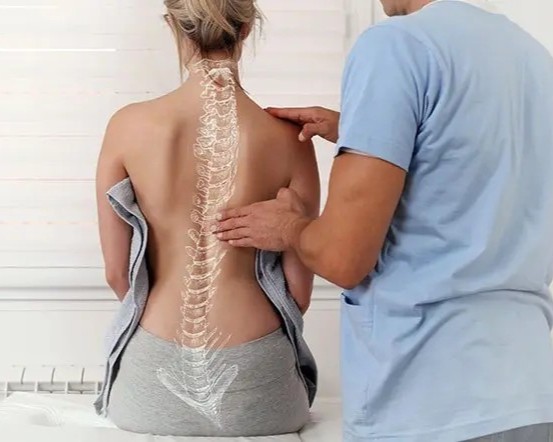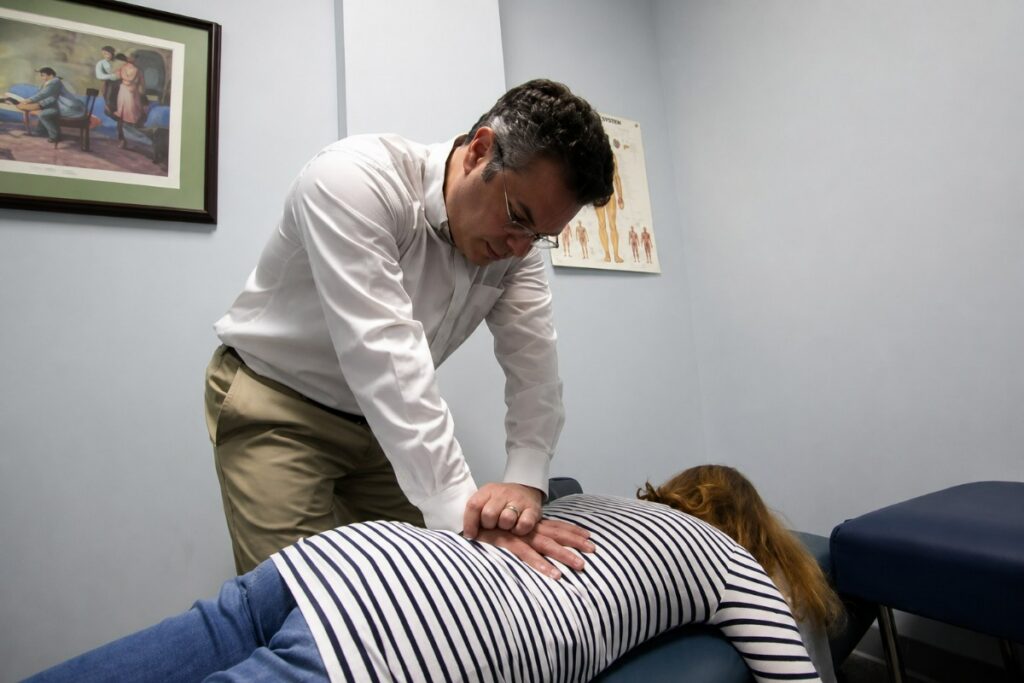

If you're dealing with chronic pain in Charlotte, NC, you might be wondering about the best relief options available. You've got a range of choices, from physical therapy techniques that strengthen and restore function to medication management tailored just for you. Complementary therapies like acupuncture and chiropractic care could also play a significant role in your treatment plan. But what lifestyle modifications can further support your journey to relief? Exploring these options could lead you to effective strategies that might change how you manage your pain.
Physical Therapy Techniques
When it comes to managing chronic pain, various physical therapy techniques can make a significant difference in your quality of life. These techniques can help you regain mobility, strengthen muscles, and reduce discomfort, all of which are essential for daily living.
One effective approach is therapeutic exercise, where a physical therapist guides you through specific movements tailored to your condition. This can improve flexibility and endurance while reducing stiffness.
Manual therapy is another beneficial technique. Through hands-on manipulation, your therapist can alleviate tension in your muscles and joints, providing immediate relief.
You might also find modalities like ultrasound or electrical stimulation helpful. These treatments can promote circulation and reduce inflammation, enhancing your overall healing process.
Incorporating stretches into your routine is also important. Stretching can improve your range of motion and prevent future injuries. Your therapist can show you appropriate stretches that target your pain areas, ensuring you perform them safely and effectively.
Don't overlook the importance of education in your physical therapy journey. A knowledgeable therapist will teach you about your condition, helping you understand the mechanics behind your pain. This understanding empowers you to manage your symptoms better and fosters a proactive approach to your health.
Finally, consistency is key. Committing to your physical therapy sessions and at-home exercises can lead to long-term improvements. By actively participating in your recovery, you're taking the right steps toward a pain-free, fulfilling life.
Medication Management
When managing chronic pain, understanding prescription medications and their alternatives is essential.
You'll want to explore all your options to find what works best for you.
Let's take a closer look at the various medications available and some alternative pain relief methods that might help.
Prescription Medications Overview
Prescription medications play an essential role in managing chronic pain for many individuals in Charlotte, NC. These medications are often tailored to your specific condition and pain level, providing targeted relief.
Common types of prescription pain medications include nonsteroidal anti-inflammatory drugs (NSAIDs), opioids, and adjuvant therapies like antidepressants and anticonvulsants.
NSAIDs, such as ibuprofen and naproxen, can reduce inflammation and alleviate mild to moderate pain. Opioids, including morphine and oxycodone, are usually reserved for more severe pain but come with a higher risk of dependence and side effects. Your healthcare provider will assess your pain and discuss the best option for you.
Adjuvant medications can also play a significant role in your pain management plan. Antidepressants and anticonvulsants can help manage nerve pain and improve your overall quality of life.
However, it's vital to communicate openly with your doctor about any side effects or concerns you may have.
Effective medication management helps you regain control over your daily activities and improves your overall well-being.
Always work closely with your healthcare team to find the best combination of medications for your unique situation.
Alternative Pain Relief Options
Chronic pain management doesn't have to rely solely on prescription medications. Many alternative pain relief options can complement or even replace traditional treatments, offering you effective ways to manage your discomfort.
One popular alternative is physical therapy. A trained therapist can design a personalized program that targets your specific pain points, helping to improve mobility and reduce pain over time.
Another option is acupuncture, which involves inserting thin needles into specific points on your body. Many people find that this ancient practice helps alleviate pain and promotes relaxation.
Mind-body techniques like meditation and yoga can also play a significant role in pain management. These practices not only help you connect with your body but can also reduce stress, which often exacerbates pain.
Additionally, dietary changes and nutritional supplements may provide relief; consider consulting a nutritionist to explore anti-inflammatory foods or supplements that could help.
Finally, don't overlook the power of support groups or counseling. Sharing your experiences with others who understand can be incredibly therapeutic.
Exploring these alternatives can empower you to take charge of your chronic pain management journey.
Chiropractic Care
Chiropractic care offers a range of benefits for managing chronic pain, including effective adjustments that can relieve discomfort and improve mobility.
You'll find various techniques tailored to your specific needs, helping to target the root cause of your pain.
Choosing the right chiropractor is key, so it's important to evaluate their experience and approach to treatment.
Benefits of Chiropractic Adjustments
Many individuals seeking relief from chronic pain in Charlotte, NC, have found chiropractic adjustments to be an effective option. These adjustments can help realign your spine and improve your body's overall function, which is essential for managing pain. By targeting misalignments, chiropractors can reduce nerve irritation and enhance your body's natural healing abilities.
One of the key benefits of chiropractic adjustments is pain reduction. Many patients experience immediate relief after their sessions, as the adjustments alleviate pressure on nerves and joints. In addition, these adjustments can increase your range of motion, making it easier for you to perform daily activities without discomfort.
Chiropractic care also promotes better posture, which can prevent future pain episodes. As your posture improves, you may notice less strain on your muscles and joints.
Moreover, regular adjustments can enhance your overall wellness by boosting your immune system and reducing stress levels.
Incorporating chiropractic adjustments into your pain management plan can lead to a holistic approach to care, addressing not only symptoms but also the root causes of your chronic pain. If you're looking for a natural and effective option, consider chiropractic care as part of your journey to relief.
Techniques for Pain Relief
There are several effective techniques for pain relief within chiropractic care that can greatly improve your quality of life. One of the most common methods is spinal manipulation, which helps realign your spine and relieve pressure on nerves, reducing pain and improving mobility.
You might also benefit from soft tissue therapy, which targets muscles and other tissues to alleviate tension and promote healing.
Another technique you can explore is therapeutic exercises, tailored specifically to strengthen areas of weakness and improve your overall function. These exercises are often integrated into your treatment plan, allowing you to take an active role in your recovery.
Additionally, many chiropractors incorporate modalities like heat therapy, cold therapy, or electrical stimulation to enhance pain relief and promote healing. These techniques can provide immediate symptom relief and support your chiropractic adjustments.
Finally, lifestyle modifications, including ergonomic assessments and nutritional advice, can play an essential role in managing your pain. By addressing the underlying causes of your discomfort, you can achieve long-term relief.
With these techniques, chiropractic care offers a thorough approach to managing chronic pain effectively.
Choosing a Chiropractor
When selecting a chiropractor, it's crucial to take into account their experience and approach to care. Look for someone who specializes in treating chronic pain, as this expertise can create a substantial difference in your treatment. Check their credentials and verify they're licensed and have a solid educational background.
Don't hesitate to ask about their treatment methods. Some chiropractors may focus on spinal adjustments, while others might incorporate holistic techniques or physical therapy. Knowing their approach helps you determine if it aligns with your personal preferences and comfort level.
Another important factor is communication. You want a chiropractor who listens to your concerns and explains their techniques clearly. A good rapport can enhance your experience and improve the effectiveness of your treatment.
Lastly, consider the clinic's environment. A welcoming, organized space can make your visits more enjoyable. Read patient reviews or ask for recommendations from friends and family to gauge their experiences.
Ultimately, choosing the right chiropractor can greatly impact your journey toward chronic pain relief, so take your time and make an informed decision.
Acupuncture Benefits
Among the various holistic approaches to managing chronic pain, acupuncture stands out as a compelling option. This ancient practice, rooted in Traditional Chinese Medicine, involves inserting fine needles into specific points on your body. It may sound intimidating, but many people find the experience surprisingly relaxing and beneficial.
One of the primary benefits of acupuncture is its ability to alleviate pain. Studies show that it can be particularly effective for conditions like arthritis, migraines, and back pain. By stimulating the body's natural healing processes, acupuncture helps release endorphins, which are your body's natural painkillers. This can provide you with substantial relief, often without the need for medication.
Additionally, acupuncture promotes better blood circulation and encourages the flow of energy, or "Qi," throughout your body. This can lead to reduced inflammation and improved overall health. Many patients also report enhanced sleep quality and reduced stress levels after just a few sessions.
If you're considering acupuncture, it's crucial to consult a licensed acupuncturist who can tailor the treatment to your specific needs. They'll assess your condition and create a personalized plan to help you achieve ideal results.
In Charlotte, NC, there are many qualified practitioners who can guide you through the process. Whether you're seeking relief from chronic pain or simply want to enhance your well-being, trying acupuncture might be the next step toward a more balanced and pain-free life.
Massage Therapy Options
While acupuncture provides significant benefits for chronic pain relief, massage therapy offers another effective avenue worth exploring. If you're dealing with chronic pain, massage therapy can help alleviate discomfort and promote relaxation. There are various styles of massage available, so you can choose one that best fits your needs.
Swedish massage is a popular option that uses long strokes and gentle kneading to relax your muscles and improve circulation. This type can be particularly soothing for those with tension or stress-related pain.
Deep tissue massage, on the other hand, focuses on deeper layers of muscle and connective tissue, making it ideal for chronic muscle pain and stiffness.
For those who prefer a more holistic approach, consider myofascial release therapy. This technique targets the fascia, the connective tissue surrounding muscles, which can help release tension and improve mobility.
Additionally, trigger point therapy zeroes in on specific tight spots in your muscles, relieving pain and discomfort effectively.
When seeking massage therapy in Charlotte, NC, it's important to find a licensed and experienced therapist. Many therapists specialize in treating chronic pain, so don't hesitate to ask about their qualifications and techniques.
Regular sessions can lead to significant improvements in your overall well-being, helping you regain control over your life. Remember, consistency is key—integrating massage therapy into your routine can help you manage and reduce chronic pain effectively.
Mind-Body Therapies
Mind-body therapies frequently offer valuable tools for managing chronic pain by harnessing the connection between your mind and body. These techniques can empower you to take control of your pain, reduce stress, and improve your overall quality of life. By focusing on the interplay between mental states and physical sensations, you can cultivate a greater awareness of your body and emotions.
One popular approach is mindfulness meditation, which encourages you to observe your thoughts and feelings without judgment. By practicing mindfulness, you can develop a more compassionate relationship with your pain, helping you to respond to it rather than react in frustration. This shift in perspective often leads to reduced pain perception and increased emotional resilience.
Another effective mind-body therapy is guided imagery. In this technique, you visualize peaceful and calming scenes, allowing your mind to create a sense of relaxation that can help ease your physical discomfort. Engaging your imagination in this way not only distracts you from pain but also triggers your body's natural relaxation response.
Yoga and tai chi are also beneficial, combining gentle movement with focused breathing and mindfulness. These practices enhance flexibility, strength, and balance while promoting relaxation and stress relief.
Alternative Treatments
Alternative treatments for chronic pain in Charlotte, NC, offer a range of options that can complement traditional medical approaches. These treatments often focus on holistic healing, addressing both physical and emotional aspects of your pain.
You might find relief through acupuncture, a practice rooted in Traditional Chinese Medicine. By inserting thin needles into specific points on your body, it can help balance your energy and reduce pain.
Another popular option is chiropractic care. Chiropractors use spinal manipulation to improve alignment and relieve pain, particularly in the back and neck. Many patients report significant reductions in pain after regular sessions.
Additionally, massage therapy can be highly effective, as it helps reduce muscle tension and improve circulation, enhancing your overall wellbeing.
Herbal supplements and natural remedies are also worth considering. Many people find relief with turmeric, ginger, or omega-3 fatty acids, which have anti-inflammatory properties. Before starting any new supplement, consult with your healthcare provider to guarantee safety and effectiveness.
Mindfulness and meditation are alternative treatments that can help manage chronic pain by reducing stress and improving your mental state. Practicing techniques like deep breathing or guided imagery can shift your focus away from pain and promote relaxation.
Lastly, consider exploring energy therapies such as Reiki or Qigong. These practices aim to balance your energy and promote healing through gentle movements and intention.
Each of these alternative treatments offers a unique approach, so experimenting with different options can help you find what works best for your chronic pain relief.
Lifestyle Modifications
Making lifestyle modifications can greatly impact your chronic pain management in Charlotte, NC. By making simple changes, you can enhance your overall well-being and reduce the intensity of your pain.
Start by focusing on your diet. Incorporate anti-inflammatory foods like fruits, vegetables, whole grains, and healthy fats. Limiting processed foods and sugars can also help decrease inflammation.
Regular physical activity is another important modification. Aim for low-impact exercises, such as walking, swimming, or yoga. These activities can strengthen your muscles, improve flexibility, and boost your mood.
Don't forget to listen to your body; rest when you need to, but keep moving as much as possible.
Stress management is essential for pain relief too. Practices like mindfulness, meditation, and deep breathing can help you cope with stress and reduce pain perception. Consider setting aside time each day to engage in these activities.
Sleep is often overlooked but is critical for managing chronic pain. Aim for 7-9 hours of quality sleep per night. Establish a bedtime routine that promotes relaxation, such as reading or taking a warm bath.
If sleep issues persist, consult a healthcare provider.
Lastly, creating a support system is critical. Connect with friends, family, or local support groups to share experiences and coping strategies.
These lifestyle modifications can lead to significant improvements in your pain management. By focusing on your daily habits, you can take charge of your chronic pain and enhance your quality of life.
Conclusion
In Charlotte, you've got access to a range of effective chronic pain relief options. By combining physical therapy techniques, medication management, and complementary therapies like acupuncture and massage, you can tailor your approach to what works best for you. Don't forget the importance of lifestyle modifications, too, as they can greatly enhance your well-being. Explore these diverse solutions and take control of your pain management journey—there's a world of relief waiting for you!