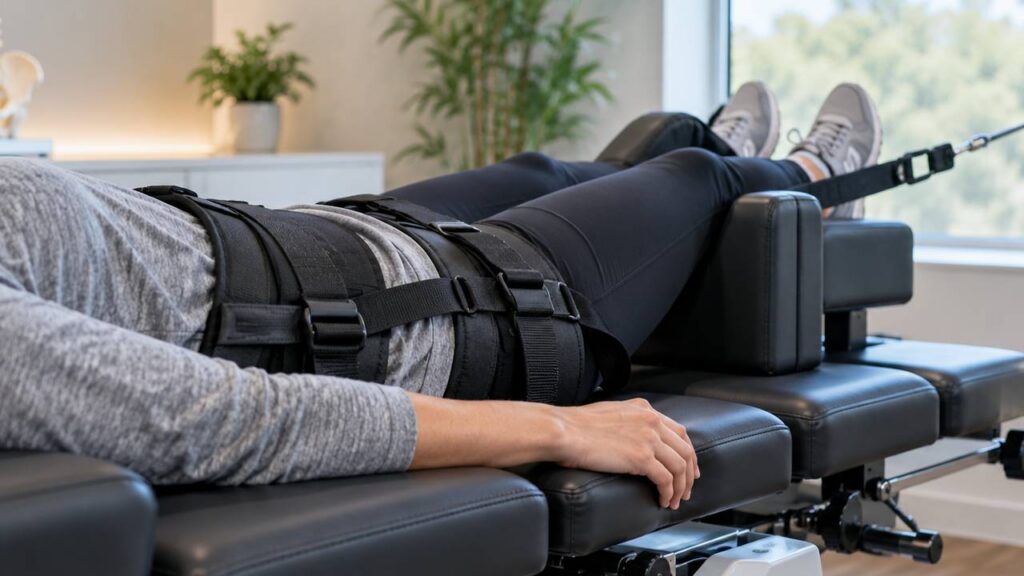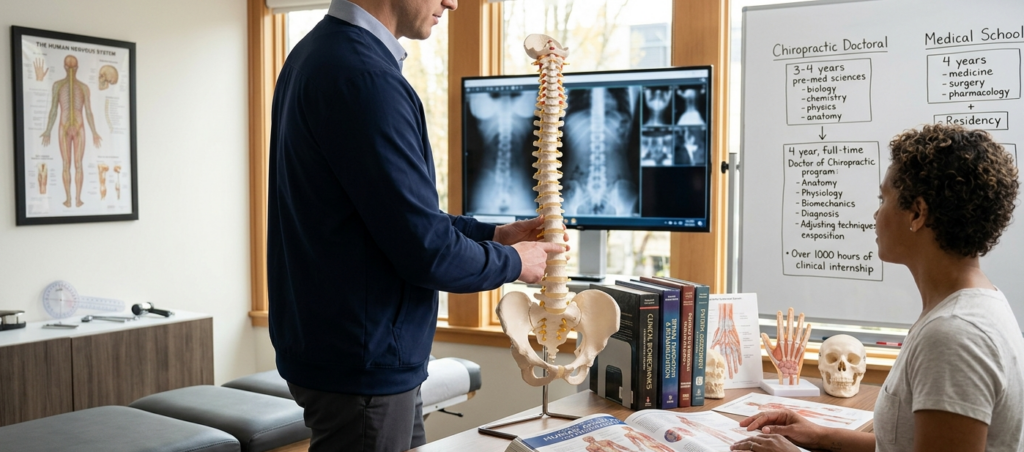

As a local chiropractor, I understand that many of you may be struggling with chronic back pain, and I want you to know that you're not alone. There are effective, natural ways to find relief that can significantly improve your comfort and overall quality of life. By making simple adjustments to your daily routine, you can take proactive steps towards managing your pain.
Understanding the importance of posture is crucial; it can make a world of difference in how your back feels. Additionally, exploring mindfulness techniques can help you cope with pain on a mental level. Each of these strategies is vital in the holistic approach we advocate for in chiropractic care.
But what if I told you that there are even more methods to enhance your well-being? Let's delve into seven actionable techniques that can transform your relationship with chronic back pain. Embracing these approaches could pave the way for a more active and fulfilling life, and I'm here to guide you on this journey to natural healing.
Practice Good Posture
As a local chiropractor, I want to emphasize the importance of practicing good posture for both preventing and alleviating back pain. Many people may not realize how significantly poor posture can affect their overall well-being. When you sit, stand, or move, maintaining a neutral spine is key to reducing strain on your back muscles and ligaments. Slouching or hunching over can place unnecessary pressure on your spine, leading to discomfort and pain over time.
To help you improve your posture, I encourage you to be mindful of your body positioning throughout the day. For those who spend long hours at a desk, it's vital to ensure your chair provides proper support for your lower back. Make sure your feet are flat on the ground, and your knees are bent at a 90-degree angle. Position your computer screen at eye level to avoid craning your neck, which can lead to tension and discomfort.
When standing, distribute your weight evenly on both feet and avoid locking your knees. Engaging your core muscles slightly can provide additional support to your spine. If you find yourself carrying a bag, try to use both shoulders to maintain balance and reduce strain on one side of your body.
Even during everyday activities, such as lifting objects, it's crucial to bend your knees and keep your back straight. This technique isn't only safer for your spine but also helps prevent injuries.
Lastly, don't forget about your posture while walking. Keep your head up, shoulders back, and arms relaxed at your sides. By consistently applying these posture techniques in your daily life, you can alleviate existing back pain and prevent future discomfort.
This commitment will allow you to enjoy a more active and pain-free lifestyle, which is my ultimate goal for all my patients. If you have any questions or need further guidance, don't hesitate to reach out. Together, we can work towards improving your posture and overall health.
Engage in Regular Exercise
As a local chiropractor, I want to emphasize that maintaining good posture is just one aspect of achieving optimal back health. Engaging in regular exercise is equally crucial. Incorporating physical activity into your daily routine can significantly strengthen the muscles that support your spine, helping to alleviate back pain and prevent future issues.
You don't need to commit to a rigorous gym schedule; even moderate activities such as walking, swimming, or cycling can be incredibly beneficial. I recommend aiming for at least 150 minutes of moderate aerobic activity each week, complemented by strength training exercises on two days.
Focusing on exercises that engage your core is particularly important, as a strong core helps to stabilize your spine and reduce strain on your back. Consider integrating practices like yoga or Pilates into your routine. These disciplines not only enhance flexibility but also instill proper movement patterns and alignment.
Stretching is another vital component; it aids in maintaining your range of motion and can help alleviate muscle tension that contributes to discomfort. It's essential to listen to your body during exercise. If you experience any pain, please stop immediately and consult with a healthcare professional, like myself.
The goal is to find a balance that works for you—consistency is essential, but it's important to avoid overexertion. Finally, I encourage you to incorporate physical activity into your everyday life. Simple changes, such as opting for stairs instead of elevators or choosing to stand while you work, can lead to significant improvements.
Utilize Heat and Cold Therapy
As a local chiropractor, I often see patients struggling with back pain, and one of the effective strategies I recommend is utilizing heat and cold therapy. Many people may not be familiar with how these methods can provide relief, so let me explain how they work and how you can incorporate them into your pain management routine.
Heat therapy is beneficial because it increases blood flow to the area experiencing pain. This enhanced circulation promotes healing and can help relax tense muscles. You can easily apply heat using a heating pad, a hot water bottle, or even a warm towel.
Just a reminder: be cautious not to use anything that's too hot, as you want to avoid burns. Aim to apply heat for about 15 to 20 minutes at a time, taking breaks as needed. This can significantly help alleviate stiffness and discomfort, making it easier for you to move.
On the flip side, cold therapy is excellent for reducing inflammation and numbing sharp pain. You can use ice packs, a bag of frozen vegetables, or a cold compress wrapped in a cloth.
Like heat therapy, you should apply it for 15 to 20 minutes at a time, allowing your skin to return to its normal temperature between applications. Cold therapy is particularly effective right after an injury or during a flare-up of chronic pain, as it helps to calm the immediate discomfort.
For many of my patients, combining both heat and cold therapy can yield the best results. I often suggest starting with cold therapy to reduce swelling and then switching to heat to relieve muscle tension.
It's important to listen to your body throughout this process—if one method seems to worsen your pain, it's best to stop using it.
While heat and cold therapy can provide temporary relief, remember that it's essential to address the underlying causes of your back pain. As a chiropractor, my goal is to help you find long-term solutions through a holistic approach to health and wellness.
If you have any questions or would like to learn more about how chiropractic care can benefit you, feel free to reach out!
Explore Physical Therapy
As a local chiropractor dedicated to educating my patients about natural healing, I want to highlight the importance of physical therapy as an effective treatment for back pain. While many are familiar with heat and cold therapy, physical therapy offers a comprehensive approach to restore movement, strength, and function to your back.
When you come to see me, I'll begin by evaluating your condition to understand your specific needs and limitations. Based on this assessment, I can work with you to create a personalized treatment plan that incorporates physical therapy techniques. This may include a variety of exercises designed to enhance flexibility and strengthen the muscles that support your spine.
In our sessions, you'll engage in exercises that often encompass stretching, strengthening, and aerobic conditioning—each vital for alleviating pain and preventing future injuries. I may also incorporate manual therapy, which involves hands-on techniques aimed at relieving tension and enhancing mobility.
One of the key benefits of physical therapy is that it empowers you to take charge of your pain management. You'll learn about proper body mechanics and ergonomics, which will help you perform daily activities in a safe and efficient manner. This knowledge can significantly reduce strain on your back, minimizing the risk of pain flare-ups.
Moreover, physical therapy can boost your overall physical fitness, which is essential for long-term back health. As you progress in your strength and flexibility, you'll likely notice improvements in your posture and balance—further lowering your risk of injury.
Integrating physical therapy into your treatment plan can truly be transformative in your journey to alleviate chronic back pain. By collaborating with a healthcare professional like myself, you can develop a well-rounded strategy that supports your recovery, allowing you to lead a more active and pain-free life.
Embracing natural healing through chiropractic care and physical therapy can pave the way for a healthier future.
Consider Mindfulness Techniques
As a local chiropractor, I want to share with you how incorporating mindfulness techniques into your daily routine can significantly alleviate back pain. Mindfulness encourages you to focus on the present moment, fostering a greater awareness of your body and its sensations. By practicing mindfulness, you can strengthen your connection with your physical self, which often results in reduced tension and discomfort.
A great way to begin is through mindful breathing. Set aside a few moments each day to sit quietly and concentrate on your breath. As you inhale and exhale, pay attention to any tightness in your back. This simple practice can help you release stress and promote relaxation in your muscles, complementing the adjustments we work on together.
Another beneficial approach is body scan meditation. This technique involves mentally checking in with different areas of your body, starting from your toes and moving up to your head. As you focus on each section, consciously relax any tension you notice. This can enhance your awareness of how your body responds to stress and posture, which is key in chiropractic care.
Additionally, I encourage you to consider integrating gentle yoga or stretching into your routine. Mindful movement can enhance both flexibility and strength, while also promoting relaxation. This is an excellent complement to the chiropractic adjustments I provide, as it can help maintain your spine's alignment and overall wellness.
To summarize, here are some mindfulness techniques that can support your healing journey:
- Mindful Breathing: Focus on your breath to center your thoughts and release tension.
- Body Scan Meditation: Check in with each part of your body to identify and relax any tension.
- Gentle Yoga or Stretching: Combine movement with mindfulness for improved flexibility and relaxation.
Maintain a Healthy Weight
As a local chiropractor, I want to emphasize the importance of maintaining a healthy weight, especially when it comes to relieving back pain. Achieving and sustaining a balanced weight can significantly alleviate strain on your spine and overall musculoskeletal system.
By adopting a nutritious diet and incorporating regular physical activity into your routine, you can't only strengthen your body but also support your back's health.
It's also vital to practice portion control, which can help you manage your weight effectively. This approach not only aids in pain relief but also promotes overall wellness, allowing your body to function at its best.
Balanced Diet Importance
As your local chiropractor, I want to emphasize the vital role that a balanced diet plays in managing back pain. Many people may not realize that carrying excess weight can significantly increase the strain on your spine. When your body has to support extra pounds, it can lead to discomfort and even long-term issues if not addressed.
By eating a well-rounded diet, you can't only maintain a healthy weight but also promote overall spine health.
Incorporating nutrient-dense foods into your meals is key to keeping your weight in check and supporting your body's natural healing processes. Here are some essential components to consider for a balanced diet:
- Lean Proteins: Including foods like chicken, fish, and legumes in your diet can help you build muscle without adding unnecessary fat. This is particularly important for maintaining a strong support system for your spine.
- Fruits and Vegetables: These powerhouses are packed with vitamins, minerals, and antioxidants that help promote healing and reduce inflammation in the body. They can be incredibly beneficial for alleviating back pain.
- Whole Grains: Choosing whole grains such as brown rice, quinoa, and whole wheat bread will provide you with sustained energy and essential fiber, which aids in digestion and overall health.
By focusing on these food groups, you can take proactive steps towards managing your back pain naturally and enhancing your overall well-being.
Regular Exercise Benefits
As a local chiropractor, I want to emphasize the importance of regular exercise in alleviating back pain and maintaining a healthy weight. Engaging in consistent physical activity is key to strengthening the muscles that support your spine. This not only improves your posture but also reduces the strain on your back, making you less susceptible to pain and injuries that can occur during daily activities.
Additionally, maintaining a healthy weight is crucial in minimizing stress on your back. Carrying excess weight, particularly around the abdomen, can cause your pelvis to tilt forward, which increases the curve in your lower back. By incorporating regular exercise into your routine, you can burn calories and shed those extra pounds that contribute to this strain.
I recommend a balanced approach that includes cardiovascular exercises, strength training, and flexibility workouts. Activities such as walking, swimming, or yoga can help you lose weight while simultaneously enhancing your overall well-being. It's important to choose exercises that you find enjoyable, as this will increase your likelihood of sticking with them over the long term.
Make it a daily habit to stay active. Your back will thank you, and you'll feel more energized and capable of handling life's challenges.
Prioritize your health through regular exercise, and you'll see how it not only transforms your weight but also significantly aids in relieving back pain. Remember, taking care of your body naturally is a vital step towards achieving optimal health and wellness.
Portion Control Strategies
As a local chiropractor dedicated to helping you achieve optimal health, I want to emphasize the importance of mastering portion control in your journey to manage weight and alleviate back pain. Maintaining a healthy weight is crucial, as it reduces the stress on your spine and muscles, making it easier for you to move comfortably and efficiently.
To start, I encourage you to pay attention to your serving sizes and tune in to your body's hunger signals. Here are some practical strategies that can assist you in taking control of your portion sizes:
- Utilize smaller plates: This is a simple yet effective method to make your portions look larger, which can trick your mind into feeling satisfied with less food. It's a visual cue that can help you eat mindfully.
- Pre-portion your snacks: Instead of reaching into a bag of chips or nuts, take the time to pack individual servings. By doing this, you can prevent mindless snacking and keep your calorie intake under control, which is vital for maintaining a healthy weight.
- Chew slowly: I can't stress enough the importance of taking your time while eating. Thorough chewing aids digestion and allows your brain to register feelings of fullness, helping you avoid overeating.
Incorporating these portion control strategies into your daily routine can significantly contribute to your weight management efforts.
As you maintain a healthy weight, you'll reduce the pressure on your back, making it easier to manage and alleviate chronic pain. Remember, even small changes can lead to significant improvements over time! Your spine will thank you for it!
Consult With a Specialist
When back pain becomes a persistent issue, it's essential to consider the benefits of chiropractic care as part of your recovery journey. As a chiropractor, I specialize in understanding the spine and its relationship to the overall health of your body. My goal is to provide targeted assessments and personalized treatment plans designed specifically for your unique situation. This tailored approach often leads to more effective results compared to general healthcare options.
During your consultation, I'll conduct a thorough examination to understand your back pain better. Expect me to ask detailed questions about your pain's history, its intensity, and how it impacts your daily life. This information is crucial for identifying the root cause of your discomfort and guiding us toward the right treatment.
In many cases, we may use diagnostic tools like posture analysis or range of motion tests to gain further insights into your condition. Based on my findings, I'll recommend a variety of natural treatment options, including spinal adjustments, physical therapy techniques, and lifestyle modifications to help alleviate your pain and promote healing.
I encourage you to ask questions during our consultation. Understanding your condition and the available treatment options empowers you to make informed decisions about your health. Additionally, seeking a second opinion can offer you further clarity and confidence in your chosen treatment path.
Ultimately, consulting with a chiropractor gives you access to the latest techniques and knowledge in natural healing and back pain management. Don't let chronic back pain hold you back; take the proactive step of seeking expert chiropractic care today to reclaim your quality of life.
Conclusion
As a local chiropractor dedicated to helping you understand the benefits of chiropractic care and natural healing, I want to share seven effective strategies for managing chronic back pain. First and foremost, practicing good posture is essential; it can significantly reduce the strain on your back. Staying active is another key factor; gentle movements and exercises can strengthen your muscles and promote flexibility.
In addition, utilizing heat and cold therapy can provide immediate relief from discomfort. I also encourage you to explore mindfulness techniques, which can help you manage pain and stress more effectively. Maintaining a healthy weight is crucial as well, as excess weight can put additional pressure on your spine.
Finally, I recommend consulting with a chiropractic specialist. This ensures that you receive personalized care tailored to your unique needs. By embracing these approaches, you can take control of your pain and enhance your overall well-being. Remember, your journey to a pain-free life starts with understanding and taking proactive steps towards your health.