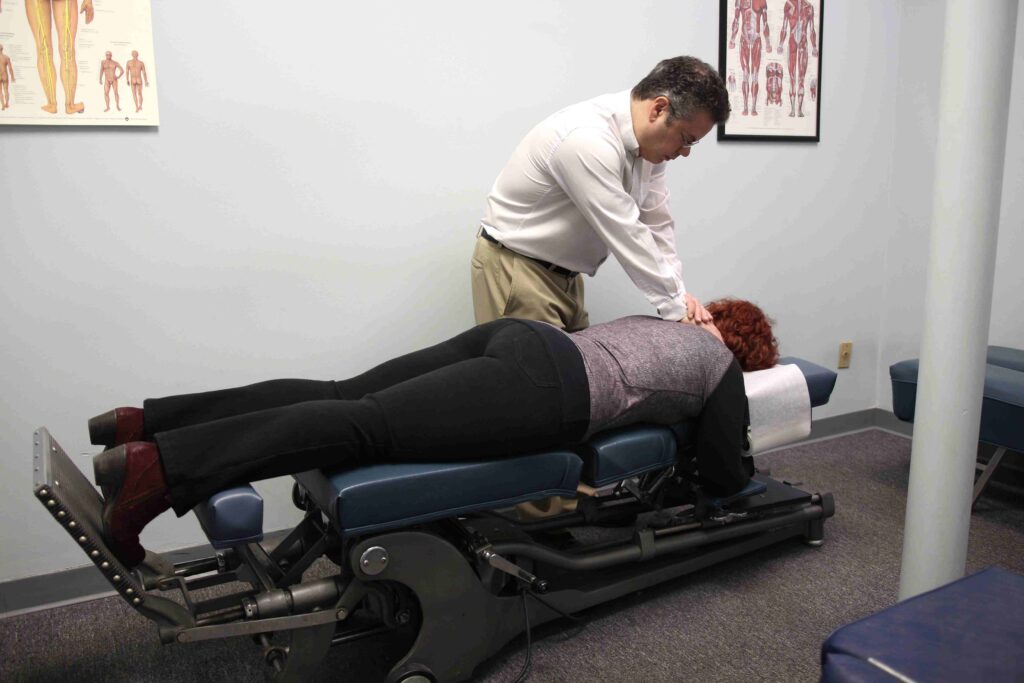

If you're living with chronic pain, finding effective ways to manage it naturally can be essential for improving your quality of life. You might be surprised to learn that simple lifestyle changes can make a significant difference. From incorporating regular physical activity to exploring dietary adjustments, there are several strategies that can help ease your discomfort. But that's just the beginning—each approach has its nuances that can maximize results. Let's explore these tips further, so you can discover which ones resonate with you the most.
Stay Active
Staying active is essential for managing chronic pain effectively. When you move your body, you help maintain flexibility, strengthen muscles, and improve your overall stamina. These benefits can greatly reduce the intensity of your pain over time. You don't need to engage in high-impact activities; even gentle exercises can make a difference. Simple activities like walking, swimming, or cycling can help you stay engaged without overwhelming your body.
It's important to find an exercise routine that suits your needs and abilities. Start with small, manageable goals; even a few minutes a day can lead to improvements. Consider incorporating stretching or yoga into your regimen, as these practices can enhance flexibility and promote relaxation.
Remember, consistency is key. Aim to establish a routine that you can stick to, even if it means gradually increasing your activity level.
Additionally, listen to your body. If you experience pain during an activity, don't push yourself too hard. Instead, modify the exercise or take a break. Engaging in low-impact exercises like tai chi or water aerobics can provide a supportive environment for your joints while still allowing you to stay active.
Finally, consider joining a group or finding a workout buddy. Having support can motivate you to stay committed to your routine. By incorporating regular movement into your daily life, you'll not only help manage your chronic pain but also improve your mood and overall well-being.
Practice Mindfulness
Incorporating mindfulness into your daily routine can complement your physical activity and enhance your approach to managing chronic pain. Mindfulness involves being fully present in the moment, focusing on your thoughts and sensations without judgment. This practice can help you cultivate a greater awareness of your body and its signals, allowing you to respond to pain more effectively.
Start by dedicating a few minutes each day to mindfulness. You can practice through techniques like deep breathing, meditation, or mindful walking. During these moments, pay attention to your breath and the sensations in your body. Acknowledge any discomfort you feel, but try not to dwell on it. Instead, shift your focus to your breath or the environment around you.
You might also find it helpful to incorporate mindfulness into your daily activities. Whether you're eating, exercising, or even washing dishes, try to engage fully with the experience. Notice the textures, sounds, and smells, and allow yourself to be immersed in the present moment.
This can distract you from pain and help reduce stress.
Explore Dietary Changes
When it comes to managing chronic pain, what you eat can make a big difference.
Incorporating anti-inflammatory foods, staying properly hydrated, and considering nutritional supplements can all help alleviate discomfort.
Let's explore how these dietary changes can support your pain management journey.
Anti-inflammatory Foods Selection
A vibrant plate filled with colorful fruits and vegetables can be your ally in managing chronic pain. Focus on incorporating anti-inflammatory foods into your diet to help reduce discomfort and improve your overall well-being.
Start with leafy greens like spinach and kale, which are packed with antioxidants. Berries, such as blueberries and strawberries, are also great options due to their high levels of vitamins and anti-inflammatory properties.
Don't forget about healthy fats! Incorporate sources like avocados, nuts, and olive oil. These fats can help lower inflammation and provide essential nutrients. Fatty fish, like salmon and mackerel, are rich in omega-3 fatty acids, which have been shown to reduce pain and inflammation.
Spices can also play an essential role in your diet. Turmeric, with its active compound curcumin, is known for its powerful anti-inflammatory effects. Ginger is another fantastic addition that can help soothe pain naturally.
Finally, be mindful of processed foods, sugar, and refined carbs—they can increase inflammation. By making these dietary changes, you can create a nourishing environment in your body, ultimately helping you manage chronic pain more effectively.
Hydration's Role in Pain
Staying hydrated plays a significant role in managing chronic pain. When you drink enough water, you help your body maintain ideal function, which can alleviate discomfort. Dehydration can lead to muscle cramps, fatigue, and joint pain, making your chronic pain even worse. By prioritizing hydration, you can support your body in its healing processes.
Aim to drink at least eight 8-ounce glasses of water daily, but remember that individual needs may vary. Incorporating hydrating foods like fruits and vegetables into your diet can also boost your hydration levels. Think about snacks like cucumbers, watermelon, or oranges—they're not only invigorating but also packed with vitamins and minerals.
You might want to pay attention to your body's signals. If you feel thirsty, don't wait! Drink water right away.
If you notice that certain drinks, like caffeinated beverages or alcohol, dehydrate you, consider limiting them. Herbal teas or infused water with fruits can be great alternatives.
Nutritional Supplements Benefits
Incorporating nutritional supplements into your daily routine can provide significant benefits for managing chronic pain. These supplements can help address nutritional deficiencies, reduce inflammation, and support overall health, making it easier for you to cope with pain.
Omega-3 fatty acids, found in fish oil, are known for their anti-inflammatory properties. They can help decrease joint pain and stiffness. Similarly, turmeric, with its active ingredient curcumin, has been shown to reduce inflammation and may help alleviate pain linked to arthritis.
Magnesium is another essential mineral that can relax muscles and nerve function. Low magnesium levels are often associated with chronic pain conditions.
Additionally, vitamin D plays an important role in bone health and immune function. If you're deficient, supplementing with vitamin D can help improve your overall well-being.
Before adding any supplements to your routine, it's wise to consult with a healthcare professional. They can help you choose the right supplements based on your specific needs and make sure they won't interfere with any medications you may be taking.
With the right approach, nutritional supplements can be a powerful ally in your journey to manage chronic pain naturally.
Incorporate Stretching and Yoga
Incorporating stretching and yoga into your routine can considerably ease chronic pain.
These practices not only improve flexibility but also promote relaxation and mindfulness, helping you manage discomfort more effectively.
Let's explore some specific techniques that can bring you relief.
Benefits of Stretching
While you may not think of stretching as a crucial part of managing chronic pain, it plays an important role in enhancing flexibility and reducing stiffness. Regular stretching helps maintain your range of motion, making everyday activities easier and less painful. By incorporating simple stretches into your routine, you can alleviate tension in your muscles and joints, which often contribute to chronic pain.
Additionally, stretching increases blood flow to your muscles, promoting healing and recovery. When blood circulates better, it delivers critical nutrients and oxygen, helping to reduce inflammation and discomfort.
You might also find that stretching serves as a valuable mental break, allowing you to focus on your body and your breath, which can reduce stress and anxiety linked to chronic pain.
It's essential to listen to your body while stretching. Don't push yourself too hard; gentle movements can be just as effective. Aim to dedicate a few minutes each day to stretch, focusing on areas that feel tight or painful.
Yoga Techniques for Relief
Yoga offers a powerful approach to managing chronic pain, combining stretching with mindful movement. By incorporating specific yoga techniques into your routine, you can enhance flexibility, reduce tension, and improve your overall well-being.
Here are some effective yoga techniques to take into account:
- Child's Pose: This gentle stretch helps release tension in your back and hips, promoting relaxation.
- Cat-Cow Stretch: This flow helps improve spinal mobility and alleviates tension in the neck and shoulders.
- Downward-Facing Dog: This pose stretches multiple muscle groups while also helping to relieve stress and calm the mind.
- Corpse Pose: A restorative position that encourages deep relaxation, helping you connect with your breath and quiet your mind.
As you practice these techniques, listen to your body and adjust poses as needed.
It's crucial to focus on your breath, which can further enhance relaxation and pain relief.
Consistency is key, so aim to incorporate these techniques into your daily routine.
With time and patience, you may find that yoga becomes an invaluable tool in your journey to manage chronic pain naturally.
Utilize Heat and Cold Therapy
Harnessing the power of heat and cold therapy can considerably alleviate chronic pain. Both methods offer unique benefits that can help you manage discomfort and enhance your well-being.
When you use heat therapy, you're promoting blood circulation and relaxing tight muscles. A warm compress or heating pad can soothe aching joints and alleviate stiffness, allowing you to move more freely.
Try applying heat for about 15 to 20 minutes at a time, ensuring you don't burn your skin. Opt for moist heat, like a warm towel or a hot bath, as it often penetrates deeper into tissues.
On the other hand, cold therapy can numb sharp pain and reduce inflammation. Ice packs or cold compresses work wonders, especially after physical activity or flare-ups.
Apply cold for 10 to 15 minutes, taking breaks in between to prevent skin damage. This technique can also be particularly useful for conditions like arthritis and sports injuries.
Combining heat and cold therapy can create a powerful tool for managing pain. You might find alternating between the two methods helps you achieve ideal relief.
Listen to your body and adjust the temperature and duration to suit your needs.
Consider Herbal Supplements
Herbal supplements can be a valuable addition to your pain management toolkit. Many people find that certain herbs help alleviate chronic pain, reduce inflammation, and improve overall well-being.
However, it's important to consult with a healthcare professional before starting any new supplement, especially if you're already on medication. Here are some popular herbal options to take into account:
- Turmeric: Known for its anti-inflammatory properties, turmeric may help reduce pain associated with arthritis and other inflammatory conditions.
- Ginger: This powerful root can help reduce muscle pain and soreness while also alleviating nausea that might accompany chronic pain.
- Willow Bark: Often used as a natural alternative to over-the-counter pain relievers, willow bark has been shown to be effective for lower back pain and osteoarthritis.
- Capsaicin: Found in chili peppers, capsaicin is known to provide temporary relief from pain by decreasing the amount of substance P, a chemical that transmits pain signals.
When you choose to incorporate herbal supplements into your routine, it's important to monitor how your body responds.
Keep a journal to track any improvements or side effects you experience. Remember, while herbal supplements can support pain management, they should complement other strategies you're using, rather than replace them.
Seek Supportive Therapies
When managing chronic pain, seeking supportive therapies can make a notable difference in your overall well-being. These therapies complement your existing treatment plan and help you cope with pain more effectively. They can also provide emotional support, which is essential when dealing with chronic conditions.
Consider exploring physical therapy. Working with a qualified therapist can improve your mobility, strength, and flexibility while reducing pain. They'll tailor exercises to your specific needs, helping you regain control over your body.
Additionally, acupuncture has shown promise in alleviating pain for many individuals. This ancient practice stimulates specific points on the body, promoting natural healing and pain relief.
Don't overlook the power of massage therapy. Regular sessions can ease muscle tension, enhance circulation, and promote relaxation. You might find that deep tissue or Swedish massage provides relief that helps you manage daily activities more comfortably.
Cognitive-behavioral therapy (CBT) is another supportive option. This type of therapy helps you develop coping strategies, challenge negative thought patterns, and manage stress, which can be especially beneficial for those dealing with chronic pain.
Finally, consider joining a support group. Connecting with others who understand your experience can offer emotional relief and practical advice. Sharing your journey and hearing others' stories can empower you and reduce feelings of isolation.
Incorporating these supportive therapies into your routine can notably enhance your ability to manage chronic pain and improve your quality of life.
Conclusion
Managing chronic pain naturally is possible with the right strategies. By staying active, practicing mindfulness, and exploring dietary changes, you can make a significant difference in your well-being. Incorporating stretching, utilizing heat and cold therapy, and considering herbal supplements can provide additional relief. Don't forget to seek supportive therapies tailored to your needs. By taking these steps, you're empowering yourself to take control of your pain and improve your quality of life.