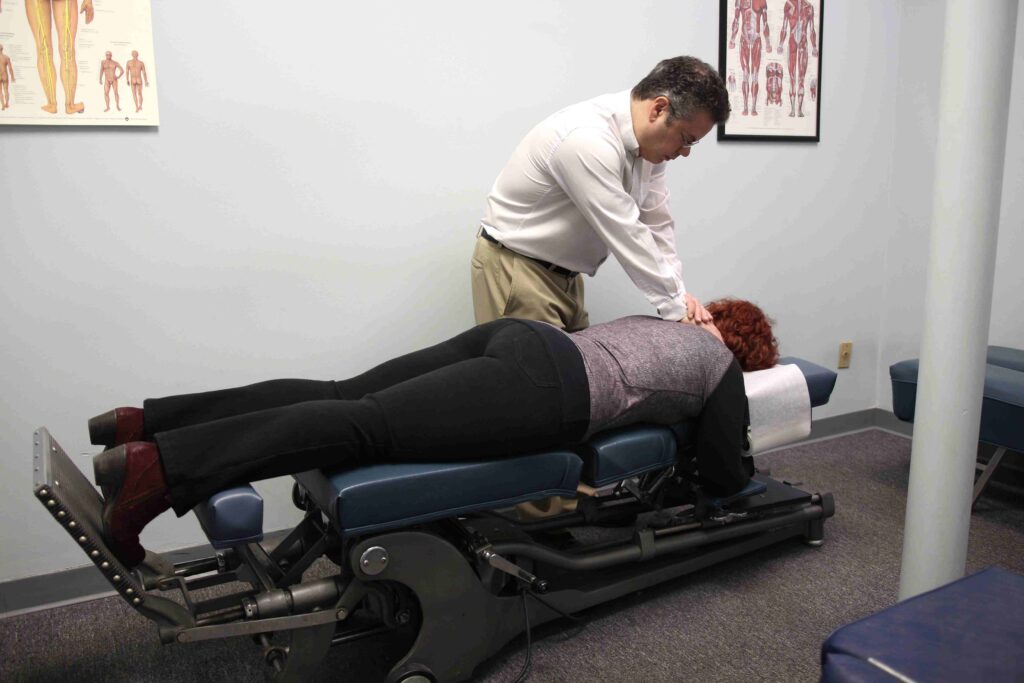

If you're feeling overwhelmed by stress, chiropractic care might be a valuable resource for you. It's not just about spinal adjustments; there are various strategies that can help alleviate tension and promote relaxation. By understanding the connection between your spine and stress levels, and incorporating regular adjustments and relaxation techniques, you can take significant steps toward a calmer you. Plus, maintaining good posture and fostering open communication with your chiropractor can enhance your overall experience. Curious about how these tips can transform your approach to stress relief? Let's explore them further.
Understand the Connection
Stress can manifest in various ways, often leading to physical discomfort and tension in your body. You might notice tightness in your shoulders, headaches, or even lower back pain. These symptoms often arise because stress can cause your muscles to contract, resulting in misalignments in your spine.
When your body's out of alignment, it can create a cycle of stress that affects both your physical and mental well-being. Understanding this connection is essential. When you're stressed, your body enters a state of heightened alertness, preparing you to respond to perceived threats. This response can lead to muscle tension, which strains your joints and nerves.
Over time, this tension can limit your range of motion and contribute to chronic pain. By recognizing how stress affects your body, you can take proactive steps to alleviate discomfort. Chiropractic care plays a valuable role in addressing these issues.
A chiropractor can help restore proper alignment to your spine, reducing the tension and discomfort caused by stress. This not only improves your posture but also enhances your body's ability to function effectively. As a result, you may experience a reduction in stress-related symptoms, allowing you to feel more relaxed and at ease.
Incorporating chiropractic care into your routine can provide significant relief, helping you break the cycle of stress and discomfort. By understanding the connection between stress and your body, you empower yourself to take charge of your health and well-being.
Schedule Regular Adjustments
To effectively manage stress and its physical effects, scheduling regular chiropractic adjustments is vital. These adjustments help align your spine, improve your posture, and enhance your overall well-being. By making chiropractic care a routine part of your health regimen, you can greatly reduce the tension that accumulates in your muscles and joints due to stress.
When you experience stress, your body often tenses up, leading to discomfort and pain. Regular adjustments can alleviate this tension, allowing your body to function more efficiently. You'll find that with each visit, your range of motion improves, and you may even notice a decrease in headaches, neck pain, and lower back pain—all common physical manifestations of stress.
It's important to establish a consistent schedule for your adjustments. Depending on your needs, your chiropractor may recommend weekly, bi-weekly, or monthly visits. Finding the right frequency guarantees that you maintain the benefits of your treatment and keep your body in balance.
Don't wait until you're in pain to seek care; proactive adjustments can help prevent stress-related issues from becoming more serious.
In addition to relieving physical symptoms, regular chiropractic care fosters a sense of routine and self-care. Taking this time for yourself can be a powerful tool in managing your overall stress levels.
Incorporate Relaxation Techniques
Incorporating relaxation techniques into your routine can greatly enhance the benefits you gain from chiropractic care. When you're under less stress, your body can respond better to adjustments, allowing for more effective healing.
One simple technique is deep breathing. Take a few minutes each day to breathe deeply, filling your lungs completely. This helps calm your nervous system and lowers stress levels.
Another great method is progressive muscle relaxation. Start at your toes and work your way up, tensing each muscle group for a few seconds before releasing. This not only reduces muscle tension but also promotes mindfulness, helping you stay present and aware of your body.
Meditation is another powerful tool. Even just five to ten minutes of focused meditation can clear your mind, reduce anxiety, and improve your overall well-being. You don't need to be an expert; just find a quiet space, close your eyes, and focus on your breath. If your mind wanders, gently guide your thoughts back to your breathing.
Incorporating yoga or gentle stretching can also be beneficial. These practices not only improve flexibility but also encourage relaxation. They can help release stored tension in your muscles, complementing the adjustments you receive from your chiropractor.
Lastly, consider setting aside time for hobbies you enjoy. Whether it's painting, gardening, or reading, engaging in activities that bring you joy can greatly reduce stress and improve your overall health.
Maintain Good Posture
Practicing good posture is vital for overall health and can greatly enhance the effectiveness of chiropractic care. When you maintain proper alignment in your body, you reduce strain on your muscles and joints. This not only alleviates tension but also supports your spine, making it easier for your chiropractor to help you achieve peak wellness.
To improve your posture, consider these simple tips:
- Be mindful of your sitting position: Make certain your back is straight and your feet are flat on the floor. Use a chair that supports your lower back.
- Strengthen your core muscles: Engaging your core can help stabilize your spine and maintain proper alignment. Incorporate exercises like planks or bridges into your routine.
- Adjust your workspace: If you spend long hours at a desk, verify your monitor is at eye level and your keyboard is positioned to keep your wrists straight.
When you actively practice good posture, you not only reduce the risk of discomfort and injury but also promote better breathing and circulation, which can further decrease stress levels.
Additionally, good posture helps create a positive self-image and boosts confidence, contributing to a more relaxed state of mind.
Remember, it takes time to rewire your habits, but with consistent effort, you'll notice the benefits in both your physical health and overall well-being.
Communicate With Your Chiropractor
Effective communication with your chiropractor is essential for optimizing your treatment and achieving stress relief. When you visit your chiropractor, take the time to discuss your symptoms, lifestyle, and any concerns you may have. Being open and honest about your experience helps them tailor your care to fit your specific needs.
Start by sharing details about your stress levels and how they manifest physically. Whether it's tension in your neck, headaches, or muscle tightness, let your chiropractor know. This information guides them in evaluating your condition accurately.
Don't hesitate to ask questions about the techniques and treatments they recommend; understanding the process can alleviate anxiety and enhance your overall experience.
It's also crucial to provide feedback during your sessions. If something doesn't feel right or you're unsure about a technique, speak up. Your chiropractor can adjust their approach based on your comfort and response. Remember, you're a partner in this healing journey; your insights are invaluable.
Additionally, discuss your daily habits and any changes in your routine that might affect your stress levels. This information can help your chiropractor identify patterns and suggest lifestyle modifications to complement your treatment.
Finally, don't forget to follow up on your progress. Regularly updating your chiropractor on how you're feeling can lead to better treatment outcomes. The more you communicate, the better equipped they're to help you manage stress effectively and enhance your overall well-being.
Conclusion
Incorporating chiropractic care into your routine can greatly reduce stress and enhance your overall well-being. By understanding the connection between your spine and stress levels, scheduling regular adjustments, and practicing relaxation techniques, you'll feel more balanced and at ease. Remember to maintain good posture and communicate openly with your chiropractor for personalized care. Embrace these strategies, and you'll not only relieve stress but also improve your physical health and mental clarity. Start your journey to a more relaxed you today!