
If you're struggling with lower back disc pain, you might be wondering what your best options are in Charlotte. From physical therapy that strengthens your spine to chiropractic care focusing on alignment, there are several effective treatments available. You may also want to take into account epidural steroid injections for inflammation, acupuncture for pain relief, or even surgical interventions in more severe cases. Each option has its own merits, and understanding which might work best for you could make all the difference in your recovery. Let's explore these treatments further and find the right fit for you.
Physical Therapy Options
When dealing with lower back disc pain, physical therapy can be a game changer. You'll find that tailored exercises and stretching routines not only relieve pain but also help strengthen the muscles around your spine. A physical therapist will assess your specific condition and develop a personalized plan that targets your pain points effectively.
One of the primary focuses will be on improving your flexibility. Tight muscles can exacerbate your discomfort, so you'll engage in stretching exercises that gradually increase your range of motion.
You might also work on core stabilization exercises, which are vital for supporting your lower back. By strengthening your abdominal and back muscles, you'll reduce the pressure on your spine and decrease the risk of future injuries.
Another essential component of physical therapy is education. Your therapist will teach you proper body mechanics and posture, which can greatly influence your pain levels. You'll learn how to lift objects safely and maintain good posture while sitting or standing, making daily activities more manageable.
Additionally, modalities like heat, ice, or electrical stimulation might be used to manage pain and inflammation. These treatments can enhance your healing process and make your physical therapy sessions more effective.
Finally, consistency is key. By committing to your physical therapy regimen, you'll likely notice improvements over time, leading to a better quality of life.
Chiropractic Care
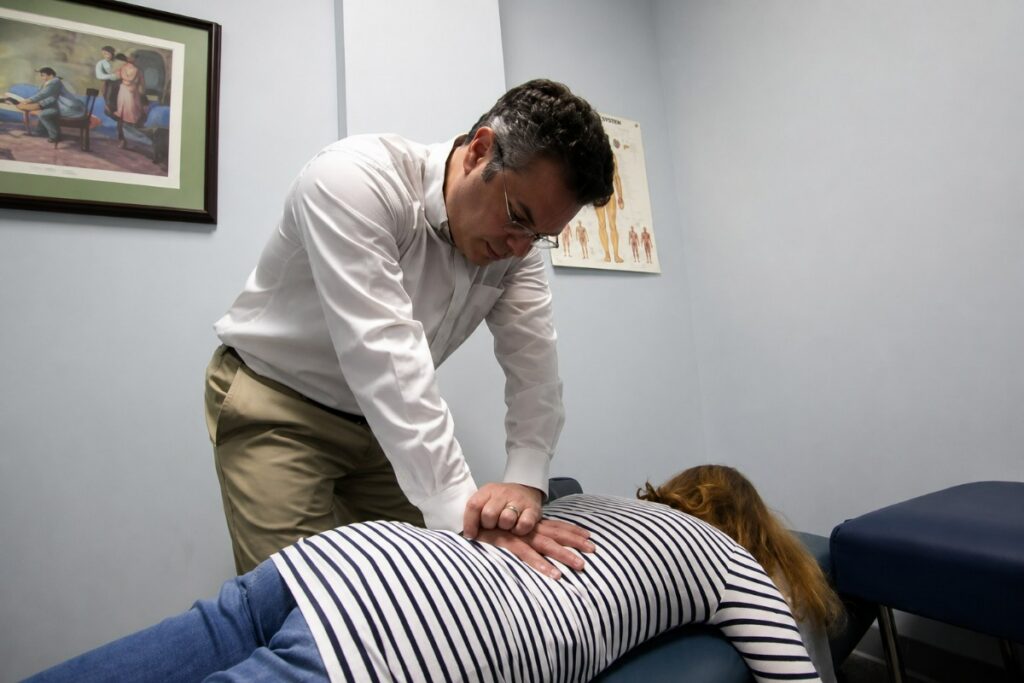
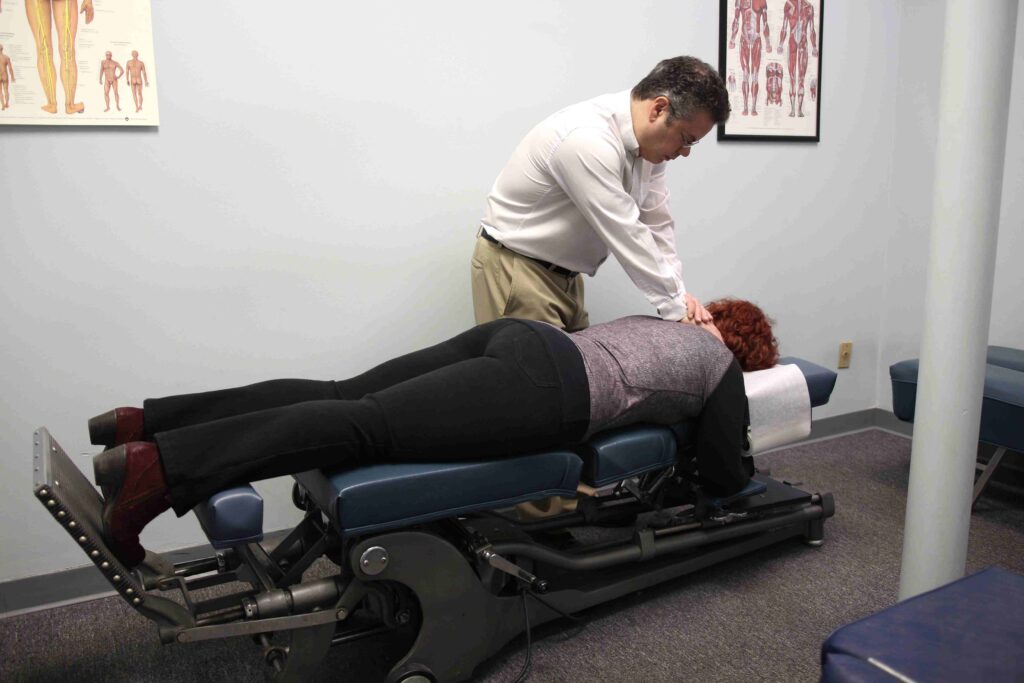
Chiropractic care can play an integral role in managing lower back disc pain. If you're experiencing discomfort, a chiropractor can help by evaluating your spine's alignment and mobility. They'll use hands-on manipulation techniques to adjust misaligned vertebrae, which can alleviate pressure on the discs and surrounding nerves. This not only helps reduce pain but also improves overall function.
During your visits, your chiropractor may employ various techniques tailored to your specific needs. These can include spinal adjustments, mobilizations, and soft tissue therapies. You'll likely notice a decrease in pain and an increase in flexibility as your treatment progresses.
Regular chiropractic sessions can also focus on strengthening the muscles that support your spine, helping prevent future issues.
Moreover, chiropractors often emphasize the importance of posture and ergonomics. They'll provide guidance on how to sit, stand, and lift properly to minimize strain on your back. This preventative approach can be vital for long-term recovery and overall spinal health.
It's important to communicate openly with your chiropractor about your symptoms and any changes you experience. They'll adjust your treatment plan as necessary to guarantee you're getting the most benefit.
Many patients find that combining chiropractic care with physical therapy enhances their recovery process, making it a well-rounded approach to managing lower back disc pain.
If you're struggling with lower back pain, consider scheduling a consultation with a chiropractor to explore personalized treatment options that can help you regain your quality of life.
Epidural Steroid Injections
If conservative treatments like chiropractic care haven't provided enough relief for your lower back disc pain, epidural steroid injections might be a viable option. These injections deliver corticosteroids directly into the epidural space around your spinal nerves, targeting inflammation and pain. They can help reduce swelling and irritation, providing you with considerable relief.
The procedure is typically performed in an outpatient setting and involves minimal downtime. Your healthcare provider will first numb the area with a local anesthetic before inserting a needle guided by imaging techniques. This precision guarantees the medication reaches the right spot.
While you might feel some discomfort during the injection, most patients find the relief afterward worth it. Epidural steroid injections aren't a permanent solution, but they can greatly improve your quality of life. Many patients experience relief for weeks or even months, allowing them to return to daily activities without the constant burden of pain.
Your doctor may recommend a series of injections, depending on your condition and response to treatment. It's vital to discuss your specific situation with your healthcare provider to determine if this treatment is appropriate for you.
They'll consider factors like your medical history and the severity of your symptoms. Keep in mind that while these injections can be effective, they're often part of a broader treatment plan that may include physical therapy and medication to manage your lower back disc pain effectively.
Acupuncture Treatments
Acupuncture treatments can offer a holistic approach to alleviating lower back disc pain. This ancient practice involves inserting thin needles into specific points on your body to stimulate energy flow, known as "qi." Many people find that acupuncture not only helps reduce pain but also enhances overall well-being.
When you visit an acupuncturist, they'll assess your condition, taking into account your specific symptoms and overall health. They'll tailor the treatment plan to meet your needs. You might notice a reduction in pain after just a few sessions, as acupuncture can help decrease inflammation and improve circulation in the affected area.
During your sessions, you may feel a slight tingling or warmth as the needles are inserted. Most people report that the experience is relaxing, often resulting in a feeling of calm and reduced stress. This relaxation response can further aid in pain relief, as stress can exacerbate discomfort.
You can typically expect to undergo multiple treatments for ideal results. The frequency and duration will depend on your individual condition and how your body responds. Many practitioners recommend a series of sessions to build upon the benefits.
While acupuncture isn't a one-size-fits-all solution, it can be an effective complementary therapy alongside other treatments like physical therapy or chiropractic care.
If you're looking for a natural method to manage your lower back disc pain, consider giving acupuncture a try. You might find it's just what you need to regain your quality of life.
Surgical Interventions
When conservative treatments like acupuncture don't provide sufficient relief from lower back disc pain, many people consider surgical interventions as a viable option.
Surgery can effectively address issues like herniated discs, spinal stenosis, or degenerative disc disease. However, it's important to weigh the benefits against the risks and recovery time involved.
Here are some common surgical interventions you might encounter:
- Discectomy: This involves removing a portion of the herniated disc to relieve pressure on nearby nerves.
- Laminectomy: This surgery removes a small section of the vertebrae to alleviate pressure on the spinal cord or nerves.
- Spinal Fusion: This procedure involves joining two or more vertebrae together to stabilize the spine and reduce pain.
- Artificial Disc Replacement: In this surgery, the damaged disc is replaced with an artificial one, aiming to preserve motion in the spine.
- Foraminotomy: This surgery enlarges the openings where nerve roots exit the spinal column, relieving nerve root compression.
Before deciding on surgery, consult with your healthcare provider to discuss your specific condition, the potential outcomes, and any alternatives.
You should also consider how surgery might impact your lifestyle and activities post-recovery. While surgery can offer significant relief, it's important to approach it with a clear understanding of your situation and goals.
Conclusion
In Charlotte, you've got a range of effective treatments for lower back disc pain. From personalized physical therapy and hands-on chiropractic care to targeted epidural steroid injections and holistic acupuncture, there's something for everyone. If your pain persists, surgical options like discectomy or spinal fusion can provide relief. It's vital to consult with a healthcare professional to find the best approach for your situation. Take the first step toward relief and regain your quality of life!