Maintaining long-term health isn't just about short-term fixes; it requires a strategic approach. You need to focus on balanced nutrition, regular exercise, and effective stress management to create sustainable habits. It might seem overwhelming at first, but implementing these strategies can lead to lasting benefits for your overall well-being. As you consider these tips, you'll discover how small adjustments can make a substantial difference. So, what are the specific steps you can take to start this journey?
Prioritize Balanced Nutrition
When it comes to long-term health, prioritizing balanced nutrition is imperative. You need to understand that the food you consume directly impacts your overall well-being. Incorporating a variety of fruits, vegetables, whole grains, lean proteins, and healthy fats into your diet guarantees you're providing your body with the nutrients it craves. Each food group plays an essential role in maintaining energy levels, supporting immune function, and promoting peak brain health.
Start by planning your meals. Aim for a colorful plate; the more variety you have, the better your chances of getting a range of vitamins and minerals. Don't forget to hydrate—water is vital for digestion, nutrient absorption, and overall health.
Limiting processed foods, which are often high in sugars and unhealthy fats, can also make a significant difference. Instead, opt for whole foods that nourish your body.
Listening to your body is just as important as what you eat. Pay attention to hunger cues and eat mindfully. This practice helps you recognize when you're full and prevents overeating.
Additionally, try to prepare meals at home. Cooking your own food allows you to control the ingredients, making it easier to stick to a balanced diet.
Lastly, consider consulting a nutritionist or dietitian for personalized advice. They can help you create a tailored plan that fits your lifestyle and health goals.
Prioritizing balanced nutrition isn't just a short-term fix; it's a commitment to your long-term health and well-being.
Incorporate Regular Exercise
Balanced nutrition lays a strong foundation for your health, but to truly thrive, you need to incorporate regular exercise into your routine. Exercise isn't just about losing weight or building muscle; it's essential for your overall well-being. Aim for at least 150 minutes of moderate aerobic activity, like brisk walking or cycling, each week. This can be broken down into manageable sessions—just 30 minutes a day, five days a week—making it easier to fit into your schedule.
Strength training is equally important. Try to include it at least twice a week. You don't need fancy equipment; bodyweight exercises like push-ups, squats, and lunges can be incredibly effective. These activities help build muscle, boost metabolism, and improve bone density.
Find activities you enjoy. Whether it's dancing, swimming, or hiking, doing something you love makes it easier to stick with it. Consider joining a class or finding a workout buddy to keep you motivated. Variety is key; mixing different types of exercise can prevent boredom and work different muscle groups.
Don't forget to listen to your body. Start slow, especially if you're new to exercising, and gradually increase intensity. Consistency matters more than intensity at the beginning.
Manage Stress Effectively
Managing stress effectively is essential for maintaining long-term health and well-being. Stress can lead to various health issues, including anxiety, depression, and cardiovascular problems. To combat this, it's important to develop strategies that help you manage stress in your daily life.
Start by identifying your stressors. Whether it's work demands, family responsibilities, or financial pressures, knowing what triggers your stress can empower you to take action. Once you've pinpointed these triggers, you can work on setting boundaries. Learn to say no when necessary, and prioritize tasks that truly matter.
Incorporating relaxation techniques into your routine can also help. Practices like deep breathing, meditation, or yoga can promote a sense of calm and balance. Even setting aside just a few minutes each day for these activities can make a significant difference.
Don't underestimate the power of social support. Talking to friends or family about your stress can provide relief and different perspectives. Joining a support group can also be beneficial, allowing you to share experiences with others facing similar challenges.
Lastly, keep your body healthy. Regular exercise, a balanced diet, and sufficient sleep can enhance your resilience to stress. When you feel physically well, you're better equipped to handle life's challenges.
Conclusion
Incorporating balanced nutrition, regular exercise, and effective stress management into your daily routine is key to long-term health. By prioritizing a variety of foods and staying active, you'll fuel your body and boost your energy levels. Don't forget to find time for relaxation and mindfulness to keep stress at bay. Remember, small, consistent changes can lead to sustainable habits that enhance your well-being for years to come. Start today, and enjoy the journey to better health!
Craig Schulman
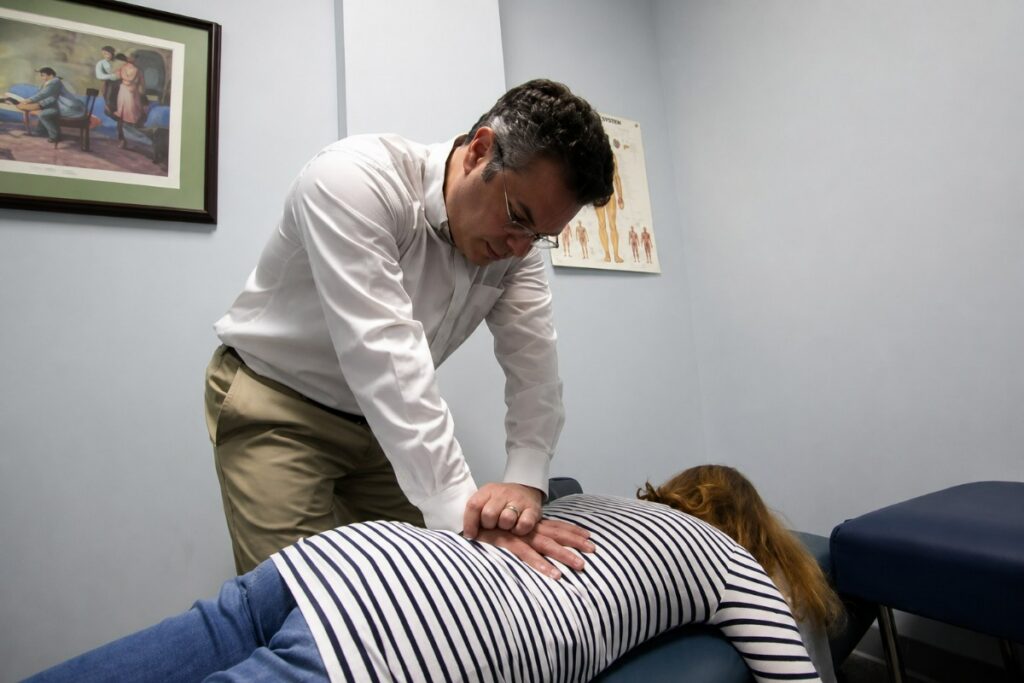
While in high school, Dr. Schulman was a football player. He ended up having neck pain, low back pain and headaches from his sport. His migraines would get so bad that he would be bedridden. Painkillers accompanied him everywhere, and he could hardly get through a day without them. A friend suggested Dr. Schulman try chiropractic. Desperate for a solution, he decided to see if the chiropractor could help.
The improvement Dr. Schulman saw from care was so impactful that he threw out his bottle of painkillers. He’d always been into health and fitness and made it his career by becoming a personal trainer. The clients he helped at the gym would often suffer from injuries, but he felt limited by how he could assist them. The next logical step was to enroll at chiropractic college.
Great experience at this chiropractic clinic. The staff was friendly, the office was clean and organized, and the chiropractor took the time to explain everything clearly. I felt noticeable relief after just a few visits. Highly recommend for anyone looking for quality care.
Thank you, Dr. Schulman, for helping me! Just a few short weeks ago, I was using a walker for the pain. Now, I’m not using a walker and I can even roll over! Amazing!
I had a severe neck/back fusion 8 years ago. If you ever contemplate spinal surgery, avoid it like the plague. The surgery was medically successful but now I am on permanent disability due to chronic pain from the surgery. I have done my due diligence for any kind of relief to no avail. This includes a 3.5 week pain rehab program at the Mayo clinic. Approx 2 weeks ago I was doing more research and came across a technique called Active Release Treatment which is directed at breaking up scar tissue which is what is causing 90% of my pain. I did more research which included talking to a friend who is a chiropractor and confirmed it is a treatment I should definitely try. I searched for doctors/clinics that offered this treatment as it requires certification to perform the treatment. I found Dr. Shulman online and did my research on his background. He has been practicing this for 13 years and all of his reviews were nothing but positive so I made an appointment. I have a very serious case which takes alot of treatment but at this point, all I can say is I wish I knew about this 8 years ago and my life would be so much better. I highly recommend seeing Dr Shulman if you are having any form of post spinal surgery muscular issues. Starting week 5 today and the amount of relief I have gotten is incredible. Dont pass this up it it describes your issues. BTW, he is a NY Giants and Yankees fan but I can't hold that against him. Lol.
I have been have carpel tunnel numbness in both arms for 25 years and was about to do surgery ,until I started seeing Dr. Schulman. He has helped me reduce the numbness by 80%. I also came in with heat running down my right leg from nerve oppression and the heat is gone since he has been doing the back adjustments. Both nerves in both legs are getting better and I trust Dr. Schulman that knows what he is doing because I am getting better.
Great chiropractor! I’ve been coming here for 9+ years. First time I ever went to a chiropractor and have been going back regularly ever since. Highly highly recommend.
Dr. Shulman has worked wonders on my lower back. He has been treating me for a year now and I have little to no back pain compared to when I first started. It's been a process but he is the best.
I have been visiting Chiropractic Fitness weekly since October 2025 for neck realignment services. Dr. Schulman have been OUTSTANDING during every visit. Dr. Schulman is very personable, extremely knowledgeable about chiropractic science, and throughly explains all aspects of every treatment. He and his staff go out of their way to make every patient, new or existing, comfortable during every interaction (in person or over the phone). My condition has steadily improved as a result of my treatments, as predicted by Dr. Schulman. He continuously demonstrates that my well-being is his priority. I highly recommend Dr. Schulman for chiropractic services. He and his staff truly care about their patients.
I've been going to Chiropractic Fitness since a car wreck 7 years ago left me with permanent back damage. I look forward to these appointments every week because they significantly reduce my pain. Dr. Schulman is good about making adjustments to different places as my pain moves around. I've learned that when my spine moves slightly out of place, it presses on nerves and causes pain. The adjustments remove the pressure on nerves, and the stretch exercises help with mobility pain over time.
Buenas tardes! Hablan español?<br><br>Actualización: Estoy feliz de haber tomado la decisión de venir a este consultorio, tengo una leve desviación en la columna, y mi cervical invertida, sentía demasiado dolor en mi zona lumbar, y desde hace varios meses que empecé a hacerme tratamientos quiroprácticos aquí, he visto una gran mejoria, cosa que no me sucedió antes en otro consultorio, el Doctor Schulman se ha tomado el tiempo de revisar cada molestia y ha encontrado el problema y con sus tratamientos me he sentido increíble, mi trabajo es pesado, y de verdad que he vuelto a sentirme bien y sin achaques jaja Son muy amables, y a pesar de no hablar inglés, se toman el tiempo de entenderme, y de yo poder entenderles con mucha paciencia! Estoy bastante agradecida con la atención del doctor y de sus asistentes! Recomendados 100%
Dr. Craig has been my go-to for years. He’s professional, knowledgeable, and truly cares about his patients. I’ve referred several friends to him and would not hesitate to continue doing so.
I’ve been coming for a few months. Started with a lot of paint in my lower back and neck. Went from three visits a week to now only needing to come once a month. A great experience and highly recommend coming to visit!
After experiencing a bad fall, treatments have greatly helped my lower back pain! The adjustments and physical therapy over course of several weeks have significantly realigned my spine/pelvis. I am confident I will soon be back to normal range of motion with no more pain!
When I first saw Dr. Craig Schulman my spine<br>was such that I could barely walk without pain for for more than 10-15 minutes. Now, a little over a year later, I go about my life normally, walking 20-30 minutes at a time without issue. I see him once a week to maintain the health of my spine.
This office is amazing! Dr. Craig and the staff are super great to work with. Best chiropractic office in Charlotte! Super helpful and patient, explains everything in detail. Dr. Craig is really passionate about making sure his patients get better. Highly recommend you stop in and see him!
Dr. Schuman and his staff are absolutely amazing. In six weeks of care, I can turn my chin to both shoulders. Where is before I could not. I do not wake up with headaches and backache anymore. Dr.Schulman has given me a pain free back and neck and my quality of life has improved significantly in 6 weeks, can’t wait for the next 6 weeks. I’ll be back to yoga in no time.
Dr. Schulman is amazing! Since starting treatment 2 months ago I have noticed SIGNIFICANT improvement with my neck/shoulder pain and my posture! His hours make scheduling appointments super easy and you are always greeted warmly when you walk in. If you are looking for a chiropractor who combines expertise with genuine care I highly recommend Dr. Schulman!
Dr. Schulman provides a unique blend of knowledge and candor that I appreciate as a client. I have noticed significant improvements in flexibility and posture, and Dr. Schulman also provided insights for diet and exercise in order to stay on the right track. I would highly recommend Chiropractic Fitness to anyone who’s undecided on where to seek care. He’s got your back!
I had an outstanding experience at Chiropractic Fitness. For years I’ve had an achy neck (I think from just sleeping 🙃) and after a couple of sessions with Dr Schulman where he adjusted my neck and back along with some stretching exercises, it really feels like I have a new neck. I’m nearing completion of my treatment plan, but I can totally feel the difference the sessions have made. Thank you Dr. Schulman!
Best chiropractor in Charlotte, hands down! I live a very active lifestyle, constantly playing sports and lifting weights. After sustaining an injury that caused a pelvic tilt and extreme lower back pain, I turned to Dr. Craig for help. After just a couple of months of care, I’m now completely pain-free! Most importantly, Dr. Craig efficiently corrected the structural issues through routine adjustments, addressing the root cause rather than just the symptoms. If you or someone you know needs chiropractic care, look no further than Dr. Craig Schulman at Chiropractic Fitness!
After 20 plus years of deteriorating back issues, my spine and pelvis had sever damage. I was practically immobile when I came to see Dr. Schulman. After a few sessions, I felt like a received a new life! Continuing to be in his care has allowed me to sleep, sit, and move better than I have in 10 years. Thank you Dr. Schulman, your concern and care has been a God sent.
It all started 13 years ago with a pinched s1 and l5 nerve. Went to specialist and was told can't do anything for yea. So I went to a practice. They were able to kinda help but not was I was needing. So I gave up. Then some years later I tried a diff person witch did not help. At this time im in a lot more pain then just my leg. My neck was in a rough place. So I was told by a friend about Craig. I was like ya right. He convinced me to go and see. I showed up and right off the bat I got answers. My neck pain is pritty much gone. After about 5 to 6 months. My neck pain was gone and mobility had doubled. Awesome right. Well my leg was still bothering me bad. So we tried diff things over the year of me going and these last few visits. He said I Wana try one thing. Ok let's do it. After the 5th time and going back to twice a week. The new way poped it. I insanely felt something. I got up off the table and was able to walk like normal not straight leg.<br>This is by far the best person I have came across. Sry about the length but I was in very very bad shape body wize. I very highly recommend him.
I’ve been going to Chiropractic Fitness for around 2 months. When I first came in I was in terrible pain. Now I feel the best I have ever felt! Extremely satisfied with the care! Highly recommend to anyone who is in lots of pain.
My guy doctor Craig Schulman is on my speed dial and he is the man you want to have when it comes to looking for a top notch quality chiropractor in Charlotte ! Because of him and his team I am able to continue to stay at my highest level of performance in soccer and pickleball! I am grateful for this man that gives me the adjustment and stretch that I need on a daily basis! Whether you are young or a student or just an athlete i recommend chiropractor fitness as a 5 star!
Dr. Schuman is the best chiropractor in charlotte! He is very educated in what he does. I have been seeing him for 7 months and have gotten much better and am in less pain.
Honestly the best chiropractor in charlotte. I’ve had back pain for years and Dr. Schulman has been the only chiropractor to help me. He is very friendly aswell.
First time I visited Dr Schulman i had extreme lower back pain, to the point I couldn’t get out of my car on my own, drive, or sleep, I had a very hard time walking and sitting, After we took some X rays I turned out to be misaligned from my spine all the way to my hips and had a pinched nerve which gave me a very hard time sleeping, I would often get shooting pains down my leg and lower back, after going to Dr Schulman for a month now I’ve seen a major difference I sleep more comfortably and I have returned to my regular activities, I still have my treatment to finish but I’ve seen so much improvement!! Keep in mind I took a break from going to Dr Schulman to drive on a trip to Texas, and I was feeling so much relief after a few visits, The staff is so Welcoming and kind, Chiropractor Fitness thank you so much!!
I have been a patient off and on for 10 plus years. Doc has helped me with both my shoulders, neck and back issues and pain. Doc is professional and has a sense of humor.
Dr.Schulman is a great doctor that been helping me with my back, Neck and shoulder pain that I have after A accident a few months ago. I really trusted the process and I really thankful because I feel really great now. Very Good Doctor!!!!
I have been visiting Dr. Schulman following a serious collision in which I was seriously injured and I have received excellent care from him, I have been treated with seriousness and professionalism and I have managed to return to normal thanks to his attention, thanks to dr schulman.
Last May I began experiencing discomfort in my left shoulder / back area. Being relatively young, I thought I could just suffer through it or it would just go away; but by the end of August, I knew I had to do something about it. I had never been to a chiropractor but my husband recommended i try Dr Schulman who he went to on and off for a few months. It made more sense to try this before going to the doctors and paying thousands on scans and medications which I didn’t want to do. Well, changed my life. It wasn’t an overnight fix but Dr. Schulman was about to help me get back to normal and not be uncomfortable anymore. I’ve been going to him now for about 6 months now and would recommend him to anyone.
I first came to see Dr. Schulman after experiencing some pain in my lower back. My wife had recently started visiting Chiropractic Fitness and showed steady progress week after week so I finally decided to stop being stubborn and go get aligned. Dr. Schulman put me on a plan to correct my misaligned lower back which was also causing pain in my left hip. The adjustments felt amazing and while the improvement was steady, I was surprised by how soon I noticed the difference. While I was still coming in for my maintenance visits, I somehow lost feeling in my left thumb while at work. My first thought was to let Dr. Schulman know as soon as possible so he could get to work immediately. I had a severe pinch and my X-Rays showed how misaligned my neck was after decades of hard labor. Slowly but surely, the feeling in my thumb started to come back. Within weeks, my thumb returned to 100%. We’re still working on correcting my neck, but we’re making progress every week.
I had suffered from lower back problems for years including having it go ‘out’ any time or anywhere. When that happened, I could barely walk for several days. I had physical therapy over the years but had never been to a chiropractor. Dr Schulman was highly recommended to me by an acquaintance and I needed relief. I have now been going to him for a year and a half and the care he has provided me is life changing! After X-rays and initial consultation, Dr Schulman showed me that there were problems in my neck and lower spine. We set up a (pain free) treatment plan starting out 3 days a week, then 2 times a week then once a week and now I’m on maintenance at every other week. I no longer have neck or lower back pain and it hasn’t gone ‘out’ since I started seeing him! Dr Schulman is a kind person with a gentle demeanor and genuinely cares about his patients. He and his assistant, Caroline, make it easy to get an appointment. I unequivocally recommend Dr Schulman and Chiropractic Fitness!
Best chiropractor in town and reasonably priced. Flexible with appointments. I didn't have to take time off work. Don't miss an opportunity to feel better. I glad I didn't 😊!
Dr. Schulman answered the phone on a Friday and saw me that day-what a relief b/c I was in so much pain. There was significant relief after one visit. Then I expressed I was mentally uncomfortable with the "cracking" during adjustments so Dr. Schulman began using an alternative technique and I have progressed significantly! Very grateful for his help and his willingness to accommodate my concerns, even if just in my mind.
Dr. Schulman is the best! He is easy to work with, very transparent, and best of all great at what he does. He took the time to explain the best treatment possible for my back, answered all of my questions, and his staff is great too! I highly recommend his office. Thanks Dr. Schulman!
Chiropractic Fitness is fantastic. Dr. Schulman and his staff are great! Very easy to make appointments. His office hours are very convenient he sees patients all the way to 7 pm. Dr. Schulman listened to my main issues, conducted scans in the office and came up with a treatment plan. He is very nice and easy going he took time to explain everything to me and addressed all my concerns. I felt very comfortable.
I met Dr. Schulman at the Taste of Charlotte festival last year. Initially I went in looking to work on my lower back, but I have issues with my ankle that literally had me crying. I still limp and that’s never going away, but my swelling is gone and I can get things done. I’m being more productive thanks to the work we’ve been doing on my ankle. My family calls him a miracle worker and he is!
I've been going to Chiropractic Fitness for 9 months and I'm so amazed with my progress! I love that Dr Schulman X-rays and tests nerve irritation before he begins treatment. After the tests he gave me a recommended treatment plan, and explained to me how just like working out, consistency can fully heal me, rather than needing to come indefinitely without actually fully solving the problem. I don't want to need Chiro forever, so I love that he was the first doctor to talk about actually correcting my neck and back! With each of my re-evaluations I have improved, and my pain has decreased. Since I have years of untreated neck and back issues, it's been amazing seeing that I can actually heal with the right treatment plan, and the right experienced doctor. After each adjustment he also sets me up on the traction machine to retrain my neck into alignment, and he gives me exercises to do at home. My old Chiro in NY did not give me any tools to use on my own, and told me he could not heal me, only manage my issues! Dr Schulman has a wall filled of certifications in an array of different techniques, if you are looking for someone experienced, friendly, and empathetic, you will love Chiropractic Fitness!
As a military veteran with lots of pain, Dr. Schulman listened to my history and concerns. Then he provided a great service and I'm a believer in chiropractic care! You will not be disappointed in Dr. Schulman.