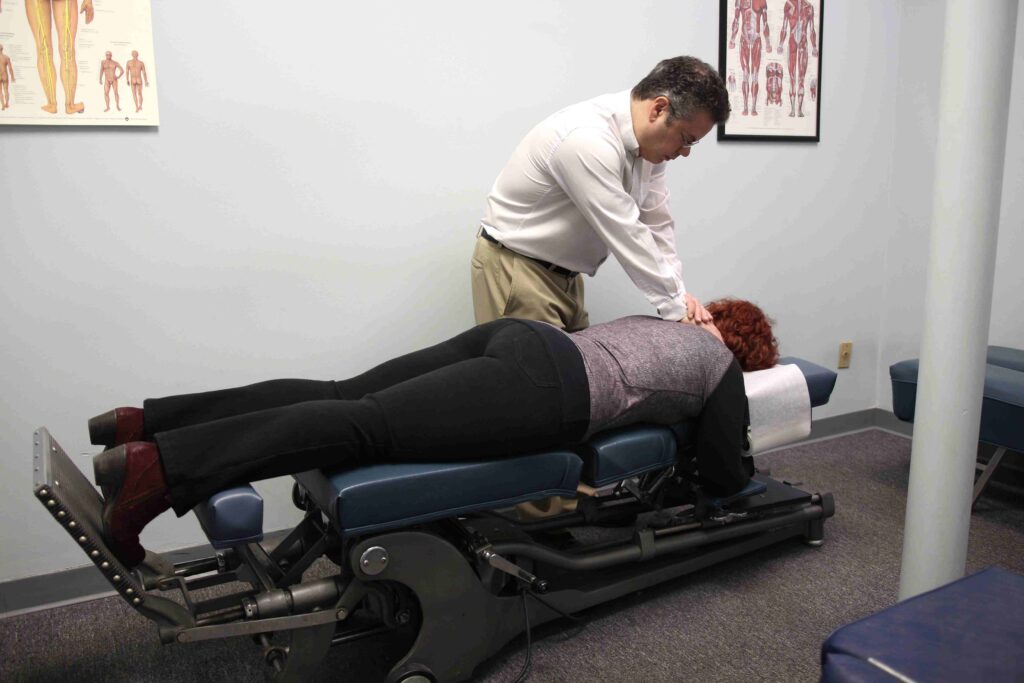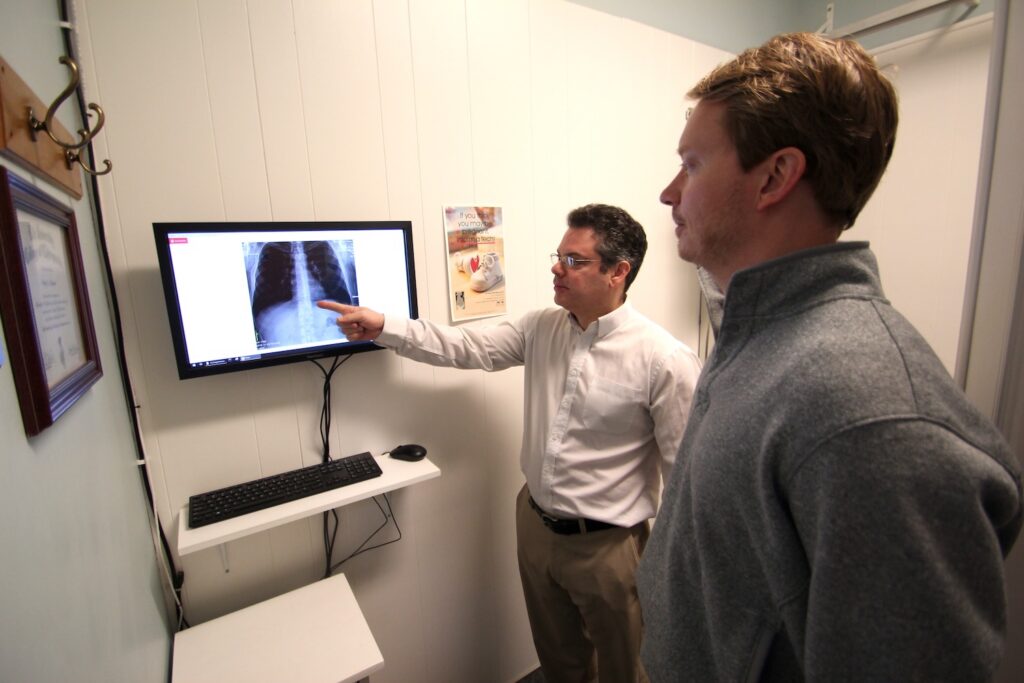

As a local chiropractor, I want to share with you some surprising insights about preventing chronic pain naturally. Many people think that managing pain requires medication or invasive procedures, but that's not always the case. By making a few simple lifestyle changes, you can significantly lower your risk of developing chronic pain.
First and foremost, focusing on a healthy diet can provide your body with the essential nutrients it needs to function optimally. Incorporating whole, unprocessed foods can greatly support your overall health and well-being.
Next, regular exercise is crucial. It not only strengthens your muscles and joints but also promotes flexibility and improves circulation, all of which are vital for maintaining a pain-free life.
Additionally, practicing mindfulness techniques such as meditation, yoga, or deep breathing can help you manage stress and enhance your mental well-being, which is closely linked to physical health.
These three foundational steps—healthy eating, consistent exercise, and mindfulness—can be incredibly effective in preventing chronic pain. However, understanding how to implement these changes in your daily routine can truly make a difference. If you're curious about how each of these steps can specifically benefit you and your journey toward a pain-free life, I'm here to help guide you through the process!
Adopt a Healthy Diet
As a chiropractor dedicated to promoting holistic health, I can't emphasize enough the importance of a colorful plate filled with fresh fruits and vegetables. When you embrace a healthy diet, you're not merely feeding your body; you're establishing a foundation for long-term wellness that can greatly complement chiropractic care. Foods abundant in antioxidants, vitamins, and minerals play a crucial role in reducing inflammation, which is often linked to chronic pain and discomfort.
Consider incorporating leafy greens, vibrant berries, and wholesome nuts into your daily meals. These nutrient-dense foods aren't only effective in combating inflammation but also contribute significantly to your overall well-being.
It's essential to be mindful of your food choices. Processed foods loaded with sugars and unhealthy fats can exacerbate inflammation and lead to increased pain. Instead, I recommend opting for whole, unprocessed foods whenever possible. Lean proteins such as fish and chicken, whole grains, and healthy fats from avocados and olive oil should be staples in your diet.
These nutritious selections not only support your physical health but also enhance your mood and energy levels, which are vital for a healthy lifestyle.
Don't overlook the importance of hydration as well. Drinking plenty of water is crucial for maintaining joint lubrication and promoting optimal body function. Aim for at least eight glasses of water daily, and consider incorporating herbal teas for their additional health benefits.
Lastly, let's talk about portion control. Even nutritious foods can contribute to weight gain if consumed in excess. Striking a balance on your plate ensures you receive the necessary nutrients without overindulging in calories.
Engage in Regular Exercise
As a local chiropractor, I want to emphasize how engaging in regular exercise can be a powerful tool for preventing chronic pain and enhancing your overall health. Staying active not only boosts your endorphins, which improve your mood, but it also increases your flexibility and strengthens your muscles.
These benefits work together to support your joints and significantly reduce the risk of injuries that can lead to chronic pain. You don't need to commit to daily trips to the gym to enjoy these advantages. It's important to find physical activities that you genuinely enjoy, whether that's taking a brisk walk, swimming, cycling, or dancing.
I recommend aiming for at least 150 minutes of moderate aerobic activity each week, along with incorporating strength training exercises twice a week. This balanced routine is crucial for maintaining a healthy weight and enhancing your cardiovascular health, both of which are vital in preventing pain.
One key aspect of exercise is to listen to your body. If you're just starting out or haven't been active for some time, it's essential to ease into your routine. Gradually increasing the intensity and duration of your workouts can help avoid strain and injury.
Additionally, incorporating stretching exercises can significantly enhance your flexibility and alleviate muscle tension, further reducing the likelihood of pain. I also encourage my patients to explore low-impact activities such as yoga or tai chi.
These practices not only improve your physical condition but also foster relaxation and a sense of well-being. Remember, proper hydration and a balanced diet are important to support your active lifestyle.
Practice Mindfulness Techniques
As a local chiropractor dedicated to your well-being, I want to share how practicing mindfulness techniques can be a powerful tool in managing stress and preventing chronic pain.
Mindfulness encourages you to remain present and aware of your thoughts and feelings without judgment. By integrating mindfulness into your life, you can significantly reduce stress—one of the key contributors to chronic pain. This mental practice creates a space where you can more effectively address pain and the stressors that may arise.
Here are some practical mindfulness techniques you can easily adopt into your daily routine:
- Deep Breathing: Focus on your breath by inhaling deeply through your nose and exhaling slowly through your mouth. This simple exercise calms your nervous system and can help alleviate tension.
- Body Scan: Take a moment to mentally scan your body. Identify areas where you feel tension or discomfort, and consciously work on relaxing those muscles. This awareness can enhance your connection to your body.
- Meditation: Set aside a few minutes each day to sit quietly. Focus on your breath or a calming mantra, allowing thoughts to flow in and out without getting attached to them. This practice can help clear your mind and promote relaxation.
- Mindful Walking: Whenever you walk, take the time to notice your surroundings—the sounds, sights, and sensations. This practice pulls you back into the present moment, helping to clear your mind and reduce anxiety.
- Journaling: Writing down your thoughts and feelings can be a therapeutic way to process emotions. Journaling fosters greater self-awareness and can provide insights about your stressors and pain.
By incorporating these mindfulness techniques into your routine, you not only support your mental health but also enhance your overall physical well-being.
As your chiropractor, I encourage you to explore these practices as part of your journey towards a healthier, pain-free life.
Conclusion
As a local chiropractor, I want to share with you some effective ways to naturally prevent chronic pain. By focusing on a healthy diet, incorporating regular exercise, and practicing mindfulness techniques, you can take significant steps towards a pain-free life. These lifestyle changes not only help to reduce inflammation and improve flexibility but also enable you to manage stress more effectively.
It's important to understand that consistency is key. Making small adjustments to your daily routine can lead to big improvements in your overall health. I encourage you to embrace these habits, as they not only lower your risk of developing chronic pain but also enhance your overall well-being in the long run. Remember, chiropractic care is here to support you on this journey to a healthier, pain-free life!