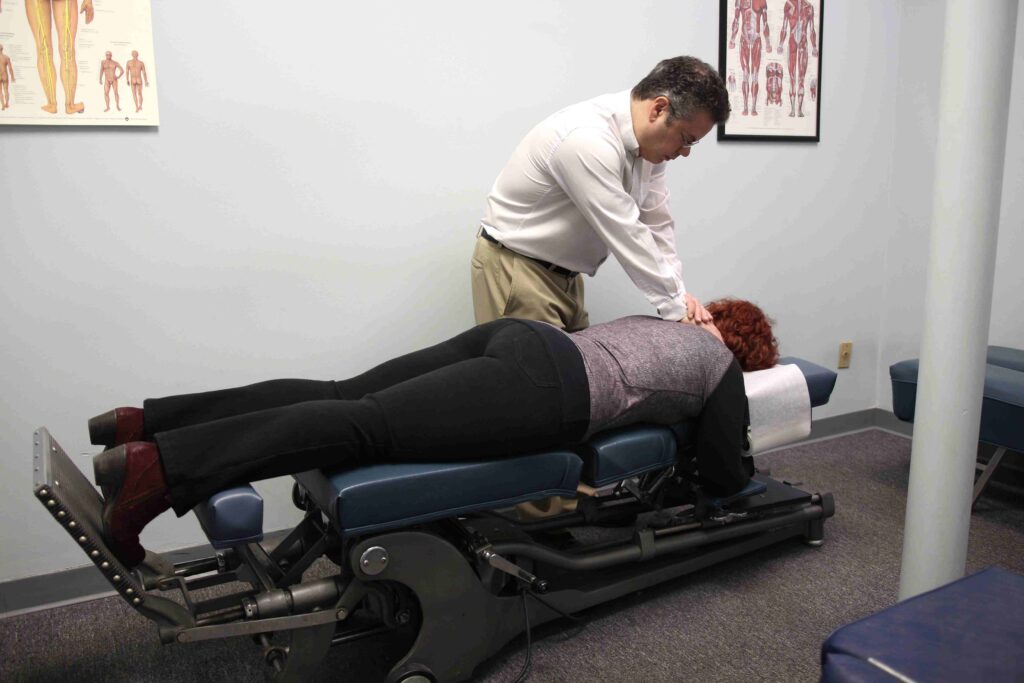

As a local chiropractor, I want to share how adjustments can play a vital role in enhancing your flexibility. Many people may not realize that chiropractic care can help improve your alignment, target specific muscle groups, and foster a deeper connection between your mind and body. You might be amazed at how even minor adjustments can lead to marked improvements in your range of motion and overall physical performance.
So, how can you effectively implement these adjustments into your routine? Let's dive into ten strategies that can revolutionize your flexibility journey. Understanding these methods not only empowers you to take charge of your health but also highlights the holistic benefits of chiropractic care in achieving your flexibility goals.
Dynamic Stretching Techniques
As a chiropractor, I often emphasize the importance of flexibility in maintaining overall health and preventing injuries. One effective way to enhance flexibility is through dynamic stretching techniques. These stretches involve movement and are specifically designed to increase blood flow, improve your range of motion, and prepare your body for physical activity.
Unlike static stretching, which is typically performed after a workout, dynamic stretches are ideal for warming up before you engage in exercise.
Let's start with one of my favorites: leg swings. Find a wall or sturdy support, and swing one leg forward and backward, gradually increasing your range of motion. Aim for about 10 to 15 swings before switching legs. This movement not only warms up your legs but also helps to loosen your hips.
Next, consider incorporating arm circles into your routine. Extend your arms out to the sides and create small circles, gradually increasing their size. This exercise is excellent for loosening up your shoulders and upper body, which is crucial for maintaining proper posture and spinal health.
Don't forget about torso twists. Stand with your feet shoulder-width apart and gently rotate your upper body from side to side, allowing your hips to follow. This movement engages your core and enhances spinal flexibility, which is vital for overall mobility.
Another great dynamic stretch is the walking lunge. Step forward into a lunge, ensuring that your front knee stays aligned with your ankle, then bring your back leg forward into the next lunge. This is an effective way to stretch your hip flexors and quadriceps, both of which can become tight from daily activities.
Lastly, high knees are a fantastic way to elevate your heart rate while stretching your hamstrings and hip flexors. Jog in place and bring your knees up toward your chest. This movement not only warms up your legs but also gets your cardiovascular system ready for more intense activity.
By consistently incorporating these dynamic stretching techniques into your routine, you can enhance your flexibility, improve your physical performance, and support your overall health.
Incorporating Yoga Practices
As a local chiropractor, I want to share how incorporating yoga practices into your daily routine can significantly improve your flexibility.
By exploring various yoga poses and mastering essential breathing techniques, you can enhance not only your physical health but also your mental well-being.
These adjustments can complement chiropractic care and make a notable difference in your journey towards greater flexibility and overall wellness.
Let's discuss how you can integrate these practices for optimal outcomes in your health.
Benefits of Yoga Adjustments
As a chiropractor, I want to share how certain practices, like yoga adjustments, can significantly enhance your well-being through improved alignment and deeper stretches.
When an instructor guides you into the ideal position, it promotes a greater sense of stability and support, which is crucial in preventing injuries and allowing your body to function optimally.
With these adjustments, you may discover that you can stretch further than you ever thought possible. Through precise feedback, you can identify areas of tightness in your muscles and joints, allowing for targeted relief and improved flexibility over time.
This safe exploration of your limits leads to enhanced muscle engagement and a deeper awareness of your body.
Moreover, adjustments during yoga can enhance your mindfulness. When someone physically guides you, it refocuses your attention on the present moment, helping to strengthen the connection between your mind and body.
This connection isn't only beneficial during your yoga practice but also translates into your everyday life, improving your overall posture and awareness.
Incorporating these adjustments into your routine can enrich your experience, enabling you to explore your body's potential while gaining a deeper understanding of its capabilities.
Types of Yoga Poses
As a local chiropractor dedicated to promoting natural healing and overall well-being, I want to share how exploring various types of yoga poses can greatly enhance your flexibility and support your chiropractic care. Each pose targets different muscle groups, helping you stretch and strengthen your body, which is vital for maintaining spinal health.
Begin with foundational poses like Downward Dog. This pose is excellent for stretching your hamstrings, calves, and spine, and it also builds strength in your arms and shoulders. Integrating this into your routine can complement the adjustments we make in the clinic by enhancing your overall flexibility.
Next, consider incorporating the Warrior poses—Warrior I, II, and III—into your practice. These dynamic stances promote flexibility in your hips and legs while improving your balance and focus. This balance is crucial for maintaining a healthy spine and preventing injuries.
Seated poses, such as Forward Bend and Butterfly Pose, are also beneficial. They help open your hips and lengthen your spine, which can make daily movements easier and more comfortable. Including twists like the Seated Twist can further enhance spinal mobility and release built-up tension in your back, which is often a focal point in chiropractic care.
Finally, restorative poses like Child's Pose and Cat-Cow can offer relief and relaxation, especially after a long day. These gentle movements help reduce stress and promote healing, making them an excellent addition to your wellness routine.
As you practice these various yoga poses regularly, you'll likely notice a significant improvement in your range of motion and overall comfort in daily activities. This synergy between yoga and chiropractic care can lead to a healthier, more flexible body, enhancing your quality of life.
Breathing Techniques Importance
Breathing techniques are crucial for enhancing your overall health and well-being, especially when it comes to activities like yoga. As a chiropractor, I often emphasize the importance of the mind-body connection, and focusing on your breath can significantly help with this.
When you pay attention to your breathing, you foster a deeper relationship between your mind and body, which can lead to improved flexibility and mobility. By inhaling deeply, you can visualize your body expanding, which helps create space in your muscles and joints. This practice encourages relaxation and facilitates the release of tension, allowing your body to function more optimally.
When you exhale fully, you can let go of stress and tightness, making it easier to move into more challenging positions and maintain proper alignment. Incorporating techniques like diaphragmatic breathing or Ujjayi breath into your routine can enhance your focus and control, which are essential for maintaining a healthy spine and posture.
These breathing techniques not only improve flexibility but also promote mindfulness. Being aware of your breath allows you to stay present and minimizes distractions, making your practice more effective. Moreover, controlling your breath can help you manage discomfort during physical activities.
This ability to breathe through discomfort can enable you to hold positions longer and deepen your stretches, ultimately supporting your overall chiropractic treatment and wellness journey. Remember, the breath is a powerful tool in promoting natural healing and enhancing your body's performance.
Foam Rolling Benefits
As a local chiropractor, I want to share with you the incredible benefits of foam rolling and how it can enhance your flexibility and overall performance. Many people think of foam rolling solely as a recovery tool, but it has the potential to transform your workouts and promote natural healing.
By integrating foam rolling into your routine, you can tap into your body's potential and improve your movement quality. Here are some key benefits to consider:
- Improved Blood Flow: Foam rolling stimulates circulation, which helps deliver essential oxygen and nutrients to your muscles. This increased blood flow aids in recovery and prepares your body for physical activities.
- Reduced Muscle Soreness: After a challenging workout, foam rolling can help alleviate soreness by breaking down adhesions and knots in your muscle tissue. This means you can recover more quickly and get back to your routine sooner.
- Enhanced Range of Motion: Regular foam rolling can release tight muscles and fascia, leading to improved flexibility. This increased range of motion can enhance your performance in various physical activities, making you feel more agile and capable.
- Stress Relief: Foam rolling acts as a form of self-massage, promoting relaxation and alleviating tension throughout your body. This mental and physical relief can significantly improve how you feel during and after workouts.
Incorporating foam rolling into your routine isn't just about recovery; it's a proactive strategy for enhancing your flexibility and overall well-being.
By making foam rolling a regular part of your regimen, you may notice improved performance and a reduced risk of injury. So, I encourage you to grab a foam roller and start experiencing the benefits today!
Utilizing Resistance Bands
As a local chiropractor, I want to share the valuable benefits of resistance bands for improving your flexibility and strength.
These bands aren't only simple to use but also versatile, allowing you to perform a variety of exercises that specifically target different muscle groups. Proper technique is crucial to avoid injury and ensure that you're getting the most out of your workout.
Incorporating resistance bands into your routine can help enhance your overall physical health and support your journey towards natural healing.
They can be particularly beneficial for rehabilitation and strengthening the muscles surrounding your joints, which is vital in maintaining a healthy spine.
Let's discuss some effective exercises you can start with, and I'll guide you on how to use these bands safely and effectively to support your chiropractic care and overall well-being.
Benefits of Resistance Bands
As a local chiropractor, I want to share how incorporating resistance bands into your flexibility training can be a game changer for your overall health and wellness. Many people may not realize that these bands aren't just tools for strength building; they can significantly enhance your flexibility and overall performance.
Here are some of the key benefits of using resistance bands that can complement your chiropractic care:
- Variable Resistance: Resistance bands offer different levels of resistance, allowing you to tailor the intensity of your stretches. This adaptability is essential in helping you gradually improve your flexibility while minimizing the risk of injury, which is especially important for those of us focusing on natural healing.
- Enhanced Range of Motion: By integrating bands into your routine, you can effectively target specific muscle groups. This targeted approach can lead to a greater range of motion in your joints, which is vital for maintaining mobility and preventing discomfort.
- Improved Stability and Balance: Utilizing resistance bands engages your core and stabilizer muscles, which can significantly enhance your balance and stability during flexibility exercises. This improvement can have a positive impact on your overall posture and alignment, key aspects of chiropractic care.
- Portability and Convenience: One of the best features of resistance bands is their lightweight and compact nature. You can easily carry them with you, making it convenient to incorporate flexibility training into your daily routine, whether you're at home or on the go.
This flexibility allows you to prioritize your health no matter where life takes you.
Exercises to Try
As a local chiropractor, I often emphasize the importance of flexibility and mobility in maintaining overall health and wellness. One effective way to enhance your flexibility training is by incorporating resistance bands into your exercise routine. These versatile tools can assist you in performing various stretches and movements that improve your range of motion, which is crucial for your musculoskeletal health.
Let's start with a beneficial stretch called the seated band stretch. Find a comfortable spot on the floor and extend your legs in front of you. By looping the band around your feet and gently pulling it towards you, you can lean forward to deepen the stretch in your hamstrings. Hold this position for 15-30 seconds, allowing the tension to release in your muscles.
Next, consider trying the standing side stretch. Stand with your feet shoulder-width apart and grasp the band with both hands above your head. As you lean to one side, be sure to keep your hips stable. This stretch can help improve lateral flexibility. Hold for 15-30 seconds and then switch to the other side.
Another excellent exercise is the banded chest opener. Stand tall and grasp the band behind you with both hands, keeping your arms straight. By gently pulling the band away from your back, you can open your chest and shoulders, which is vital for counteracting tightness often caused by poor posture. Hold this position for 15-30 seconds for maximum benefit.
Finally, let's incorporate the band into a lunge stretch. Place the band under your front foot and pull it upwards as you sink into a lunge position. This not only adds resistance but also enhances your hip flexor stretch, promoting better flexibility in this often-tight area.
Embrace the improvements in your flexibility and mobility, as they play a significant role in your overall well-being.
Proper Usage Techniques
As a local chiropractor dedicated to promoting natural healing and overall wellness, I want to share some important guidance on using resistance bands safely and effectively. Many of my patients seek advice on incorporating resistance training into their routine, and understanding the proper techniques can significantly enhance your experience while minimizing the risk of injury.
Here are some essential tips to ensure you're using resistance bands correctly:
- Choose the Right Band: It's crucial to select a resistance band that aligns with your current fitness level. Starting with a band that offers manageable resistance is key. As you develop strength, you can gradually transition to thicker bands.
- Maintain Proper Form: Keeping your core engaged and your spine in a neutral position is vital during resistance training. Proper form helps protect your joints and enhances the effectiveness of your workouts. Focus on controlled and precise movements to avoid unnecessary strain.
- Anchor Securely: Whether you're stepping on the band or attaching it to a stable structure, ensure that it's securely anchored. A loosely secured band can snap back unexpectedly, potentially causing injury.
- Warm-Up: Before diving into your resistance training, always take time for a proper warm-up. This step is essential as it prepares your muscles and joints for the demands of the workout, ultimately reducing the risk of injury.
By following these tips, you can incorporate resistance bands into your fitness routine safely and effectively, enhancing your overall health and well-being.
If you have any questions or need personalized guidance, don't hesitate to reach out!
Practicing Mindfulness and Breathing
As a local chiropractor, I want to share with you the significant benefits of mindfulness and breathing techniques in enhancing your overall flexibility and promoting natural healing. Many people are unaware that these practices can't only improve your physical flexibility but also strengthen your mental resilience.
By focusing on your breath, you create a vital connection between your mind and body, which enhances your awareness of your movements and any limitations you may have.
To get started, find a comfortable position, whether you're sitting or standing. Close your eyes and take a deep breath in through your nose, allowing your abdomen to expand fully. Hold that breath for a moment, then exhale slowly through your mouth. This simple yet effective practice helps calm your mind and centers your focus.
As you breathe, visualize your muscles loosening and lengthening, preparing you for more effective stretching, which is essential for maintaining a healthy spine and overall well-being.
Incorporating mindfulness into your stretching routine can lead to even better results. Pay close attention to how your body feels during each stretch. Are there areas where you feel tension building up? By acknowledging these sensations, you can adjust your movements to release tightness, which is crucial for improving flexibility and preventing injury.
I encourage you to practice these techniques regularly, even if it's just for a few minutes each day. As you enhance your mindfulness and breathing, you'll become more attuned to your body's needs.
This increased awareness not only benefits your flexibility training but also enhances your overall experience in achieving optimal health. So take a moment to breathe deeply and be present—your body will thank you for it, and it can complement the chiropractic care you receive for a more holistic approach to wellness.
Engaging in Regular Warm-Ups
As a local chiropractor, I want to emphasize the importance of engaging in regular warm-ups for your overall health and well-being. Proper warm-ups are crucial not only for enhancing your flexibility but also for preventing injuries that can arise from daily activities or exercise.
It's essential to understand the difference between dynamic and static stretching, as both serve unique purposes in your routine. Dynamic stretching involves moving parts of your body through a full range of motion, warming up the muscles and preparing them for physical activity.
On the other hand, static stretching is about holding a stretch for a period of time, which can help improve flexibility and promote relaxation. Incorporating both techniques into your warm-up routine can significantly enhance your physical performance and support your body's natural healing processes.
By understanding and integrating these warm-up practices, you can help safeguard your body against injuries and improve your overall movement quality.
Importance of Warm-Up
As a local chiropractor dedicated to helping you achieve optimal health, I want to emphasize the importance of warming up before engaging in any physical activity, especially if your goal is to improve flexibility.
A proper warm-up is crucial as it prepares your muscles and joints for more strenuous movements, significantly reducing the risk of injury. Here are four key benefits of incorporating a warm-up into your routine:
- Increased Blood Flow: Warming up enhances circulation, which means more oxygen and nutrients are delivered to your muscles. This increased blood flow helps to make your muscles more pliable and responsive to movement, essential for your overall health and performance.
- Enhanced Range of Motion: An effective warm-up encourages your joints to move freely through their full range of motion. This is vital not only for improving flexibility but also for maintaining joint health as you age.
- Mental Preparation: Taking the time to warm up allows you to focus on your upcoming activities. This mental preparation is important in aligning your body and mind, setting the stage for a more effective and safe workout.
- Reduced Muscle Stiffness: Gradually increasing your body temperature during a warm-up helps to decrease muscle stiffness. This makes it easier for you to perform stretches and exercises, allowing for better results and reducing the chance of strain or injury.
Incorporating a warm-up into your routine is a simple yet effective way to enhance your overall physical well-being.
Dynamic vs. Static Stretching
As your local chiropractor, I want to help you understand the importance of flexibility and how it can enhance your overall well-being. A key aspect of improving flexibility is knowing the difference between dynamic and static stretching.
Dynamic stretching is all about moving your body through its full range of motion. I often recommend incorporating this type of stretching into your warm-up routine. Movements like leg swings, arm circles, and walking lunges not only increase blood flow to your muscles but also activate them, preparing them for more intense physical activities. This is crucial for preventing injuries and ensuring your body is ready for movement.
In contrast, static stretching involves holding a stretch for an extended period, typically between 15 to 60 seconds. This type of stretching is best performed after your workouts when your muscles are warm and pliable. It helps lengthen your muscles and gradually improves flexibility over time. Examples include hamstring stretches and shoulder stretches, which can be very beneficial for muscle recovery and relaxation.
I encourage you to incorporate both dynamic and static stretching into your routine. Dynamic stretching is fantastic for warming up your body, while static stretching plays a vital role in recovery and muscle relaxation.
By understanding when to use each type, you can maximize your flexibility gains and minimize the risk of injury. Remember, a proper warm-up is essential for setting the stage for a successful and safe workout!
If you have any questions about how stretching can fit into your wellness plan, feel free to ask me during your next visit.
Adjusting Posture and Alignment
As a local chiropractor, I want to emphasize the importance of proper posture and alignment in enhancing your flexibility. It's not just about the act of stretching; it's about how you hold and position your body during those stretches.
By making adjustments to your posture, you can create an optimal environment for your muscles to lengthen, which can significantly improve your overall flexibility. Here are some essential adjustments that I recommend:
- Engage Your Core: Activating your core muscles is crucial for stabilizing your spine and pelvis. This stability allows you to maintain proper alignment during stretches, which makes them much more effective in promoting flexibility.
- Align Your Joints: It's vital to pay attention to the alignment of your knees, hips, and ankles. Keeping these joints in proper alignment can prevent unnecessary strain and facilitate smooth movement through various stretching positions.
- Relax Your Shoulders: Many people carry tension in their shoulders, which can restrict their flexibility. I encourage you to focus on relaxing your shoulders and rolling them back. This simple adjustment can help open up your chest and enable deeper, more effective stretches.
- Breathe Deeply: Proper breathing is essential for maintaining focus and relaxation during your stretches. Deep breaths can help release tension in tight muscles, allowing for a greater range of motion and enhancing your flexibility.
Incorporating these adjustments into your stretching routine can lead to significant improvements in your flexibility and overall well-being.
As always, I'm here to support you in your journey toward better health and natural healing.
Cross-Training for Versatility
As a local chiropractor, I want to share how cross-training can significantly benefit your flexibility and overall physical performance. Many of my patients come to me seeking relief from pain or discomfort, and one of the best ways to support your healing process is by incorporating a variety of activities into your routine. This not only enhances your body's adaptability and resilience but also helps prevent boredom during your workouts.
When you engage in cross-training, you introduce your muscles and joints to different movements and ranges of motion. For instance, if your primary form of exercise is running, adding activities like yoga or swimming can help stretch and strengthen muscles that running might overlook. This balanced approach to exercise aids in muscle development while reducing the risk of injury, which is often a concern for those who focus solely on one type of physical activity.
I encourage you to consider integrating activities such as Pilates, cycling, or martial arts into your weekly schedule. Pilates, for example, focuses on core strength and stability—key components for improving flexibility. Cycling can enhance your endurance and leg strength while being gentle on your joints. Meanwhile, martial arts typically involve dynamic movements and stretches that not only boost flexibility but also improve agility and coordination.
You don't need to make drastic changes to your current routine; simply adding one or two new activities each week can yield remarkable benefits. This keeps your body engaged and encourages it to adapt, leading to notable improvements in flexibility. As you explore these various forms of exercise, pay attention to how your body responds, and feel free to adjust your training as needed.
Seeking Professional Guidance
As a local chiropractor, I understand that many of you may be starting your journey toward better flexibility or looking to enhance your existing routine. It's important to know that seeking professional guidance can make a significant difference, particularly when it comes to natural healing and chiropractic care.
Here are four key reasons to consider working with a chiropractor as you focus on improving your flexibility:
- Comprehensive Assessments: A chiropractor can conduct a thorough evaluation of your current flexibility levels and overall spinal health. By identifying specific areas that need improvement, we can create a personalized plan tailored to your unique needs—far more effective than following generic routines.
- Proper Alignment and Techniques: Achieving flexibility isn't just about stretching; it's crucial to maintain proper alignment and technique. As your chiropractor, I can provide real-time feedback to ensure you're executing movements safely, minimizing the risk of injury while maximizing the benefits of your efforts.
- Motivation and Accountability: Navigating your flexibility journey can be challenging, but having a chiropractor to guide you can significantly boost your motivation and accountability. Regular visits can help you stay committed to your goals, providing you with the support you need to keep progressing.
- Structured Healing Programs: Chiropractors often design structured programs that gradually increase in intensity, focusing on your overall wellness. This systematic approach not only helps you enhance your flexibility safely but also addresses any underlying issues that may be impacting your mobility.
Investing in chiropractic care can lead to faster results and a deeper understanding of your body's needs.
Whether you're seeing me for flexibility training or overall wellness, my expertise can help enhance your journey and empower you to reach new heights.
Don't hesitate to reach out for support—you may find it to be a transformative experience.
Setting Realistic Flexibility Goals
As a local chiropractor, I often emphasize the importance of flexibility in maintaining overall health and wellness. If you're new to chiropractic care and the concept of natural healing, understanding how to set realistic flexibility goals can greatly enhance your journey toward better physical well-being.
First, it's essential to assess your current flexibility level. This involves taking note of your range of motion and pinpointing specific areas that may need improvement. Being honest with yourself is crucial; setting overly ambitious goals can lead to frustration or even injury, which is something we strive to avoid in chiropractic care.
Once you've evaluated your flexibility, I recommend breaking down your goals into smaller, manageable milestones. For instance, if your objective is to touch your toes, focus first on enhancing your hamstring flexibility. Establishing a timeline for each milestone can keep you motivated, but remember to remain adaptable. Life can be unpredictable, and it's important to adjust your goals as needed.
It's also vital to ensure your goals are specific and measurable. Instead of a vague aspiration like "I want to be more flexible," try defining a clear target, such as "I want to achieve a splits position in six months." This specific approach will help you monitor your progress more effectively.
To keep your routine engaging, consider incorporating a variety of stretching techniques, which can be complemented by chiropractic adjustments to enhance your overall flexibility.
As you work towards your goals, don't forget to celebrate your small achievements. Each step forward, no matter how minor, contributes positively to your flexibility journey. Moreover, always listen to your body; if you experience pain or discomfort, it's important to adjust your goals accordingly. Flexibility isn't a race; it's a personal journey that can be supported by chiropractic care.
Conclusion
As a local chiropractor, I want to share how incorporating adjustments into your flexibility routine can significantly enhance your overall well-being. Embracing practices like dynamic stretching, yoga, and mindfulness not only supports your flexibility but also promotes natural healing. It's essential to listen to your body and adjust your approach accordingly.
I encourage you to consider professional guidance, as I can help you explore various techniques such as foam rolling and the use of resistance bands to complement your chiropractic care. Remember, setting realistic goals and maintaining consistent effort will lead to noticeable improvements in your flexibility and overall performance. Together, we can work towards optimizing your health and mobility in a safe and effective manner!