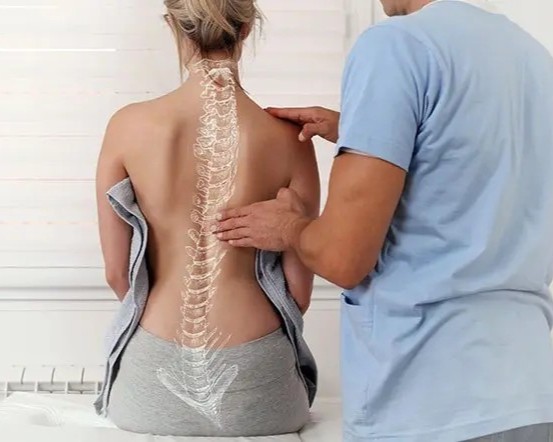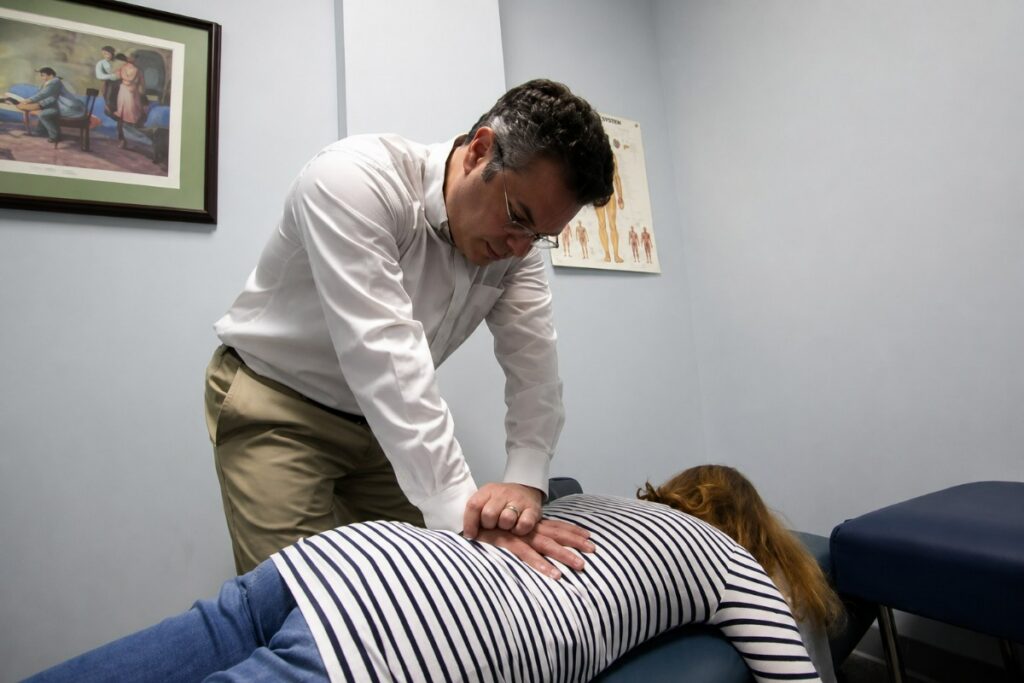

If you're experiencing sports-related back pain, it's crucial to explore the best treatments available for a smoother recovery. As a local chiropractor, I can tell you that chiropractic care plays a vital role in realigning your spine and ensuring that your body functions optimally. Alongside chiropractic adjustments, physical therapy is an excellent option to help you build strength and improve flexibility, which can prevent future injuries.
You may have also heard about techniques like acupuncture and massage therapy. These natural healing methods can significantly contribute to your recovery by alleviating pain and promoting relaxation. However, there are also some lesser-known strategies that can enhance your healing journey. By understanding these treatments, you can take proactive steps towards getting back in the game without the persistent discomfort. Remember, your path to recovery doesn't have to involve invasive procedures; natural healing approaches can often be just as effective.
Physical Therapy
When it comes to sports-related back pain, chiropractic care can truly make a difference. Many individuals are unaware of the benefits that come from a tailored approach to treatment, which can significantly enhance your mobility and alleviate discomfort. As a chiropractor, I focus on assessing your unique condition to identify the underlying causes of your pain. From there, I develop a personalized treatment plan designed to strengthen your back and core, promoting better overall health.
During your visits, you'll participate in specific chiropractic adjustments and exercises aimed at improving flexibility and stability. These techniques not only help to relieve existing pain but also serve as a preventive measure against future injuries. I'll teach you proper body mechanics and movement patterns that are essential for enhancing your athletic performance while reducing strain on your back.
Additionally, I may incorporate natural healing modalities such as heat, ice, or even electrical stimulation to assist in pain relief and recovery. Education is a key component of chiropractic care, and I'll provide you with valuable insights into posture and how to move correctly during sports activities to avoid reinjury.
Understanding the importance of warming up and cooling down, along with how to effectively integrate these practices into your routine, can further support your recovery.
As you progress through chiropractic care, you'll likely begin to notice improvements in your overall strength and endurance. This newfound resilience will empower you to return to your favorite sports with renewed confidence.
Remember, your commitment to regular chiropractic visits and adherence to my recommendations are crucial for a successful recovery. With dedication and the right approach, you can overcome sports-related back pain and get back to enjoying what you love most.
Embrace the natural healing power of chiropractic care and take the first step toward a pain-free, active lifestyle!
Chiropractic Care
As a local chiropractor, I want to share with you the benefits of chiropractic care, particularly for those dealing with sports-related back pain. Many athletes and active individuals experience discomfort due to the stress and strain placed on their backs during physical activities. This strain can lead to misalignments in the spine, which may cause pain and hinder your performance.
Chiropractic care is a proactive approach that focuses on restoring proper alignment and function to your spine. Through hands-on spinal manipulation and other techniques, we can correct these misalignments, alleviate pain, and enhance your mobility.
When you come in for your initial visit, I'll conduct a comprehensive assessment of your back and overall posture. This evaluation helps identify any underlying issues contributing to your discomfort. Together, we'll create a personalized treatment plan that addresses your specific needs.
Regular adjustments are essential not only for keeping your spine aligned but also for reducing the risk of future injuries, allowing you to remain active in your sport. In addition to spinal adjustments, I often provide guidance on exercises and stretches designed to strengthen your back and core muscles. This preventive approach empowers you to take charge of your health and performance.
Many of my patients, including athletes, find that incorporating chiropractic care into their routines not only helps relieve pain but also enhances their overall physical function. If you're experiencing back pain from sports activities, I encourage you to consider chiropractic care.
Massage Therapy
As a local chiropractor, I want to share how massage therapy, alongside chiropractic care, can be a powerful tool for managing sports-related back pain. If you're experiencing tight muscles, tension, or soreness from your physical activities, massage therapy can effectively address these issues. By targeting the muscles and soft tissues, massage promotes relaxation and can significantly enhance your overall athletic performance.
There are various massage techniques available, each with its unique benefits. For instance, deep tissue massage focuses on the deeper layers of muscle, helping to release chronic tension that may be contributing to your discomfort. Sports massage, specifically designed for athletes, targets areas that are often overworked or stressed due to repetitive movements.
Regardless of the technique you choose, the common goal remains: to improve blood circulation and reduce muscle stiffness, both critical components for recovery.
Regular massage sessions can also play a preventive role in injury management. By maintaining flexibility and balance in your muscles, you can reduce the risk of injuries, allowing you to stay in peak condition for your sporting activities.
Moreover, we can't underestimate the mental health benefits that massage provides. The relaxation and stress relief it offers can greatly enhance your focus and overall well-being, which is vital for any athlete.
When you visit a massage therapist, it's important to communicate any specific pain points you have and the athletic activities you engage in. This information will help the therapist tailor the session to meet your individual needs effectively.
Combining massage therapy with chiropractic care creates a holistic approach to addressing sports-related back pain, ensuring you remain active and perform at your best. Embracing these natural healing modalities is a proactive step towards your health and athletic performance.
Acupuncture
As a local chiropractor, I want to share with you the benefits of acupuncture, especially for those experiencing sports-related back pain. This ancient healing practice involves the use of thin needles that are strategically inserted into specific points on your body to stimulate the flow of energy, often referred to as "qi."
If you've been struggling with back pain caused by sports activities, acupuncture can be a valuable addition to your recovery plan by enhancing blood circulation and helping to reduce inflammation.
During an acupuncture session, a skilled practitioner will evaluate your condition and determine the most effective points to target for your specific needs. Many athletes who've tried acupuncture report feeling a sense of relaxation and reduced tension, which can significantly aid in the overall recovery process.
You may even notice improvements in your flexibility and range of motion, allowing you to get back to your sport sooner and with greater ease.
One of the standout benefits of acupuncture is its minimal risk of side effects. Unlike many conventional treatments that rely on medication, acupuncture is a natural approach that avoids the potential for adverse reactions.
Each session can be customized to your individual needs and pain levels, making it a flexible option during your treatment journey.
If you're considering incorporating acupuncture into your health regimen, it's crucial to seek out a licensed practitioner who's experience with sports injuries. They'll have a deep understanding of your condition and can tailor their approach to best support your recovery.
Many athletes have found acupuncture to be an essential component of their routine, effectively managing sports-related back pain while also enhancing their overall performance.
I encourage you to explore this natural healing method and see how it can benefit you!
Pain Medication
When it comes to managing sports-related back pain, understanding the role of pain medication is crucial for your recovery journey. While medication can alleviate discomfort, I encourage you to explore holistic approaches that work in harmony with your body.
Over-the-counter (OTC) options, such as ibuprofen and acetaminophen, can be effective for mild to moderate pain. These medications reduce inflammation and block pain signals, but they're just one piece of the puzzle.
If OTC medications aren't providing the relief you need, it's important to consider consulting with a healthcare professional about alternative options. Muscle relaxants, for instance, can help with muscle spasms often associated with back pain. However, these should be used carefully and under professional guidance to avoid potential side effects.
Additionally, topical pain relievers can offer targeted relief. Applying creams or patches containing ingredients like menthol or lidocaine directly to the affected area may help reduce localized discomfort with fewer systemic effects.
However, I want to emphasize that while pain medication can assist in managing symptoms, it shouldn't be your sole focus for recovery. It's vital to integrate other treatments, such as chiropractic care, physical therapy, and exercise, into your recovery plan.
Chiropractic adjustments can help address the root cause of your pain, improve spinal alignment, and enhance your overall well-being.
Always discuss your pain management strategies with your chiropractor or healthcare provider to ensure a safe and effective approach tailored to your unique situation.
Heat and Cold Therapy
As your local chiropractor, I want to share some valuable insights about managing sports-related back pain through heat and cold therapy.
These two methods can significantly enhance your comfort and support your healing journey. Each technique brings distinct advantages that can help alleviate pain and promote recovery.
Let's delve into the effective ways to use both heat and cold therapy for optimal relief. Understanding these approaches can empower you to take control of your pain management and enhance your overall well-being.
Benefits of Heat Therapy
As a local chiropractor dedicated to your wellness, I want to share with you the incredible benefits of heat therapy, especially for those dealing with sports-related back pain. Many people may not realize how effective heat can be in promoting comfort and healing. When you apply heat to your back, it can help relax the muscles and alleviate stiffness, making a world of difference in your recovery process.
Let me walk you through some of the key benefits of heat therapy:
- Increased blood flow: When you apply heat, it enhances circulation, ensuring that essential nutrients are delivered to your injured tissues, which accelerates healing.
- Muscle relaxation: The warmth from heat therapy helps relieve tightness in your muscles, allowing them to loosen up and recover more effectively.
- Pain relief: Heat can block pain signals sent to the brain, providing you with immediate relief from discomfort.
- Improved flexibility: By increasing your range of motion, heat therapy allows you to move more freely, which is crucial for anyone active in sports.
- Stress reduction: The soothing effect of heat not only helps with physical pain but also promotes relaxation, reducing overall stress that can hinder your recovery.
Incorporating heat therapy into your routine can be a natural and effective way to manage back pain associated with sports activities. However, it's important to listen to your body. Avoid using heat on fresh injuries or areas with swelling, as this can exacerbate the issue.
If you're new to chiropractic care and natural healing, I encourage you to explore how these techniques can support your overall health and well-being. Your body has an amazing ability to heal itself, and with the right guidance and practices, you can enhance your recovery journey.
Advantages of Cold Therapy
As a local chiropractor, I want to share with you the remarkable benefits of cold therapy for managing sports-related back pain. If you're new to chiropractic care and natural healing, understanding how cold therapy works can greatly enhance your recovery process.
Cold therapy is an effective method for reducing inflammation and relieving pain. When you apply cold to an injured area, it causes the blood vessels to constrict, which slows down circulation. This reduction in blood flow helps to minimize swelling and can numb sharp pain, making it easier for you to move and function in your daily life.
One of the most compelling advantages of cold therapy is its ability to alleviate acute pain. Whether you've recently sustained an injury or are experiencing chronic flare-ups, using cold packs can provide fast relief. Moreover, applying cold therapy right after an injury can prevent further tissue damage, helping you recover more quickly.
The best part? Cold therapy is incredibly simple to implement. You don't need any specialized equipment—just grab some ice packs or even a bag of frozen peas from your freezer. It's a cost-effective solution that you can easily use at home, without the need for professional assistance.
Incorporating cold therapy into your recovery routine can make a significant difference in your overall healing process. As your chiropractor, I'm here to support you in understanding and utilizing these natural healing methods effectively for optimal results.
Application Techniques and Tips
As a local chiropractor dedicated to promoting natural healing, I want to share some effective application techniques for heat and cold therapy that can significantly aid your recovery from sports-related back pain.
Understanding how to use these therapies properly can make a real difference in managing your discomfort and enhancing your healing process.
When it comes to heat therapy, here are some helpful tips to keep in mind:
- Opt for a warm towel or heating pad: It's essential to ensure that it's warm to the touch, but not so hot that it could cause burns. Your comfort is key!
- Limit the duration of application: Aim to keep the heat on your back for about 15-20 minutes. After that, take a break to prevent any risk of overheating.
- Incorporate gentle stretching: This not only helps to improve your flexibility but also encourages better blood flow, which is crucial for healing.
For cold therapy, please consider the following guidelines:
- Always wrap ice packs in a cloth: This simple step is vital, as it protects your skin from frostbite and irritation.
- Apply cold therapy right after an injury: Doing this promptly can help reduce swelling and inflammation, which are common responses to injuries.
By using these techniques, you can enhance your recovery process and support your body's natural ability to heal.
Stretching and Strengthening
As a local chiropractor, I want to share how important stretching and strengthening can be in managing sports-related back pain.
Many athletes overlook the significance of flexibility, but enhancing it's key to preventing injuries.
Additionally, exercises that focus on core stability are essential as they provide much-needed support to your spine during physical activities.
By integrating these practices into your routine, not only can you improve your overall performance, but you can also significantly reduce discomfort and promote natural healing.
It's all about taking proactive steps towards a healthier, pain-free lifestyle!
Importance of Flexibility
As a local chiropractor, I want to emphasize the critical role that flexibility plays in preventing and managing sports-related back pain. Understanding and maintaining good flexibility can significantly enhance your athletic performance while also reducing your risk of injury.
Regular stretching is essential as it helps lengthen your muscles, improves your range of motion, and supports proper posture—all fundamental aspects of maintaining a healthy back.
Here are some key benefits of incorporating flexibility into your daily routine:
- Reduces muscle tension: When your muscles are looser, they exert less pressure on your spine, which can help alleviate pain and discomfort.
- Enhances mobility: Improved flexibility allows for greater freedom of movement, which is vital not only for sports but also for your everyday activities.
- Promotes better posture: Stretching can help align your spine correctly, which prevents unnecessary strain on your back and contributes to overall spinal health.
- Decreases injury risk: A body that's more flexible is less susceptible to strains and sprains, especially during physical activities.
- Supports recovery: Flexibility plays a significant role in muscle recovery following intense workouts, helping to minimize soreness and improve your overall well-being.
Incorporating flexibility training into your routine can be a natural and effective way to support your chiropractic care and enhance your overall health.
If you have questions about how to safely integrate these practices into your life, feel free to reach out!
Core Stability Exercises
As a local chiropractor, I want to emphasize the importance of building a strong core for overall health and well-being, especially when it comes to preventing sports-related back pain.
Core stability exercises are essential for strengthening the muscles that support your spine, leading to improved stability and balance. These exercises primarily engage your abdominal, back, and pelvic muscles, which are crucial for maintaining proper posture during physical activities.
I recommend starting with foundational exercises such as planks and bridges. A plank helps you hold your body in a straight line, engaging various muscle groups, and I suggest aiming for a hold of 30 seconds. As you gain strength, you can gradually increase the duration.
Bridges are also beneficial, as they specifically target your glutes and lower back, contributing to better pelvic stability.
In addition to these basic exercises, consider incorporating dynamic movements like bird-dogs and Russian twists into your routine. The bird-dog exercise is excellent for enhancing coordination and balance, while Russian twists effectively engage your obliques, fostering improved rotational strength.
Lastly, don't overlook the importance of stretching after your workouts. Flexibility plays a vital role in maintaining a healthy core. Incorporate stretches such as the cat-cow pose and child's pose to release tension and enhance mobility, which are essential components of both chiropractic care and your overall physical health.
Ergonomic Adjustments
As a local chiropractor, I want to share with you how making ergonomic adjustments can significantly alleviate sports-related back pain.
It's essential to understand that the way you position your body—whether at the gym, on the field, or even while sitting at a desk—plays a crucial role in your overall health and performance.
By implementing a few simple changes, you can reduce strain on your back and enhance your athletic abilities.
Here are some important ergonomic adjustments to consider:
- Chair Height: Ensure your chair is at the right height so your feet can rest flat on the ground, with your knees forming a 90-degree angle. This simple adjustment can help minimize pressure on your lower back.
- Monitor Position: If you spend time on a computer, make sure your monitor is at eye level. This prevents unnecessary neck strain, keeping your spine aligned and reducing the risk of discomfort.
- Keyboard and Mouse: Position your keyboard and mouse close to you to avoid reaching. Your elbows should remain at a 90-degree angle while typing, which helps maintain a neutral wrist position and reduces tension.
- Footwear: If you're on your feet a lot, investing in supportive shoes is crucial. Good footwear can have a significant impact on your back health and overall body alignment.
- Breaks and Movement: Remember to take regular breaks to stretch and move around. This practice helps prevent stiffness and keeps your muscles engaged, contributing to better overall function.
By understanding and incorporating these ergonomic principles into your daily routine, you can support your body's natural alignment and function, leading to improved health and performance.
If you have any questions or need personalized advice, feel free to reach out to my office. Together, we can work towards a healthier, pain-free lifestyle!
Corticosteroid Injections
As a local chiropractor, I often encounter athletes who, despite making ergonomic adjustments, continue to experience persistent back pain. If you find yourself in this situation, it's important to explore all your options for relief, including corticosteroid injections. These injections deliver anti-inflammatory medication directly into the affected area, which can help alleviate pain and swelling.
Corticosteroids are potent anti-inflammatory agents that target inflammation in the spine or surrounding tissues, often the underlying cause of discomfort. Many athletes report that after receiving an injection, they experience numbness in the area, allowing them to train and compete with significantly less pain. In fact, some individuals notice a considerable improvement in their symptoms within just a few days, enabling a quicker return to their normal activities.
However, I want to emphasize that while corticosteroid injections can provide substantial short-term relief, they aren't intended to be a long-term solution. The effects of these injections can vary, lasting anywhere from a few days to several months. Additionally, overuse can lead to side effects, such as weakened bones or ligaments, which is why it's essential to approach this treatment with caution.
Before considering corticosteroid injections, I highly recommend consulting with a healthcare provider who's familiar with your specific condition and athletic aspirations. They can help you weigh the benefits against potential risks and decide whether injections are the right course of action for your recovery.
Moreover, it's crucial to incorporate these injections into a comprehensive treatment plan that includes chiropractic care, physical therapy, and strengthening exercises. This holistic approach can significantly enhance your overall recovery strategy, helping you achieve your athletic goals while maintaining your well-being.
Mind-Body Techniques
As a local chiropractor, I often see athletes who underestimate the incredible benefits of mind-body techniques in managing sports-related back pain.
These approaches not only help ease discomfort but can also boost your overall performance by fostering relaxation and sharpening your mental focus. By incorporating mindfulness practices into your routine, you may notice a significant improvement in how you perceive and manage pain.
One powerful method I recommend is visualization. This involves picturing your body healing and your muscles unwinding, which can create a sense of control over your pain.
Similarly, deep breathing exercises are essential; they help to alleviate tension and stress, both of which can worsen back pain. I also encourage exploring practices like yoga and tai chi, as they blend physical movement with mindfulness, enhancing your flexibility and strength while soothing your mind.
Here's a brief list of mind-body techniques that I suggest integrating into your daily routine:
- Meditation: This practice helps focus your mind, lowers stress levels, and promotes pain relief.
- Progressive Muscle Relaxation: A technique that guides you in identifying and relieving tension in specific muscle groups.
- Biofeedback: This method teaches you how to control certain physiological functions, which can lead to improved pain management.
- Gentle Stretching: Regular stretching can enhance flexibility and relieve muscle tightness that often contributes to back pain.
- Journaling: Reflecting on your pain triggers and emotional responses can increase your self-awareness and help you manage discomfort more effectively.
As your chiropractor, I encourage you to explore these techniques alongside your chiropractic care to achieve a holistic approach to healing and pain management.
Conclusion
As a local chiropractor, I want to emphasize how essential it is to find the right treatment for sports-related back pain to support your recovery and enhance your performance. Chiropractic care can play a significant role in this process. By focusing on the alignment of your spine and overall musculoskeletal health, we can help alleviate pain, improve mobility, and promote natural healing.
In addition to chiropractic adjustments, we may also explore complementary techniques such as acupuncture to further relieve discomfort and support your body's healing process. It's important to remember that prevention is key; making ergonomic adjustments in your daily activities and engaging in regular exercise can help keep your back in optimal condition.
By adopting a proactive approach to your back health, you can return to the activities you love without the burden of pain. I'm here to guide you through this journey, ensuring you receive the comprehensive care you need to thrive.